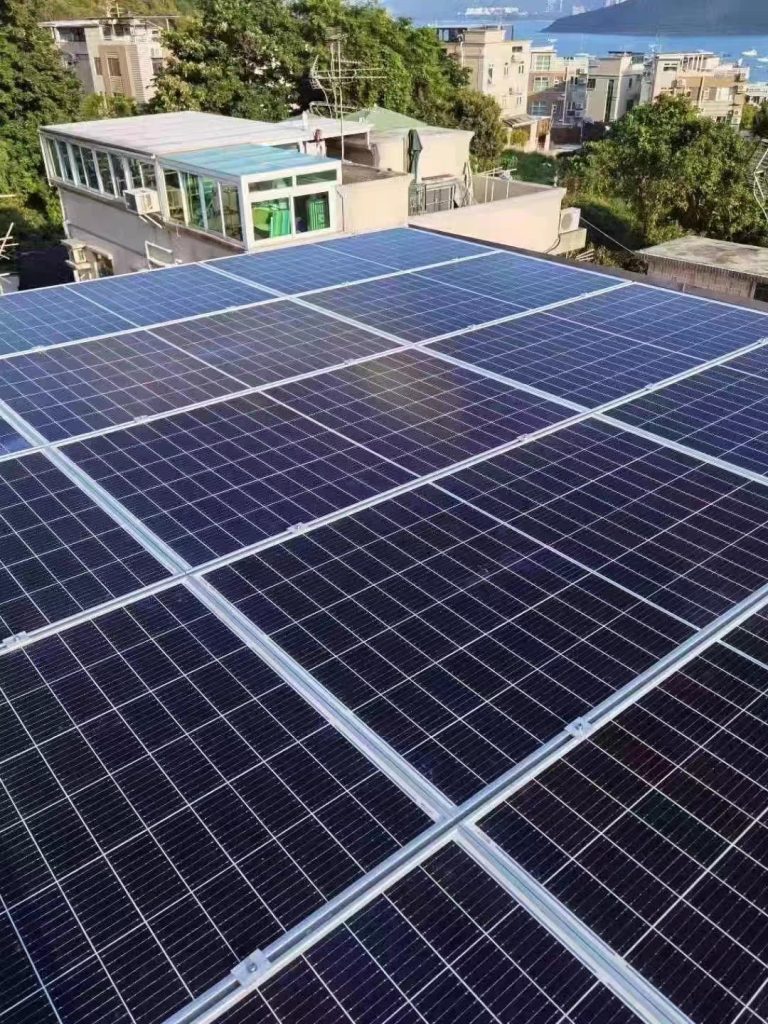
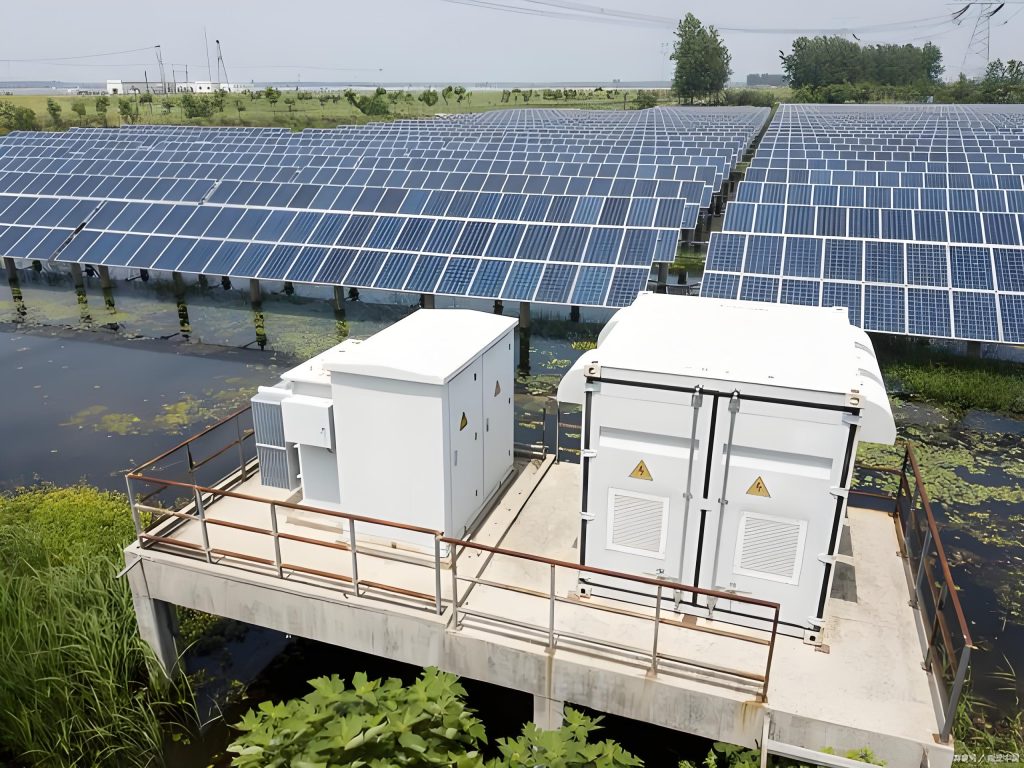
As a manufacturer of household solar power generation systems, we work directly with overseas distributors, installers, and energy solution providers. One clear trend has emerged across different markets: buyers are no longer looking for standard, one-size-fits-all solar products. They are looking for customized residential solar solutions that match local regulations, climate conditions, and user behavior.
This shift has changed how household solar power systems are designed, produced, and delivered. From a manufacturing standpoint, flexibility and engineering capability are now just as important as panel efficiency or price.
Why Standard Household Solar Systems Are No Longer Enough
In early residential solar markets, standardized systems were acceptable. Today, the global solar industry has matured, and end users expect systems that fit their specific needs.
Different regions face different challenges:
- High temperatures and strong sunlight
- Cold climates and snow loads
- Limited roof space in urban areas
- Unstable power grids in developing regions
A professional manufacturer must address these variables at the production stage, not after installation.
Manufacturer-Led Customization for Residential Solar Power
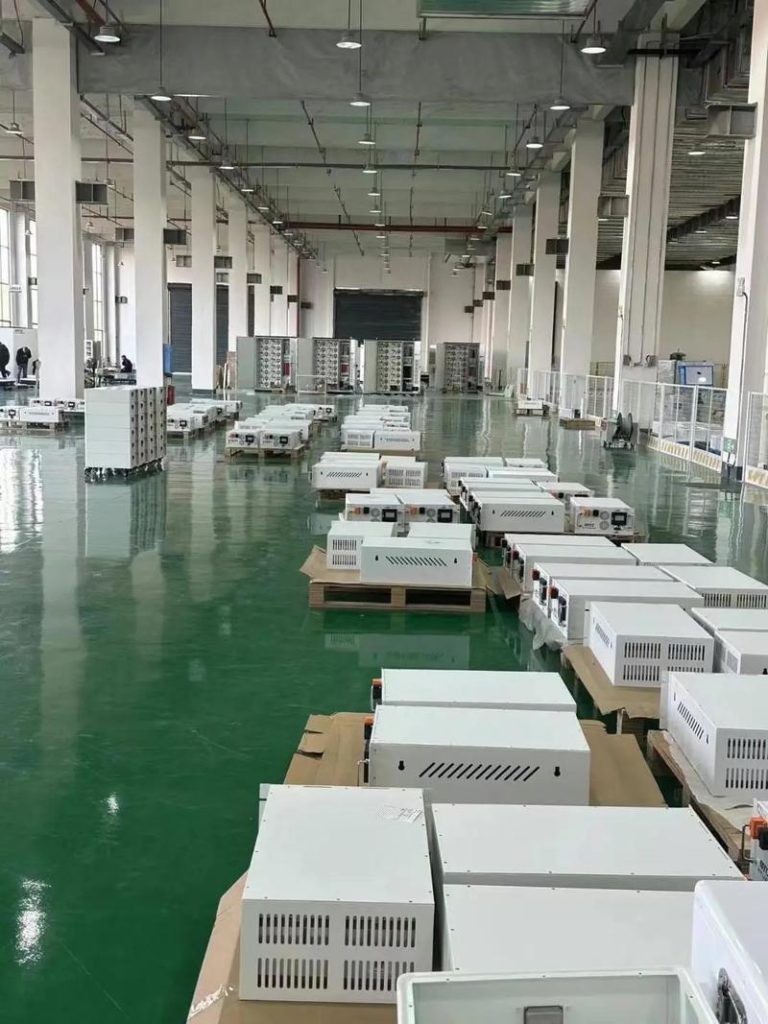
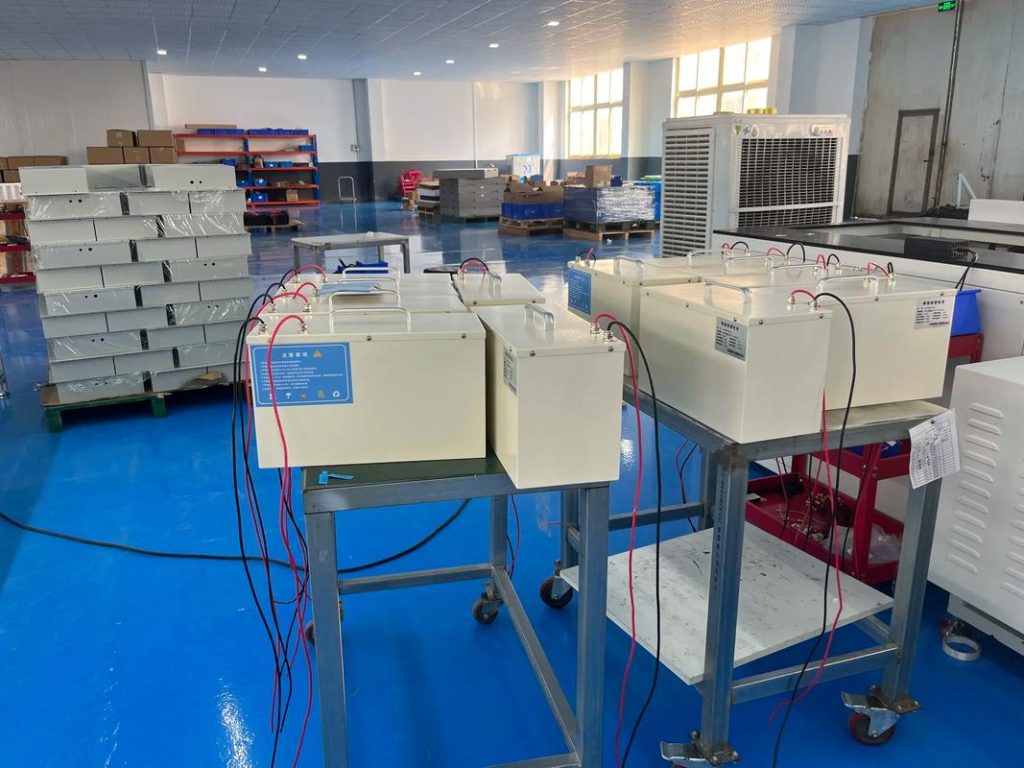
From our factory perspective, household solar power generation is not a single product. It is a configurable solution built from multiple components that must work together reliably.
Customization typically involves:
- Solar module size and power range
- Cell technology selection
- Frame and mounting structure design
- Inverter compatibility
- Optional energy storage integration
By offering modular design options, manufacturers enable buyers to build systems that match real-world installation conditions.
Designing for Different Residential Energy Consumption Patterns
Household energy usage varies widely across regions. Some homes consume most electricity during the day, while others peak in the evening.
Manufacturers supporting global markets must consider:
- Average household load profiles
- Seasonal consumption changes
- Appliance usage patterns
- Local electricity pricing structures
These factors influence system sizing and component configuration, ensuring that the final household solar power system delivers practical value, not theoretical performance.
Climate Adaptation in Household Solar Manufacturing
Environmental conditions play a critical role in residential solar performance. A manufacturer serving international markets must design systems capable of long-term operation under diverse conditions.
Key considerations include:
- Heat resistance for high-temperature regions
- Anti-corrosion protection for coastal areas
- Mechanical strength for heavy wind or snow loads
- Moisture resistance for humid climates
Climate-adapted manufacturing improves system lifespan and reduces long-term maintenance risks for end users.
Grid Compatibility and Local Compliance
Household solar power generation systems must integrate smoothly with local power grids. Grid requirements vary by country and sometimes by region.
Manufacturers experienced in export markets design products that support:
- Multiple grid standards
- Voltage and frequency variations
- Grid safety and protection features
- Certification compatibility
This approach reduces delays during project approval and installation, benefiting distributors and installers.
OEM and Private Label Solutions for Residential Solar Brands
Many residential solar brands do not operate their own factories. Instead, they rely on experienced manufacturers to deliver OEM or private-label solutions.
From a production standpoint, OEM support includes:
- Custom branding and labeling
- Market-specific product configurations
- Confidential design and specification management
- Flexible production volumes
This allows brands to focus on sales and market development while relying on stable manufacturing support.
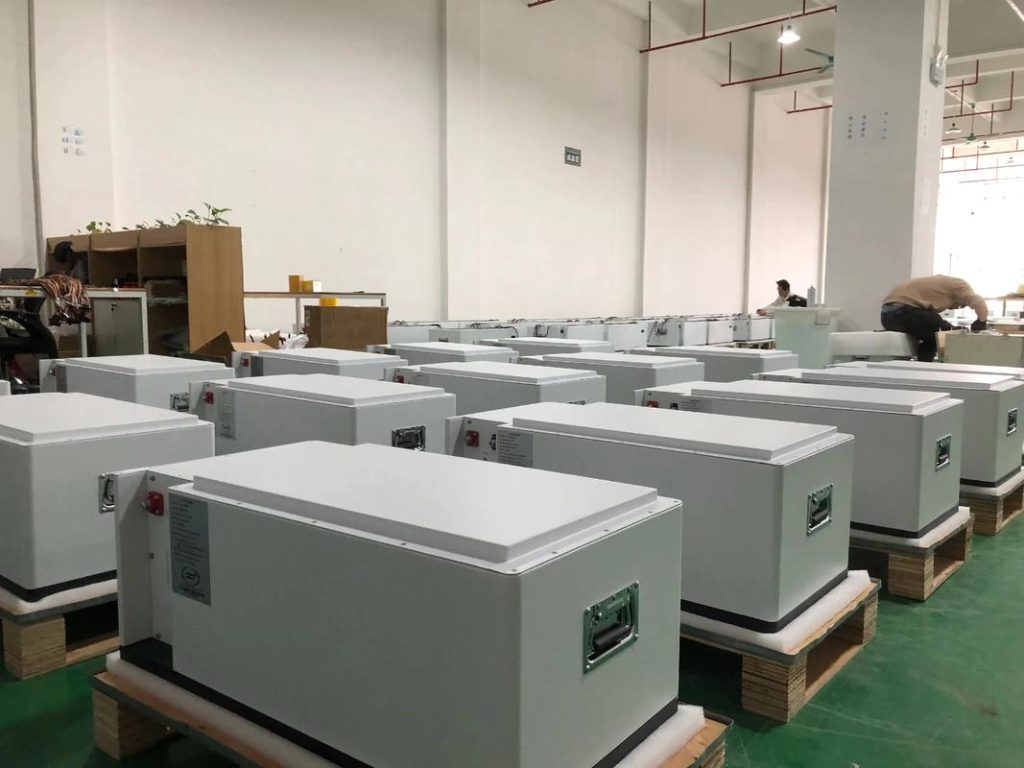
Production Quality as a Long-Term Performance Factor
Household solar power systems are long-term investments. A system that performs well in the first year but degrades quickly creates problems for everyone in the supply chain.
Reliable manufacturers focus on:
- Material consistency
- Stable lamination processes
- Electrical performance uniformity
- Long-term degradation control
Quality-driven production ensures that systems continue delivering energy year after year.
Logistics Planning for Global Residential Solar Projects
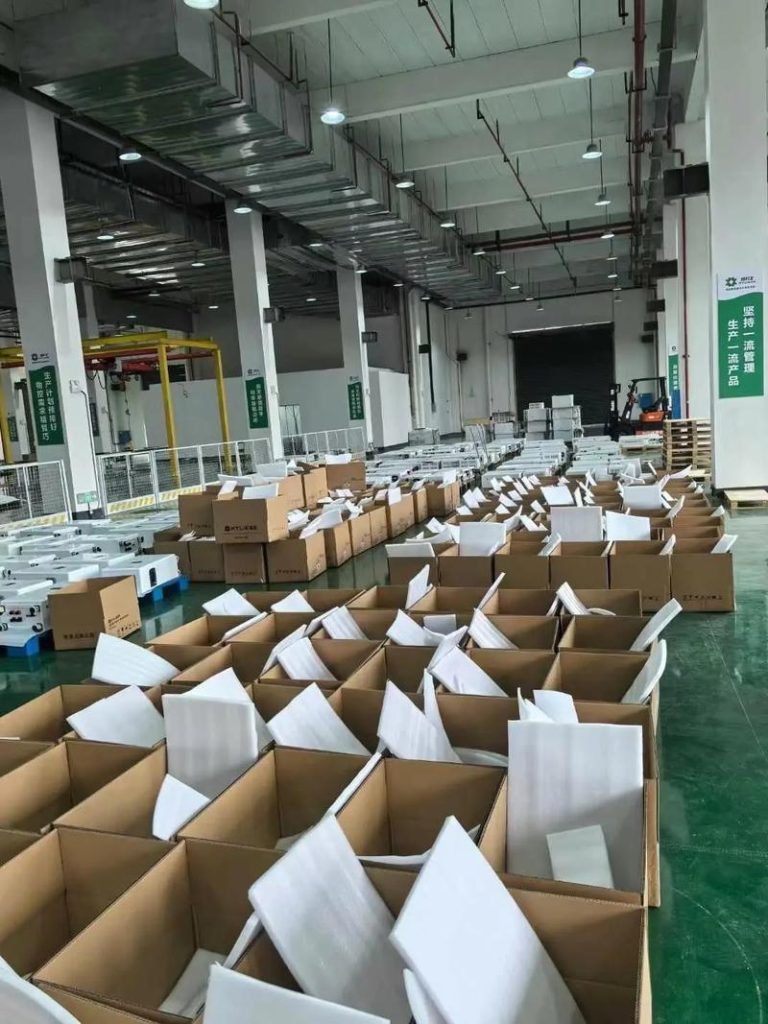
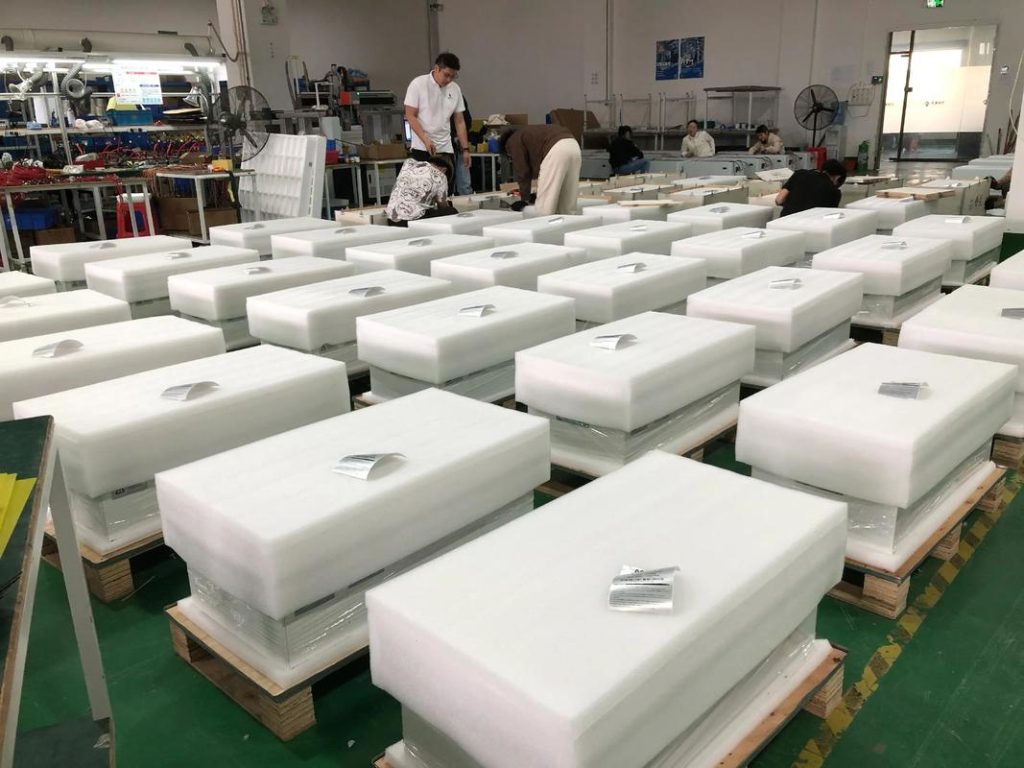
Solar modules and system components must travel long distances before installation. Manufacturing does not end at the factory gate.
Export-ready manufacturers consider:
- Protective packaging design
- Container loading efficiency
- Shock and vibration resistance
- Moisture protection during transit
Proper logistics planning protects product integrity and reduces after-sales issues.
Technical Documentation and Installer Support
Household solar power generation systems are installed by local professionals. Clear documentation is essential for safe and efficient installation.
Manufacturers support partners by providing:
- Installation manuals
- Electrical diagrams
- System configuration guidelines
- Compliance-related technical documents
This support reduces installation errors and improves system reliability.
Sustainability Starts in the Factory
Residential solar power exists to promote clean energy. Responsible manufacturers align production practices with this goal.
Sustainable manufacturing includes:
- Efficient energy use during production
- Waste material reduction
- Environmentally compliant processes
- Long-term product durability
These practices support both environmental responsibility and product quality.
Long-Term Manufacturing Partnerships in the Solar Industry
Household solar power generation is not a short-term business. Successful projects depend on long-term cooperation between manufacturers and overseas partners.
A stable manufacturing partner provides:
- Consistent product supply
- Ongoing technical updates
- Predictable quality standards
- Transparent communication
These factors support sustainable growth for distributors and installers alike.
Conclusion
Household solar power generation systems succeed when manufacturing, design, and real-world application align. As global demand grows more diverse, manufacturers play an increasingly important role in delivering adaptable, reliable, and market-ready residential solar solutions.
For buyers seeking flexibility, performance stability, and long-term cooperation, working directly with a professional household solar power manufacturer offers clear advantages.


No reply content