
Custom Lighting Supplier in Zhongshan, China
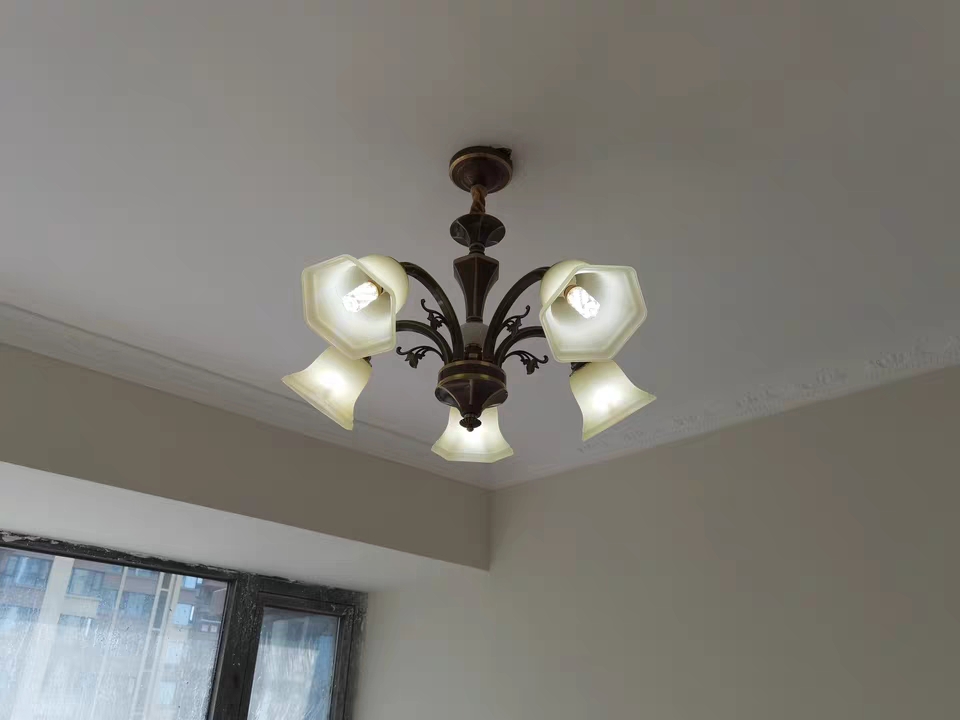
Custom indoor hanging lights are increasingly popular among lighting brands, interior designers, furniture retailers, hotels, restaurants, property developers, and commercial projects. Unlike standard lighting products, customized hanging lights allow buyers to control the design, dimensions, materials, finishes, electrical specifications, branding, and packaging.
However, custom lighting sourcing is more complicated than simply selecting a product from a catalog. A successful OEM or ODM project requires clear specifications, reliable product development, appropriate testing, quality control, and professional communication with the manufacturer.
This guide explains how international buyers can source custom indoor hanging lights from Chinese manufacturers and manage the process from the initial idea to mass production.
1. What Is Custom Indoor Hanging Light Manufacturing?
Custom indoor hanging lights are lighting fixtures developed or modified according to a buyer’s requirements.
Customization may include:
-
Product shape
-
Dimensions
-
Materials
-
Colors
-
Surface finishes
-
Lampshade design
-
Light source
-
Cable length
-
Ceiling canopy
-
Electrical components
-
Logo
-
Packaging
-
Installation accessories
Some buyers only need minor modifications to an existing product, while others require a completely new design.
The complexity of the project will directly influence development costs, minimum order quantity, production time, and tooling requirements.
2. OEM vs. ODM: Which Is Better?
Understanding the difference between OEM and ODM is important before contacting manufacturers.
OEM
OEM means the manufacturer produces the product according to your specifications.
For example, you may already have:
-
Product drawings
-
3D models
-
Dimensions
-
Material requirements
-
Color specifications
-
Electrical requirements
The factory’s role is primarily to manufacture the product according to your approved specifications.
OEM is suitable for brands that already have their own product designs.
ODM
ODM means the manufacturer provides existing designs or helps develop a product based on your concept.
You might provide:
-
A sketch
-
A reference image
-
A product concept
-
A target price
-
A target market
The manufacturer then helps develop a manufacturable product.
ODM can be useful for businesses that want a unique lighting collection but do not have an internal engineering team.
3. Start With a Clear Product Specification
One of the biggest mistakes in custom lighting sourcing is contacting a factory with only a photograph and asking:
“Can you make this?”
A photograph is useful as a starting point, but it usually does not contain enough technical information for accurate production.
A professional specification should include:
-
Overall dimensions
-
Material
-
Surface finish
-
Color
-
Light source
-
Voltage
-
Wattage
-
Cable length
-
Installation method
-
Lampshade dimensions
-
Ceiling plate dimensions
-
Packaging requirements
If you have engineering drawings, CAD files, 3D files, or technical drawings, provide them to the manufacturer.
The more information you provide, the fewer misunderstandings are likely to occur.
4. Choose the Right Materials
Material selection affects appearance, durability, weight, cost, and manufacturing difficulty.
Common materials for indoor hanging lights include:
Metal
Metal is widely used for modern and industrial pendant lights.
Common options include:
-
Steel
-
Aluminum
-
Stainless steel
-
Brass
-
Iron
Metal allows manufacturers to create many shapes and surface finishes.
Glass
Glass is commonly used for decorative pendant lights.
Different glass types can create different visual effects, including:
-
Clear
-
Frosted
-
Smoked
-
Amber
-
Opal
-
Colored glass
Glass products require special attention to thickness, color consistency, finishing, and transportation packaging.
Wood
Wood can provide a warm and natural appearance.
It is often used for:
-
Scandinavian-style lighting
-
Restaurant lighting
-
Hotel interiors
-
Residential lighting
-
Decorative pendant lights
Fabric
Fabric shades can create a softer atmosphere and are commonly used in residential and hospitality environments.
The manufacturer should be able to explain the fabric specification, fire-safety considerations where applicable, cleaning characteristics, and structural support.
5. Surface Finish Is an Important Part of Customization
Two products made from the same metal can look completely different because of their surface treatment.
Common finishes include:
-
Matte
-
Gloss
-
Brushed
-
Polished
-
Antique
-
Powder coated
-
Electroplated
-
Oxidized
For custom projects, ask the manufacturer to provide physical finish samples whenever possible.
A digital photograph may not accurately represent the final color or surface texture.
For large projects, keeping an approved physical sample can help maintain consistency between production batches.
6. Customize the Lighting Performance
The appearance of a pendant light is only one part of the product.
Buyers should also define the required lighting performance.
Important specifications can include:
-
LED or replaceable bulb
-
Wattage
-
Color temperature
-
Lumen output
-
Beam angle
-
Dimming capability
-
Color rendering
-
Input voltage
-
Driver specifications
For hospitality and commercial projects, lighting performance may be particularly important because the product needs to achieve a specific atmosphere and functional lighting level.
Do not change the LED driver or light source without confirming compatibility with the rest of the system.
7. Design the Installation System Carefully
A beautiful pendant light can still create problems if installation is difficult.
The design should consider:
-
Ceiling mounting
-
Cable length
-
Adjustable suspension
-
Ceiling canopy
-
Electrical connections
-
Mounting brackets
-
Screws and accessories
-
Installation instructions
For commercial projects, installation time can have a significant impact on overall project costs.
A manufacturer experienced in project lighting should be able to provide installation drawings or instructions when required.
8. Request a Prototype Before Mass Production
For completely customized products, prototype development is one of the most important stages.
The prototype allows you to evaluate:
-
Shape
-
Dimensions
-
Materials
-
Color
-
Surface finish
-
Assembly
-
Lighting effect
-
Electrical components
-
Installation
-
Packaging
If changes are required, they should be made before mass production.
Trying to correct a design problem after hundreds or thousands of units have been manufactured can be expensive.
9. Understand Tooling and Development Costs
Some custom products require special tooling.
For example:
-
Stamping molds
-
Injection molds
-
Glass molds
-
Special forming tools
-
Custom brackets
-
Specialized fixtures
Ask the manufacturer whether tooling is required and clarify:
-
Tooling cost
-
Prototype cost
-
Development cost
-
Tool ownership
-
Tool maintenance
-
Tool storage
-
Future production use
Do not assume that tooling is automatically included in the product quotation.
10. Ask About MOQ for Custom Lighting
Custom products generally have higher MOQs than standard products.
This is because customized materials, packaging, components, and production setup can increase manufacturing costs.
Ask whether the MOQ applies to:
-
Total order quantity
-
Individual model
-
Individual color
-
Individual finish
-
Individual size
-
Packaging design
Some manufacturers may allow mixed models within one order, which can be useful for lighting retailers or interior design companies developing a collection.
11. Custom Branding and Packaging
If you are building your own lighting brand, OEM branding can be added to the product and packaging.
Possible branding options include:
-
Logo on product
-
Brand label
-
Product name
-
Model number
-
Instruction manual
-
Warranty card
-
Retail box
-
Outer carton
-
Barcode
-
Product label
Packaging should be designed not only for marketing but also for transportation protection.
For fragile glass lighting, protective packaging is especially important.
12. Confirm Destination-Market Requirements
Custom lighting sold internationally must meet the applicable requirements of the destination market.
Before production begins, provide the manufacturer with:
-
Destination country
-
Required voltage
-
Plug or electrical connection requirements
-
Applicable compliance requirements
-
Labeling requirements
-
Documentation requirements
The manufacturer should confirm what documentation and testing it can provide.
Do not wait until the products have already been manufactured to discuss compliance.
13. Create a Pre-Production Approval Process
A useful process for custom indoor hanging lights is:
Design → Quotation → Technical review → Prototype → Testing → Sample approval → Mass production → Inspection → Shipment
The sample approval stage is especially important.
The approved sample should be clearly identified and documented.
The production specification should match the approved sample.
This reduces the possibility of receiving products that are technically different from what you originally approved.
14. Quality Control During Production
Quality inspection should cover more than the final appearance.
Important inspection points include:
Appearance
Check:
-
Scratches
-
Paint defects
-
Color differences
-
Surface imperfections
-
Uneven finishing
-
Broken components
Dimensions
Verify critical measurements against the approved specification.
Electrical components
Check that the correct components have been installed.
Assembly
Confirm that the fixture can be assembled and installed correctly.
Packaging
Check whether the packaging protects the product adequately.
For larger orders, buyers may consider third-party pre-shipment inspection.
15. Control Production Changes
Manufacturers sometimes change suppliers or components because of availability or cost.
For customized products, unauthorized changes can create serious quality issues.
For example, changing:
-
LED driver
-
Cable
-
Metal thickness
-
Surface coating
-
Glass material
-
Connector
-
Packaging material
may affect the finished product.
A purchase agreement should clearly state that important specifications cannot be changed without buyer approval.
16. Calculate the Total Landed Cost
The factory price is not necessarily the final cost.
Your total landed cost may include:
Product cost + tooling + packaging + inspection + inland transportation + export charges + international freight + customs duties + taxes + destination costs
For international buyers, this calculation is important when comparing Chinese manufacturers.
A supplier with a slightly higher factory price may still provide a lower total cost if the packaging, product quality, and shipping efficiency are better.
17. How to Compare Multiple Manufacturers
Instead of asking several factories only for their lowest price, create a supplier comparison sheet.
Compare:
Factor |
Supplier A |
Supplier B |
Supplier C |
|---|---|---|---|
Factory capability |
|||
OEM/ODM |
|||
MOQ |
|||
Sample cost |
|||
Production lead time |
|||
Material quality |
|||
Certification support |
|||
Packaging |
|||
Quality control |
|||
Export experience |
|||
Payment terms |
This approach makes the purchasing decision more objective.
18. Warning Signs When Sourcing Custom Lighting
Be careful when a supplier:
-
Gives an unusually low quotation without explanation
-
Refuses to provide samples
-
Cannot explain material specifications
-
Cannot confirm electrical details
-
Changes specifications frequently
-
Provides unclear lead times
-
Avoids written confirmation
-
Cannot explain quality-control procedures
-
Refuses reasonable inspection arrangements
One warning sign does not automatically mean a manufacturer is unreliable, but multiple warning signs should lead to additional verification.
19. Questions to Send to a Custom Pendant Light Manufacturer
A professional inquiry can include the following:
Product: Custom indoor hanging light
Quantity: 1,000 units
Target market: [Country]
Application: Hotel / restaurant / residential / retail
Customization: New design based on drawing
Material: [Material]
Finish: [Finish]
Light source: LED
Voltage: [Required voltage]
Branding: OEM logo
Packaging: Customized retail packaging
Then ask:
-
Can you manufacture according to our drawings?
-
Do you provide ODM design support?
-
What is the prototype cost?
-
Is tooling required?
-
What is the MOQ?
-
What is the bulk production lead time?
-
What electrical components do you recommend?
-
Which compliance documents can you provide?
-
What packaging do you recommend?
-
Can you arrange pre-shipment inspection?
-
What are your payment terms?
-
Can you provide a detailed quotation?
This format helps manufacturers understand the project quickly and provide more accurate quotations.
20. Build a Long-Term OEM Relationship
For lighting brands, the goal should not always be to find a supplier for one order.
A strong long-term manufacturer can help with:
-
New product development
-
Product improvements
-
Cost optimization
-
Packaging development
-
Production planning
-
Quality control
-
Replacement parts
-
Repeat orders
Once a manufacturer consistently meets your requirements, establishing a long-term relationship can make future product development faster and more efficient.
Conclusion
Custom indoor hanging light sourcing requires much more than finding an attractive design at a low price.
Successful OEM and ODM cooperation depends on clear specifications, appropriate materials, reliable electrical components, accurate prototypes, quality control, proper packaging, destination-market compliance, and clear commercial agreements.
For international buyers, the safest approach is to begin with a detailed product specification, compare qualified manufacturers, request a prototype, approve the final sample, establish production standards, and inspect the goods before shipment.
By following a structured sourcing process, buyers can reduce quality risks, control costs, and develop customized indoor hanging lights that are suitable for their target market and brand.
Article Link:
Custom Indoor Hanging Lights: OEM & ODM Sourcing Guide


No reply content