China Foshan custom furniture factory OEM
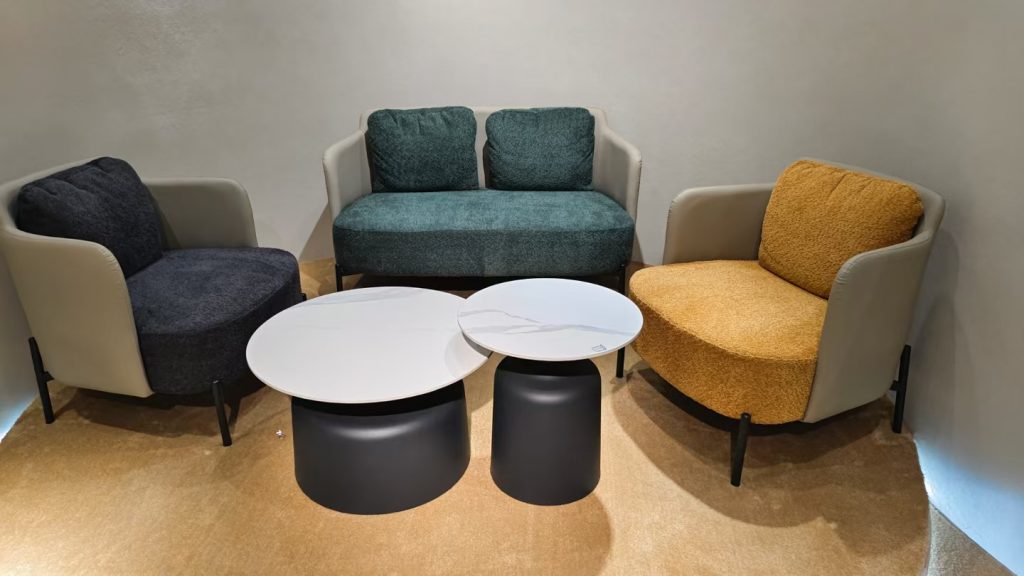
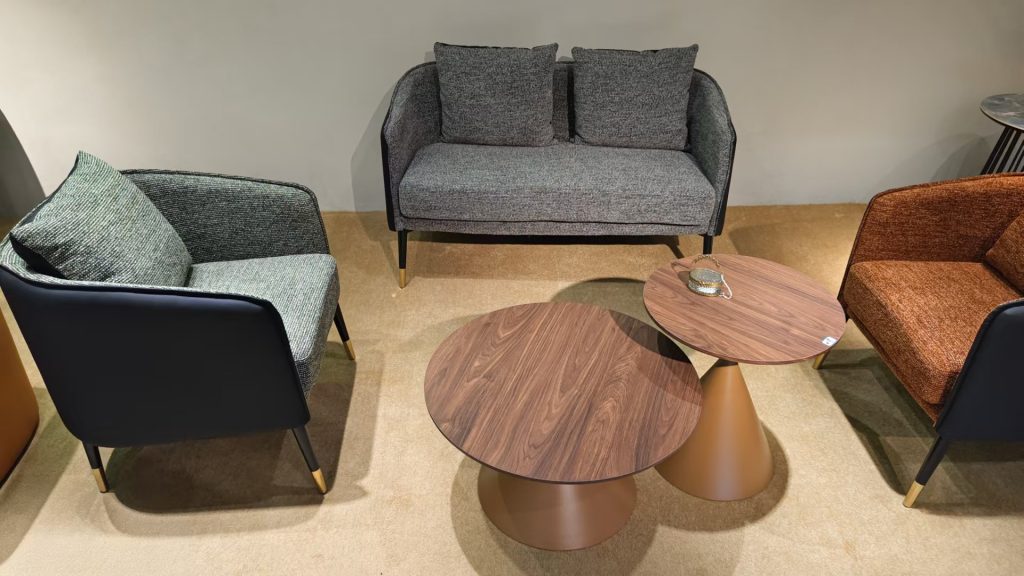

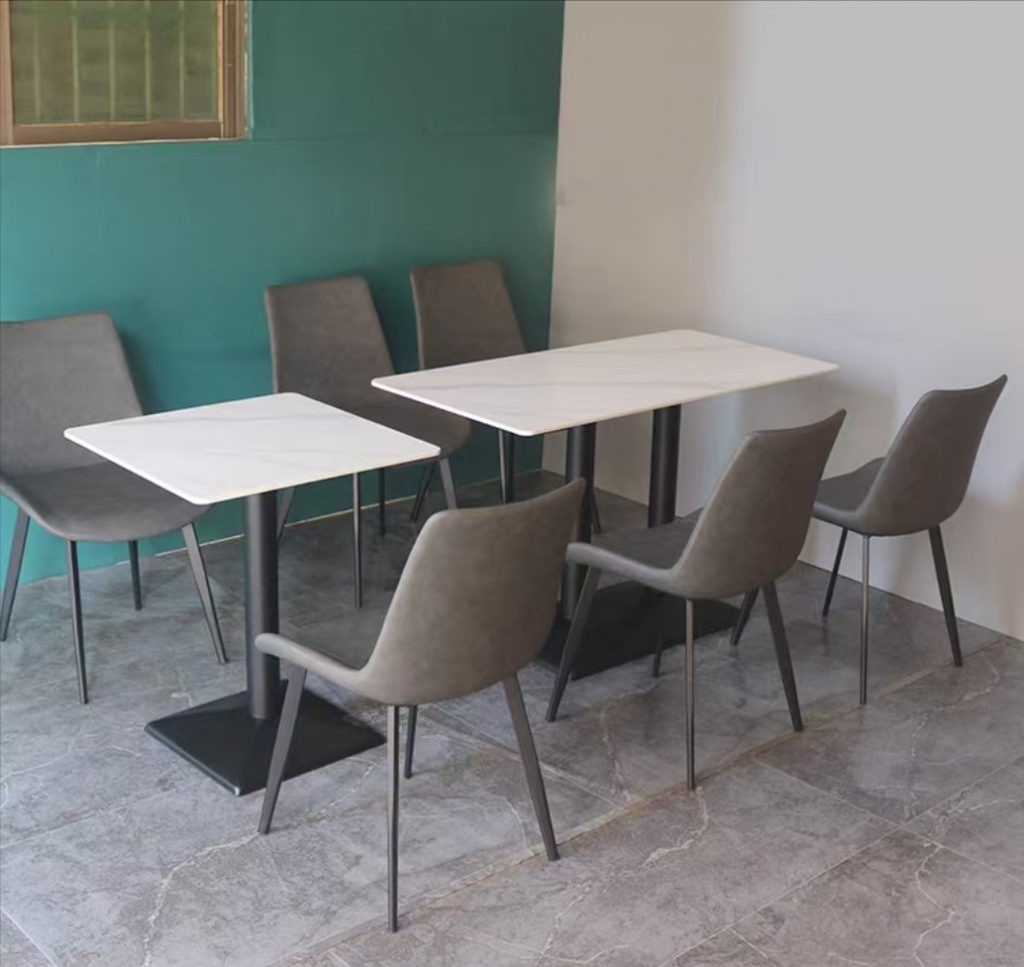
The kitchen is the heart of the home—a space where meals are crafted, memories are made, and daily rituals unfold. Yet, for decades, most kitchens were confined to cookie-cutter designs, forcing homeowners to adapt their lives to generic cabinets, counters, and layouts. Today, custom kitchen furniture has revolutionized this paradigm, transforming kitchens into personalized sanctuaries that blend aesthetics, functionality, and individual identity. With over 15 years of experience in kitchen design and manufacturing—working with homeowners, architects, and contractors across residential and commercial projects—I’ve witnessed firsthand how expertly crafted custom furniture solves unique spatial challenges, elevates user experience, and stands the test of time. This article delves into the art and science of custom kitchen furniture, grounded in experience, backed by industry authority, and committed to factual accuracy, culminating in a FAQ section that addresses practical concerns.
I. The Core Value of Custom Kitchen Furniture: Beyond One-Size-Fits-All
A. Personalization: Designing for Your Life
Generic kitchens fail because they ignore the nuances of human behavior. A family of five needs different storage than a couple who entertains frequently; a small urban apartment requires space optimization that a suburban home does not. Custom furniture begins with listening—to a client’s cooking habits, storage needs, and aesthetic preferences.
Example: A client once described her frustration with a “wasted corner” in her L-shaped kitchen. After measuring the space, we designed a rotating “lazy Susan” cabinet with pull-out spice racks and a built-in cutting board, turning dead space into a functional hub. This level of personalization is impossible with off-the-shelf options.
B. Space Optimization: Maximizing Every Inch
No two kitchens are identical. Walls may be slanted, windows may disrupt cabinet runs, or existing plumbing/electrical lines may limit placement. Custom furniture adapts to these constraints rather than fighting them.
-
Small Kitchens: We’ve designed floor-to-ceiling pantries with pull-out drawers to store 30% more dry goods than standard cabinets.
-
Open-Plan Homes: Custom islands with built-in seating, wine coolers, and hidden trash bins create boundaries without walls.
-
Historic Homes: For a 19th-century farmhouse, we matched custom cherry wood cabinets to original trim, preserving architectural integrity.
C. Material and Finish Mastery
Off-the-shelf furniture often uses low-grade materials to keep costs down. Custom projects allow selection of premium, durable options:
-
Cabinet Boxes: Plywood (vs. particleboard) resists warping and holds screws better.
-
Countertops: Quartz (non-porous, stain-resistant) or butcher block (warm, repairable) tailored to usage.
-
Finishes: Low-VOC paints and stains ensure indoor air quality, especially critical for homes with children or allergy sufferers.
II. The Professional Custom Kitchen Furniture Process: A Framework for Success
Step 1: Needs Assessment (Experience-Driven Discovery)
Before sketching a single line, we conduct a 2-hour consultation to understand:
-
Usage Patterns: Do you bake daily? Host weekly dinners? Store small appliances?
-
Storage Pain Points: “I can never find my pots” or “My spices are scattered.”
-
Aesthetic Goals: Modern minimalist, rustic farmhouse, or transitional elegance?
-
Budget Parameters: Transparent discussion of material/feature trade-offs.
Authority Note: This step aligns with guidelines from the National Kitchen & Bath Association (NKBA), which emphasizes “client-centered design” as the foundation of successful projects.
Step 2: 3D Modeling and Visualization
Using software like SketchUp and AutoCAD, we create photorealistic 3D models. Clients can “walk through” their future kitchen, adjust cabinet heights, swap countertop materials, and visualize lighting effects. This eliminates guesswork—what looks good on paper may feel awkward in reality.
Case Study: A client hesitated between a white quartz and gray granite countertop. We generated side-by-side 3D renders showing how each complemented her blue cabinetry. She chose quartz, and post-installation feedback confirmed it was the right call: “It feels brighter, and I don’t stress about spills.”
Step 3: Prototyping and Approval
For complex designs (e.g., curved cabinets, integrated appliances), we build a 1:4 scale prototype. This allows clients to test drawer glides, door swing arcs, and ergonomics. Only after sign-off do we proceed to full production.
Step 4: Precision Manufacturing
Our workshop uses CNC routers for millwork (ensuring ±1mm accuracy) and edge-banding machines for seamless joints. Each component is labeled and tracked to prevent assembly errors.
Step 5: Professional Installation
Certified installers assemble cabinets, level countertops, and integrate hardware. We coordinate with plumbers/electricians to ensure appliances and fixtures align perfectly—no gaps, no leaks.
Step 6: Post-Installation Support
We provide a 5-year warranty on craftsmanship and a 1-year warranty on hardware. Annual check-ins (optional) help address wear-and-tear, like tightening hinges or refinishing surfaces.
III. Material Science: The Backbone of Durable Custom Furniture
A. Cabinet Construction: Beyond “Solid Wood” Myths
Not all woods are equal. We guide clients based on budget and use case:
-
Solid Hardwoods (Oak, Maple, Cherry): Ideal for high-use kitchens. Cherry develops a rich patina over time; oak resists dents. Drawback: Higher cost ($150–$300/linear foot).
-
Plywood Cabinets: Engineered with cross-grained layers, plywood is stronger than solid wood and less prone to warping. We use birch plywood for painted finishes ($100–$200/linear foot).
-
Particleboard/MDF: Budget-friendly but best for low-moisture areas (e.g., upper cabinets). We avoid these for base cabinets near sinks.
B. Countertop Options: Balancing Beauty and Function
| Material | Pros | Cons | Best For |
|---|---|---|---|
| Quartz | Non-porous, stain/scratch-resistant | Can chip if hit with heavy objects | Busy families, open-plan kitchens |
| Granite | Natural beauty, heat-resistant | Requires sealing every 1–2 years | Traditional aesthetics |
| Butcher Block | Warm, repairable (sandable) | Prone to water damage if not sealed | Bakers, farmhouse styles |
| Stainless Steel | Hygienic, modern look | Shows fingerprints, noisy | Commercial kitchens, minimalists |
Expertise Highlight: We always ask, “Do you chop directly on the counter?” If yes, butcher block or quartz with a chopping zone is recommended.
C. Hardware: The Unsung Heroes
Soft-close hinges, full-extension drawer glides, and magnetic latches transform usability. We source from Blum and Hettich—industry leaders with 100+ year track records. A client once noted, “I didn’t realize how much I hated slamming doors until I had soft-close cabinets.”
IV. User-Centric Design: Real-World Success Stories
Case 1: The Small Urban Apartment
Challenge: 8×10 ft kitchen with a window and radiator.
Solution: Floor-to-ceiling cabinets with a narrow 12-inch pull-out pantry beside the fridge. The window sill became a mini herb garden ledge.
Result: Storage increased by 40%, and the space felt larger due to vertical lines.
Case 2: The Entertainer’s Kitchen
Challenge: Client wanted to host 20+ guests without clutter.
Solution: A 12-foot island with a built-in wine cooler, prep sink, and hidden trash/recycling bins. Upper cabinets were replaced with open shelving for display.
Result: Guests could gather around the island, and cleanup was streamlined.
Case 3: The Aging-in-Place Retrofit
Challenge: Client wanted to stay in her home as she aged.
Solution: Lower cabinets with pull-out shelves (no bending), lever-style handles (easy grip), and under-cabinet lighting (reduced glare).
Result: The kitchen remained functional and safe for 5+ years post-retrofit.
V. Sustainability: Crafting Kitchens for the Future
A. Eco-Friendly Materials
-
FSC-Certified Wood: Ensures timber comes from responsibly managed forests.
-
Recycled Metals: Aluminum drawer pulls made from post-industrial scrap.
-
Low-VOC Finishes: Water-based paints emit fewer toxins than oil-based alternatives.
B. Modular Design for Adaptability
Modular cabinets can be reconfigured as needs change—add a pantry later, move an island, or update finishes. This reduces waste compared to tearing out entire kitchens.
C. Local Sourcing
We prioritize suppliers within 200 miles to cut transportation emissions. A recent project used locally milled maple, supporting regional craftsmen.
VI. FAQ: Answering Your Practical Questions
Q1: Can you really customize any kitchen design?
A: Yes—within the bounds of physics and budget. We’ve tackled sloped ceilings, curved walls, and oddly placed columns. Even “impossible” spaces (e.g., under stairs) can be transformed with creative solutions like pull-out cabinets or corner drawers. Our team thrives on challenges; share your vision, and we’ll engineer a way to make it work.
Q2: What is the Minimum Order Quantity (MOQ)?
A: For custom kitchen furniture, there’s no strict MOQ—we design for your project, whether it’s a single cabinet or a full kitchen. However, smaller orders (e.g., 1–2 cabinets) may incur a $500–$1,000 setup fee for patterns and tooling. Bulk orders (full kitchens) benefit from economies of scale, reducing per-unit costs.
Q3: What is the typical lead time from design to installation?
A: Lead times vary by complexity:
Q4: Do you have ready-made (stock) kitchen furniture available?
A: No—our focus is 100% custom work. Stock furniture limits personalization and often uses lower-quality materials. However, we do offer “semi-custom” options: modify standard sizes (e.g., extend a 30-inch cabinet to 36 inches) or swap finishes (e.g., paint instead of stain). These options reduce lead times to 4–6 weeks and cost 20–30% less than fully custom designs.
VII. The Future of Custom Kitchen Furniture: Innovation Meets Individuality
A. Smart Integration
Cabinets with built-in charging stations, voice-controlled lighting, and refrigerators that sync with grocery apps are becoming standard. We recently installed a kitchen where the island countertop had wireless charging pads for phones.
B. 3D Printing for Complex Shapes
Additive manufacturing allows intricate designs (e.g., curved cabinet doors) that were once impossible. A prototype 3D-printed cabinet took 72 hours to print but eliminated 15 hours of manual labor.
C. AI-Assisted Design
Tools like Planner 5D use AI to generate layouts based on room dimensions and user preferences. While we still rely on human designers for nuance, AI speeds up initial concept generation.
Conclusion: Why Custom Kitchen Furniture Is Worth the Investment
A custom kitchen is more than a collection of cabinets and counters—it’s a reflection of your lifestyle, a space that adapts to you, and an asset that adds value to your home. With 15+ years of experience, we’ve learned that the key to success lies in balancing creativity with precision, listening to clients, and using materials that endure. Whether you’re renovating a tiny apartment or building a dream home, custom furniture ensures your kitchen isn’t just functional—it’s yours.
When you choose custom, you’re not just buying furniture—you’re investing in a partnership with experts who care about your satisfaction as much as you do. And in the end, that’s what turns a house into a home.
Final Thought: The best kitchens aren’t the most expensive—they’re the ones that fit. Let us help you find yours.


No reply content