
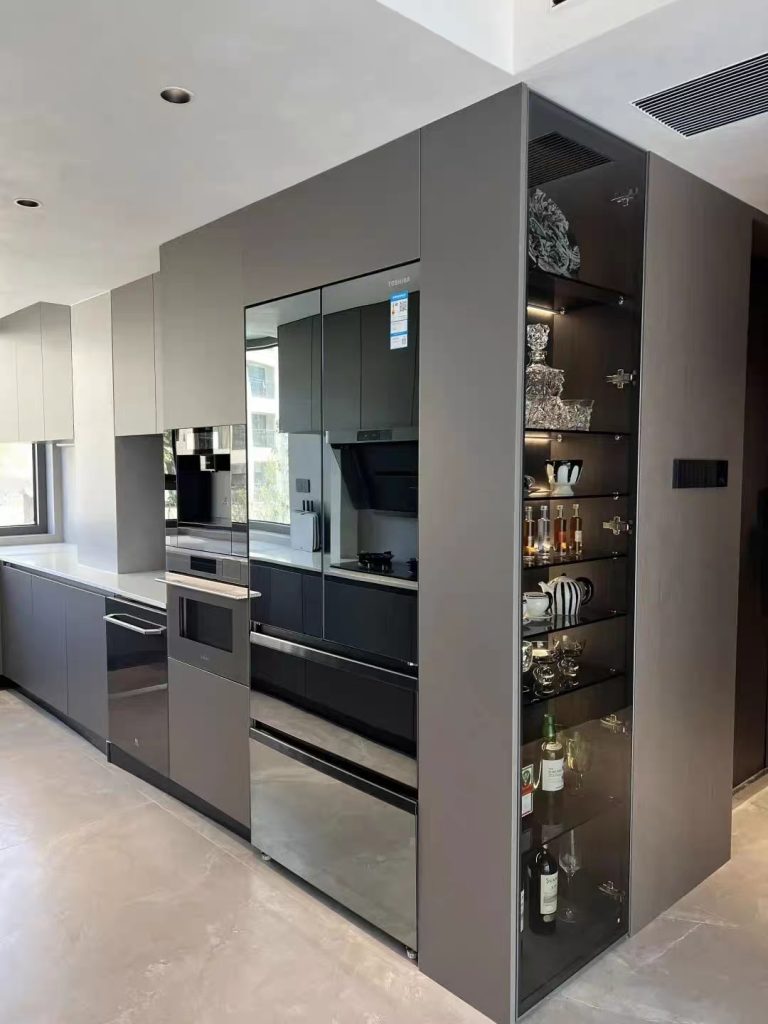
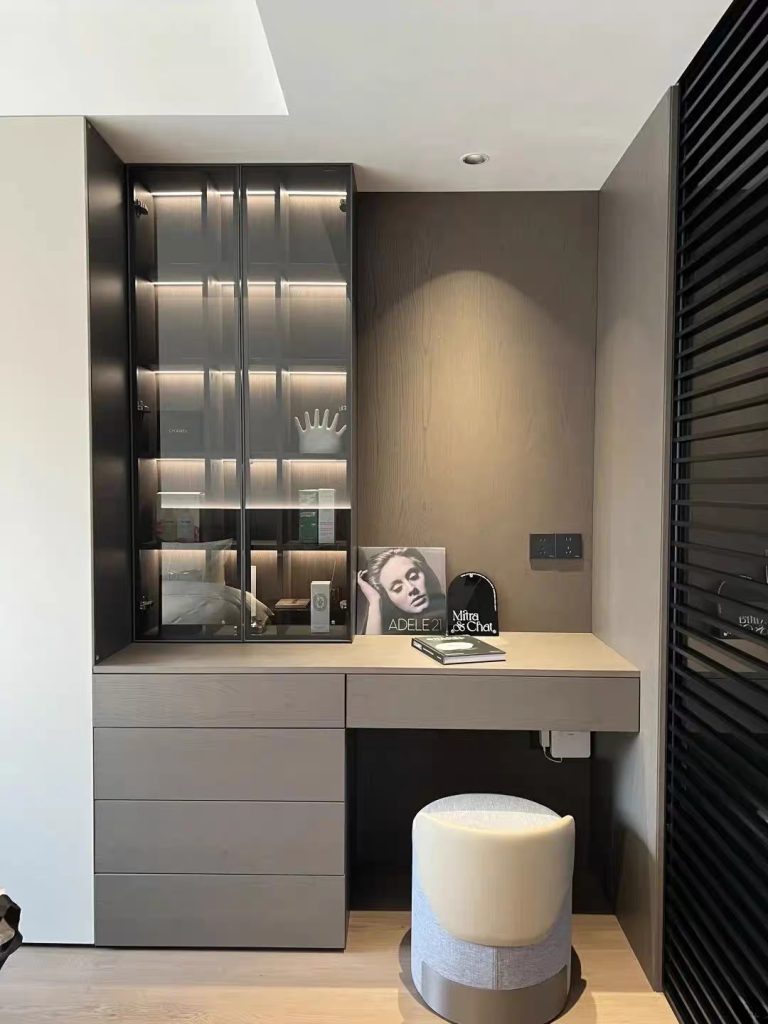
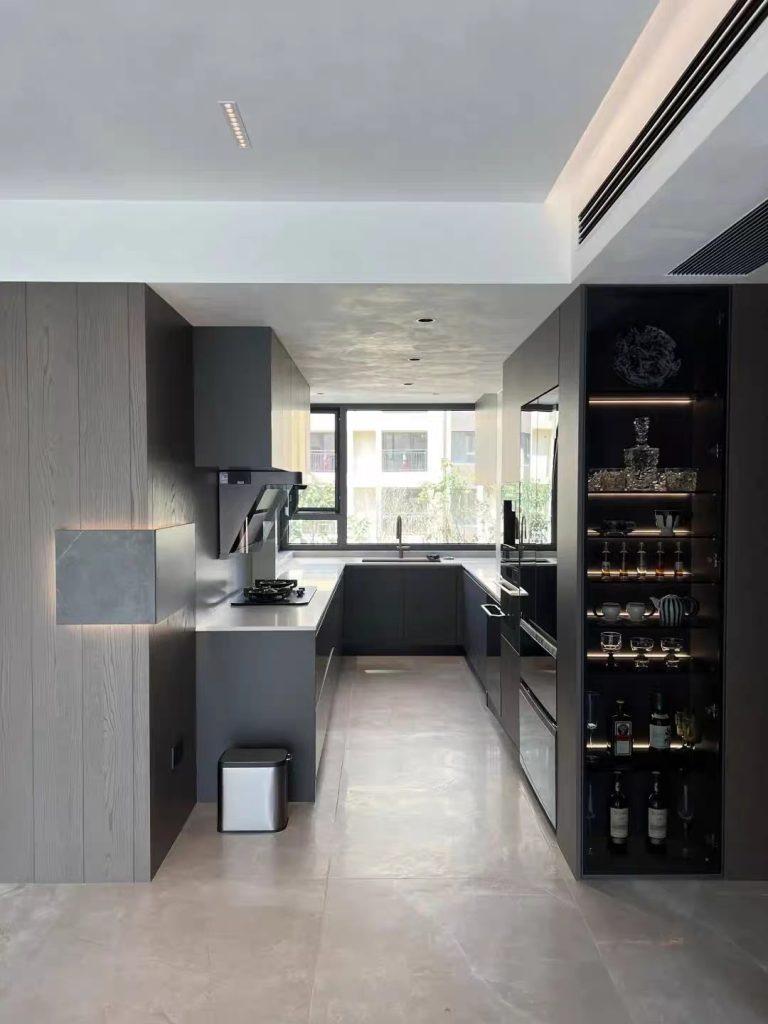
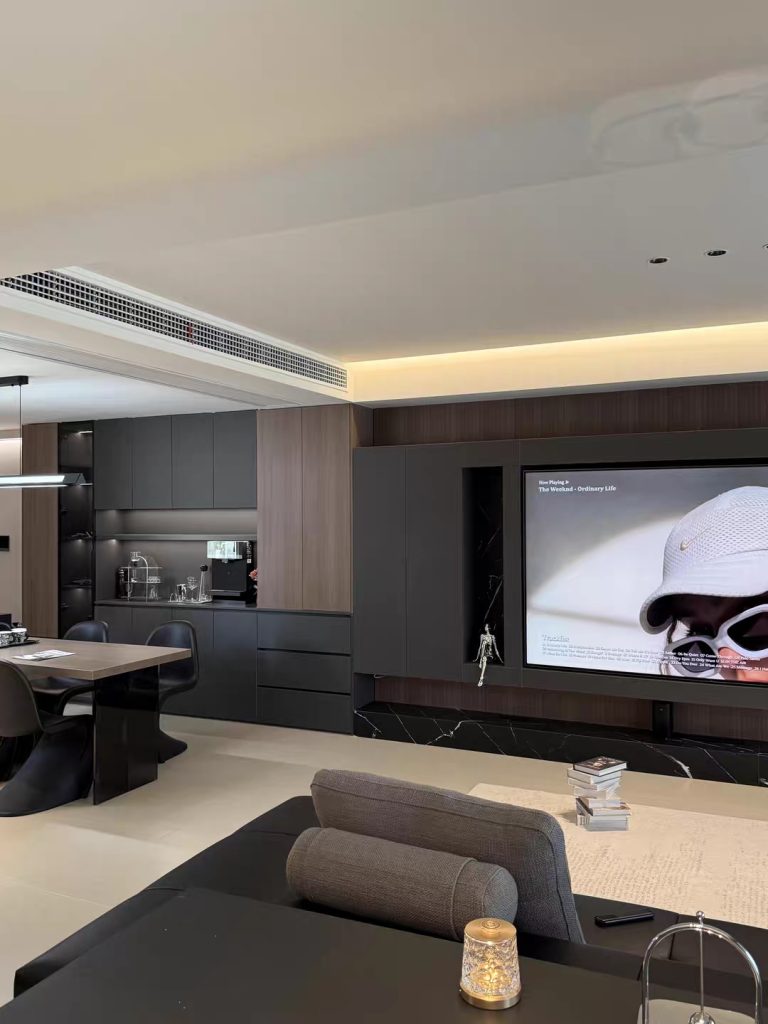
Introduction: Why Custom Kitchen Furniture Matters Today
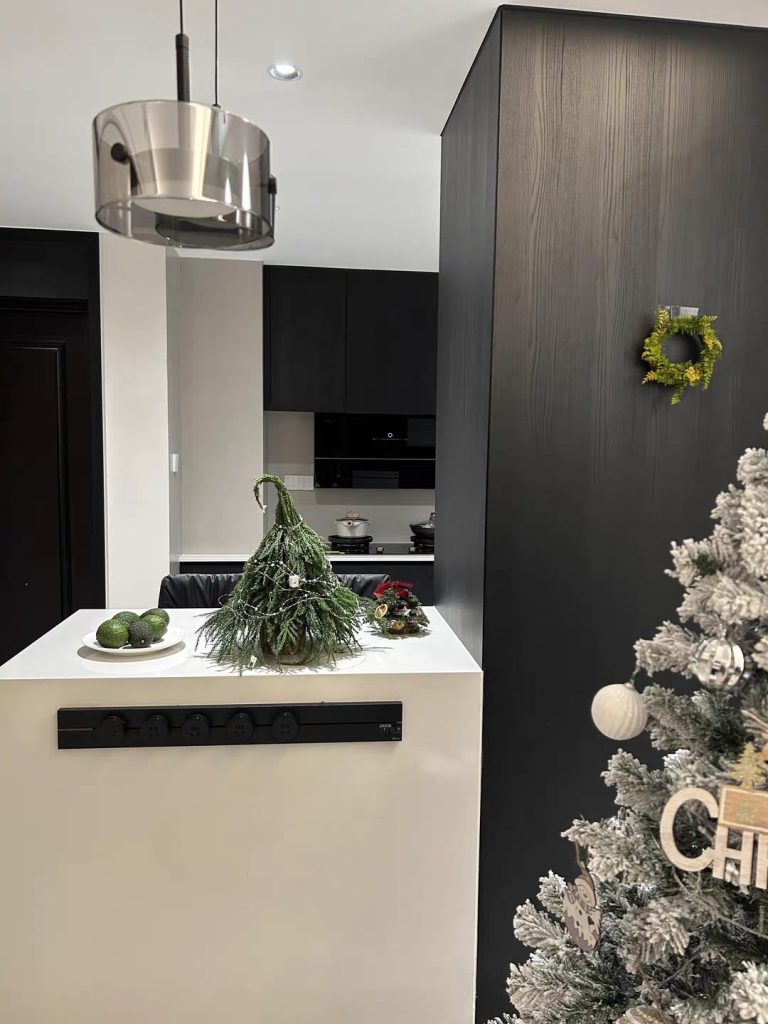
The kitchen has evolved far beyond a place for cooking. In modern homes, it is a center of daily life, social interaction, and personal expression. As lifestyles change and housing designs become more diverse, standard kitchen furniture can no longer meet the growing demand for functionality, aesthetics, and efficient space utilization.
Custom kitchen furniture offers a tailored solution. It allows homeowners, developers, and commercial buyers to design kitchens that match exact dimensions, usage habits, and style preferences. As a professional kitchen furniture manufacturing factory in China, we have witnessed this shift firsthand. Over the past decade, global demand for customized kitchen cabinets, islands, storage systems, and integrated kitchen solutions has increased steadily.
This article provides a comprehensive overview of custom kitchen furniture manufacturing from the perspective of a Chinese factory. It is written for importers, wholesalers, project contractors, brand owners, and designers who are sourcing custom kitchen furniture for residential or commercial projects worldwide.
The Advantages of Custom Kitchen Furniture
Perfect Fit for Any Space
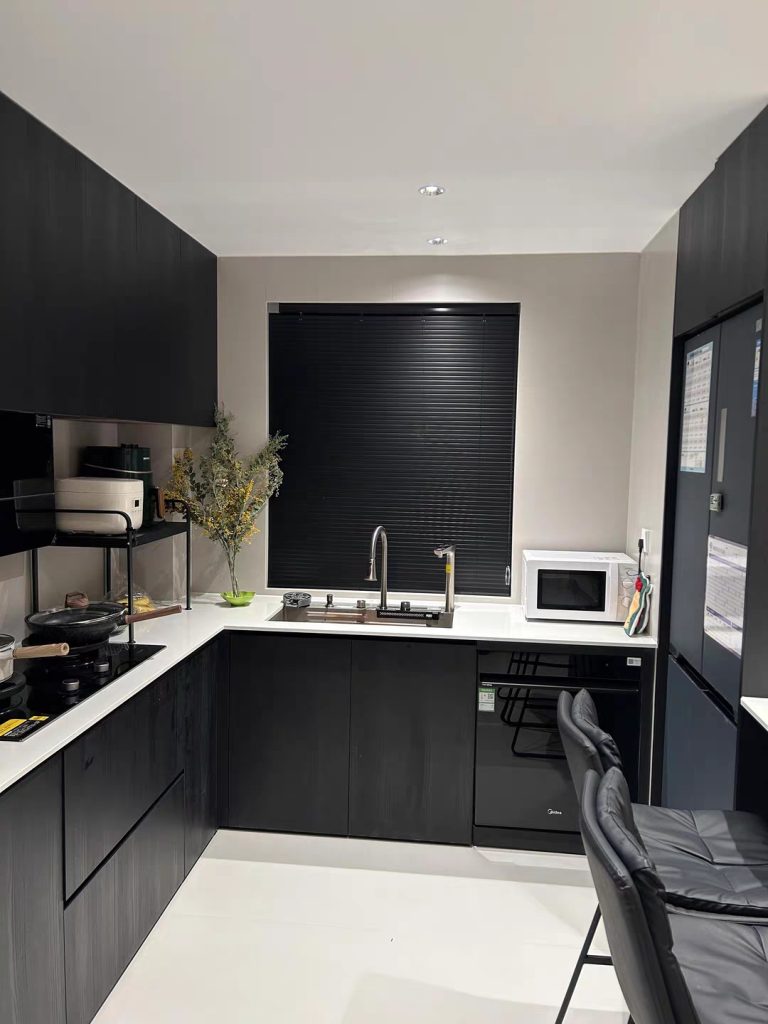
Unlike mass-produced kitchen furniture, custom solutions are designed based on precise measurements. Whether the kitchen space is compact, irregular, or unusually large, customization ensures every inch is used efficiently.
Custom kitchen furniture is especially valuable for:
- Apartments with limited space
- Villas and luxury homes with complex layouts
- Renovation projects in older buildings
- Commercial kitchens requiring specific workflows
Personalized Design and Style
Custom kitchen furniture allows full control over:
- Cabinet layout
- Door styles
- Materials and finishes
- Color combinations
- Hardware and accessories
From modern minimalist kitchens to classic, industrial, or luxury styles, customization ensures visual consistency with the overall interior design.
Functional Optimization
A well-designed custom kitchen is not only beautiful but also highly functional. Storage systems, drawer organizers, corner solutions, and integrated appliances can be designed according to the user’s habits, improving efficiency and comfort in daily use.
Why China Is a Global Hub for Custom Kitchen Furniture Manufacturing
Strong Manufacturing Infrastructure
China has one of the most complete furniture manufacturing supply chains in the world. From raw materials to hardware, surface finishes, and advanced machinery, all essential resources are locally available. This allows factories to maintain stable quality while offering competitive pricing.
Skilled Workforce and Engineering Experience
Custom kitchen furniture manufacturing requires skilled designers, engineers, and production workers. Chinese factories have accumulated decades of experience serving global markets, adapting to different standards, styles, and quality requirements.
Cost Efficiency Without Sacrificing Quality
Thanks to large-scale production capabilities and mature supply chains, Chinese factories can offer high-quality custom kitchen furniture at competitive costs. This cost advantage helps overseas buyers remain competitive in their local markets.
Our Role as a Custom Kitchen Furniture Factory in China
As a professional custom kitchen furniture manufacturer, our focus is not just production, but complete project solutions. We work closely with international clients to turn design concepts into finished products that meet functional, aesthetic, and durability requirements.
Our services typically include:
- Custom design support
- Material selection consultation
- Sample production
- Mass manufacturing
- Quality inspection
- Export packaging and logistics support
Materials Used in Custom Kitchen Furniture
Cabinet Carcass Materials
The internal structure of kitchen cabinets plays a crucial role in durability and moisture resistance. Common options include:
- Plywood
- Multi-layer board
- MDF (Medium Density Fiberboard)
- Particle board (with moisture-resistant treatment)
Each material has different cost, strength, and environmental characteristics. Selection depends on budget, usage environment, and local standards.
Door Panel Materials
Door panels define the visual style of the kitchen. Popular choices include:
- Solid wood
- Wood veneer
- Lacquered MDF
- PVC membrane
- Melamine
- Acrylic
- Aluminum frame with glass
Custom finishes allow for matte, high-gloss, textured, or natural wood appearances.
Countertop Options
While countertops are often sourced separately, many clients prefer integrated solutions. Common materials include:
- Quartz
- Granite
- Marble
- Solid surface
- Stainless steel
Each material offers different aesthetics, durability, and maintenance requirements.
Design Process for Custom Kitchen Furniture
Step 1: Understanding Client Requirements
The process begins with understanding:
- Target market
- Kitchen dimensions
- Style preferences
- Budget range
- Local regulations and standards
Clear communication at this stage is essential for a successful project.
Step 2: Layout Planning
Professional designers create layouts based on ergonomic principles, ensuring smooth workflows between cooking, washing, and storage areas. Cabinet height, depth, and spacing are carefully planned.
Step 3: 3D Visualization
3D renderings help clients visualize the final kitchen before production. Adjustments to colors, materials, and layouts can be made at this stage to avoid costly changes later.
Step 4: Technical Drawings
Once the design is confirmed, detailed production drawings are prepared. These drawings guide CNC machining, drilling, edging, and assembly processes.
Manufacturing Process in a Chinese Factory
CNC Cutting and Drilling
Advanced CNC machines ensure high precision and consistency. This is especially important for custom kitchen furniture, where every component must fit perfectly.
Edge Banding
High-quality edge banding protects panels from moisture and improves appearance. Automated edge banding machines ensure clean, durable finishes.
Surface Finishing
Depending on the selected finish, processes may include:
- Spray painting
- Lamination
- Veneer pressing
- UV coating
Strict control of temperature, humidity, and curing time ensures stable quality.
Assembly and Pre-Installation
Cabinets are pre-assembled or semi-assembled to verify fit and functionality. Hardware installation is tested to ensure smooth operation.
Quality Control Standards
Quality control is a critical part of custom kitchen furniture manufacturing. Inspections typically cover:
- Material thickness and density
- Surface finish quality
- Color consistency
- Hardware performance
- Structural stability
- Packaging integrity
Multiple inspections are conducted before shipment to reduce risks during installation.
Hardware and Accessories
High-quality hardware significantly affects user experience. Custom kitchen furniture can include:
- Soft-close hinges
- Drawer systems
- Pull-out baskets
- Corner solutions
- Lift-up mechanisms
- Integrated lighting
Hardware selection is based on usage frequency, load requirements, and target market expectations.
Custom Kitchen Furniture for Different Markets
Residential Projects
For homeowners and residential developers, design flexibility and aesthetics are top priorities. Custom solutions allow kitchens to match various interior styles.
Commercial Projects
Hotels, apartments, and serviced residences require standardized yet customizable solutions. Durability, consistency, and easy maintenance are key considerations.
Export Markets
Different regions have different preferences and standards. A professional Chinese factory can adapt designs to meet local regulations, size norms, and style trends.
Packaging and Export Logistics
Custom kitchen furniture is usually shipped in flat-pack or assembled form, depending on client requirements. Export packaging includes:
- Protective foam
- Corner protection
- Reinforced cartons
- Clear labeling
Proper packaging minimizes damage during long-distance transportation.
Sustainability and Environmental Considerations
Many international buyers are increasingly concerned about sustainability. Responsible factories focus on:
- Low-emission materials
- Efficient resource usage
- Waste reduction
- Long product lifespan
Custom kitchen furniture, when designed properly, can reduce waste by avoiding unnecessary materials and replacements.
Common Challenges in Custom Kitchen Furniture Sourcing
Communication Barriers
Clear specifications and detailed drawings help prevent misunderstandings. Experienced factories provide bilingual communication support.
Lead Time Management
Custom production requires careful scheduling. Early planning helps ensure on-time delivery.
Quality Consistency
Working with an experienced factory reduces risks related to material substitution or inconsistent finishes.
How to Choose the Right Custom Kitchen Furniture Manufacturer in China
When selecting a manufacturing partner, buyers should consider:
- Factory experience
- Production capacity
- Design capabilities
- Quality control processes
- Export experience
- After-sales support
A reliable factory acts as a long-term partner, not just a supplier.
The Future of Custom Kitchen Furniture
As global housing trends evolve, demand for custom kitchen furniture will continue to grow. Smart storage, integrated appliances, sustainable materials, and modular customization will shape the future of kitchen design.
Chinese factories are continuously upgrading equipment and processes to meet these emerging demands, offering global buyers innovative and cost-effective solutions.
Conclusion
Custom kitchen furniture is no longer a luxury—it is a practical solution for modern living. As a professional kitchen furniture manufacturing factory in China, we believe successful projects are built on clear communication, thoughtful design, precise manufacturing, and consistent quality.
For international buyers seeking reliable custom kitchen furniture solutions, partnering with an experienced Chinese factory offers flexibility, efficiency, and long-term value.


No reply content