
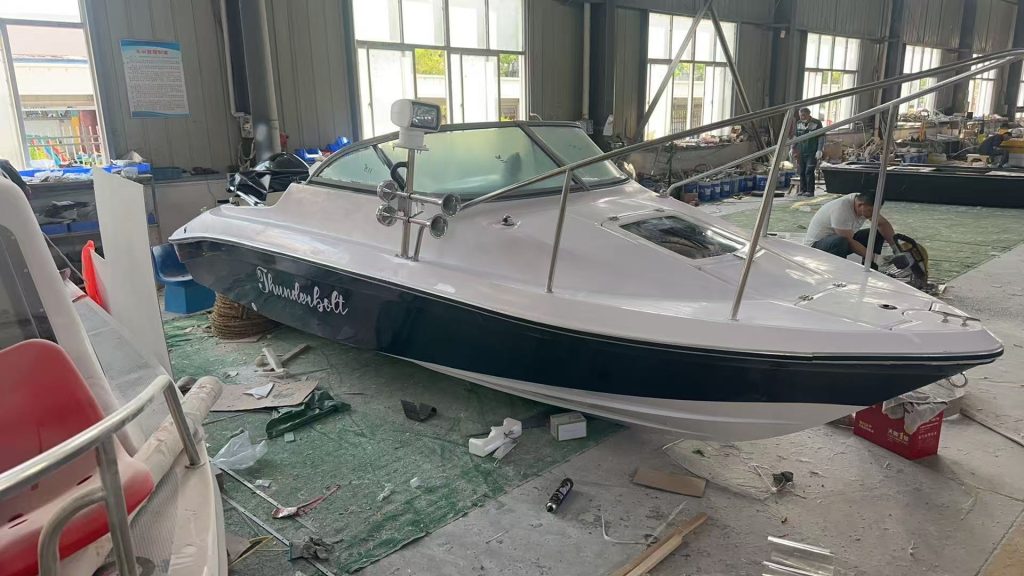
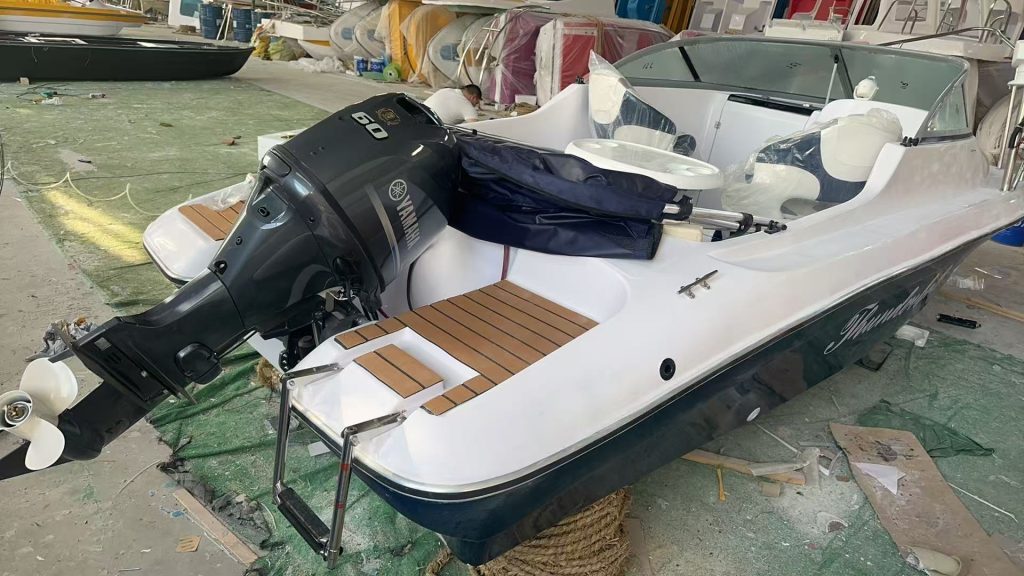
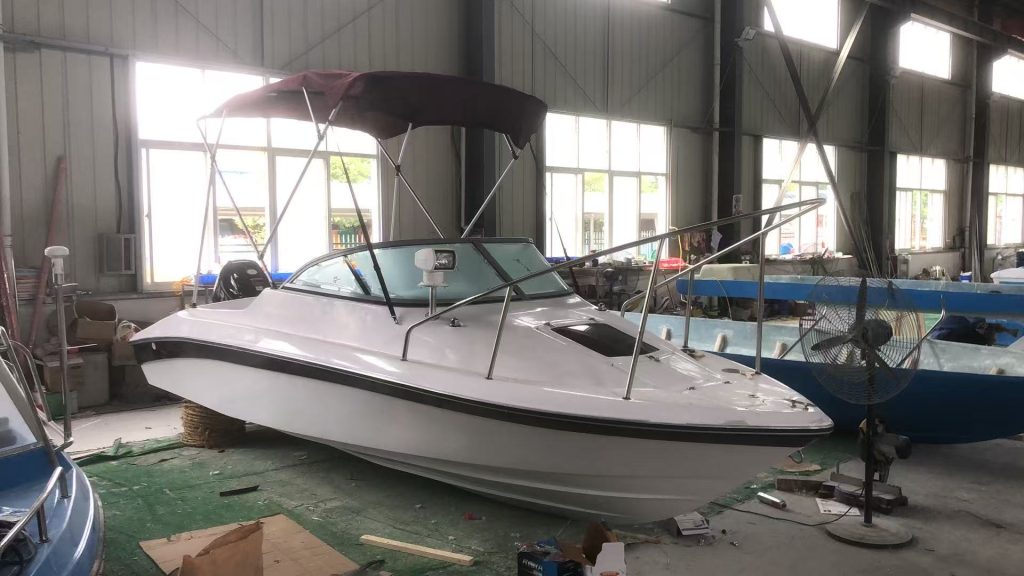
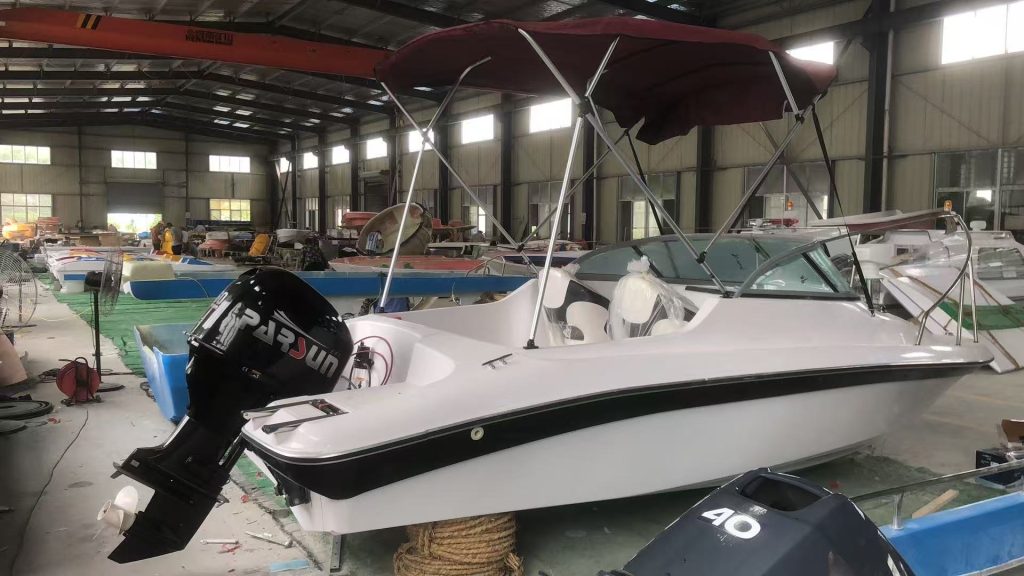
Looking for a trusted custom luxury yacht manufacturer with full design capability, global export experience, and high-end craftsmanship?
This comprehensive guide explains everything serious yacht buyers, charter investors, and marine distributors need to know about sourcing custom-built yachts. Based on real industry insight and manufacturing knowledge, this article covers yacht categories, hull materials, engine systems, customization options, production timelines, certifications, MOQ requirements, and inventory availability—helping you make a confident, informed investment decision.
Introduction: Why Custom Luxury Yachts Represent the Ultimate Marine Investment
Owning a yacht is no longer limited to elite circles. Today, private owners, charter operators, and hospitality investors are increasingly exploring customized yacht manufacturing to meet specific lifestyle and business needs.
From firsthand experience working with marine manufacturing projects and global buyers, one truth stands out: purchasing a yacht is not simply about aesthetics—it is a highly technical investment decision involving naval architecture, safety compliance, propulsion engineering, and long-term operational planning.
If you are searching for:
- custom luxury yacht manufacturer
- private label yacht builder
- yacht factory for charter business
- fiberglass yacht production company
- aluminum yacht OEM supplier
This in-depth SEO guide is written to help you understand how to choose the right yacht manufacturing partner.
1. Understanding Yacht Categories Before Customization
Selecting the correct yacht category determines structure, engine configuration, and cost.
1.1 Motor Yachts
Most popular worldwide.
- Powered by diesel engines
- High cruising speed
- Ideal for leisure and charter
Length range: 30ft – 120ft+
1.2 Sailing Yachts
Wind-powered with auxiliary engines.
- Lower fuel consumption
- Classic maritime appeal
- Ideal for experienced sailors
1.3 Catamaran Yachts
Two-hull structure.
- Greater stability
- Larger deck area
- Popular in charter operations
1.4 Expedition / Explorer Yachts
Built for long-distance cruising.
- Reinforced hull
- Extended fuel capacity
- Designed for ocean travel
Choosing the correct category affects manufacturing time, material cost, and engine requirements.
2. Hull Materials: Fiberglass vs Aluminum vs Steel
The hull is the foundation of any yacht.
2.1 Fiberglass (FRP)
Most common for mid-size yachts.
Advantages:
- Lightweight
- Lower production cost
- Smooth surface finish
- Corrosion resistant
Ideal for 30ft–80ft yachts.
2.2 Aluminum Hull
Preferred for:
- Expedition yachts
- High-performance vessels
Advantages:
- Stronger structure
- Lightweight but durable
- Better impact resistance
2.3 Steel Hull
Used for:
- Large superyachts
- Long-range cruising vessels
Advantages:
- Maximum durability
- Heavy-duty ocean capability
Material choice impacts price, durability, and customization flexibility.
3. Yacht Engine & Propulsion Systems
Engine selection determines performance and fuel efficiency.
3.1 Inboard Diesel Engines
Most common in motor yachts.
- Reliable
- Suitable for long cruising
- Easy maintenance
3.2 Outboard Engines
Common for smaller yachts.
- Easier replacement
- Lower maintenance cost
3.3 Hybrid & Electric Propulsion (Emerging Trend)
Growing demand due to:
- Environmental awareness
- Fuel savings
- Silent cruising experience
Professional yacht manufacturers can integrate advanced propulsion systems based on buyer requirements.
4. Interior Customization & Luxury Features
Luxury yachts are highly customizable.
4.1 Layout Options
- 2–6 cabins
- Crew quarters
- VIP suites
- Open deck lounge
4.2 Materials
- Solid wood cabinetry
- Marine-grade leather
- Stone countertops
- LED ambient lighting
4.3 Smart Marine Technology
Modern yachts include:
- Digital navigation systems
- Auto-pilot integration
- Climate control systems
- Marine entertainment systems
Customization defines the luxury experience and resale value.
5. Safety & Certification Standards
Professional yacht manufacturing must comply with international maritime regulations.
Common certifications include:
- CE Certification (European Union)
- ISO Marine Standards
- Classification Society Approval (optional for large vessels)
Safety systems include:
- Fire suppression
- Life-saving equipment
- GPS & radar
- Marine communication systems
Compliance ensures global cruising approval.
6. Production Process of a Custom Yacht
Understanding the build process increases buyer confidence.
6.1 Design Phase
- Naval architecture drafting
- 3D interior rendering
- Material selection
6.2 Hull Construction
- Mold preparation (for fiberglass)
- Structural reinforcement
- Waterproof sealing
6.3 Mechanical Installation
- Engine placement
- Fuel system setup
- Electrical wiring
6.4 Interior Finishing
- Cabinet installation
- Upholstery
- Flooring
6.5 Sea Trial Testing
- Engine performance test
- Navigation test
- Safety inspection
A professional factory ensures rigorous quality checks before delivery.
7. Production Timeline & Delivery
Yacht manufacturing requires significant time.
Approximate timeline:
- 30–50ft yacht: 4–6 months
- 60–80ft yacht: 6–10 months
- 100ft+ superyacht: 12+ months
Factors affecting timeline:
- Customization complexity
- Material availability
- Engine sourcing
- Peak production season
8. Global Shipping & Export Logistics
Transport options include:
- Yacht delivery by sea (self-navigation)
- Heavy-lift shipping
- Flat rack container (small yachts)
Professional exporters manage:
- Export documentation
- Customs clearance
- Insurance
9. How to Choose a Reliable Yacht Manufacturer
From professional experience, serious buyers evaluate:
1. Factory Ownership
Does the company own the shipyard?
2. Engineering Team
In-house naval architects and designers.
3. Past Project Portfolio
Real yacht builds with client testimonials.
4. After-Sales Support
Spare parts supply & technical assistance.
5. Transparent Contract Terms
Clear specification agreement prevents disputes.
10. Long-Term Investment Value
A yacht is both lifestyle and financial asset.
Factors affecting resale value:
- Brand reputation
- Build quality
- Engine hours
- Maintenance records
Custom yachts built with premium materials maintain better resale performance.
11. Frequently Asked Questions (FAQ)
Q1: Can you customize the yacht according to our design?
Yes. We provide full customization services including hull size, interior layout, material selection, propulsion system, navigation equipment, and luxury finishes.
Q2: What is the MOQ (Minimum Order Quantity)?
Yachts are custom-built products.
- MOQ: 1 unit per order
Each yacht project is individually designed and manufactured.
Q3: What is the production lead time?
- 30–50ft yacht: 4–6 months
- 60–80ft yacht: 6–10 months
- Larger superyachts: 10–18 months
Exact timeline depends on customization level and material sourcing.
Q4: Do you have stock yachts available?
Standard models may be available depending on production schedule.
However, most luxury yachts are custom-built upon order confirmation.
Q5: Can you support international shipping?
Yes. We provide full export documentation and global shipping solutions including sea delivery and heavy-lift transportation.
Q6: What warranty do you offer?
Typical warranty:
- Hull structure: multi-year warranty
- Mechanical systems: 1–2 years (depending on engine manufacturer)
Conclusion: Partner with a Professional Custom Yacht Manufacturer
Choosing a custom yacht manufacturer requires careful evaluation of engineering capability, material quality, production experience, and after-sales support.
A reliable yacht factory offers:
- Full OEM customization
- International safety compliance
- Strong engineering expertise
- Transparent project management
- Global export experience
If you are looking for a professional custom luxury yacht manufacturer for private ownership or charter investment, we are ready to provide tailored marine solutions based on your requirements.


No reply content