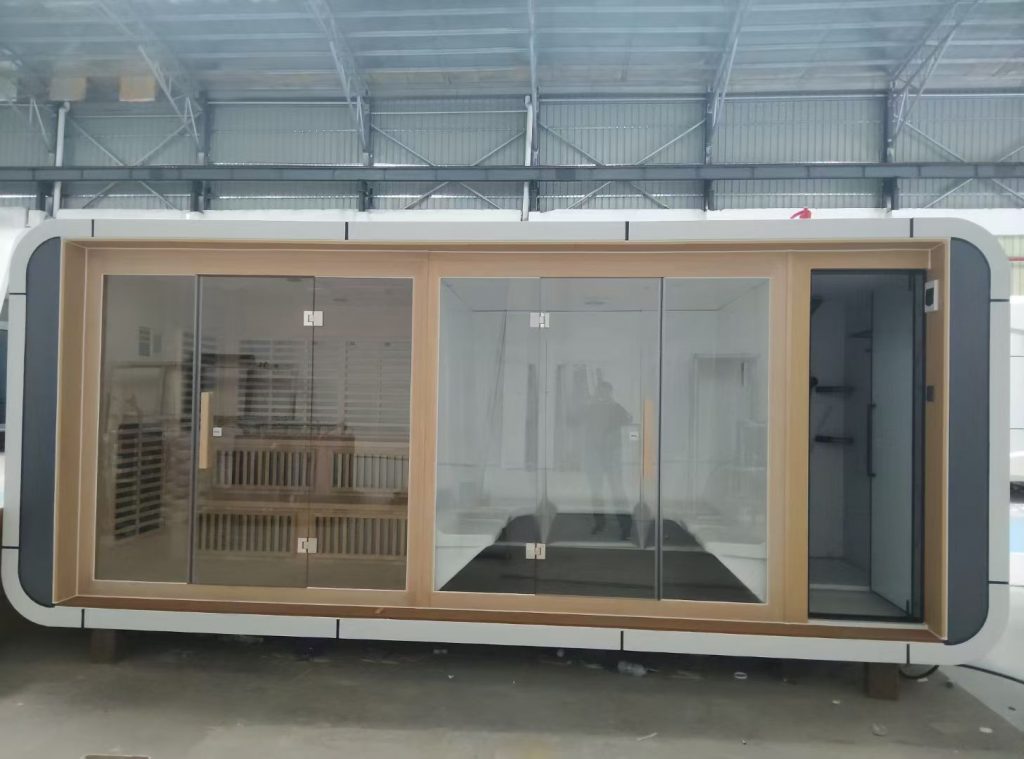
Modular homes are revolutionizing residential construction with speed, flexibility, and cost efficiency. This guide covers custom modular houses, prefabricated units, sustainable materials, design options, and turnkey solutions. Written with E-E-A-T principles, it includes production process, customization, MOQ, lead time, stock availability, and full OEM/ODM services for developers, investors, and homeowners seeking high-quality modular housing solutions.
1. Introduction: Why Modular Homes Are Transforming Residential Construction
The global demand for modular and prefabricated homes is growing due to:
- Faster construction timelines
- Reduced labor and material costs
- High-quality, factory-controlled production
- Sustainable building practices
- Flexibility in design and customization
Modular homes are ideal for:
- Private residences
- Vacation homes
- Student accommodations
- Emergency shelters
- Commercial applications such as offices or clinics
Search trends highlight interest in custom modular home design, prefabricated housing suppliers, eco-friendly modular units, and turnkey solutions.
2. What Are Modular Homes?
Modular homes are factory-built, pre-engineered units transported to the site and assembled into complete structures.
2.1 Key Components
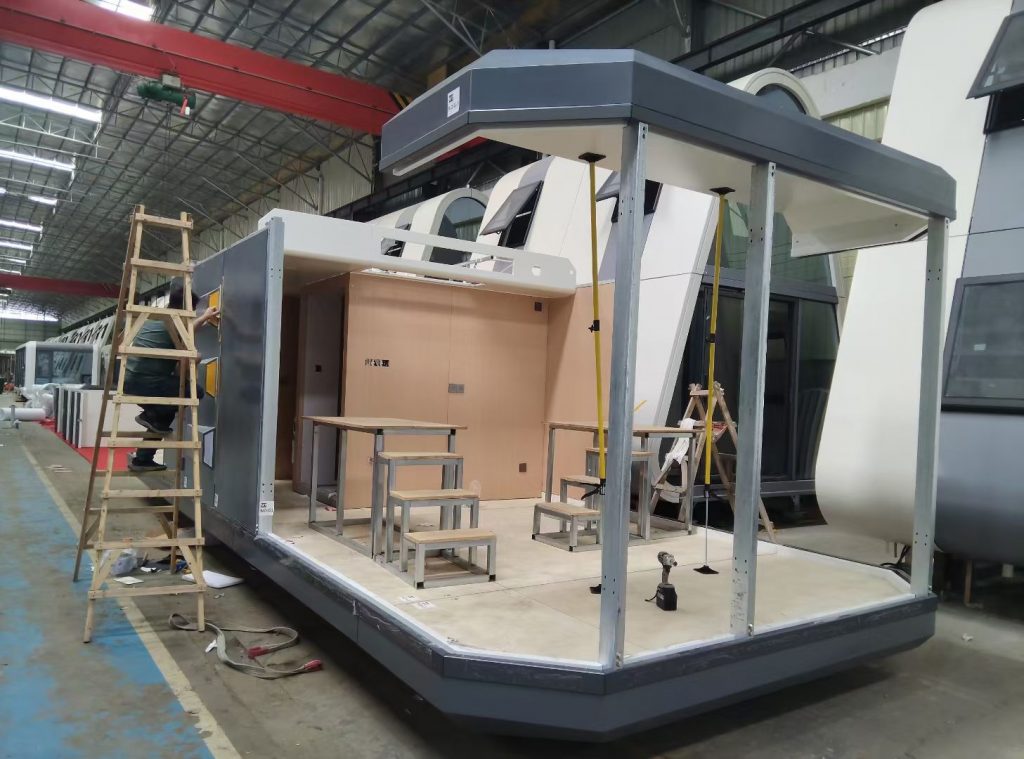
- Modules: Pre-fabricated sections containing walls, flooring, and roofing
- Structural Frame: Steel or wood frame providing strength and stability
- Interior Units: Bathroom, kitchen, and living areas pre-installed
- Exterior Finish: Cladding, paint, or siding options
2.2 Types of Modular Homes
- Single-story modular houses
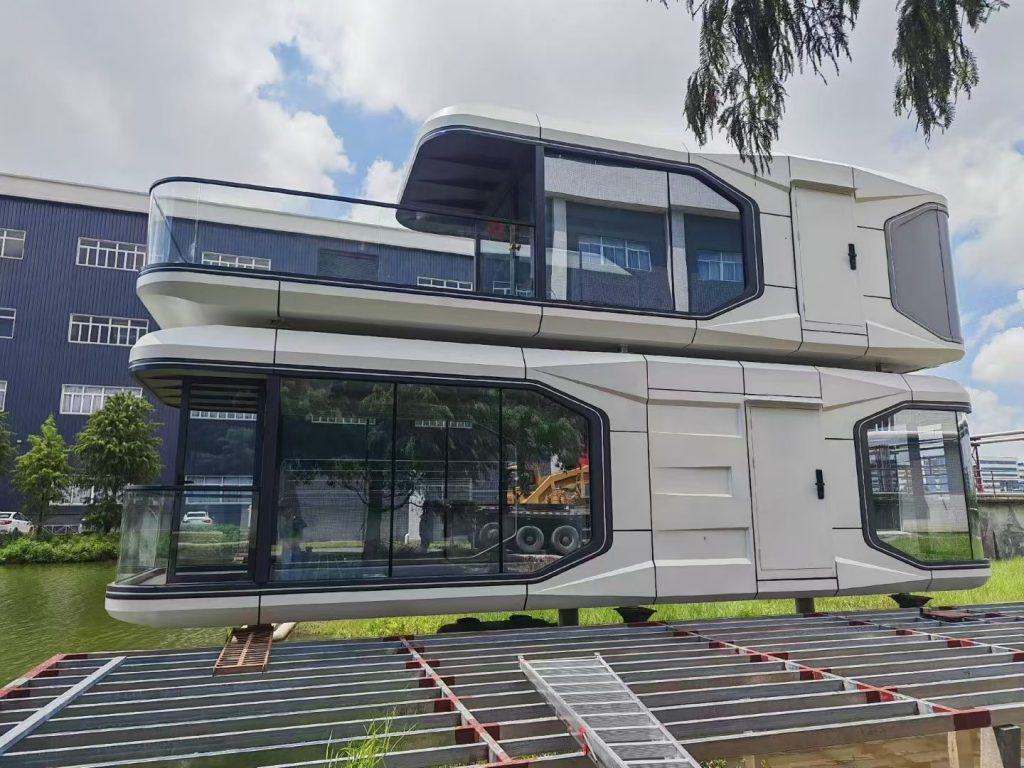
- Multi-story modular homes
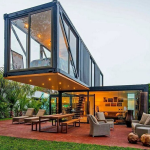
- Container-based modular homes
- Luxury prefabricated villas
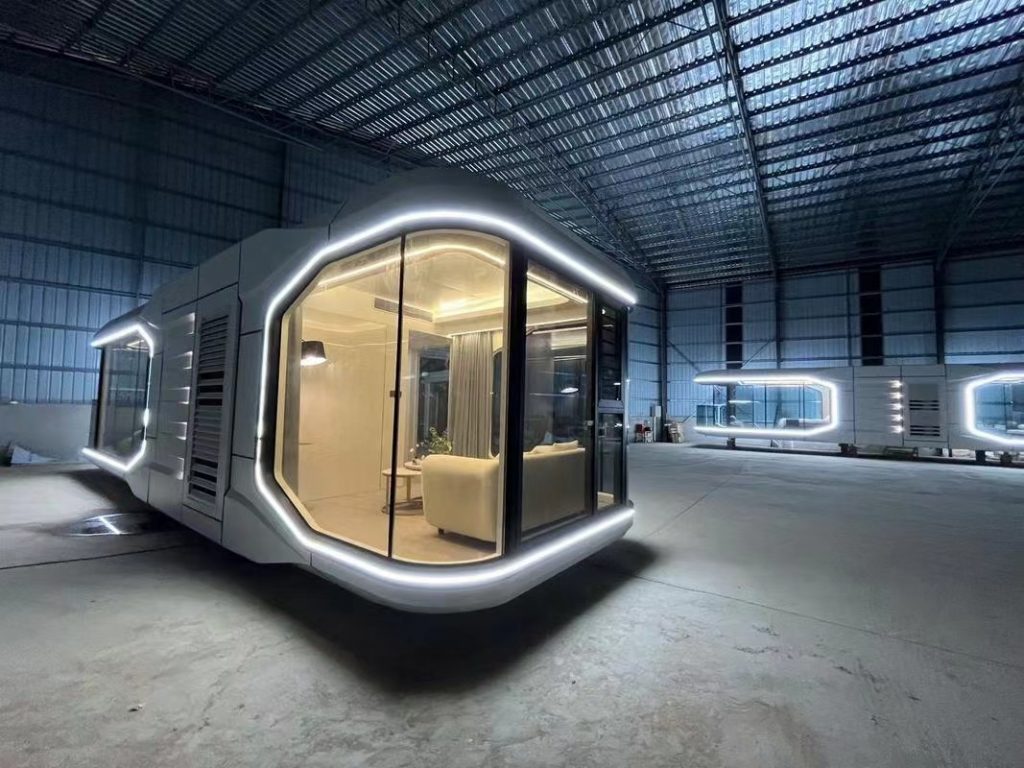
- Eco-friendly & energy-efficient units
3. Advantages of Modular Homes
3.1 Faster Construction
- Factory production reduces on-site labor
- Weather-independent assembly
- 30–50% faster than traditional building
3.2 Cost Efficiency
- Bulk material procurement reduces cost
- Less waste compared to conventional construction
- Controlled factory environment improves quality
3.3 Flexibility & Customization
- Floor plan adjustments
- Exterior and interior design options
- Expansion modules can be added later
3.4 Sustainability
- Energy-efficient materials
- Recyclable components
- Reduced carbon footprint
3.5 Safety & Quality Control
- Built to international building standards
- ISO-certified manufacturing facilities
- Factory inspections at every stage
4. Materials Used in Modular Homes
4.1 Structural Materials
- Steel frames: High durability and long lifespan
- Wood frames: Traditional aesthetic, lightweight
- Reinforced concrete panels for certain applications
4.2 Exterior Materials
- Aluminum or steel cladding
- Fiber cement boards
- Composite panels
4.3 Interior Finishes
- Laminated flooring or tiles
- Drywall or MDF panels
- Energy-efficient windows and doors
4.4 Insulation & Energy Efficiency
- Polyurethane foam or mineral wool
- Double-glazed windows
- Solar panel integration possible
5. Customization Options
Modular home manufacturers offer full customization:
- Floor plan and number of modules
- Exterior façade and paint
- Interior finishes and cabinetry
- Kitchen and bathroom units
- Energy-efficient solutions: solar, insulation, LED lighting
- Private label or branded modular designs for developers
Custom solutions make modular homes suitable for diverse markets including luxury villas, affordable housing, and commercial projects.
6. Production Process
- Design & Consultation
- Floor plan, module layout, materials selection
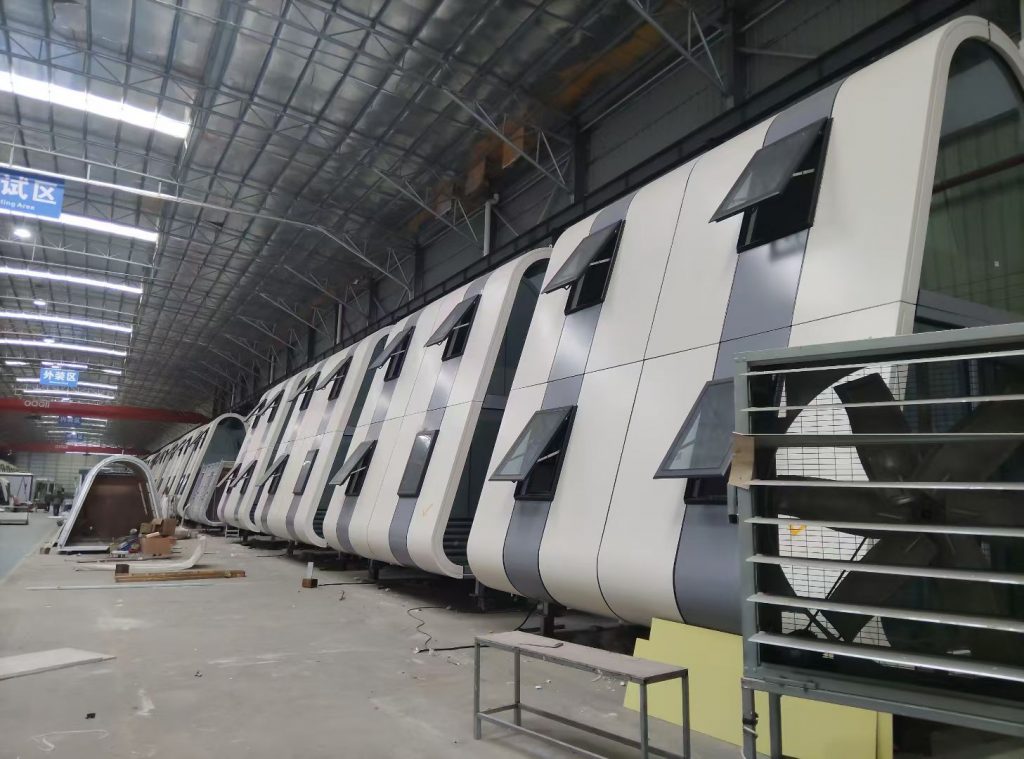
- Factory Production of Modules
- Framing, walls, floors, ceilings
- Interior Fit-Out
- Plumbing, electrical, bathroom, and kitchen units
- Quality Inspection
- ISO-certified checks and testing
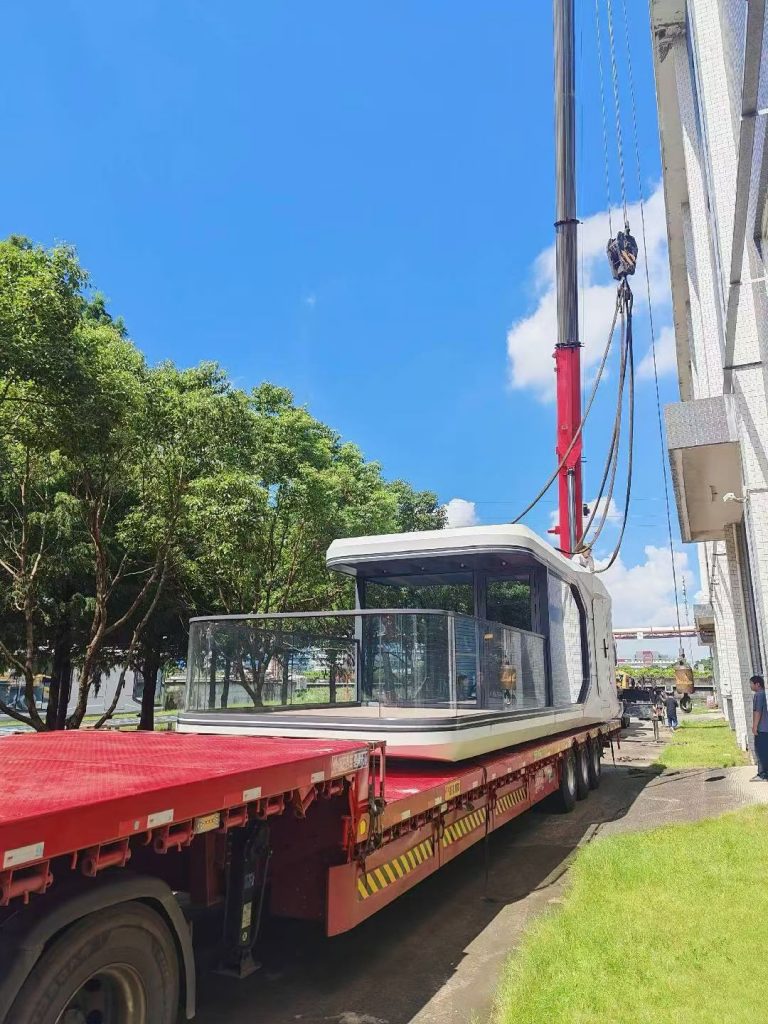
- Transportation & Site Preparation
- Modules shipped to site via truck or shipping container
- Assembly & Installation
- Crane assembly, finishing touches
- Final Inspection & Handover
7. E-E-A-T: Experience, Expertise, Authority & Trustworthiness
Experience
- 10+ years in modular and prefabricated home production
- Global delivery for private and commercial projects
Expertise
- Skilled architects, engineers, and construction specialists
- Advanced CNC cutting and prefabrication technology
- Energy efficiency and sustainable building expertise
Authoritativeness
- ISO-certified production facilities
- Compliance with CE, ASTM, and local building codes
- Featured in international construction expos
Trustworthiness
- Transparent quoting and production timeline
- On-site and remote support
- Warranty on structural components and modules
8. MOQ (Minimum Order Quantity)
- Standard modular units: 1 complete house
- Multi-unit developments: negotiable depending on project size
- Container-style modular homes: 1–5 units
MOQ can vary based on size, complexity, and customization level.
9. Production Lead Time
- Standard single-story modular home: 30–45 days
- Multi-story or luxury villa: 60–90 days
- Large-scale residential development: 3–6 months
Rush orders may be accommodated for repeat clients or stock modules.
10. Stock Availability
- Pre-fabricated standard modules may be available for immediate delivery
- Fully custom homes require production lead time
- Stock modules are ideal for emergency housing, temporary offices, or rapid deployment projects
11. Cost Factors
- Number of modules and total floor area
- Structural materials (steel, wood, concrete)
- Interior finishes and custom options
- Energy-efficient integration (solar, insulation)
- Transportation and site assembly
Bulk orders or repeat projects typically reduce per-unit cost.
12. Installation & After-Sales Service
- Professional installation teams for assembly and finishing
- On-site training for homeowners or developers
- Maintenance guidance for structural and interior components
- Warranty coverage for materials and modules
Reliable suppliers offer both domestic and international support for turnkey projects.
13. Frequently Asked Questions (FAQ)
Q1: Can you produce fully customized modular homes?
Yes. Floor plans, exterior and interior finishes, energy-efficient solutions, and branding can all be customized according to client needs.
Q2: What is the MOQ?
- Single modular home: 1 unit
- Multi-home developments: negotiable, typically 5–10 units
Q3: What is the delivery lead time?
- Standard single-story: 30–45 days
- Luxury or multi-story units: 60–90 days
- Large developments: 3–6 months
Q4: Do you have stock available?
Yes, standard modules may be in stock for rapid deployment. Fully custom homes require production time.
Q5: Can the homes be designed for energy efficiency?
Yes. Options include solar panels, high-quality insulation, LED lighting, and sustainable building materials.
14. Choosing the Right Modular Home Manufacturer
Consider:
- Years of experience and project portfolio
- Certifications and compliance with local building codes
- Customization flexibility
- MOQ, lead time, and stock availability
- Transportation, assembly, and warranty support
Partnering with a trusted manufacturer ensures high-quality, safe, and durable modular homes delivered on time.
15. Conclusion
Modular homes provide flexible, cost-effective, and sustainable residential solutions. By working with an experienced supplier, developers and homeowners gain:
- High-quality materials and craftsmanship
- Fully customizable designs
- Efficient factory production and fast assembly
- Turnkey support from consultation to final handover
Investing in modular construction ensures faster project completion, energy efficiency, and modern design tailored to your exact needs.


No reply content