
Custom CNC Machining Parts Manufacturer in Dongguan China
China
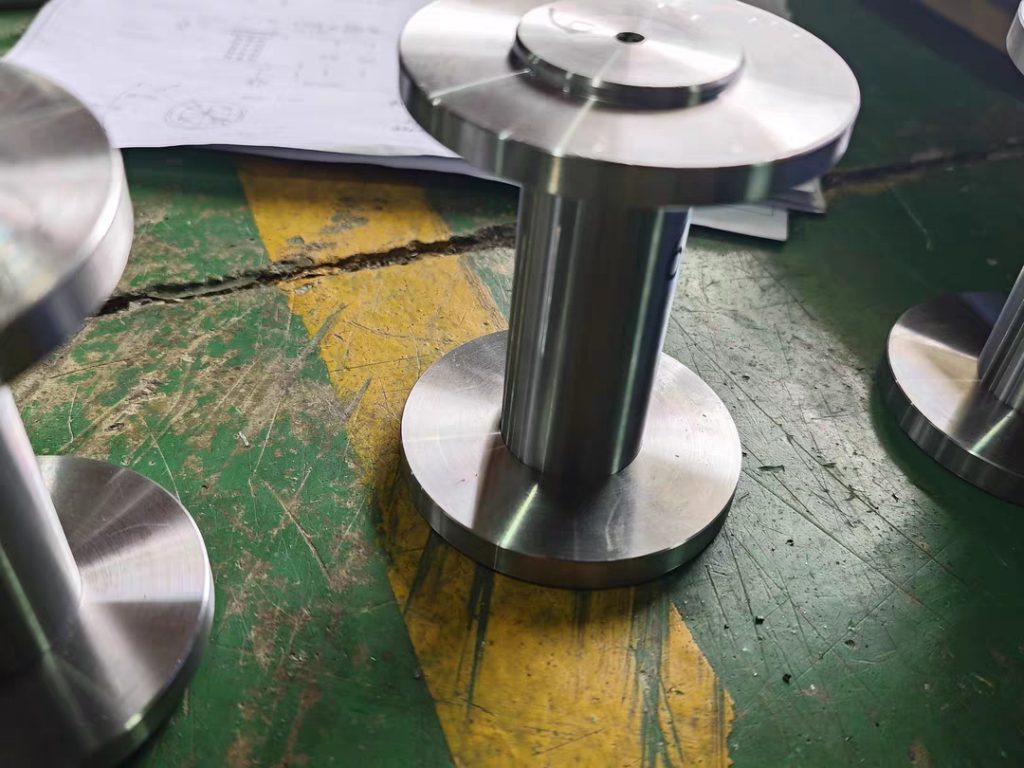
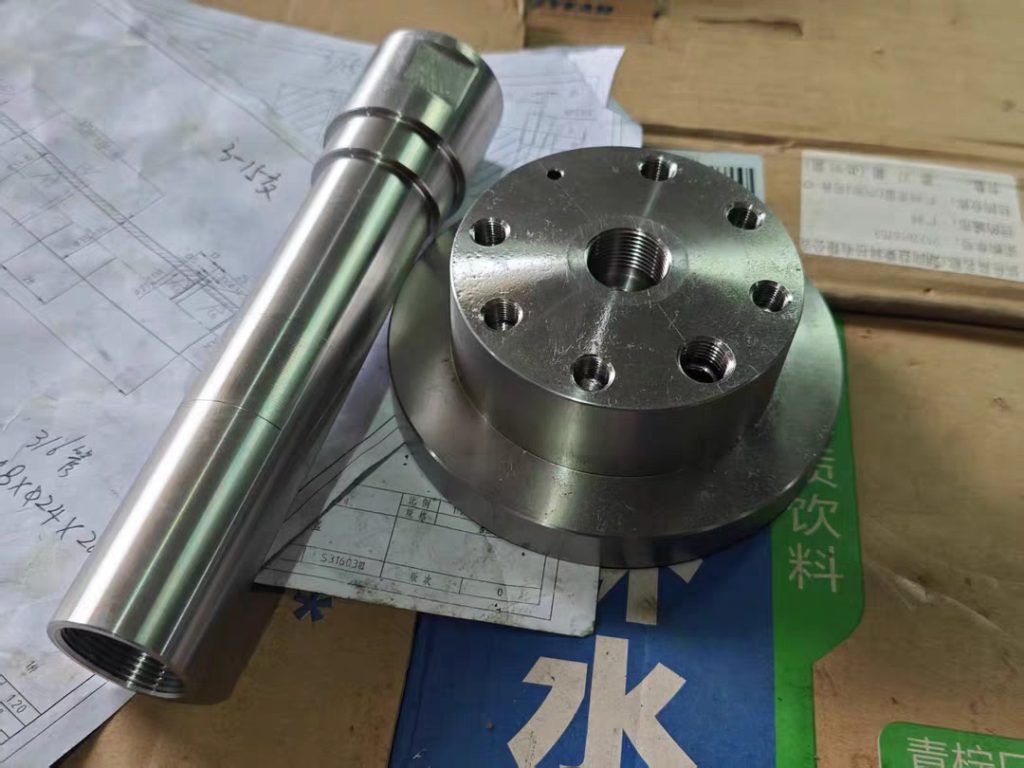
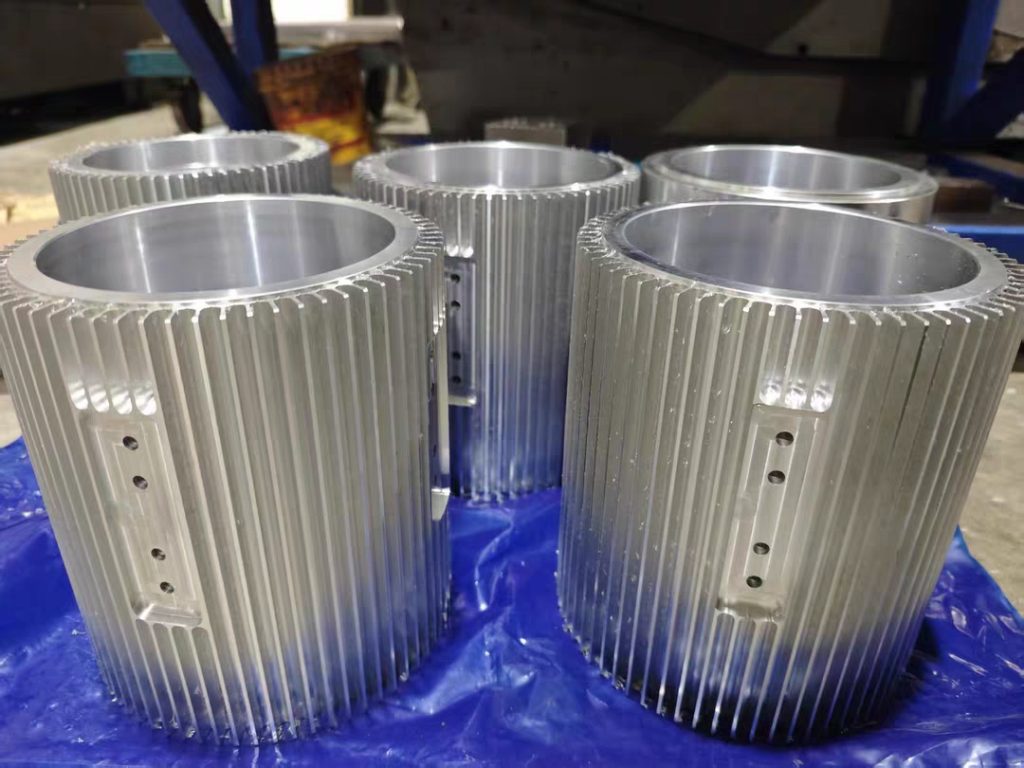
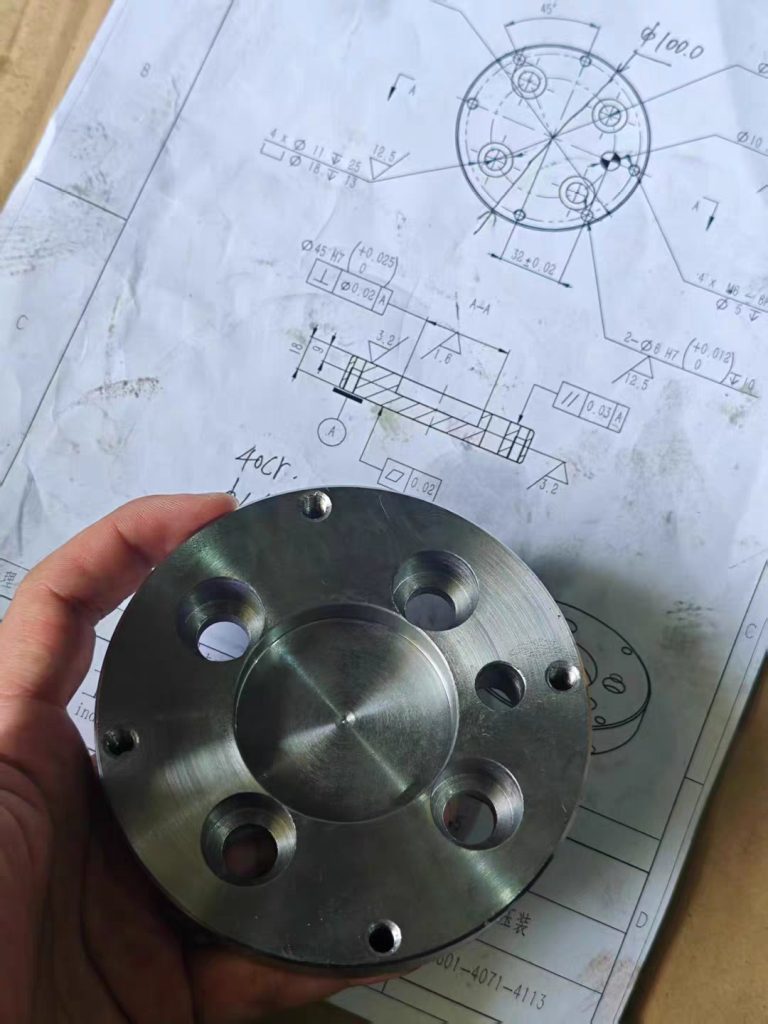
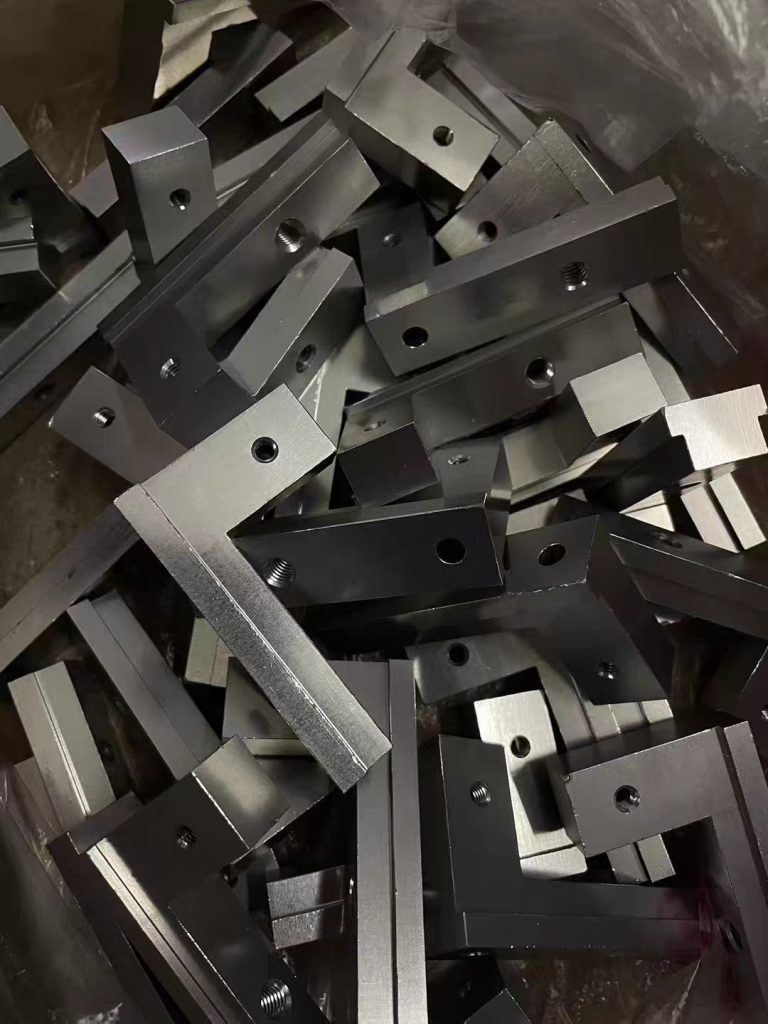
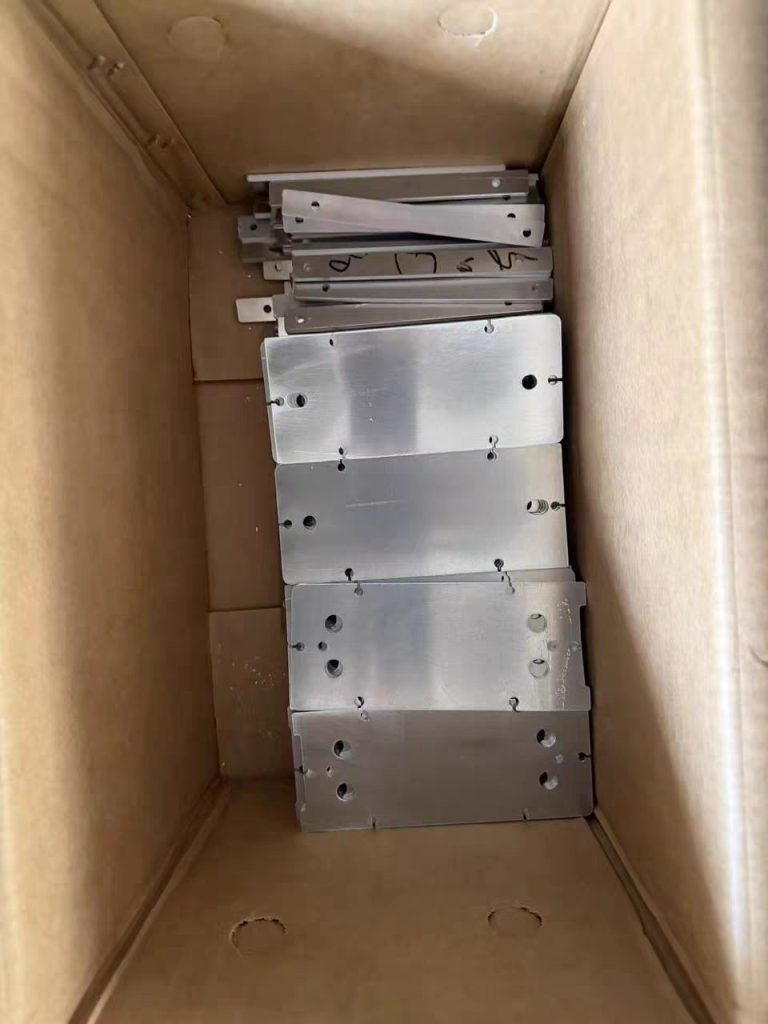
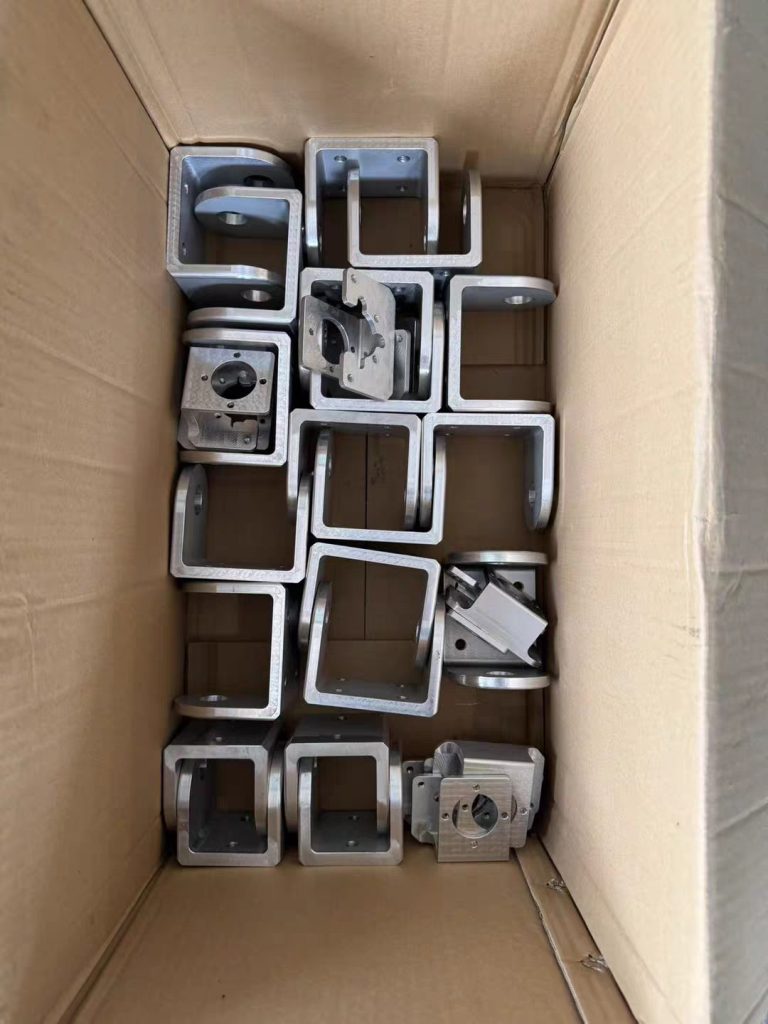
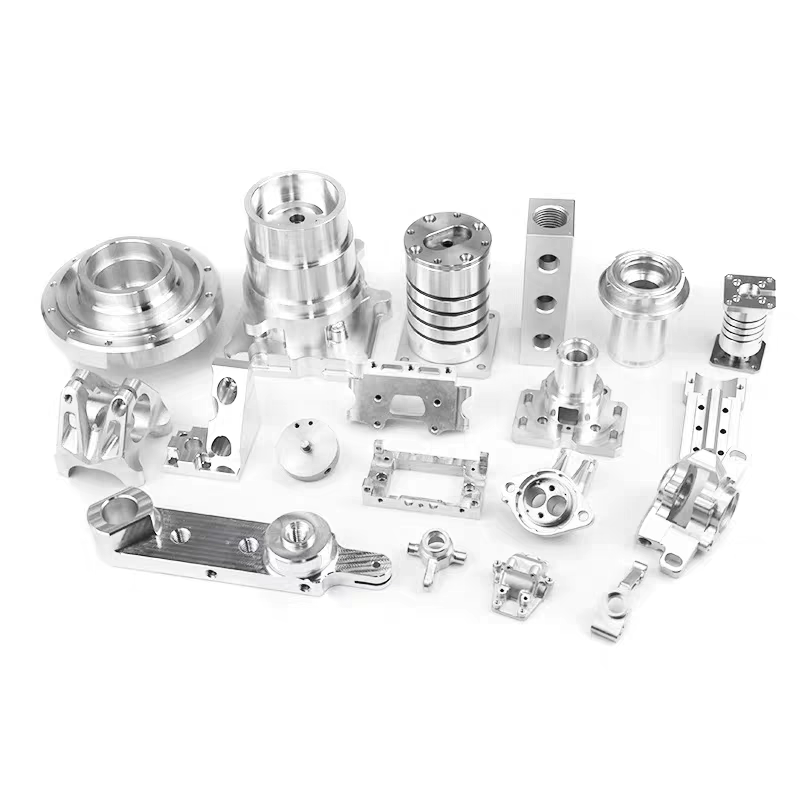
In the high-stakes world of manufacturing, the difference between a successful production run and costly downtime often comes down to a few thousandths of a millimeter. For procurement managers and tooling engineers, sourcing custom precision machined parts for molds and dies is not just about finding a vendor—it’s about finding a partner who understands that failure is not an option.
This article addresses the core challenges buyers face when sourcing critical mold components like inserts, cores, cavities, and ejector pins, and explains how the synergy of CNC machining and EDM (Electrical Discharge Machining) delivers the accuracy and repeatability your operation demands.
The Challenge: Beyond Standard Machining
Standard machining often falls short when dealing with the complex geometries and exotic materials common in modern mold making. You need a supplier who can solve these specific problems:
Common Buyer Pain Point |
Our Technical Solution |
|---|---|
Complex Internal Geometries (e.g., deep ribs, internal corners) |
EDM (Wire & Sinker): Achieves sharp internal corners and intricate details impossible for a rotating cutting tool. |
Extreme Hardness (e.g., H13, SKD61 post-heat treatment) |
Hard Milling & EDM: Machining hardened materials (up to HRC 52+) without annealing, preserving material integrity. |
Micro-Tolerances (e.g., ±0.002mm for high-precision fitting) |
5-Axis CNC & High-Precision EDM: Multi-axis control ensures dimensional accuracy across complex surfaces. |
Surface Finish Requirements (e.g., SPI A1/A2 standards) |
Super-Finishing EDM & Polishing: Controlled spark erosion minimizes recast layer and achieves mirror-like finishes. |
Why Combine CNC & EDM?
The most effective mold component manufacturers do not treat CNC and EDM as separate processes but as a single, integrated workflow. Here’s why this matters for your project:
-
Material Versatility: While CNC excels at removing large amounts of material quickly from aluminum, steel, or titanium, EDM takes over where hardness or geometry defeats mechanical cutting.
-
Design Freedom: Need a square pocket with a perfect 90-degree corner? Only EDM can deliver that. Need a complex cooling channel within a mold core? 5-axis CNC creates the access, while EDM finishes the internal features.
-
Reduced Stress: EDM is a non-contact process. Unlike milling, it does not exert lateral forces on the workpiece, preventing micro-fractures in delicate mold components.
What to Look for in a Precision Machining Partner
When evaluating suppliers for your next mold base or die set component, look beyond the price per piece. Ask these critical questions:
-
Do they have in-house EDM capabilities? Outsourcing EDM adds lead time and risks quality inconsistencies.
-
What is their inspection protocol? Do they use CMM (Coordinate Measuring Machines) and provide full inspection reports with every shipment?
-
Can they handle your specific material? Expertise in machining hardened tool steels (like P20, H13, S136) is non-negotiable for mold components.
-
What is their tolerance capability? Ensure they can consistently hold the tolerances required for your application (e.g., ±0.005mm for guide pillar holes).


No reply content