
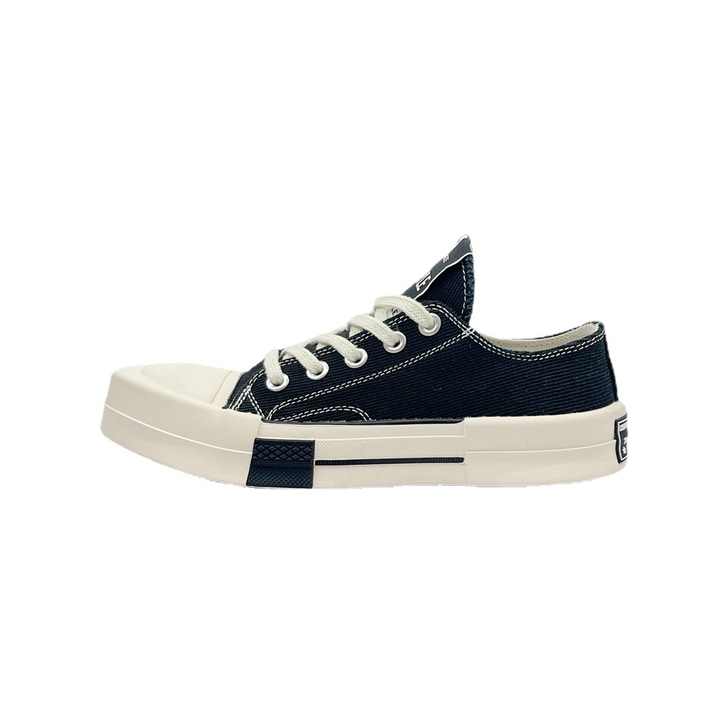

👟 Professional Footwear Production for Modern Markets
Shoes are an essential product in global fashion, sports, and daily wear industries. Retail brands, distributors, and online sellers depend on reliable shoe manufacturers to produce high-quality footwear that combines durability, comfort, and modern design.👟 Comfortable everyday wear
🏭 Large-scale manufacturing capability
🎨 Custom design and branding options
📦 Suitable for retail and wholesale distribution
🌍 Ideal for international footwear marketsHigh-quality shoe manufacturing helps businesses deliver reliable products while building strong brand identity in competitive markets.
👟 What Are Shoes in the Footwear Industry?
Shoes are protective and functional footwear designed to support the feet during daily activities, sports, and work environments. They are produced using different materials and construction techniques to match specific usage needs.
Key features of modern footwear include:
👟 comfortable foot support
🧵 durable material construction
🦶 ergonomic design
🎨 stylish appearance
Shoes are widely used in fashion, sports, outdoor activities, and professional environments.
🏭 Common Types of Shoes for Wholesale Markets
The footwear industry offers many different types of shoes designed for specific activities and consumer preferences.
👟 Casual Shoes
Casual shoes are designed for daily comfort and everyday activities.
Typical characteristics include:
🦶 lightweight design
👟 flexible materials
🎨 fashionable appearance
They are popular in retail fashion markets and online footwear stores.
🏃 Sports Shoes
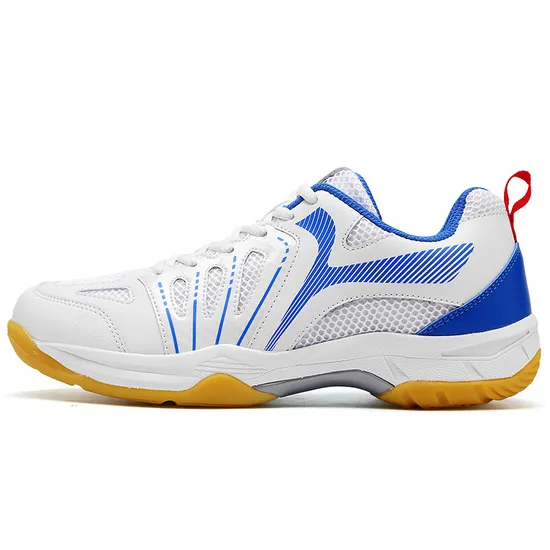
Sports shoes are designed to support physical activity and athletic performance.
Important features include:
⚡ shock-absorbing soles
🦶 strong foot support
🏃 breathable upper materials
These shoes are widely used for running, training, and fitness activities.
🥾 Outdoor Shoes
Outdoor shoes are built for durability and protection in challenging environments.
Common features include:
🥾 durable outsole grip
🌧️ weather-resistant materials
🦶 strong ankle support
They are used for hiking, travel, and outdoor work.
🧑💼 Formal Shoes
Formal shoes are designed for professional and business environments.
Key features include:
👞 elegant design
🧵 refined material finishing
✨ polished appearance
They are commonly used in office environments, ceremonies, and professional settings.
🧵 Materials Used in Shoe Manufacturing
Modern shoe production uses a variety of materials to achieve comfort, durability, and design flexibility.
Common materials include:
🧵 synthetic fabrics
🧴 flexible rubber soles
🪶 lightweight foam cushioning
🧶 breathable mesh materials
The selection of materials influences comfort, durability, and overall product performance.
🏭 Shoe Production Process
The manufacturing process for shoes involves several stages that ensure quality and consistency.
Typical production steps include:
📐 footwear design and pattern creation
✂️ material cutting and preparation
🧵 stitching and upper assembly
👟 sole attachment and finishing
🔍 quality inspection and packaging
Professional production processes help ensure consistent product quality across large orders.
🌍 Global Demand for Wholesale Footwear
Shoes are among the most widely traded consumer products in international markets.
Typical wholesale buyers include:
🛍️ retail shoe stores
🏬 fashion distributors
🌐 e-commerce sellers
🏪 brand owners and private label businesses
Bulk footwear supply allows companies to expand product lines and meet large consumer demand.
📊 Important Factors When Choosing Shoe Suppliers
Businesses sourcing footwear often evaluate several important factors before placing orders.
Key considerations include:
🏭 stable production capacity
👟 consistent product quality
🎨 customization capability
📦 reliable order fulfillment
Choosing the right supplier helps businesses maintain product reliability and customer satisfaction.
📈 Benefits of Custom Shoe Manufacturing
Custom shoe production allows businesses to develop unique products that match their market strategy.
Advantages include:
🎨 unique product designs
🏷️ private label branding
📦 flexible product collections
🌍 stronger brand positioning
Customized footwear helps brands stand out in competitive retail markets.
📩 Shoe Supply for Retail and Distribution
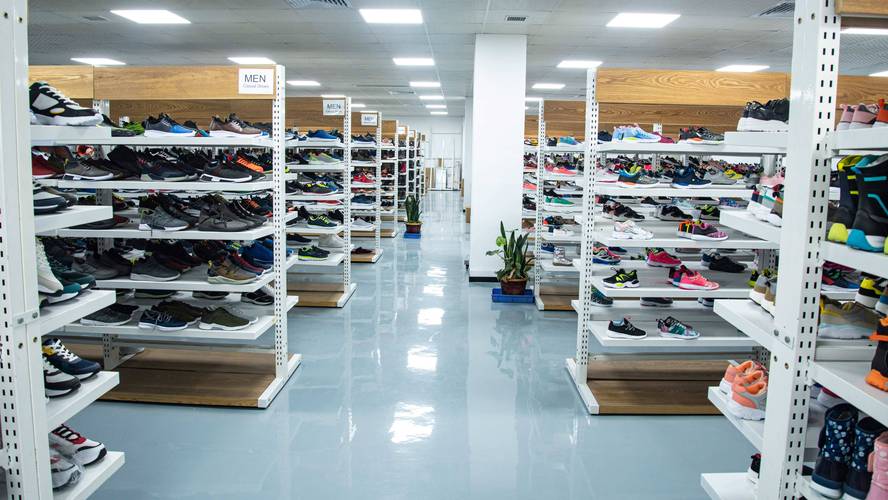
Wholesale shoe production supports global footwear distribution across multiple sales channels.
These include:
🛍️ physical retail stores
🌐 online marketplaces
🏬 wholesale distributors
🏪 fashion brand collections
Reliable supply chains help businesses maintain stable inventory and respond to market demand.
❓ FAQ – Shoe Manufacturing and Wholesale
1. What industries commonly purchase shoes in bulk?
Retail stores, fashion brands, e-commerce sellers, and distributors often purchase shoes in large quantities.
2. Can shoes be customized for private label brands?
Yes. Shoes can be customized with unique designs, materials, logos, and packaging to match brand requirements.
3. What materials are commonly used in shoes?
Shoes are typically made using fabrics, rubber soles, foam cushioning, and breathable synthetic materials.
4. Why is quality control important in shoe production?
Quality control ensures that every pair of shoes meets durability, comfort, and design standards.
5. What factors influence shoe comfort?
Comfort depends on cushioning materials, ergonomic design, sole flexibility, and breathable upper construction.
6. Are wholesale shoes suitable for global distribution?
Yes. Shoes are widely exported and distributed worldwide through retail stores, online platforms, and wholesale markets.


No reply content