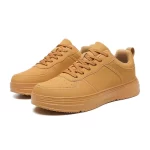
China Jinjiang shoe manufacturer in

Launching a private-label shoe brand has become more accessible than ever. Whether you are an online retailer, Amazon seller, fashion startup, wholesaler, or established footwear company, partnering with an experienced custom shoe manufacturer in China can help transform your ideas into high-quality products. China remains one of the world’s leading footwear manufacturing hubs, offering advanced production capabilities, competitive pricing, and a complete supply chain for OEM and ODM services.
This guide explains every stage of custom shoe manufacturing, from the initial design concept to final production and international shipping.
Why Choose Custom Shoe Manufacturing?
Custom shoes allow businesses to create unique products that stand out in competitive markets. Instead of selling generic footwear, private-label brands can build customer loyalty with exclusive designs and branding.
Key benefits include:
-
Build your own footwear brand
-
Create exclusive product designs
-
Improve profit margins
-
Control product quality
-
Customize materials, colors, and packaging
-
Differentiate your products from competitors
-
Increase brand recognition
Step 1: Define Your Product Concept
Before contacting a manufacturer, determine the type of footwear you want to produce.
Common categories include:
-
Running shoes
-
Sports shoes
-
Casual sneakers
-
Walking shoes
-
Hiking boots
-
Leather shoes
-
Women’s fashion shoes
-
Children’s shoes
-
Safety shoes
-
Slippers and sandals
Consider your target customers, selling price, preferred materials, and product positioning.
Step 2: Prepare Your Design
Professional shoe manufacturers can develop products based on:
-
Technical drawings
-
CAD files
-
Reference photos
-
Existing shoe samples
-
Hand sketches
-
Brand design specifications
The more detailed your design, the more accurately the factory can produce your shoes.
Important design elements include:
-
Upper material
-
Outsole design
-
Midsole construction
-
Shoe shape
-
Logo placement
-
Color combinations
-
Lace style
-
Insole material
-
Packaging design
Step 3: Choose Materials
Material selection directly affects product quality, comfort, durability, and price.
Popular upper materials include:
-
Genuine leather
-
Synthetic leather
-
Mesh fabric
-
Knit fabric
-
Canvas
-
Microfiber
-
Suede
Common outsole materials:
-
Rubber
-
EVA
-
TPU
-
PVC
-
TPR
-
PU
Additional options:
-
Memory foam insoles
-
Waterproof membranes
-
Breathable lining
-
Anti-slip outsoles
-
Recycled materials
Your manufacturer can recommend the most suitable materials based on your budget and market.
Step 4: Develop Samples
Sample development is one of the most important stages of the project.
Typical sample process:
-
Review design files
-
Confirm materials
-
Produce prototype
-
Test fit and comfort
-
Revise if necessary
-
Final sample approval
Sample production usually takes 7–15 days, depending on design complexity.
Never skip the sampling stage before mass production.
Step 5: Confirm MOQ
Minimum Order Quantity (MOQ) depends on several factors.
Typical requirements:
-
Existing styles: 100–300 pairs
-
Customized colors: 300–500 pairs
-
Private label shoes: 500–1,000 pairs
-
New outsole molds: 1,000+ pairs
Some manufacturers offer flexible MOQs for new brands.
Step 6: Branding and Customization
A professional shoe manufacturer can customize almost every detail of your product.
Available branding options:
-
Printed logo
-
Embossed logo
-
Rubber logo patch
-
Woven labels
-
Custom shoebox
-
Hang tags
-
Tissue paper
-
Packaging stickers
-
Barcode labels
-
User manuals
These details help create a professional brand image.
Step 7: Quality Control
Reliable factories implement strict quality inspection throughout production.
Inspection stages include:
-
Raw material inspection
-
Cutting inspection
-
Stitching inspection
-
Assembly inspection
-
Finished product inspection
-
Packaging inspection
-
Pre-shipment inspection
This helps reduce defects and ensures product consistency.
Step 8: Mass Production
After sample approval, production begins.
Typical production timeline:
-
Material preparation: 5–10 days
-
Manufacturing: 20–40 days
-
Inspection: 2–5 days
-
Packaging: 2–5 days
Actual lead times depend on order quantity and production schedule.
Step 9: Packaging
Custom packaging improves customer experience and brand value.
Packaging options include:
-
Custom shoe boxes
-
Color printing
-
Gift boxes
-
Dust bags
-
Tissue paper
-
Care cards
-
Barcode labels
-
Shipping cartons
Good packaging also protects shoes during international transportation.
Step 10: International Shipping
Chinese manufacturers usually support multiple shipping methods.
Common options include:
-
Sea freight
-
Air freight
-
Railway freight
-
Express courier (DHL, UPS, FedEx)
Shipping depends on:
-
Destination country
-
Delivery time
-
Budget
-
Cargo volume
Many factories also work with freight forwarders to provide door-to-door shipping services.
How to Choose the Right Shoe Manufacturer
When evaluating suppliers, consider:
-
Years of manufacturing experience
-
Production capacity
-
OEM/ODM capability
-
Quality management system
-
Export experience
-
Customer reviews
-
Communication efficiency
-
Factory certifications
Request product samples and factory photos before placing a large order.
Common Mistakes to Avoid
Avoid these sourcing mistakes:
-
Choosing suppliers based only on low prices
-
Skipping sample approval
-
Ignoring quality inspections
-
Not confirming material specifications
-
Overlooking packaging details
-
Failing to define delivery schedules
-
Not protecting your design with agreements
Careful planning helps avoid costly production problems.
Advantages of Manufacturing Shoes in China
China continues to be a preferred manufacturing destination because of:
-
Complete footwear supply chain
-
Skilled workforce
-
Competitive production costs
-
Advanced manufacturing technology
-
Fast product development
-
Strong customization capabilities
-
Reliable export infrastructure
-
Flexible production capacity


No reply content