
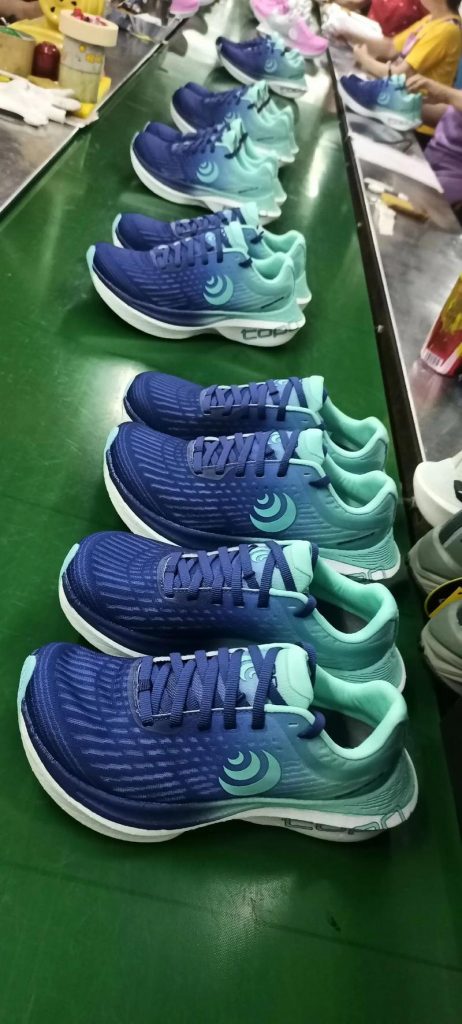


Looking for a reliable custom shoes manufacturer with OEM/ODM capability, competitive factory pricing, and stable global export experience?
This in-depth guide is written for brand owners, wholesalers, Amazon sellers, boutique retailers, sportswear startups, and corporate buyers who are searching for a professional bulk shoe supplier. Based on real manufacturing insights and export experience, this article explains materials, construction methods, customization options, production process, MOQ, lead time, stock availability, and quality control — helping you confidently choose the right long-term footwear manufacturing partner.
Why Custom Shoe Manufacturing Is the Smart Choice for Modern Brands
In today’s competitive fashion and sportswear market, launching a private label shoe line is more accessible than ever — but choosing the right manufacturer determines long-term success.
Whether you are developing:
- Custom athletic sneakers
- Private label casual shoes
- Bulk leather dress shoes
- Custom running shoes with logo
- OEM outdoor hiking boots
- Sustainable eco-friendly footwear
A professional custom shoes manufacturer offers not just production, but engineering expertise, material sourcing support, and scalable capacity.
From years of working with footwear factories and global buyers, one thing is clear:
Quality consistency + reliable delivery + transparent communication = successful long-term cooperation.
This complete guide will help you understand every key factor before placing a bulk order.
1. Types of Shoes You Can Customize
A professional shoe factory typically supports multiple categories.
1.1 Athletic & Sports Shoes
Popular for:
- Running
- Training
- Basketball
- Tennis
- Gym workouts
Features:
- Breathable mesh uppers
- EVA midsoles
- Rubber outsoles
- Cushioning systems
Custom options:
- Logo printing
- Custom color combinations
- Custom outsole pattern
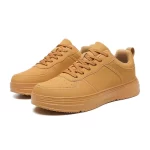
1.2 Casual Sneakers
Highly popular for private label brands.
Options:
- Canvas sneakers
- Knit upper shoes
- PU leather sneakers
- Slip-on casual shoes
Best for:
- E-commerce brands
- Streetwear labels
- Fashion startups
1.3 Leather Dress Shoes
Common materials:
- Full-grain leather
- Top-grain leather
- Split leather
- Vegan leather
Styles:
- Oxford
- Derby
- Loafers
- Monk strap
Ideal for:
- Formal brands
- Corporate uniform suppliers
1.4 Outdoor & Work Shoes
Includes:
- Hiking boots
- Safety shoes
- Steel-toe boots
- Waterproof footwear
Features:
- Anti-slip outsoles
- Waterproof membranes
- Reinforced toe caps
1.5 Sustainable & Eco-Friendly Shoes
Growing global demand.
Materials:
- Recycled knit fabric
- Cork insoles
- Natural rubber soles
- Recycled PET uppers
Eco-friendly production improves brand image and market positioning.
2. Shoe Materials Explained (Professional Insight)
Material selection directly impacts cost, durability, and market positioning.
2.1 Upper Materials
- Mesh (breathable, lightweight)
- Knit (flexible and modern)
- PU leather (cost-effective)
- Genuine leather (premium)
- Microfiber (durable & vegan option)
2.2 Midsole Materials
- EVA (lightweight cushioning)
- PU (durable & flexible)
- Phylon (compressed EVA)
- TPR (shock absorption)
2.3 Outsole Materials
- Rubber (anti-slip, durable)
- TPR (cost-effective)
- MD (lightweight)
- TPU (abrasion-resistant)
Professional manufacturers help balance performance and cost.
3. Shoe Construction Methods
Different shoe constructions influence durability and pricing.
3.1 Cemented Construction
Most common method. Upper glued to sole. Cost-effective for sneakers and casual shoes.
3.2 Injection Molding
Sole injected directly onto upper. Stronger bond, waterproof. Suitable for work shoes.
3.3 Goodyear Welt Construction
High-end leather shoes. Durable and repairable. Premium pricing.
Understanding construction helps brands define positioning.
4. OEM & Private Label Customization Services
Professional factories offer complete customization.
4.1 Logo Customization
- Embossed logo
- Printed logo
- Embroidered logo
- Metal logo plate
- Custom outsole mold logo
4.2 Custom Colorways
Pantone color matching available.
Factories provide:
- Material swatches
- Color confirmation samples
4.3 Custom Packaging
- Shoe boxes
- Dust bags
- Hangtags
- Custom wrapping paper
- Barcode labels
Packaging enhances brand identity.
4.4 Size Range Customization
Standard EU / US sizing. Special sizes available upon request.
5. Shoe Development Process (Step-by-Step)
Professional workflow ensures smooth production.
Step 1: Design Confirmation
Tech pack, drawings, or sample reference.
Step 2: Material Selection
Upper, lining, sole, insole.
Step 3: Sample Development
Usually 7–14 days.
Step 4: Sample Approval
Fit testing and quality inspection.
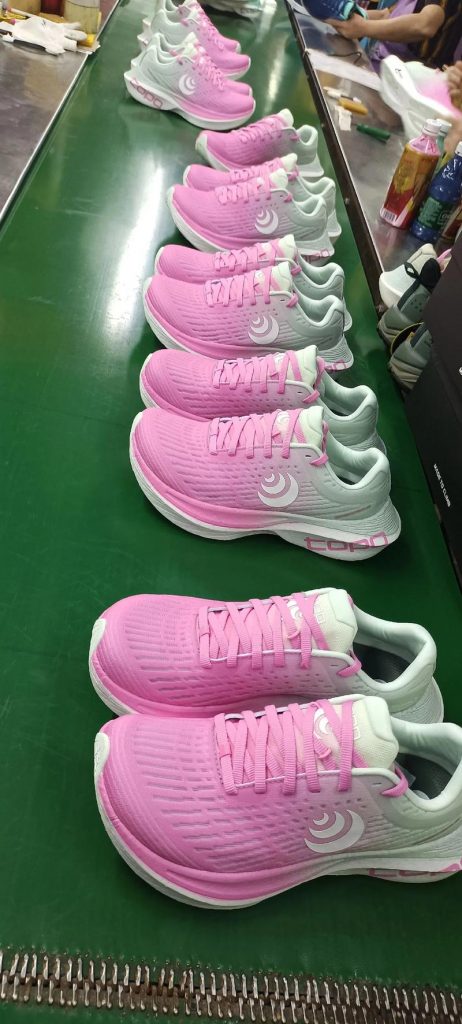
Step 5: Bulk Production
Mass manufacturing begins.
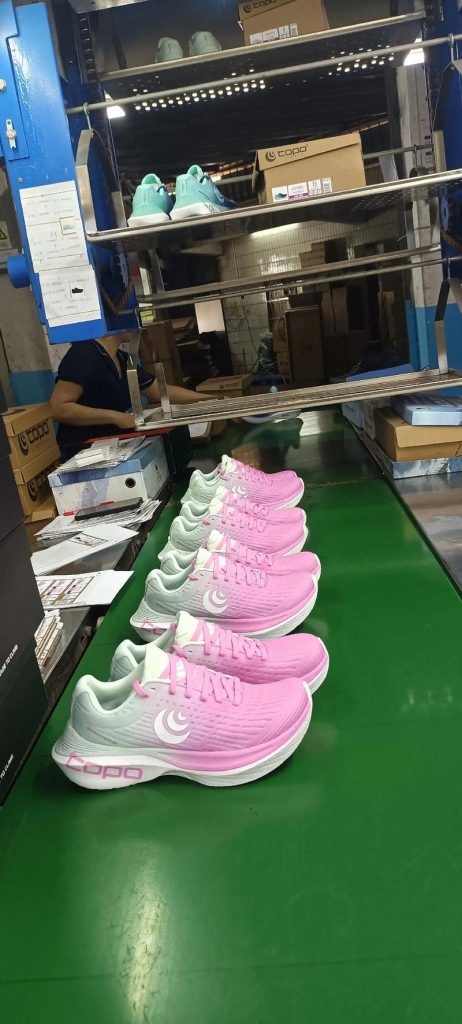
Step 6: Quality Inspection
Pre-shipment inspection.
6. Quality Control & Testing Standards
Professional shoe manufacturers conduct:
- Flex testing
- Adhesion testing
- Color fastness testing
- Size measurement check
- Outsole abrasion testing
Reliable QC ensures long-term brand reputation.
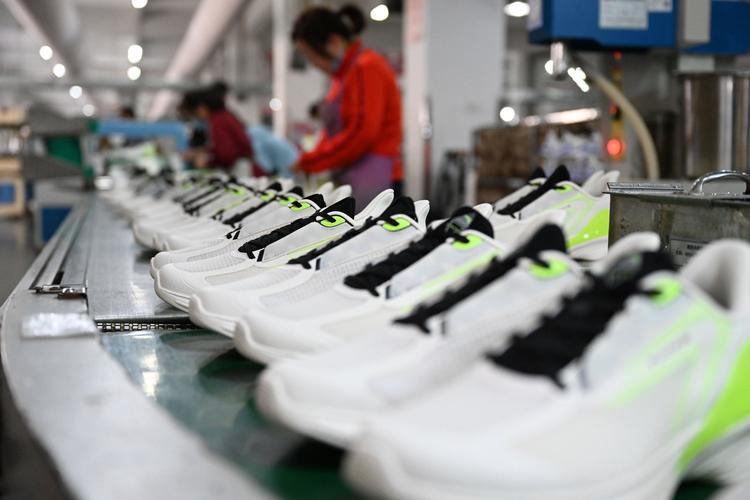
7. Production Capacity & Export Experience
A stable shoe factory typically provides:
- 50,000–200,000 pairs monthly capacity
- Experienced assembly lines
- Skilled stitching workers
- Automated sole pressing machines
Export markets often include:
- North America
- Europe
- Australia
- Middle East
Proper carton packaging prevents deformation.
8. Pricing Factors in Custom Shoe Manufacturing
Price depends on:
- Material type
- Construction method
- Quantity
- Customization level
- Packaging complexity
- Shipping method
Higher quantity reduces per-unit cost.
9. How to Choose a Reliable Custom Shoes Manufacturer
Key evaluation factors:
1. Factory Ownership
Direct manufacturer preferred.
2. Development Capability
In-house sample room.
3. Quality Control System
Clear inspection process.
4. Communication Efficiency
Fast response and transparency.
5. Export Documentation
Complete commercial invoice and packing list.
10. Industry Trends in 2025 Footwear Market
- Sustainable materials
- Lightweight designs
- Minimalist aesthetics
- Direct-to-consumer private labels
- Influencer-driven product launches
Brands focusing on comfort + sustainability gain higher consumer trust.
Frequently Asked Questions (FAQ)
Q1: Can you customize shoes according to our design?
Yes. We provide full OEM and ODM services including custom design, logo printing, color matching, packaging customization, and sole mold development.
Q2: What is your MOQ (Minimum Order Quantity)?
MOQ depends on style and construction:
- Standard sneaker styles: 300–1000 pairs per style
- Complex or custom mold shoes: 1000–3000 pairs
- Leather dress shoes: 300–500 pairs
Flexible MOQ is negotiable for long-term cooperation.
Q3: What is the production lead time?
- Sample time: 7–14 days
- Bulk production: 25–40 days after sample approval
- Peak season may extend timeline
Exact lead time depends on quantity and customization level.
Q4: Do you have stock available?
We may have limited ready-stock basic sneaker styles.
Most custom shoes are produced upon order confirmation.
Q5: Can you help with international shipping?
Yes. We support sea freight, air freight, and express shipping. We provide complete export documentation.
Q6: Do you offer private label packaging?
Yes. Custom shoe boxes, dust bags, labels, and brand inserts are available.
Final Thoughts: Partner with a Professional Custom Shoe Manufacturer
Launching or scaling a footwear brand requires more than just production — it requires engineering support, quality consistency, stable lead times, and transparent communication.
A reliable custom shoes manufacturer becomes your long-term strategic partner, helping you:
- Develop competitive products
- Maintain quality standards
- Optimize costs
- Scale production
- Enter global markets confidently
If you are looking for a bulk custom shoes manufacturer with OEM capability, flexible MOQ, stable production capacity, and export experience, we are ready to support your project.
If you want, I can also provide:
- Cost breakdown example per 1000 pairs
- Sample tech pack template
- Shoe material comparison chart
- 1500-word Amazon product listing version
- Or a factory audit checklist
Let me know your target shoe category and estimated order quantity.


No reply content