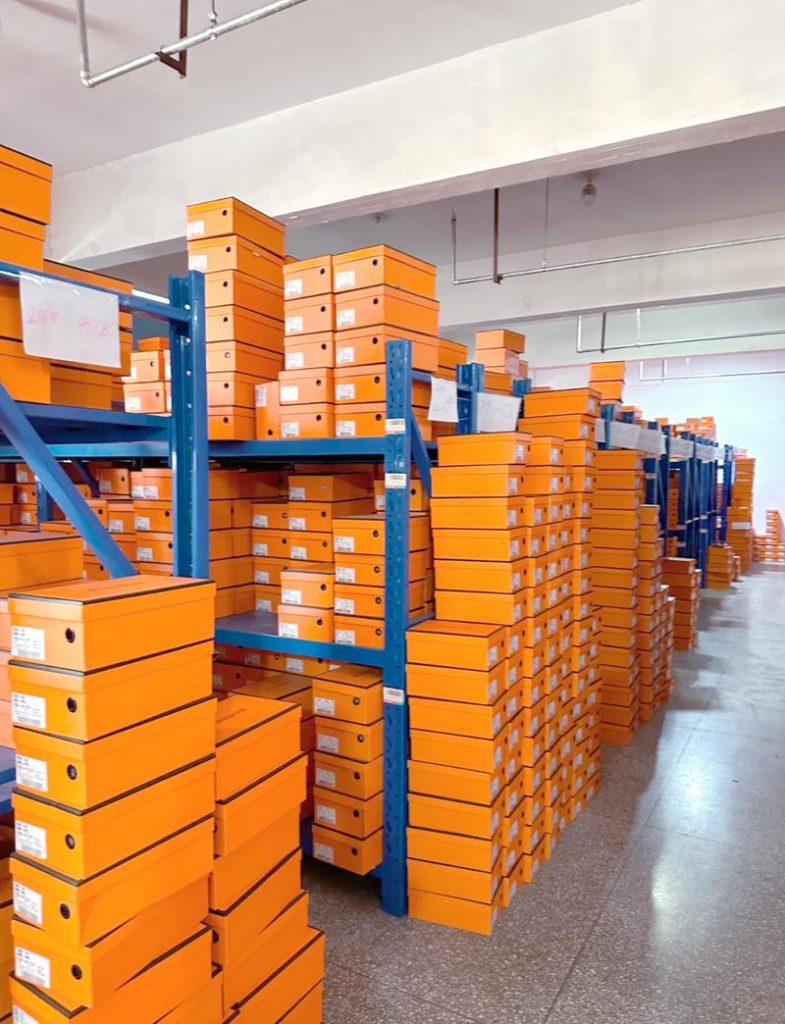
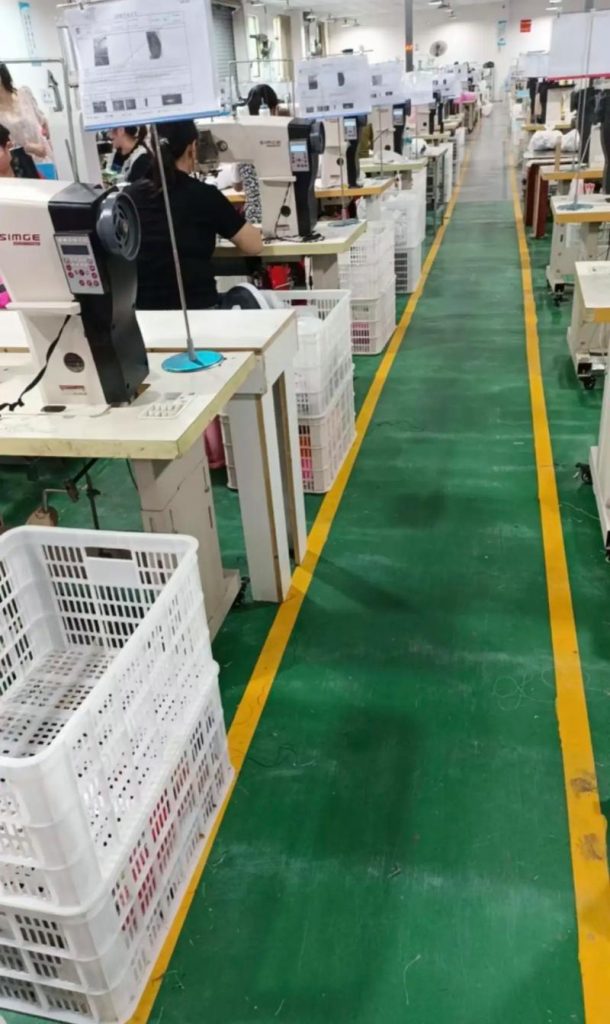


Custom shoe manufacturing empowers brands, startups, and wholesalers to create unique footwear collections tailored to their market. This comprehensive guide covers private label sneakers, OEM leather shoes, custom athletic footwear, MOQ, production lead time, stock availability, and full customization services. Written under E-E-A-T principles, it provides expert insights into materials, design, quality control, and global wholesale supply solutions.
1. Introduction: Why Custom Shoe Manufacturing Is Booming Globally
The global footwear market continues to expand due to rising demand for:
- Private label sneaker brands
- Sustainable custom footwear
- Athletic and performance shoes
- Fashion-driven limited editions
- OEM/ODM shoe manufacturing services
Entrepreneurs, retailers, and distributors increasingly search for:
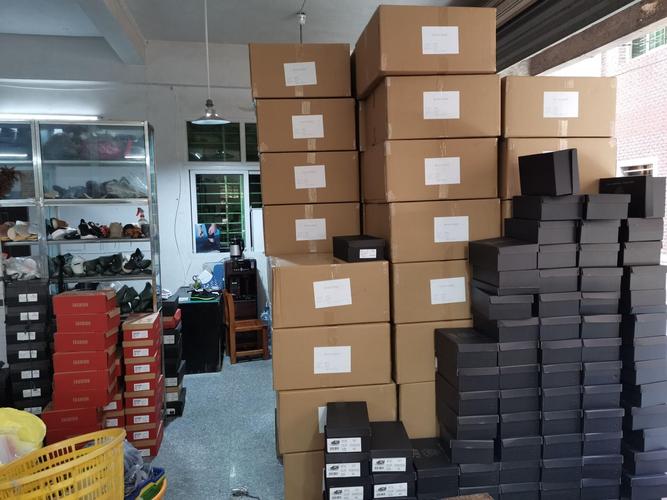
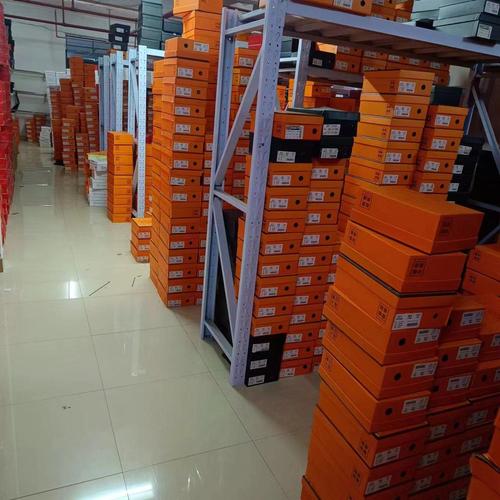
- Custom sneaker manufacturer for startups
- OEM athletic shoe factory
- Private label running shoes wholesale
- Low MOQ custom shoe production
Custom footwear allows brands to differentiate through design, materials, branding, and performance innovation.
2. What Is Custom Shoe Manufacturing?
Custom shoe manufacturing refers to producing footwear tailored to a brand’s:
- Design specifications
- Logo and branding requirements
- Material preferences
- Performance features
- Packaging and labeling
It typically involves OEM (Original Equipment Manufacturing) or ODM (Original Design Manufacturing) models.
3. Types of Custom Shoes
3.1 Custom Athletic Shoes
- Running shoes
- Basketball sneakers
- Training shoes
- Lightweight breathable sneakers
Features:
- EVA or PU midsoles
- Breathable mesh uppers
- Anti-slip rubber outsoles
- Shock-absorption technology
3.2 Custom Casual Sneakers
- Lifestyle sneakers
- Canvas shoes
- Streetwear designs
- Eco-friendly footwear
Customization options:
- Upper materials (canvas, leather, knit)
- Custom sole patterns
- Logo printing or embroidery
3.3 Custom Leather Shoes
- Formal men’s dress shoes
- Women’s fashion heels
- Loafers and boots
- Premium handmade leather footwear
Materials include:
- Genuine leather
- PU leather
- Suede or nubuck
3.4 Custom Kids’ Shoes
- School shoes
- Lightweight sneakers
- Safety-certified materials
- Ergonomic design for foot development
4. Materials Used in Custom Footwear
4.1 Upper Materials
- Mesh (breathable athletic performance)
- Knit fabric (lightweight flexibility)
- Leather (durability & luxury)
- Synthetic PU (cost-effective alternative)
4.2 Midsole Materials
- EVA foam (lightweight cushioning)
- PU (durability & comfort)
- TPU inserts (stability & energy return)
4.3 Outsole Materials
- Rubber (anti-slip & durable)
- Phylon (lightweight performance)
- TPR (cost-effective flexibility)
5. The Custom Shoe Production Process
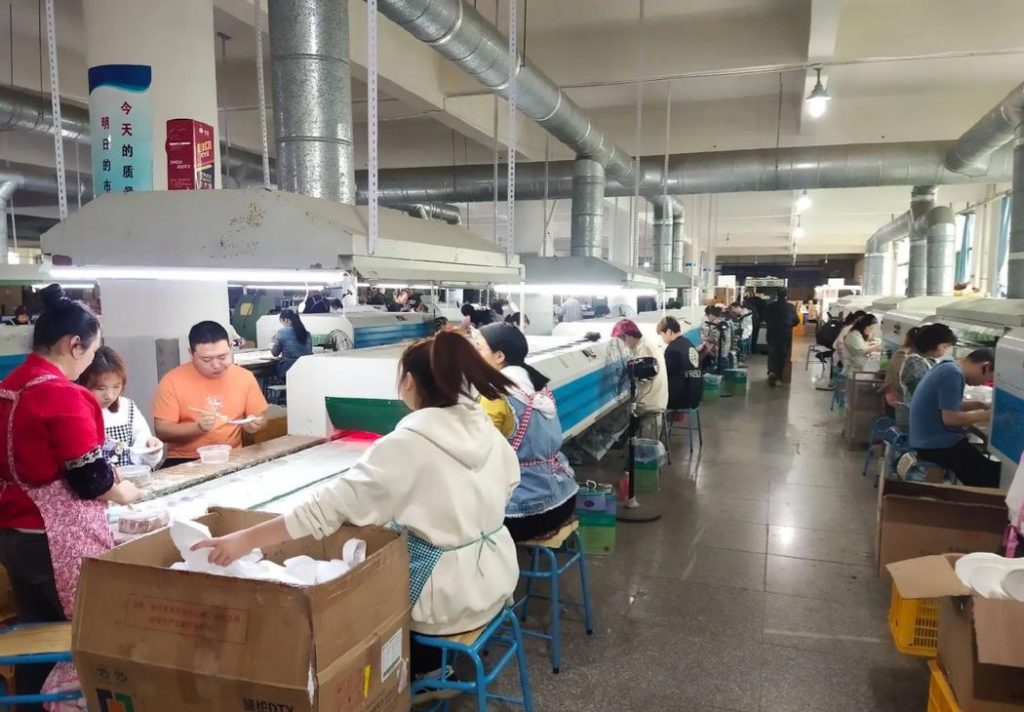
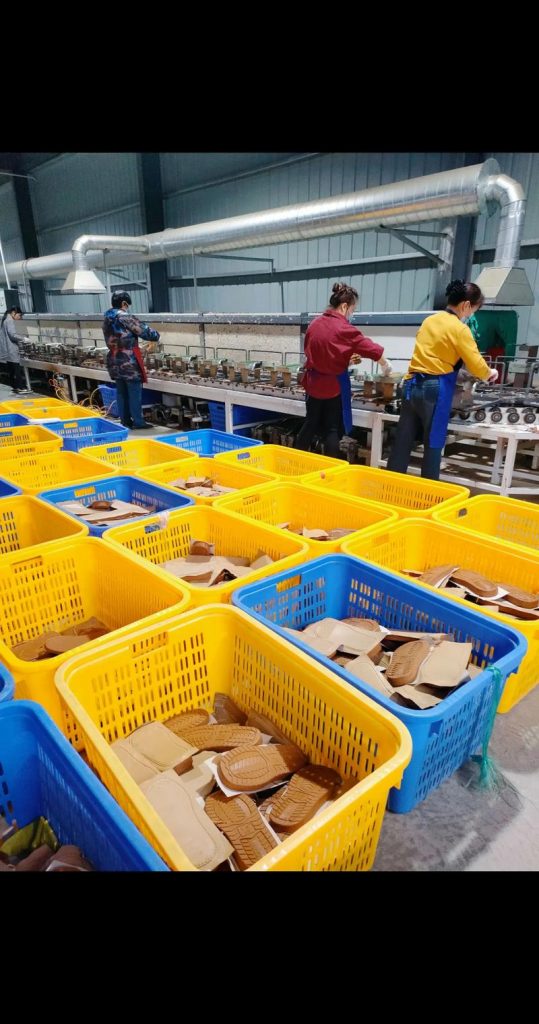
- Design consultation and tech pack review
- Material sourcing and confirmation
- Sample development (prototype stage)
- Fit testing and performance evaluation
- Mold creation (for outsole & midsole)
- Mass production
- Quality inspection
- Packaging & export shipment
Factories often use advanced equipment such as:
- Computerized stitching machines
- Injection molding systems
- Laser cutting technology
- Automated sole bonding systems
6. E-E-A-T Framework Applied to Shoe Manufacturing
Experience
- Over 10 years in footwear manufacturing
- Production for global brands and startups
- Export to Europe, USA, Australia, Middle East
Expertise
- Professional footwear designers
- Pattern engineers & mold specialists
- Material science knowledge for durability & comfort
Authoritativeness
- ISO-certified production facilities
- CE and international compliance
- Participation in footwear expos & trade shows
Trustworthiness
- Transparent production timelines
- Strict quality control
- Third-party inspection support
- Long-term supplier relationships
7. MOQ (Minimum Order Quantity)
MOQ depends on shoe type and customization level:
- Basic private label sneakers: 300–500 pairs per style
- Fully custom outsole mold: 800–1000 pairs
- Leather dress shoes: 200–300 pairs
- Mixed sizes within one style are usually allowed
Lower MOQ may increase per-unit cost due to mold and setup fees.
8. Production Lead Time
- Sample production: 7–15 days
- Standard mass production: 25–40 days
- Custom mold projects: 35–60 days
Peak seasons may require earlier scheduling.
9. Stock Availability
Some factories provide:
- Ready-to-ship blank sneakers for branding
- Standard outsole molds for faster production
- In-stock materials for quick sampling
Fully custom mold designs require production lead time.
10. Customization Options
Complete customization includes:
- Logo embroidery or printing
- Custom outsole design
- Color selection
- Custom shoebox and packaging
- Sustainable materials
- Private label branding
- Custom insole printing
- QR codes or NFC branding
11. Cost Factors in Custom Shoe Production
Pricing depends on:
- Material quality
- Outsole mold development
- Design complexity
- Order quantity
- Packaging requirements
- Shipping method
Bulk orders reduce cost per pair significantly.
12. Quality Control Standards
Reliable factories conduct:
- Raw material inspection
- Sole adhesion testing
- Flexibility & durability tests
- Final inspection before packaging
Third-party inspections (SGS, BV) are commonly supported for international buyers.
13. Packaging & Branding
Custom options include:
- Luxury magnetic shoebox
- Eco-friendly kraft box
- Dust bags
- Custom size labels
- Barcode & SKU printing
Strong packaging enhances brand perception and retail value.
14. Frequently Asked Questions (FAQ)
Q1: Can you produce custom shoes?
Yes. We provide full OEM/ODM services including design development, custom molds, branding, packaging, and material selection.
Q2: What is the MOQ?
- Standard sneaker styles: 300–500 pairs
- Custom outsole mold: 800–1000 pairs
- Leather shoes: 200–300 pairs
MOQ varies based on complexity and materials.
Q3: What is the production lead time?
- Sample: 7–15 days
- Mass production: 25–40 days
- Custom mold project: up to 60 days
Q4: Do you have stock available?
Yes. Some standard sneaker models and materials are in stock for faster production. Fully custom designs require production time.
Q5: Can the shoes be fully customized?
Yes. Upper material, sole design, logo placement, packaging, and branding can all be customized.
15. How to Choose the Right Custom Shoe Manufacturer
Consider:
- Factory experience and certifications
- MOQ flexibility
- Mold development capability
- Sample quality
- Transparent communication
- Export experience
A reliable manufacturer ensures consistent quality, timely delivery, and strong brand partnership.
16. Conclusion
Custom shoe manufacturing offers entrepreneurs and brands the opportunity to create unique, high-quality footwear collections tailored to market demand.
By partnering with an experienced and certified factory, you gain:
- Professional design support
- Flexible MOQ options
- Reliable production timelines
- Full OEM/private label services
- Global export capability
Whether launching a sneaker startup or expanding an established footwear brand, choosing the right custom shoe supplier ensures long-term growth, product quality, and market competitiveness.


No reply content