
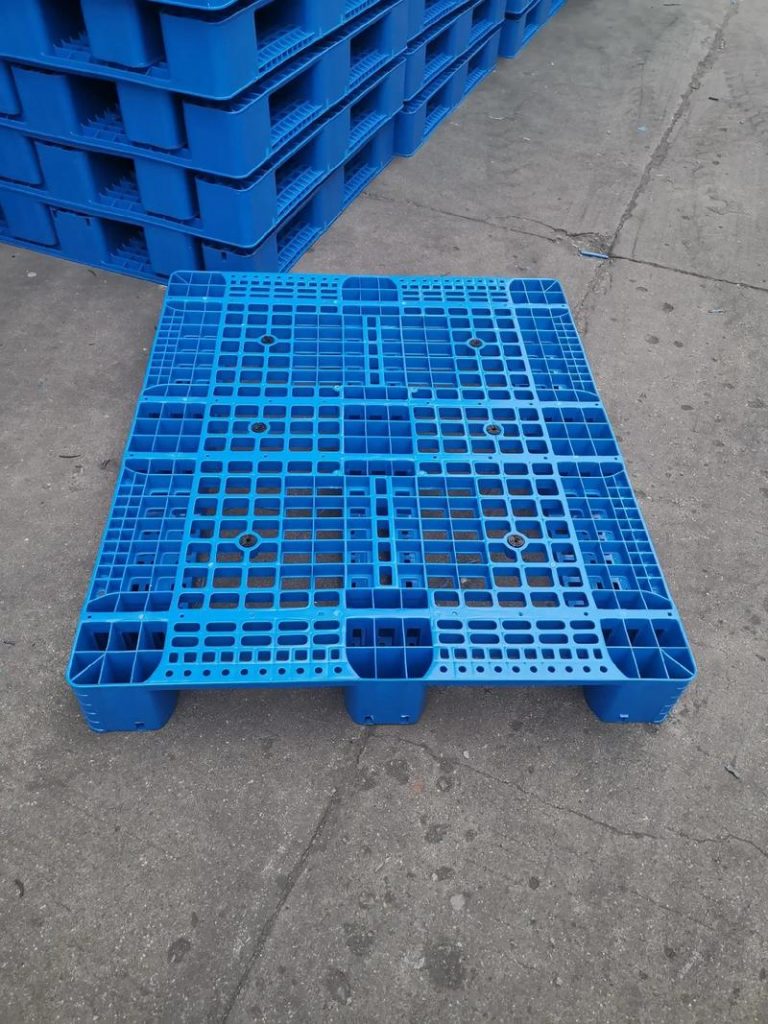
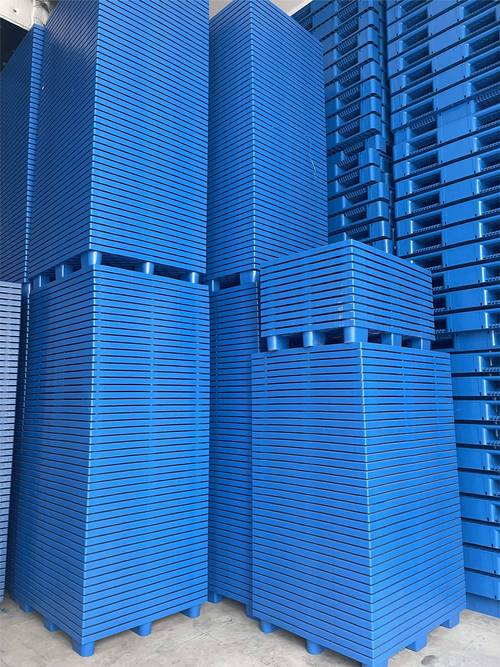
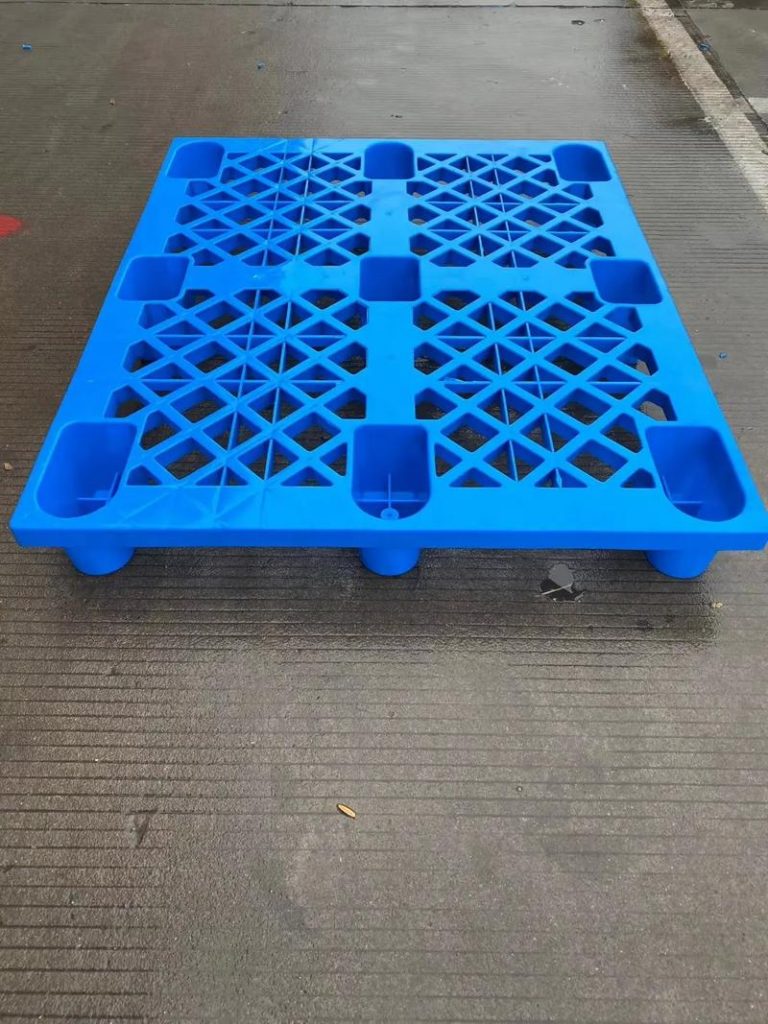
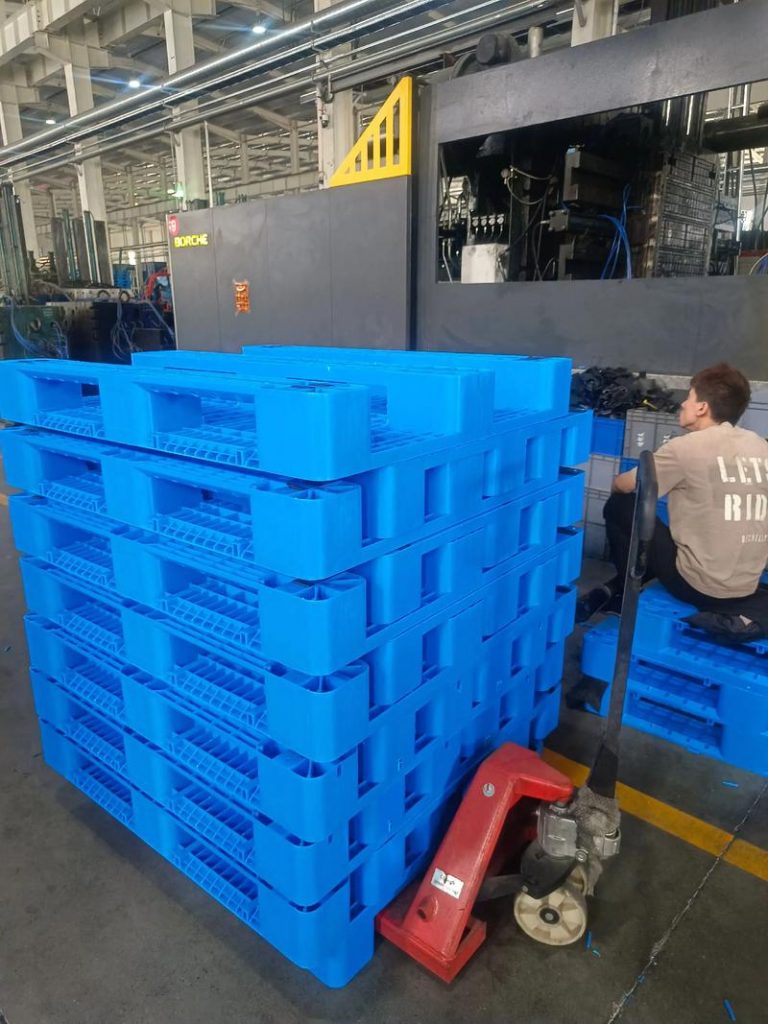
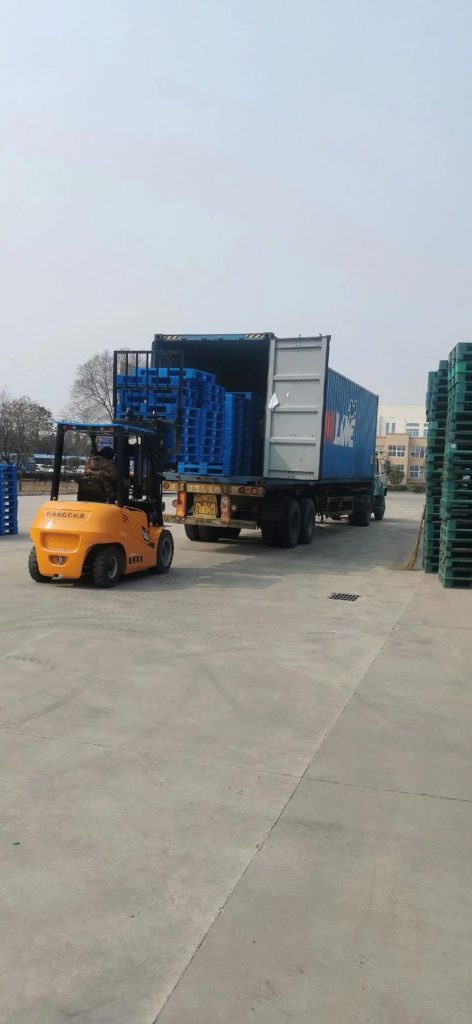
High-Quality Plastic Pallets Tailored for OEM Needs
For OEM buyers, finding custom-size plastic pallets that meet specific requirements is essential for warehouse efficiency, logistics operations, and product safety. Custom pallets can be designed to match unique dimensions, load capacities, branding, and handling equipment, ensuring a perfect fit for your production or distribution process.
Manufacturers specializing in custom plastic pallets provide a wide range of options in terms of material, size, and design to accommodate the needs of various industries, including manufacturing, logistics, construction, and pharmaceuticals.
Why OEM Buyers Choose Custom Plastic Pallets
1. Tailored Dimensions
Every OEM operation has unique storage and transport requirements. Custom pallets can be designed to:
- Fit specific products or packaging
- Optimize container space during shipping
- Match the size of storage racks and shelving systems
Tailored dimensions reduce wasted space, improve handling efficiency, and minimize product damage.
2. Adjustable Load Capacity
OEM buyers often require pallets that can support heavy or irregular loads. Custom pallets can be engineered for:
- Light-duty use: 500–1000 kg dynamic load
- Medium-duty use: 1000–2000 kg dynamic load
- Heavy-duty use: 2000–4000 kg dynamic load or more
Reinforced structures ensure safety and reliability during transport and storage.
3. Material Options
Plastic pallets are commonly made from:
- HDPE (High-Density Polyethylene) – strong, durable, resistant to chemicals
- PP (Polypropylene) – lightweight, moisture-resistant, cost-effective
- Blended or recycled plastics – economical choice for high-volume orders
OEM buyers can choose the material based on product type, handling environment, and budget.
Features and Benefits of Custom OEM Plastic Pallets
- Branding and Identification – Logos, color coding, or labeling can be integrated directly into the pallet design.
- Forklift and Rack Compatibility – 2-way or 4-way entry, rackable options for warehouse shelves.
- Durability – Resistant to moisture, chemicals, and impact; suitable for repeated use.
- Hygienic Options – Closed deck or smooth surfaces for industries requiring sanitation standards.
- Custom Shapes and Designs – Adapted to specific machinery, packaging types, or storage constraints.
Custom pallets provide long-term cost savings by reducing damage, improving handling efficiency, and extending product life.
Manufacturing Process for Custom Plastic Pallets
The production of OEM pallets involves several key steps:
- Requirement Analysis – Understanding the buyer’s product dimensions, load requirements, and storage conditions.
- Design and Engineering – Creating CAD models and structural designs to ensure strength and stability.
- Material Selection – Choosing HDPE, PP, or recycled plastic based on performance and cost.
- Injection Molding or Compression Molding – Producing high-quality pallets with precise dimensions.
- Quality Inspection – Checking load capacity, dimensions, surface quality, and durability before shipment.
This process ensures that each pallet meets the exact specifications requested by OEM buyers.
Applications for Custom Plastic Pallets
Custom pallets are widely used in industries such as:
- Manufacturing and assembly lines
- Logistics and distribution centers
- Construction materials and heavy machinery
- Pharmaceuticals and medical equipment
- Food and beverage storage
By designing pallets to match specific operational needs, OEM buyers can optimize efficiency across the entire supply chain.
Tips for OEM Buyers Ordering Custom Pallets
- Provide Detailed Specifications – Include dimensions, load requirements, material preference, and intended usage.
- Request Samples – Test prototypes before committing to a full order.
- Confirm Certifications – ISO, SGS, or food-grade compliance if required.
- Plan Production and Lead Time – Custom pallets typically require longer lead times than standard sizes.
- Negotiate MOQ and Pricing – Bulk orders reduce unit costs significantly.
Cost Considerations for OEM Custom Pallets
Several factors influence the wholesale price:
- Material type (HDPE is usually more expensive than PP)
- Size and complexity of design
- Load capacity requirements
- Quantity ordered
- Additional features (branding, anti-slip surfaces, rackable design)
Ordering in bulk and standardizing key parameters can reduce overall costs while maintaining quality.
Requesting a Quote for Custom Pallets
When contacting a manufacturer for a custom OEM order, include the following details:
- Required dimensions (length × width × height)
- Material preference (HDPE, PP, recycled plastic)
- Load capacity (dynamic and static)
- Quantity
- Rack or forklift compatibility
- Branding or color requirements
- Certifications required
- Destination port and delivery terms
Providing detailed information ensures accurate quotes and avoids delays in production.
Conclusion
Custom-size plastic pallets offer OEM buyers a tailored solution to improve warehouse operations, reduce product damage, and enhance logistics efficiency. By specifying dimensions, material, load capacity, and design features, buyers can receive pallets perfectly suited to their operational needs.
Sourcing custom plastic pallets from experienced manufacturers ensures high-quality production, reliability, and long-term savings, making them a smart choice for OEM operations across multiple industries.


No reply content