

👟 High-Performance Sports Shoes Designed for Comfort, Durability, and Global Distribution
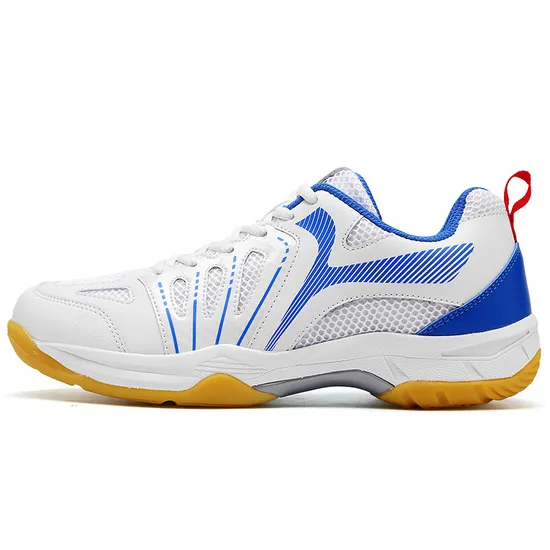
Sports shoes are essential footwear products designed to support physical activity, improve performance, and provide all-day comfort. With growing demand from fitness enthusiasts, athletes, and lifestyle consumers, high-quality athletic footwear has become a key category in global retail and wholesale markets.👟 Ergonomic design for comfort and support
🏃 Suitable for running, training, and daily wear
🌍 Ideal for wholesale and international distribution
🎨 Customizable for private label branding
📦 Export-ready packaging for bulk ordersAs global interest in health, fitness, and sports continues to rise, sports shoe manufacturing plays an important role in supplying durable and performance-driven footwear solutions.
👟 What Are Sports Shoes?
Sports shoes are specialized footwear designed to provide comfort, stability, and protection during physical activities such as running, training, and sports.
Key features include:
👟 cushioned sole structure
🏃 impact absorption design
⚙️ flexible and lightweight construction
🦶 supportive upper materials
These features help reduce stress on feet and improve overall performance.
🏃 Types of Sports Shoes for Different Activities
Different sports require different types of footwear for optimal performance.
🏃 Running Shoes
Running shoes are designed for forward motion and shock absorption.
Key features include:
🏃 lightweight construction
🧊 cushioned midsoles
🦶 breathable upper materials
They are suitable for long-distance running and daily jogging.
🏋️ Training Shoes
Training shoes are built for versatility and stability.
Advantages include:
⚙️ strong grip for movement
🦶 stable sole structure
🔄 multi-directional flexibility
These shoes are used for gym workouts and fitness training.
⚽ Sports-Specific Shoes
Certain shoes are designed for specific sports activities.
Examples include:
⚽ field sports footwear
🏀 court shoes
🎾 performance athletic shoes
Each type is optimized for specific movements and surfaces.
🧪 Materials Used in Sports Shoes
Material selection plays a critical role in comfort and durability.
Common materials include:
🧵 mesh fabrics for breathability
🧱 rubber outsoles for traction
🧪 foam midsoles for cushioning
🦾 synthetic materials for durability
These materials ensure performance and long-term use.
⚙️ Manufacturing Process of Sports Shoes
Sports shoe production involves multiple steps to ensure quality and performance.
Typical production stages include:
📐 design and prototyping
✂️ material cutting
🪡 stitching and upper assembly
⚙️ sole attachment and bonding
🔍 quality inspection
📦 packaging for shipment
Each stage is carefully controlled to meet production standards.
🎨 Custom Sports Shoes and Private Label Solutions
Many buyers require customized footwear for branding and retail markets.
Customization options include:
🎨 logo and brand design
🌈 color and pattern selection
📏 custom sizing options
📦 branded packaging
Private label production allows businesses to create unique product lines.
🏭 Applications in Retail and Distribution
Sports shoes are widely distributed through various sales channels.
Typical buyers include:
🏪 retail footwear stores
🛍️ e-commerce sellers
🏃 fitness brands
🌍 international distributors
Bulk supply supports consistent inventory for these markets.
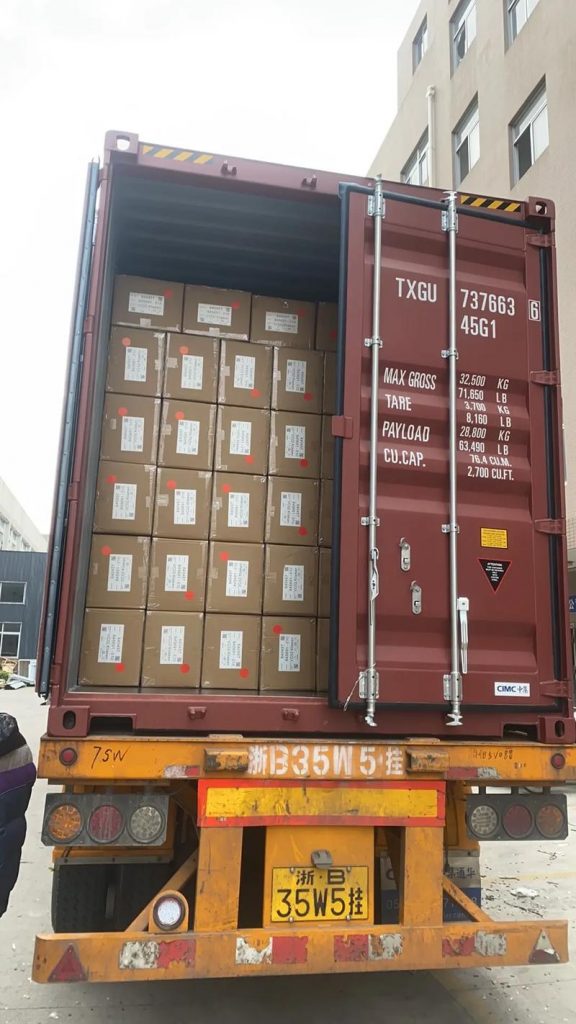
🧳 Packaging and Export Considerations
Proper packaging ensures product protection during transportation.
Common methods include:
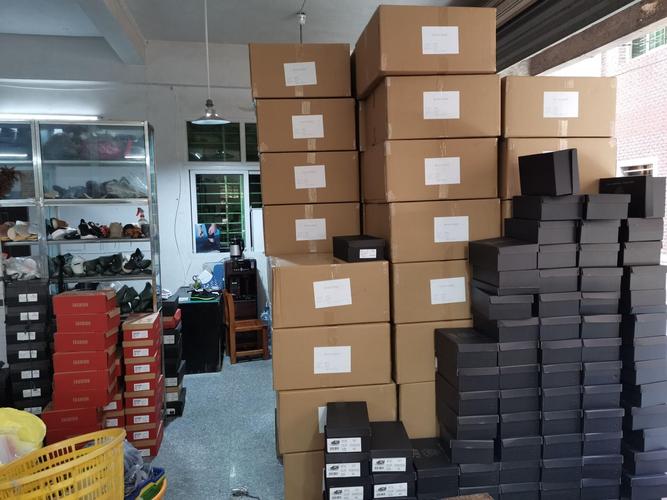
📦 individual shoe boxes
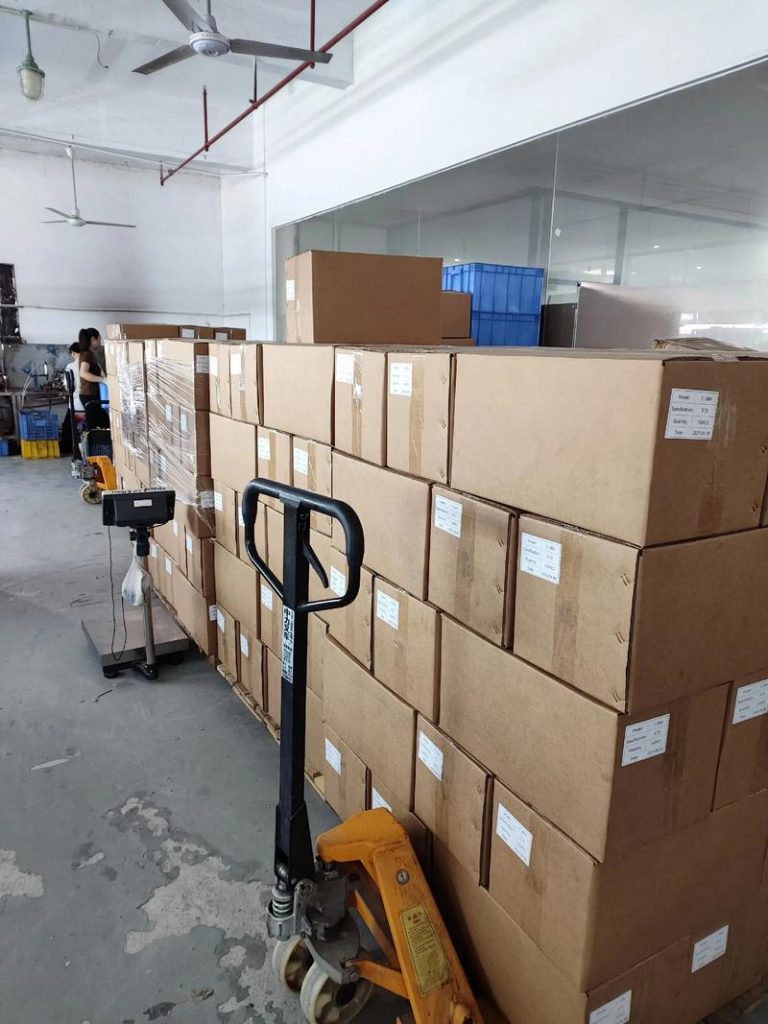
🧳 bulk carton packaging
🚚 palletized shipping
🌍 export-ready logistics handling
Efficient packaging reduces damage and shipping costs.
🌱 Comfort and Ergonomic Design
Comfort is a key factor in sports shoe performance.
Important design elements include:
🦶 foot arch support
🧊 shock absorption technology
🌬️ breathable structure
⚙️ flexible movement design
These features improve user experience and reduce fatigue.
📈 Global Demand for Sports Shoes
The demand for sports shoes continues to grow worldwide.
Key demand drivers include:
🏃 increasing fitness awareness
🌍 growth of global sports culture
🛍️ expansion of online retail
👟 lifestyle and casual wear trends
These factors support strong and stable market demand.
📊 Advantages of Wholesale Sports Shoe Supply
Wholesale supply offers benefits for distributors and retailers.
Key advantages include:
📦 large-scale production capacity
💰 cost efficiency in bulk orders
🎨 flexible customization options
🌍 global shipping capability
Bulk purchasing supports business scalability.
📩 Choosing a Reliable Sports Shoe Manufacturer
Selecting the right manufacturer is essential for product quality and business success.
Key factors include:
🏭 manufacturing experience
🔍 strict quality control
🎨 customization capability
📦 packaging and logistics support
Reliable suppliers ensure consistent quality and timely delivery.
🔮 Future Trends in Athletic Footwear Industry
The sports shoe industry continues to evolve with innovation and technology.
Future trends may include:
⚙️ advanced cushioning systems
🌱 sustainable materials
📊 data-driven design improvements
👟 lightweight and performance-focused structures
These innovations will enhance both comfort and functionality.
❓ FAQ – Sports Shoes
1. What are sports shoes used for?
Sports shoes are designed for running, training, and various athletic activities.
2. Can sports shoes be customized?
Yes. Sports shoes can be customized in design, color, size, and branding.
3. What materials are commonly used in sports shoes?
Common materials include mesh fabrics, rubber, foam, and synthetic materials.
4. Who buys sports shoes in bulk?
Bulk buyers include retailers, distributors, fitness brands, and e-commerce sellers.
5. Why is cushioning important in sports shoes?
Cushioning helps absorb impact and improves comfort during physical activities.
6. What should buyers consider when choosing sports shoes?
Buyers should consider comfort, durability, design, and supplier reliability.


No reply content