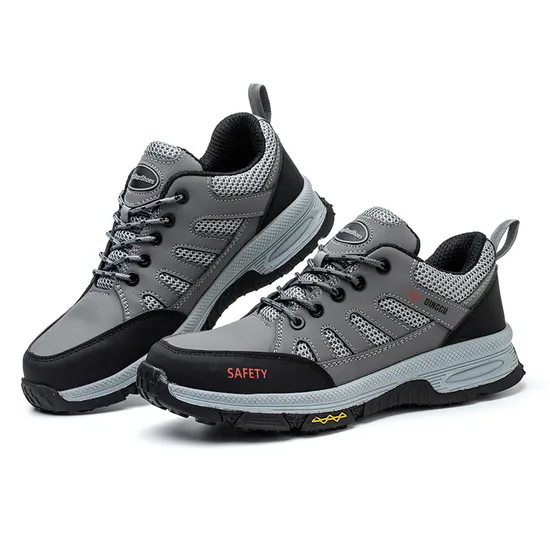
👟 Professional Shoe Manufacturing for Global Wholesale Buyers
Footwear is one of the most important product categories in the global fashion and retail market. From everyday casual shoes to professional sports footwear, the demand for high-quality shoes continues to grow across many industries. Businesses looking to develop their own shoe collections often work with professional manufacturers that provide private label production, custom designs, and large-scale manufacturing capabilities.👟 Custom footwear manufacturing for brands
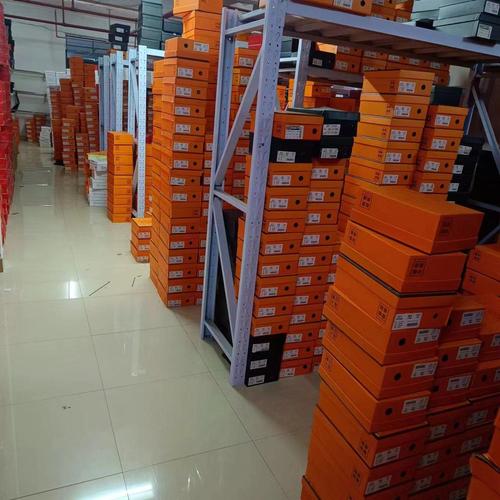
🏭 Large-scale shoe production capability
🎨 Private label and custom design options
📦 Bulk wholesale supply for international buyers
🌍 Reliable footwear manufacturing partnershipsProfessional shoe manufacturing combines product design, material development, and advanced production technology to create durable and attractive footwear products. With the right manufacturing partner, businesses can launch competitive shoe collections and generate long-term wholesale inquiries.
👟 Understanding the Global Footwear Industry
The footwear industry includes a wide variety of shoe types designed for different purposes, lifestyles, and markets.
Shoes are essential products used daily by people around the world, which makes footwear manufacturing a major global industry.
Important characteristics of professional shoe manufacturing include:
👟 durable product construction
🎨 modern footwear design
🧵 high-quality materials
🏭 efficient production capability
🌍 international market adaptability
Because of these factors, footwear manufacturers must balance product design, comfort, and durability.
📦 Why Businesses Choose Custom Shoe Manufacturing
Many companies prefer custom footwear manufacturing rather than purchasing generic products.
Custom production allows businesses to develop unique products and build brand identity in competitive markets.
🎨 Unique Product Design
Custom manufacturing enables brands to create distinctive shoe designs that reflect their identity.
Benefits include:
🎨 unique product appearance
👟 customized color combinations
🧵 special design features
🏷 exclusive product collections
Original designs help businesses differentiate themselves in the market.
🏷 Private Label Opportunities
Private label footwear allows companies to sell shoes under their own brand name.
Advantages include:
🏷 brand identity development
📦 exclusive product packaging
👟 control over product positioning
Private label production helps companies build long-term brand recognition.
🌍 Global Market Expansion
Businesses selling shoes internationally require consistent product quality and reliable supply.
Wholesale shoe manufacturing supports:
📦 large order volumes
🚚 global product distribution
🏪 retail store supply
Strong manufacturing capability helps businesses expand into global markets.
👞 Common Types of Shoes in Wholesale Manufacturing
The footwear industry produces many different types of shoes designed for specific uses and customer preferences.
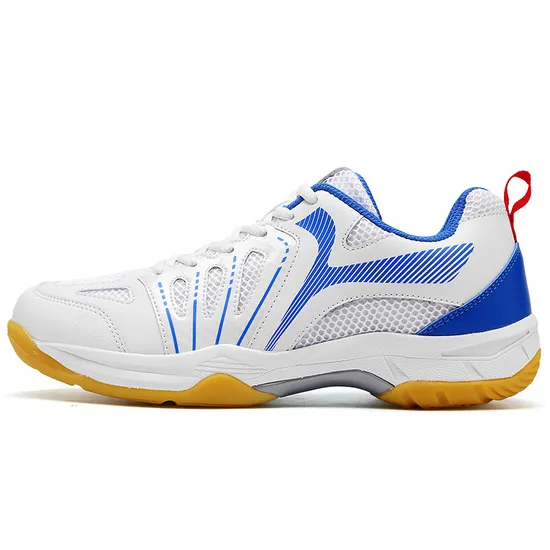
👟 Sports and Athletic Shoes
Athletic footwear is designed for comfort, performance, and durability.
Key features include:
🏃 lightweight construction
🧵 breathable materials
👟 flexible sole design
These shoes are used for running, training, and active lifestyles.
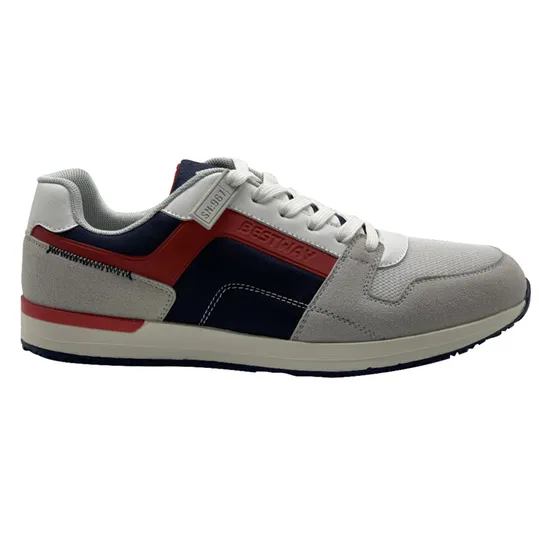
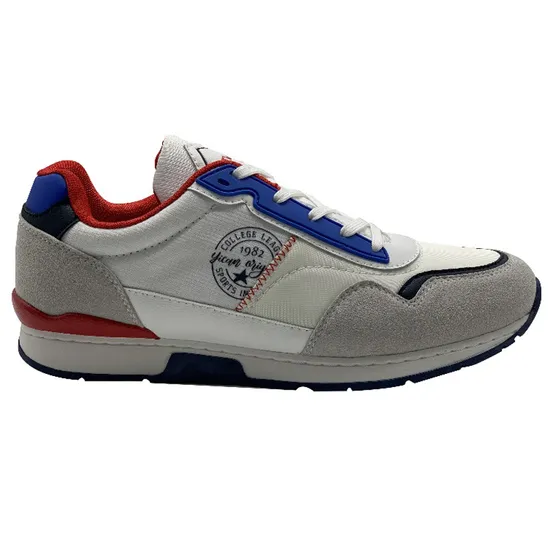
👞 Casual Everyday Shoes
Casual shoes are designed for daily use and comfort.
Common characteristics include:
👟 simple design style
🧵 comfortable interior lining
🎨 versatile colors
These products are widely sold in retail markets.
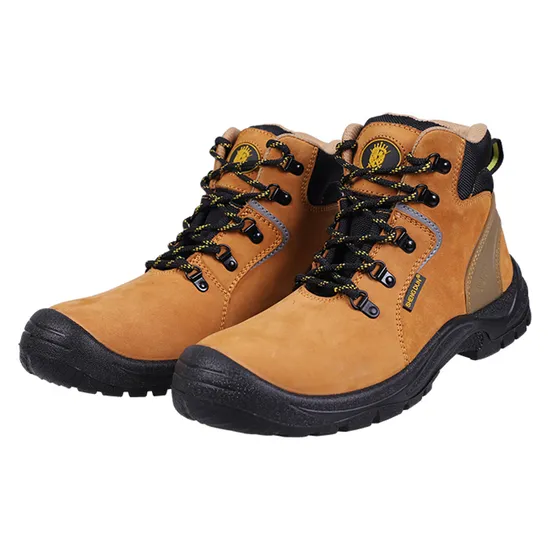
🥾 Outdoor and Work Shoes
Some footwear is designed for durability in demanding environments.
Features include:
🥾 strong outsole construction
🧵 durable materials
🌧 protection against weather conditions
These shoes are used for outdoor activities and professional work environments.
🥿 Fashion and Lifestyle Shoes
Fashion shoes focus on design aesthetics and style.
Advantages include:
🎨 modern appearance
👟 seasonal collections
🏷 trend-focused designs
These products are popular in fashion retail markets.
🏭 Shoe Manufacturing Process
Producing high-quality shoes requires multiple carefully managed production stages.
Each step ensures the final product meets design and durability requirements.
🎨 Footwear Design and Development
The process begins with footwear concept development and technical design.
Important design considerations include:
📏 shoe structure and shape
🎨 color and visual design
👟 functional performance
🧵 material compatibility
Good design ensures shoes are comfortable, durable, and visually appealing.
🧵 Material Selection
Material choice is one of the most important factors in shoe production.
Common materials include:
🧵 synthetic fabrics
🪵 structural support materials
👟 durable outsole components
🎨 decorative design materials
High-quality materials improve both comfort and product longevity.
✂ Cutting and Preparation
Materials are precisely cut according to the shoe design pattern.
Benefits include:
📏 consistent sizing
🧵 accurate component preparation
👟 efficient production workflow
Precision cutting helps maintain product consistency.
👞 Shoe Assembly
During assembly, the upper, sole, and internal components are joined together.
Key steps include:
🧵 stitching upper materials
👟 attaching the outsole
📦 shaping the shoe structure
This stage transforms individual parts into a complete shoe.
🔍 Quality Inspection
Before shipment, shoes undergo quality inspection to ensure consistent standards.
Inspection includes:
📏 size accuracy verification
👟 structural durability checks
🎨 appearance inspection
📦 packaging preparation
Quality control ensures products meet professional manufacturing standards.
🌱 Sustainable Footwear Manufacturing
Sustainability is becoming an important focus in the footwear industry.
Manufacturers are adopting new approaches to reduce environmental impact.
🌿 Environmentally Responsible Materials
Many footwear products now incorporate more sustainable material options.
Benefits include:
🌿 reduced environmental impact
👟 responsible production practices
🌍 improved sustainability reputation
Sustainable materials support environmentally conscious manufacturing.
⚡ Efficient Production Processes
Modern factories use advanced equipment to improve efficiency and reduce waste.
Advantages include:
⚡ optimized production workflow
📦 reduced material waste
🌍 improved resource management
Efficient production benefits both businesses and the environment.
🌍 Global Demand for Footwear Products
The demand for shoes continues to grow worldwide due to population growth and lifestyle changes.
Footwear is one of the most consistently purchased consumer products.
🏪 Retail Footwear Markets
Retail stores sell a wide variety of shoes to meet different consumer needs.
Popular categories include:
👟 athletic footwear
👞 casual shoes
🥿 fashion footwear
Retail markets drive large-scale footwear production.
🛍 E-Commerce Footwear Sales
Online shopping has expanded the global footwear market.
Advantages include:
📦 direct consumer delivery
🌍 international sales opportunities
👟 expanded product selection
E-commerce platforms allow brands to reach global customers.
📦 Wholesale Distribution Networks
Many footwear brands rely on distributors and wholesalers.
Benefits include:
📦 large-volume product supply
🚚 regional distribution networks
🏪 retail store support
Wholesale supply chains support global footwear markets.
📩 Choosing a Reliable Shoe Manufacturer
Businesses searching for footwear manufacturing partners should evaluate several important factors.
Key considerations include:
👟 product quality standards
🏭 manufacturing capacity
🎨 design customization capability
📦 packaging options
🌍 international supply experience
A reliable manufacturer helps businesses maintain consistent product quality and supply stability.
📈 Business Opportunities in the Footwear Industry
The global footwear market continues to grow due to strong consumer demand and expanding retail channels.
Companies that invest in innovative design, reliable production, and strong supply chains can achieve long-term success.
Major opportunities include:
👟 private label shoe brands
🏪 retail footwear supply
🌍 international wholesale distribution
📦 e-commerce footwear sales
Businesses that focus on product quality and design innovation can build strong positions in global footwear markets.
❓ FAQ – Custom Shoe Manufacturing
1. What is custom footwear manufacturing?
Custom footwear manufacturing refers to producing shoes based on specific design requirements, materials, and brand specifications.
2. Why do businesses choose private label shoes?
Private label shoes allow companies to sell footwear under their own brand identity and control product design and positioning.
3. What materials are used in shoe production?
Footwear production commonly uses synthetic fabrics, structural support materials, outsole components, and decorative materials.
4. What industries purchase wholesale shoes?
Retail brands, e-commerce sellers, distributors, and fashion companies commonly purchase shoes in wholesale quantities.
5. What factors influence shoe quality?
Important factors include material selection, design structure, manufacturing precision, and quality control inspection.
6. How can businesses choose a reliable shoe manufacturer?
Businesses should evaluate manufacturing capacity, product quality standards, customization capability, and supply reliability.


No reply content