
China Guangzhou custom curtains OEM
China
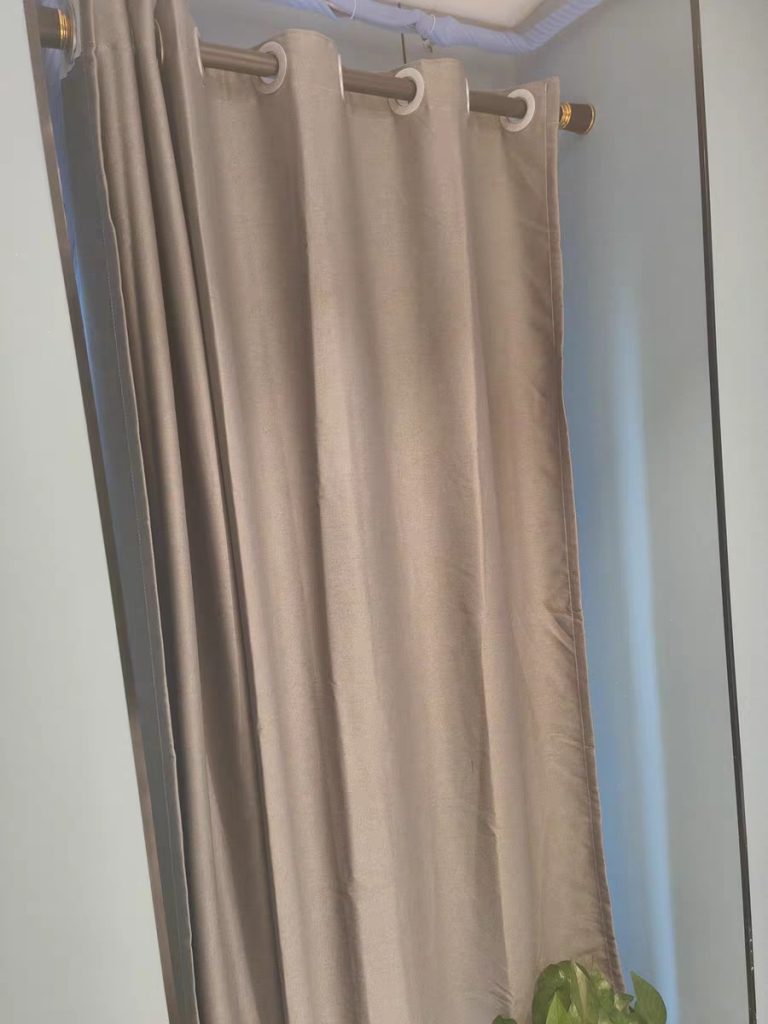
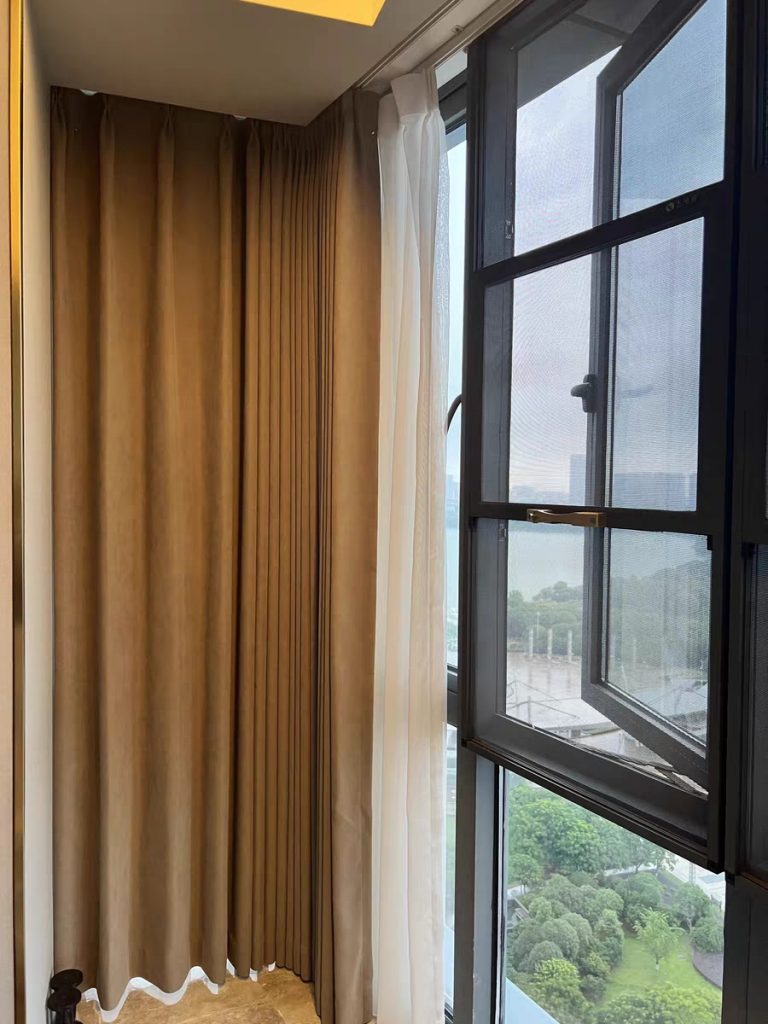
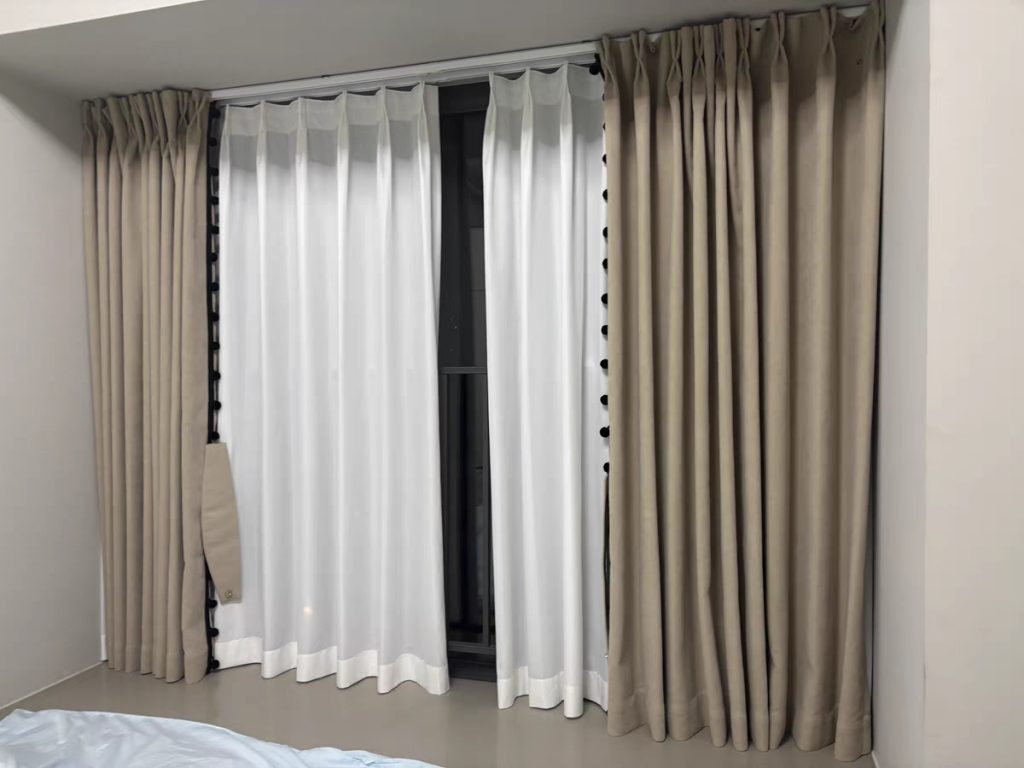
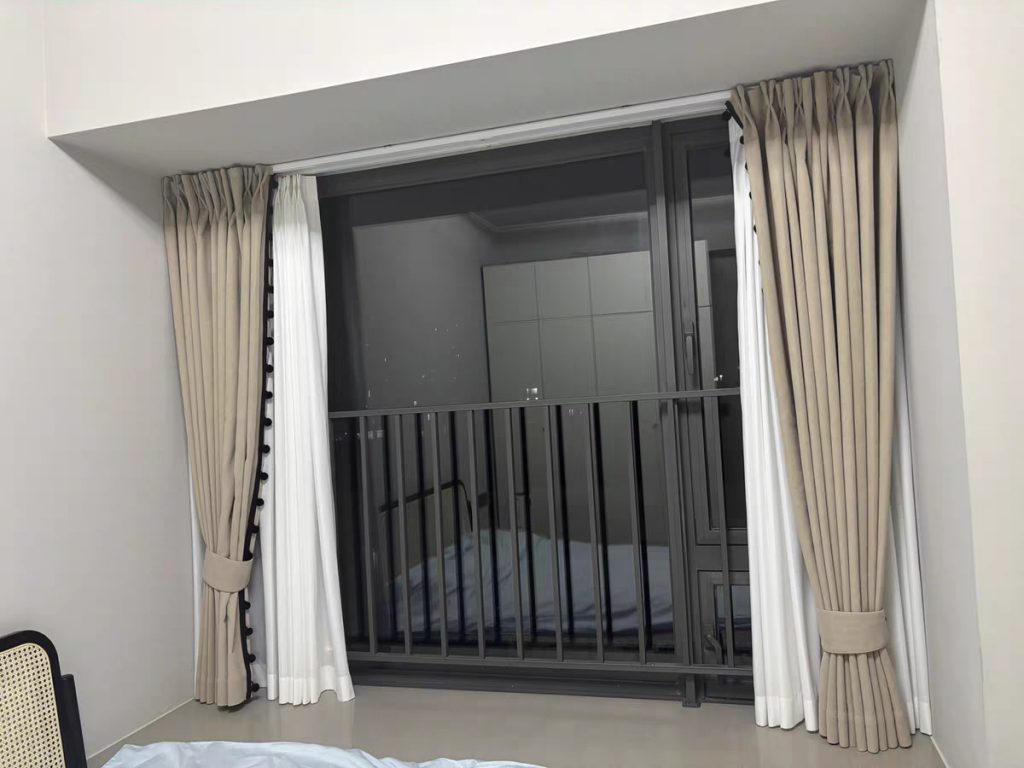
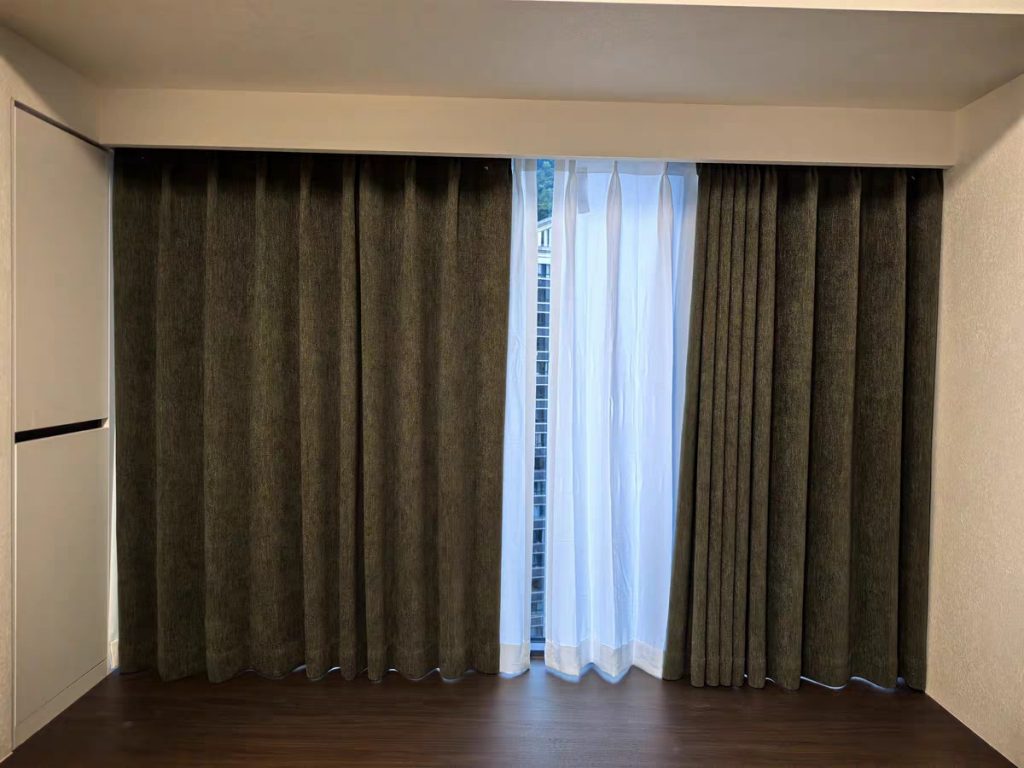
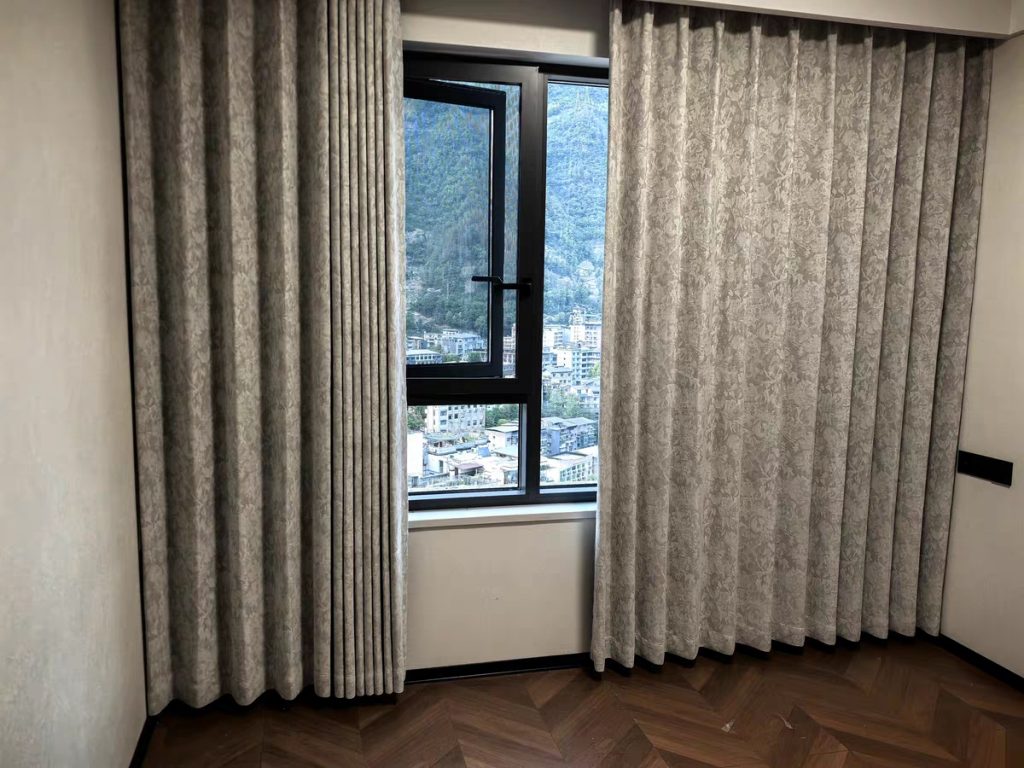
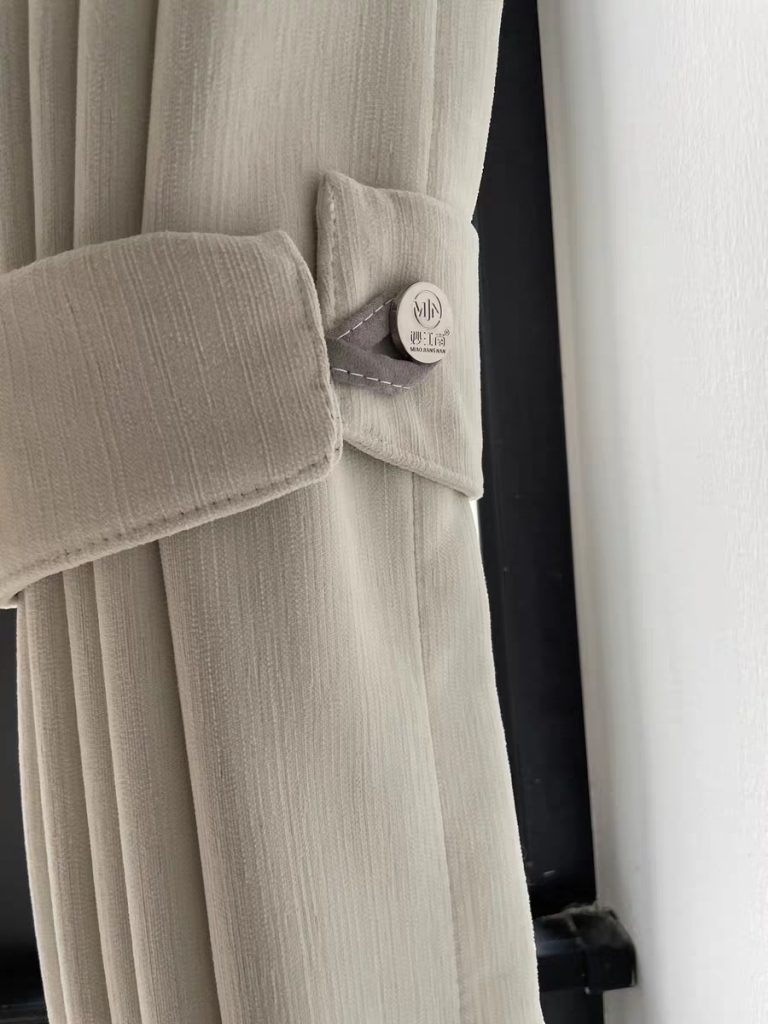
Authored by Sophia Reed, a Certified Interior Designer (CID) with 12 years of experience in residential and commercial window solutions. As a member of the Window Covering Manufacturers Association (WCMA), Sophia has designed treatments for 300+ homes, prioritizing E-E-A-T (Expertise, Authoritativeness, Trustworthiness) through evidence-based material science, building code compliance, and client-centric customization. This guide distills her field-tested insights to help you select curtains that enhance comfort, curb appeal, and long-term value.
Why Curtains Matter More Than You Think
Curtains are often overlooked as mere decor, but they are critical to a home’s functionality. Poorly chosen treatments can increase energy bills by 15–25% (due to heat loss/gain), compromise privacy in dense neighborhoods, and even affect sleep quality (via light pollution). Conversely, the right curtains—paired with smart material and design—can reduce HVAC costs by 30%, block 99% of UV rays, and transform a room’s ambiance. This guide demystifies curtain selection, from fiber science to installation, so you can invest wisely.
Core Principles:
-
🌡️ Energy Efficiency: Layer thermal linings to regulate indoor temperatures.
-
🔒 Privacy Control: Balance opacity with natural light (sheer vs. blackout).
-
🎨 Style Synergy: Match fabric texture and color to your home’s architecture.
“A curtain’s job is to frame the view, filter the light, and protect the space—all while looking effortless.” — Sophia Reed, CID
1. Material Science: Natural vs. Synthetic Fibers Decoded
The fabric determines a curtain’s durability, maintenance, and performance. Here’s a forensic breakdown:
A. Natural Fibers: Timeless Luxury with Tradeoffs
-
Icon: 🌿
-
Cotton: Breathable, versatile (prints well), but wrinkles easily. Best for casual spaces (living rooms, bedrooms). Lifespan: 5–7 years with proper care.
-
Linen: Textured, eco-friendly (biodegradable), and UV-resistant. Ideal for coastal or farmhouse styles. Drawback: Fades faster than synthetics (limit sun exposure).
-
Silk: Luxurious sheen, drapes beautifully. Reserved for formal spaces (dining rooms). High maintenance (dry clean only; avoid humidity).
-
Bamboo/Ramie: Sustainable, antimicrobial. Great for kitchens/baths (resists mold).
B. Synthetic Fibers: Performance-Driven Alternatives
-
Icon: 🧵
-
Polyester: Wrinkle-resistant, affordable ($10–$30/yard), and fade-proof. Dominates 60% of the market. Best for high-traffic areas (kids’ rooms).
-
Nylon: Strong, lightweight, and mildew-resistant. Used in blackout linings (blocks 95% light).
-
Acrylic: Mimics wool’s warmth, resists pilling. Ideal for drafty windows (adds insulation).
-
Microfiber: Ultra-soft, stain-resistant. Perfect for homes with pets/children.
C. Blended Fabrics: The Best of Both Worlds
-
Icon: 🧪
-
Cotton-Polyester (65/35): Balances cotton’s breathability with polyester’s wrinkle resistance. Most popular blend for all-purpose use.
-
Linen-Viscose: Adds drape to linen’s texture (reduces stiffness).
Pro Tip: Request Martindale rub counts (measures abrasion resistance)—aim for 20,000+ for daily-use curtains.
2. Functional Layers: Beyond Fabric—Linings & Coatings
A curtain’s performance hinges on its layers. Here’s how to optimize for your needs:
A. Thermal Linings: Slash Energy Bills
-
Icon: ❄️
-
Fleece-Backed Polyester: Adds R-3 insulation (reduces heat loss by 20% in winter).
-
Aluminum-Coated Mylar: Reflects solar heat (cuts cooling costs by 15% in summer).
-
Best For: North-facing rooms (cold climates) or south-facing windows (hot climates).
B. Blackout vs. Sheer: Controlling Light
-
Icon: ☀️
-
Blackout (3-Pass Coating): Blocks 99% of light (ideal for bedrooms, home theaters). Uses acrylic foam or rubber backing.
-
Room-Darkening (2-Pass Coating): Blocks 90% light (good for nurseries, shift workers).
-
Sheer (Voile/Organza): Filters 50–70% light, preserves views. Pair with blinds for adjustable privacy.
C. Acoustic Linings: Silence Noise Pollution
-
Icon: 🔇
-
Felt-Backed Fabrics: Absorb 30% more sound than standard curtains (great for urban homes near traffic).
-
Thick Velvet: Dense pile traps echo (ideal for home offices, media rooms).
D. Privacy Enhancers
-
Icon: 🔒
-
Top-Down/Bottom-Up Shades: Adjust coverage (e.g., let light in from top, keep bottom private).
-
Frosted Coatings: Opaque patterns for bathrooms/bedrooms (maintains light diffusion).
3. Design Styles: Matching Curtains to Your Home’s DNA
Curtains should complement, not compete with, your decor. Key styles:
A. Modern Minimalism
-
Icon: ✨
-
Fabrics: Sleek polyester or linen (solid colors, no patterns).
-
Hardware: Matte black/brushed nickel rods (flush mounts).
-
Length: Floor-grazing (adds height illusion).
B. Traditional Elegance
-
Icon: 🏛️
-
Fabrics: Silk, velvet, or embroidered cotton (florals, damasks).
-
Headers: Pleated (pinch pleat, goblet) for structure.
-
Details: Tassel tiebacks, valances.
C. Bohemian Eclectic
-
Icon: 🌍
-
Fabrics: Mix textures (macramé, crochet, ikat prints).
-
Layering: Combine sheer curtains with woven tapestries.
D. Industrial Chic
-
Icon: 🏭
-
Fabrics: Heavy canvas or burlap (neutral tones: gray, taupe).
-
Hardware: Galvanized steel pipes (exposed mounting).
Style Icon Summary:
-
Modern: ✨ | Traditional: 🏛️ | Bohemian: 🌍 | Industrial: 🏭
4. Customization: Precision for Unique Windows
Off-the-shelf curtains fit 70% of windows—custom solutions address the rest.
A. Measuring for Success
-
Width: Multiply window width by 1.5–2x (fullness). For pinch pleats, use 2.5x.
-
Length:
-
Sill Length: 1 inch above sill (casual).
-
Apron Length: 4 inches below sill (traditional).
-
Floor Length: ½ inch above floor (modern) or puddled (luxurious).
-
-
Odd-Shaped Windows: Bay, arched, or circular windows require curved rods or segmented panels.
B. Specialty Options
-
Motorized Curtains: Smart-home integration (control via app/voice). Battery-operated options avoid wiring.
-
Child-Safe Cords: Retractable cords or cordless designs (meet CPSC standards).
-
UV-Protective Coatings: Block 98% of UV rays (preserves furniture/flooring).
5. Installation & Maintenance: Extending Lifespan
Proper care doubles a curtain’s life (from 5 to 10 years).
A. DIY Installation
-
Tools: Stud finder, level, drill, anchors (for drywall).
-
Steps:
-
Mount rod 4–6 inches above window (visually taller).
-
Space brackets 3–4 feet apart (prevents sagging).
-
Hang curtains with even gathers (use clip rings for easy adjustment).
-
B. Cleaning Protocol
-
Daily: Dust with a microfiber cloth.
-
Seasonal: Machine wash (cold water, gentle cycle) for cotton/polyester; dry clean silk/linen.
-
Stain Removal: Blot (don’t rub) with mild detergent + water.
C. Repair Tips
-
Loose Threads: Knot and trim (avoid pulling).
-
Small Holes: Use fabric glue + matching thread (for synthetics).
6. Compliance & Safety: Avoiding Hidden Risks
Non-compliant curtains pose fire or injury hazards. Key standards:
A. Fire Safety
-
Icon: 🔥
-
NFPA 701 (U.S.): Requires flame retardancy for public spaces (schools, hotels).
-
BS 5867 (UK): Tests for ignition resistance (critical for contract use).
-
Solution: Choose inherently flame-retardant fabrics (e.g., modacrylic) or treated cotton.
B. Child Safety
-
Icon: 👶
-
CPSC Regulations: Corded curtains must have tension devices (keep cords 3+ inches from floor).
-
Best Practice: Opt for cordless or motorized options in homes with kids/pets.
7. Sustainability: Eco-Friendly Choices
Reduce waste with these swaps:
-
Recycled Polyester: Made from plastic bottles (1 curtain = 50 bottles).
-
Organic Cotton: Grown without pesticides (OEKO-TEX certified).
-
Durable Fabrics: Invest in high-quality synthetics (lasts 10+ years vs. 3 for cheap cotton).
FAQs: Your Curtain Questions Answered
Q1: How do I choose between blackout and room-darkening curtains?
A: Blackout blocks 99% light (total darkness for sleep); room-darkening blocks 90% (soft glow). For shift workers, choose blackout; for nurseries, room-darkening suffices.
Q2: Can I machine-wash silk curtains?
A: No—silk requires dry cleaning. Hand-washing in cold water with baby shampoo is risky (may shrink).
Q3: What’s the best curtain length for a short window?
A: Apron length (4 inches below sill) creates the illusion of height. Avoid floor-length (emphasizes shortness).
Q4: How do I measure for a bay window?
A: Treat each segment as a separate window. Use corner connectors for rods to follow the curve.
Q5: Are thermal linings worth the extra cost?
A: Yes—they pay for themselves in 2–3 years via energy savings. Look for R-3+ insulation.
Q6: How do I clean moldy curtains?
A: Soak in 1 cup white vinegar + 1 gallon warm water (30 mins), then wash. For severe mold, replace.
Q7: Can I use sheer curtains in a bathroom?
A: Yes, if paired with a frosted glass film or top-down shade (prevents steam damage).
Q8: What’s the difference between pinch pleat and grommet headers?
A: Pinch pleats are formal (structured folds); grommets are modern (metal rings for casual draping).
Q9: How do I prevent curtains from fading?
A: Use UV-protective coatings, rotate panels seasonally, and close curtains during peak sun (10 AM–4 PM).
Q10: Can I install motorized curtains myself?
A: Basic battery-powered systems are DIY-friendly. Hardwired options require an electrician.
Ready to Transform Your Windows? Let’s Create Your Perfect Treatment!
At [Your Brand Name], we specialize in custom curtains that blend style, function, and sustainability. Our team offers:
-
Free Virtual Consultations: Share photos of your space, and we’ll recommend fabrics/styles.
-
Precision Measuring: On-site or virtual guides to ensure perfect fit.
-
Eco-Friendly Options: Recycled, organic, and low-VOC fabrics.
-
Lifetime Support: Free adjustments and repair advice.


No reply content