China Air Compressor Manufacturing Factory
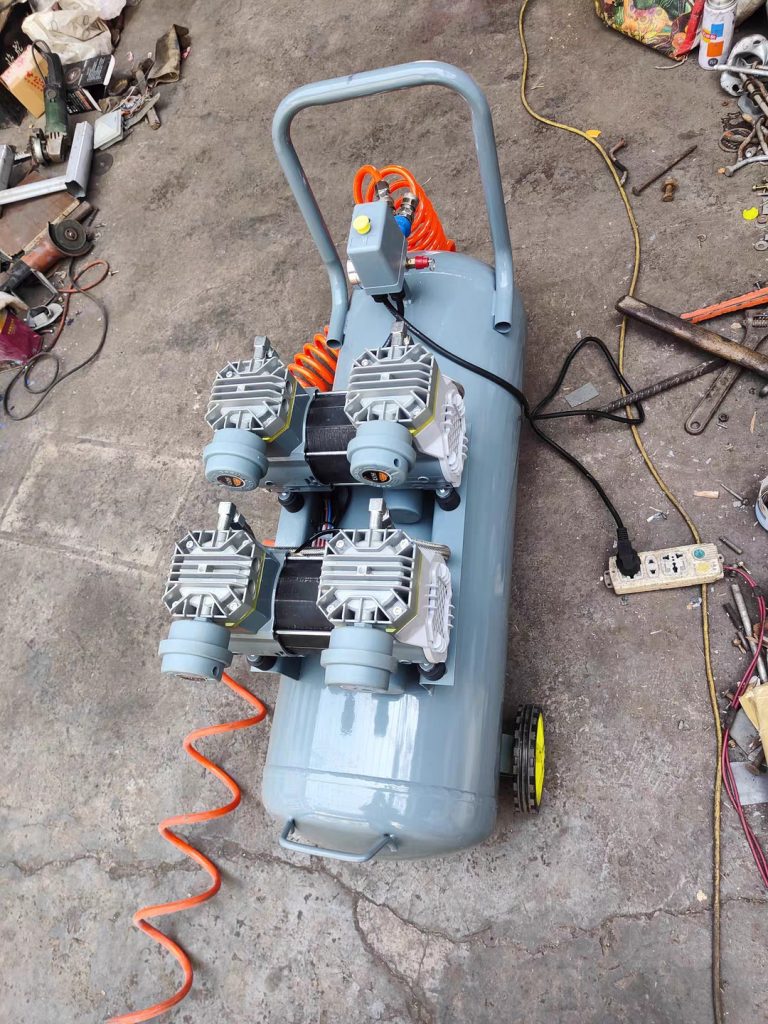
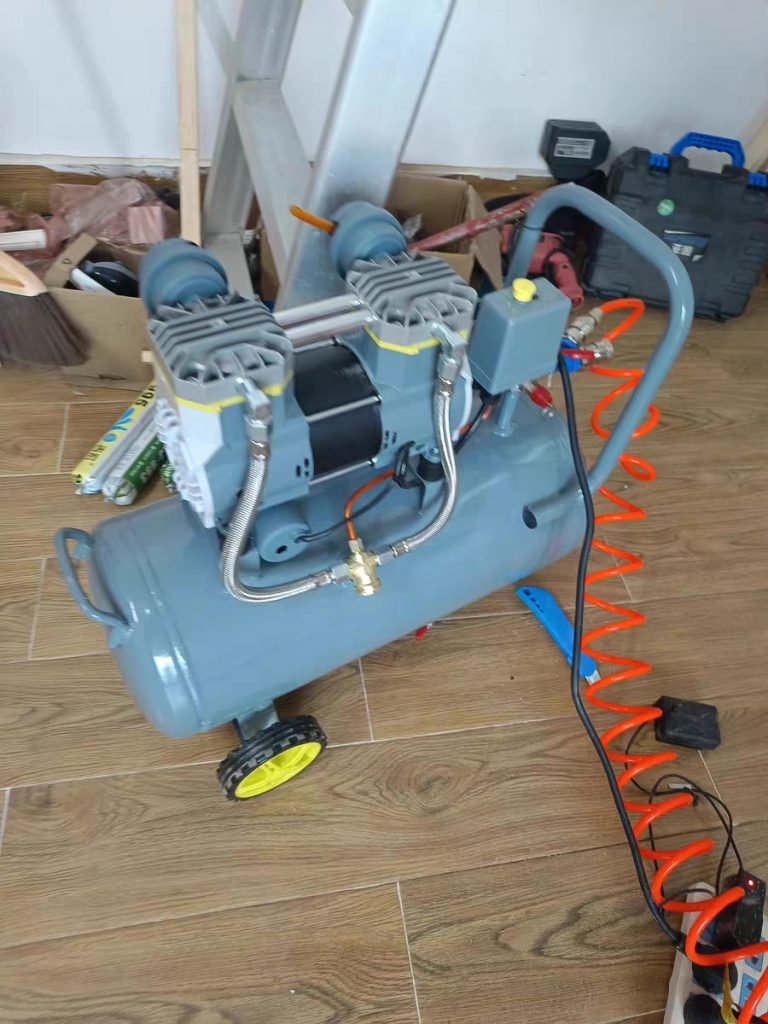
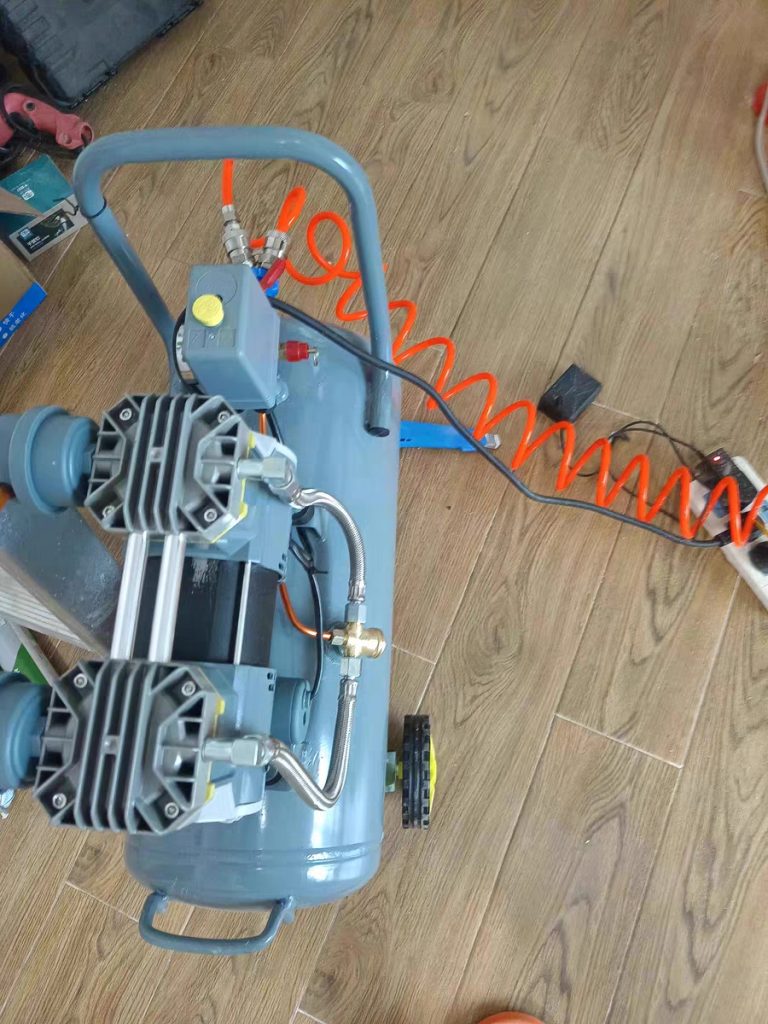
The global procurement landscape for air compressors is saturated with intermediaries posing as manufacturers. To source effectively from China, you must look beyond the chrome-plated casings and marketing brochures. This article provides an original, ground-level analysis of the Chinese air compressor export industry, focusing on the technical and logistical pitfalls that determine the success or failure of an import program.
The core problem for international buyers is specification drift—the gap between the performance metrics claimed in the catalog and the actual output of the machine on the factory floor. Solving this requires an understanding of motor winding classes, pump head metallurgy, and the hidden costs of air treatment.
1. The Heart of the Machine: Motor & Pump Head Engineering
The most significant differentiator among Chinese exporters is their approach to the motor-pump assembly.
-
The Copper vs. Aluminum Windings Debate: While many exporters claim “100% copper windings,” the reality is nuanced. For continuous-duty applications (S1 duty cycle), true copper windings are mandatory. However, some low-cost suppliers use CCA (Copper-Clad Aluminum). This creates a thermal runaway risk: aluminum expands more than copper under heat, loosening connections and increasing resistance, eventually leading to motor burnout.
-
Pump Head Metallurgy: The cast iron used in the pump head determines longevity. Professional exporters use HT200 gray cast iron for its vibration damping and thermal stability. Inferior suppliers use recycled steel or lower-grade iron, which warps under high temperatures, causing head gasket failures and oil leaks.
-
The Solution: Demand the cold start amperage draw and insulation class rating (e.g., Class F or H). A professional supplier will provide a dynamometer test report, not just a CE certificate.
2. Oil vs. Oil-Free: The Technical Reality
The term “oil-free” is often misused. There are two distinct categories in the Chinese market:
| Type | Mechanism | Application Risk | Professional Standard |
|---|---|---|---|
| Oil-Lubricated | Piston rings & crankshaft in oil bath. | Oil carryover contaminates air lines. | Requires coalescing filters post-compressor. |
| Oil-Free (Scroll/Screw) | Teflon-coated pistons or scroll elements. | High heat generation; shorter lifespan if duty cycle ignored. | Must meet ISO 8573-1 Class 0 for oil-free air. |
A common mistake is importing an oil-lubricated compressor for food/pharma use. A professional exporter will clarify that only scroll technology or specific diaphragm pumps qualify as true oil-free solutions for sensitive environments.
3. Decibel Levels: The Acoustic Enclosure Challenge
Noise pollution is a major reason for product returns. Chinese factories measure dB(A) in controlled chambers, but real-world conditions differ.
-
The Problem: A “Silent” 60dB compressor in a factory might register 75dB in a small workshop due to resonance.
-
Technical Fix: Look for exporters who utilize finite element analysis (FEA) in their enclosure design. The best units use sound-deadening foam combined with vibration isolators (rubber mounts) between the motor/pump and the frame. Ask for the sound power level (LwA) vs. sound pressure level (LpA) to understand the energy emitted.
4. Electrical & Safety Compliance: Beyond the CE Mark
Compliance is not a sticker; it is a system integration issue.
-
Pressure Vessels: In Europe, the tank must comply with the Pressure Equipment Directive (PED) 2014/68/EU. In the US, ASME certification is often required. Many Chinese exporters cut corners by using non-certified tanks with thinner gauge steel, which risks catastrophic failure.
-
Thermal Protection: A professional unit includes a thermal cutoff switch on the motor and a pressure relief valve (PRV) set at 10% above the maximum working pressure. Verify the PRV is stamped with the manufacturer’s logo and the “CE0035” (if applicable) notified body number.
5. Logistics: The Weight-to-Volume Ratio Problem
Air compressors are dense. The problem is optimizing container loading without damaging the precision components.
-
Packaging: Professional exporters use skid-based packaging for larger units (10HP+) to facilitate forklift handling. For smaller units, double-wall cartons with corner protectors are essential to prevent damage to the pressure gauges and regulators during ocean freight.
-
Moisture Control: Desiccant packs are insufficient for sea freight. The best exporters vacuum-pack the electrical components or use vapor corrosion inhibitor (VCI) paper inside the packaging to prevent oxidation of the tank interior.
FAQ: Solving Specific Sourcing Problems
Q1: My supplier claims “Direct Drive” is better than “Belt Drive.” Is this true?
A: Not necessarily. Direct drive (coupling or integrated) reduces maintenance but increases vibration transfer to the tank. Belt drive allows speed reduction (RPM adjustment), reducing wear on the piston rings. For high-cycle industrial use, belt drive with a cast iron flywheel is often more durable. Choose based on your duty cycle, not marketing claims.
Q2: How can I verify the tank’s actual air capacity (Liters/Gallons) is accurate?
A: Measure the internal dimensions. A common trick is to weld thick baffles inside the tank to reduce volume while maintaining external dimensions. Use the formula for cylinder volume: V = \pi r^2 h. If the factory refuses to provide internal diameter specs, they are likely hiding volume shrinkage.
Q3: What is the “Service Factor” (SF) and why does it matter?
A: Service factor indicates how much overload a motor can handle. A motor rated at 2HP with an SF of 1.15 can safely deliver 2.3HP temporarily. Low-cost exporters often omit the SF rating. If the SF is missing or below 1.0, the motor is running at its absolute limit, drastically shortening lifespan.
Q4: How do I prevent voltage mismatch issues in my market?
A: Specify the voltage tolerance range. European grids can fluctuate. A professional exporter will ensure the motor windings are configured for ±10% voltage variation. Also, ensure the capacitor (for single-phase units) is rated for the ambient temperature of your region (e.g., 450V AC for hot climates).
Q5: What is the biggest red flag during a factory audit?
A: Witnessing “run-in” testing that lasts less than 30 minutes. A professional factory tests each unit for at least 1 hour to bed in the piston rings and check for thermal stability. If they only do a 2-minute “blow test” to see if it makes air, walk away.
Conclusion
Selecting a Chinese air compressor exporter is an exercise in verifying metallurgical integrity and electrical safety. Do not pay for the brand name on the tank; pay for the Class H insulation, the HT200 casting, and the ISO 9001-documented pressure testing (hydrostatic test). The cheapest unit is always the most expensive in the long run due to energy inefficiency and downtime.


No reply content