
China Diesel Generator Manufacturer

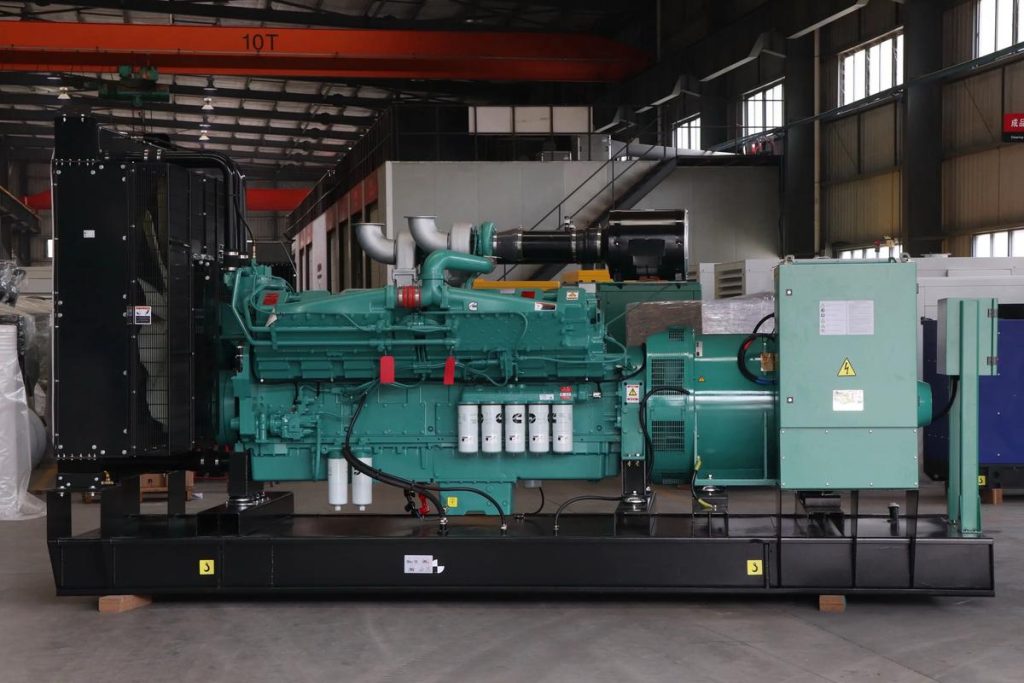

In the procurement of diesel generator sets, the “lowest price” is often the most expensive option. Many international buyers are lured by seemingly competitive quotes from Chinese suppliers, only to discover significant performance issues—or complete failures—after delivery. The secret to avoiding this lies in configuration transparency.
A diesel generator is not a monolithic product; it is a system of three core components: the engine, the alternator, and the controller. Here is how to dissect a supplier’s quote to ensure you are comparing apples to apples and avoiding costly compromises.
1. The Engine: Origin and Aspiration
The engine is the heart of the generator and represents roughly 60% of the cost.
-
Brand Authenticity: Is the supplier quoting a genuine Cummins, Perkins, or Volvo? Or are they offering a “Clone” or “Copy” version? Cloned engines lack metallurgical quality and have high failure rates. Always ask for the Engine Serial Number and the Authorization Certificate from the engine manufacturer.
-
Aspiration Type: Is it naturally aspirated (NA) or turbocharged? NA engines are cheaper but lose significant power in high-altitude or high-temperature environments. For heavy-duty applications, a Turbocharged and Aftercooled engine is non-negotiable.
-
Prime vs. Standby Power: This is the most common point of confusion. A 100kVA Standby unit cannot run continuously at full load. If you need continuous power, you must buy based on Prime Power (which is typically 10-15% lower than standby for the same engine). If a quote doesn’t specify, assume it’s quoting standby power to make the price look better.
2. The Alternator: Copper vs. Aluminum
This is where many suppliers cut corners to offer “unbeatable” prices.
-
Winding Material: Insist on 100% Copper Wire windings. Some manufacturers use aluminum windings or copper-clad aluminum (CCA) to save costs. Aluminum has higher resistance and lower efficiency, leading to massive energy losses and overheating under load.
-
Brand vs. OEM: Are you getting a genuine Stamford, Leroy-Somer, or Mecc Alte? Or a reputable OEM brand like Engga or Marathon? Cheap alternators often have poor Automatic Voltage Regulation (AVR), resulting in unstable power that can fry sensitive electronics like servers or medical equipment.
3. The Controller: The Brain
The controller manages start-up, shutdown, and fault detection.
-
Reputable Brands: Look for industry standards like Deep Sea (DSE), ComAp, or SmartGen. These brands offer reliable LCD displays and comprehensive protection features (over-speed, low oil pressure, high coolant temperature).
-
Cheap Replacements: Low-cost controllers often lack multi-language support, have poor water resistance, and fail to log faults accurately, making remote diagnostics impossible.
4. The Canopy and Cooling System
-
Steel Thickness: A standard industrial canopy should use steel plates of at least 2mm thickness. Some suppliers quote with 1.2mm or 1.5mm sheets, which vibrate excessively, rust quickly, and provide poor sound attenuation.
-
Cooling Efficiency: Check the radiator size. Is it designed for a 40°C ambient temperature? If you are in the Middle East, Africa, or Southeast Asia, a standard radiator will overheat and shut down the generator within hours.
5. The “All-Inclusive” Checklist
To force transparency, send this checklist to every supplier:
| Component | Specification Required | Red Flag |
|---|---|---|
| Engine Brand | Cummins/Perkins/Weichai (Genuine) | Copy/Clone/Unbranded |
| Alternator | 100% Copper, Stamford/Leroy-Somer/OEM | Aluminum Windings |
| Controller | Deep Sea DSE6120 / SmartGen HGM6110 | Generic LCD, No Branding |
| Power Rate | Prime Power (kW/kVA) @ 0.8 PF | Standby Power (Overstated capacity) |
| Canopy | 2mm Steel, 75dB @ 7m | 1.2mm Steel, No dB rating |
Conclusion
A cheap quote is often a “phantom quote” filled with inferior components. By demanding a detailed configuration list, you shift the conversation from price to value. Remember the golden rule: If the price is too good to be true, they have likely changed the engine, the alternator, or both. Always verify the specs before you pay.


No reply content