China Customized OEM Arts & Crafts Gift Manufacturer
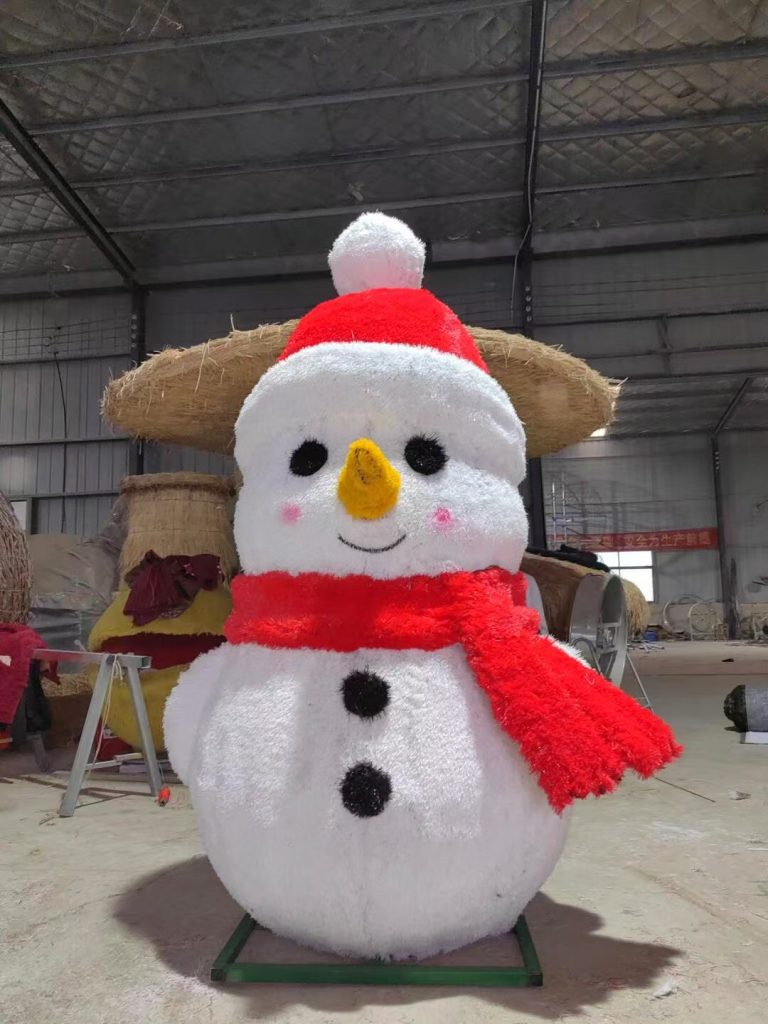
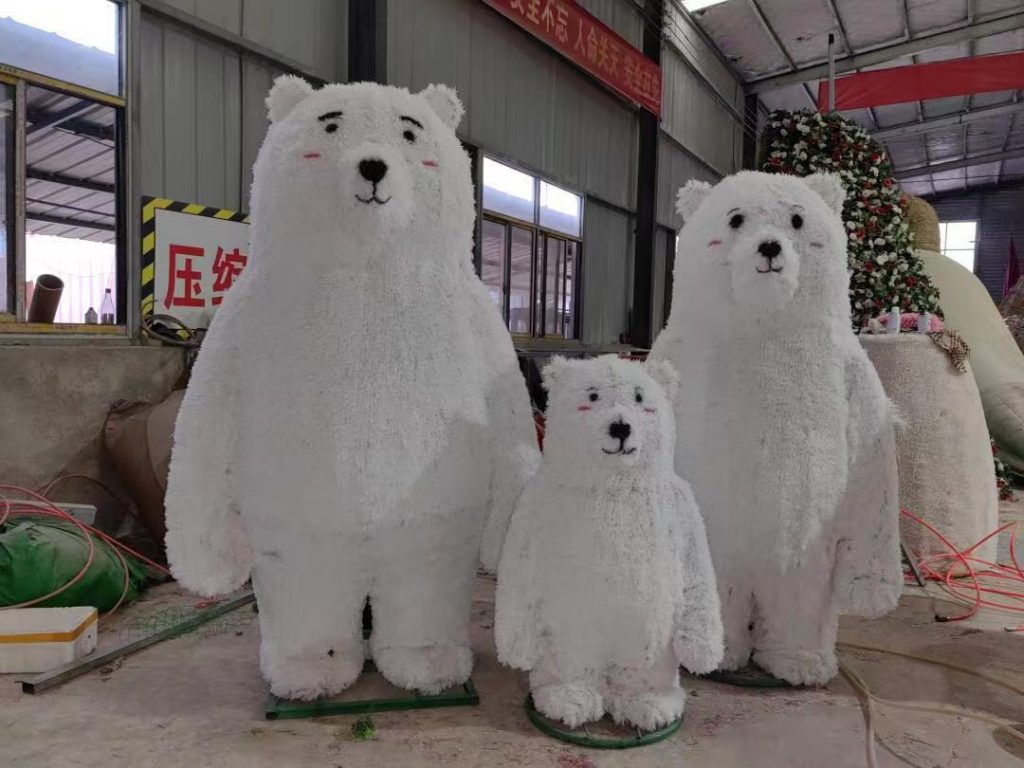
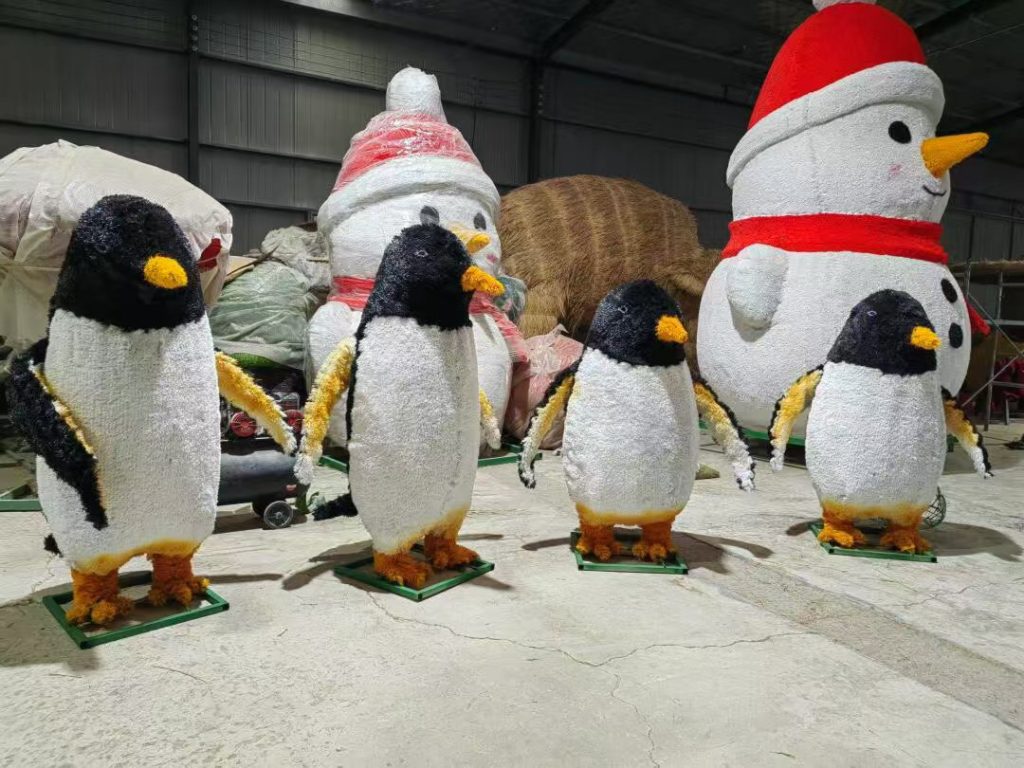
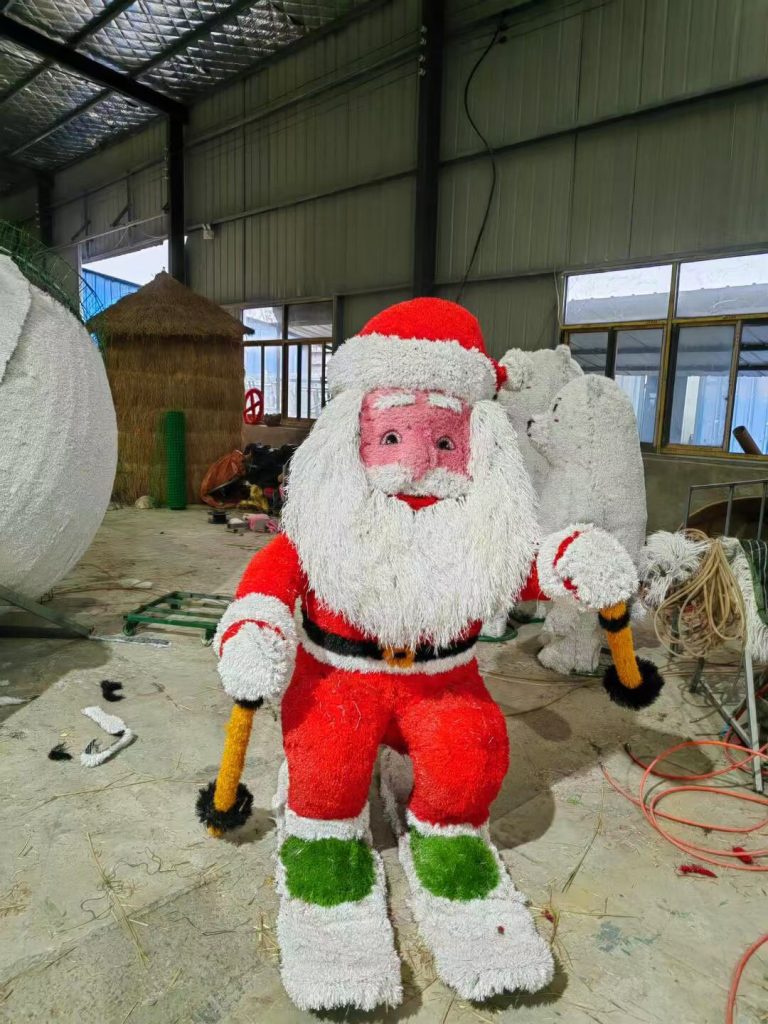
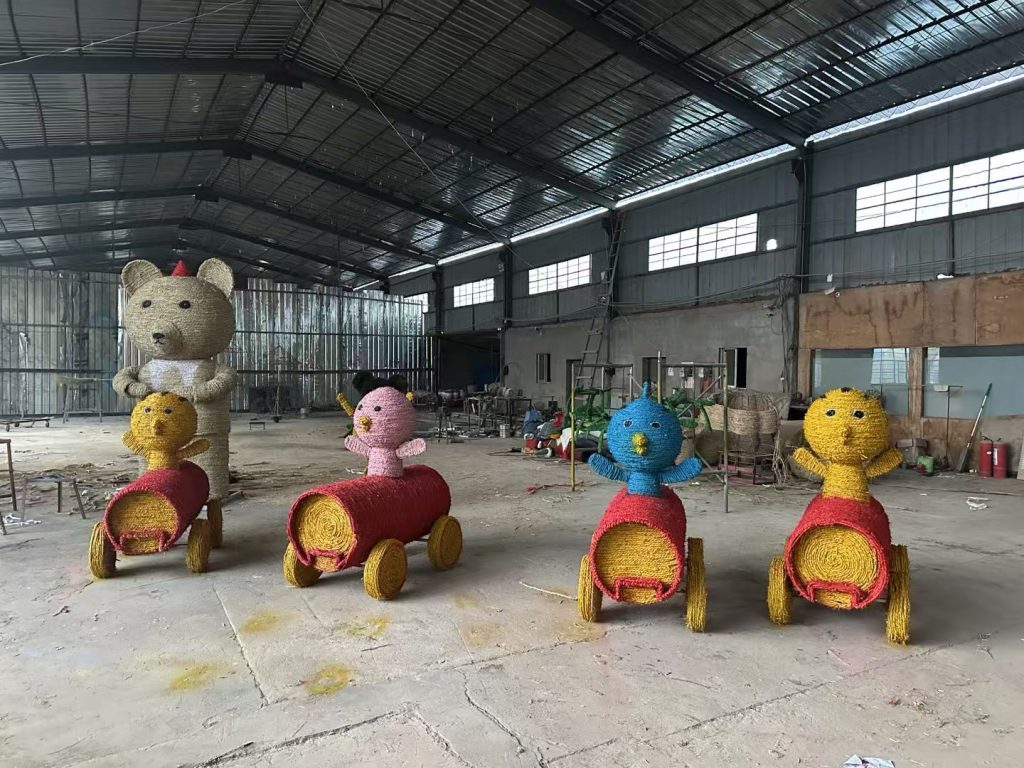
——Where Threads Become Stories, and Fibers Shape Soul
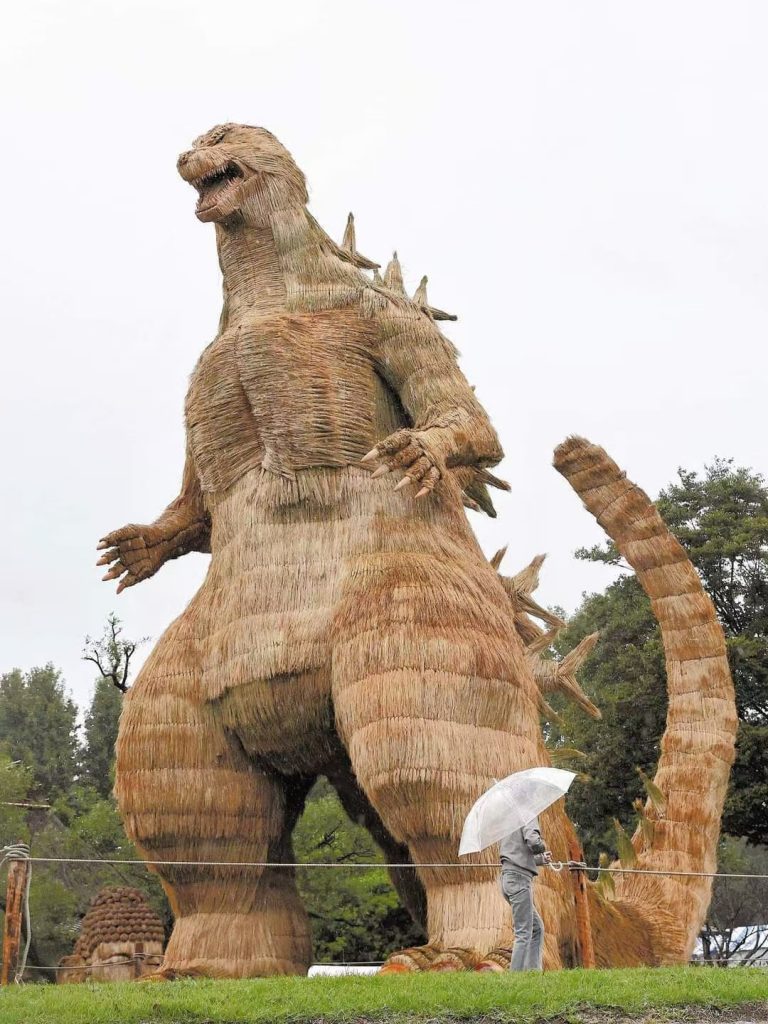
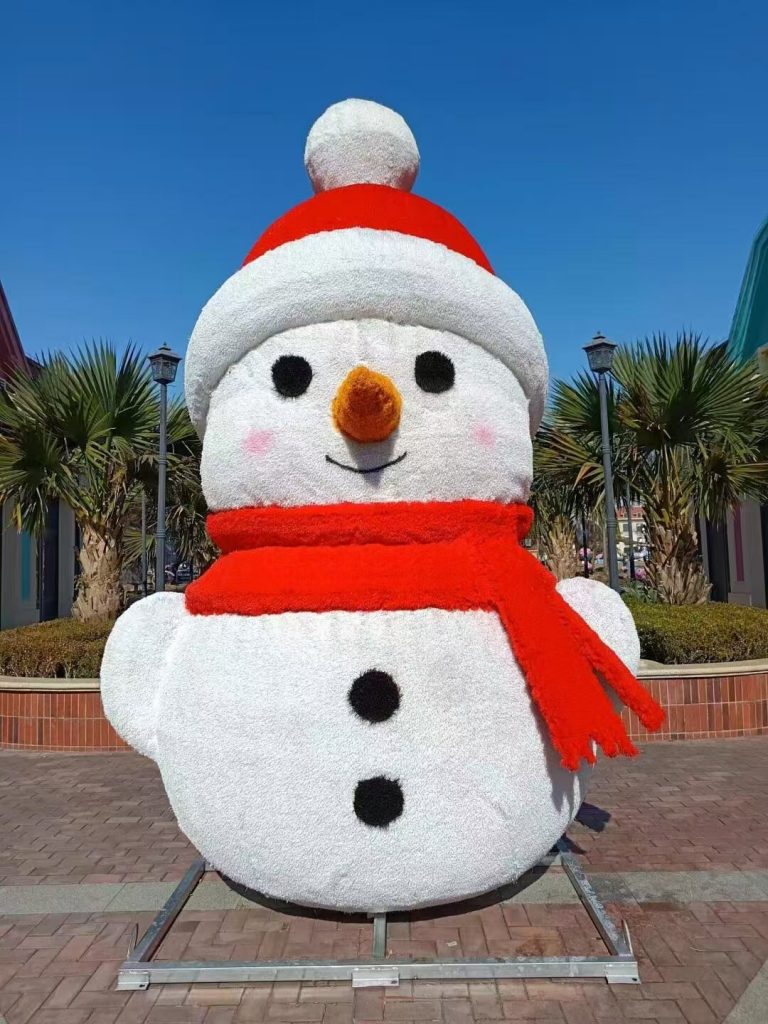
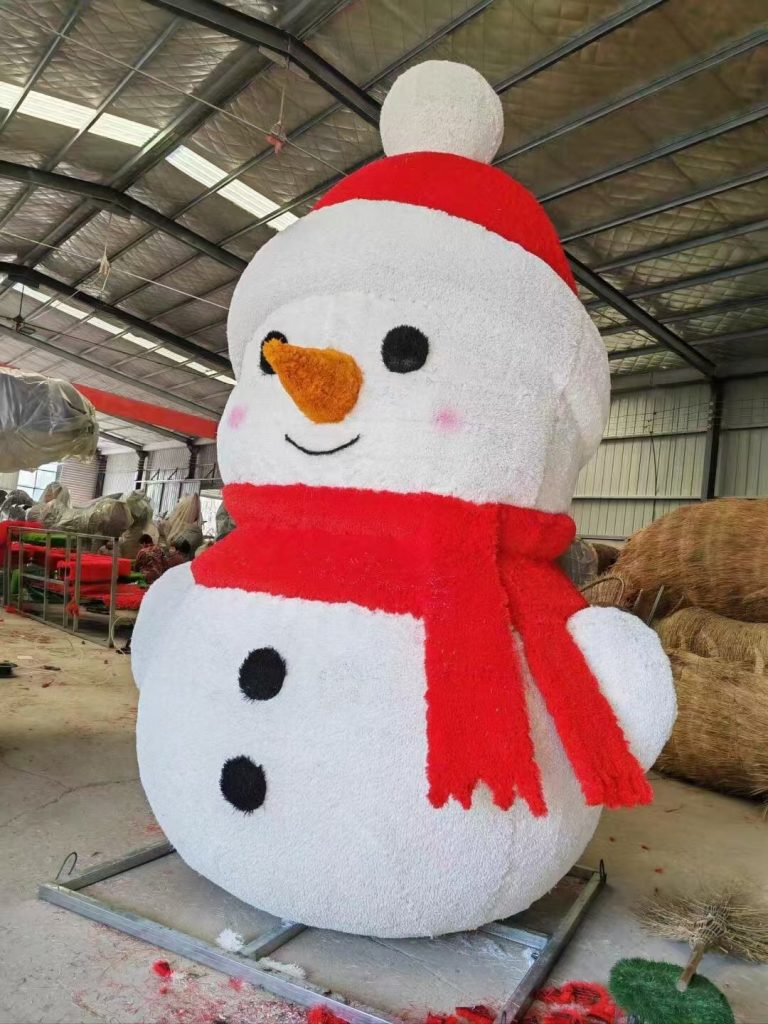
In the realm of decorative art, few mediums rival the warmth, versatility, and emotional resonance of fiber. From the tactile richness of hand-woven textiles to the sculptural potential of coiled yarns, fiber art has evolved beyond traditional crafts to become a powerful medium for creating statues that captivate, comfort, and inspire. At the heart of this evolution are decorative fiber art statue factories—specialized workshops that merge age-old techniques with modern design, engineering, and sustainability to transform threads, yarns, and fabrics into three-dimensional masterpieces.
These factories are not mere manufacturers; they are narrative weavers, translating abstract ideas, cultural heritage, and personal stories into tangible, tactile art. This article delves into the world of decorative fiber art statue factories, exploring their craftsmanship, innovation, and the unique value they bring to homes, public spaces, and galleries. A detailed FAQ section addresses practical considerations for collectors, designers, and art enthusiasts.
I. The Rise of Fiber Art Statues: From Craft to Contemporary Sculpture
A. A Brief History of Fiber in Art
Fiber has been integral to human expression for millennia: ancient Egyptians wove linen for burial shrouds, Andean cultures crafted intricate tapestries, and 20th-century artists like Anni Albers elevated weaving to fine art. However, its use in sculpture remained niche until the late 20th century, when artists began experimenting with fiber’s structural potential. Today, fiber art statues are celebrated for their:
-
Tactile Appeal: Inviting touch, unlike cold metal or stone.
-
Versatility: Adaptable to abstract, figurative, or surrealist forms.
-
Sustainability: Often made from natural or recycled materials.
B. The Factory’s Role: Bridging Tradition and Innovation
A decorative fiber art statue factory operates at the intersection of art and industry. Its mission is to:
-
Preserve traditional techniques (e.g., Navajo weaving, Japanese shibori) while innovating with modern materials.
-
Engineer sculptures for durability (indoor/outdoor use) without sacrificing artistic nuance.
-
Collaborate with clients to create bespoke pieces that reflect personal or brand identities.
II. Core Competencies of Decorative Fiber Art Statue Factories
A. Material Mastery: The Palette of Fibers
Factories curate a diverse “palette” of fibers, each chosen for its texture, strength, and symbolic meaning:
| Fiber Type | Properties | Common Uses | Symbolism |
|---|---|---|---|
| Wool | Soft, elastic, flame-retardant | Figurative sculptures (animals, humans) | Warmth, comfort, resilience |
| Linen | Strong, breathable, natural sheen | Architectural forms, minimalist art | Purity, simplicity, antiquity |
| Silk | Smooth, lustrous, delicate | Ornate details, flowing drapery | Luxury, elegance, transformation |
| Recycled Cotton | Eco-friendly, varied textures | Abstract sculptures, community projects | Sustainability, renewal |
| Bamboo Fiber | Lightweight, strong, biodegradable | Large-scale outdoor statues | Growth, flexibility, nature |
| Alpaca Wool | Hypoallergenic, silky, insulating | Child-friendly sculptures, tactile art | Gentleness, softness, Andean heritage |
Case Example: A factory creating a “Guardian Tree” statue for a botanical garden used bamboo fiber for the trunk (symbolizing growth), recycled cotton yarn for the roots (representing interconnectedness), and alpaca wool for the canopy (evoking softness and protection).
B. Design Philosophy: Weaving Stories into Form
Factory designers approach each project as a narrative exercise, asking: What emotion or idea should this statue convey? Key principles include:
1. Figurative Expression
Statues of humans, animals, or mythical creatures are rendered with exaggerated features to amplify emotion. For example, a “Joyful Dancer” might have oversized, flowing sleeves woven from silk to emphasize movement.
2. Abstract Symbolism
Geometric or organic forms represent intangible concepts. A “Resilience” sculpture could use tightly coiled jute ropes (symbolizing struggle) emerging into open, airy knits (symbolizing growth).
3. Cultural Fusion
Factories often blend traditions: a Mexican alebrije (brightly colored folk art creature) might be reimagined with Norwegian wool tapestry techniques.
4. Interactive Elements
Some statues invite participation—e.g., a “Story Tree” with pockets for visitors to leave handwritten notes, woven into the trunk over time.
C. Technical Expertise: Engineering Fiber into Sculpture
Fiber statues must balance beauty with structural integrity. Factories employ:
-
Structural Engineering: Using armatures (wire, bamboo, or recycled metal) to support heavy or large forms. Finite element analysis (FEA) predicts stress points (e.g., a 2-meter-tall statue’s neck).
-
Joining Techniques: Sewing, knotting, or felting fibers to armatures; using non-toxic adhesives for delicate materials.
-
Surface Finishes: Dyeing (natural plant-based dyes or low-impact synthetics), fringing, or embellishing with beads/sequins.
-
Weatherproofing: For outdoor statues, applying UV-resistant coatings (e.g., beeswax for wool) or using marine-grade fibers (e.g., polypropylene for humid climates).
III. Product Portfolio: Statues for Diverse Spaces
Factories offer a range of fiber art statues tailored to settings:
A. Indoor Decor
-
Figurative Portraits: Lifelike human faces woven from silk and wool, capturing expressions of joy or contemplation.
-
Animal Companions: Realistic or stylized pets (dogs, cats) made from their owners’ old clothing (sentimental recycling).
-
Abstract Centerpieces: Large wall hangings or freestanding forms for lobbies, hotels, or galleries.
B. Outdoor Installations
-
Garden Sentinels: Animal or mythological figures (e.g., a “Phoenix Rising” with flame-like silk scarves) to mark entrances.
-
Community Murals: Collaborative fiber tapestries depicting local history, woven by factory artisans and community members.
-
Eco-Art: Statues of endangered species (e.g., a “Polar Bear” from recycled plastic bottles) to raise awareness.
C. Thematic Collections
-
Seasons Series: Spring (flower-shaped statues with silk petals), Winter (icicle-like forms with shimmering threads).
-
Emotion Gallery: Pieces like “Anxiety” (tangled, dark yarns) and “Serenity” (loose, pastel weaves).
IV. The Manufacturing Process: From Fiber to Masterpiece
Step 1: Consultation & Concept Development
-
Clients share inspiration (photos, poems, memories).
-
Designers create 2D sketches and 3D digital models (using software like Blender) to visualize the statue.
Step 2: Material Sourcing & Preparation
-
Fibers are selected based on the design, then cleaned, carded (combed), and dyed.
-
Recycled materials (e.g., old sweaters, fabric scraps) are sorted by color/texture.
Step 3: Armature Construction
-
A skeletal framework is built from lightweight, durable materials (e.g., aluminum wire for small statues, bamboo for large ones).
Step 4: Weaving & Sculpting
-
Artisans use techniques like:
-
Tapestry Weaving: For flat or low-relief sections.
-
Coiling: Wrapping yarn around a core (e.g., rope) to build 3D forms.
-
Needle Felting: Shaping wool roving into detailed features (eyes, fur).
-
-
Layers are added gradually, with constant reference to the 3D model.
Step 5: Surface Detailing
-
Beads, sequins, or natural elements (dried flowers, shells) are integrated.
-
Fringe, tassels, or embroidery add texture.
Step 6: Quality Control
-
Statues are inspected for:
-
Structural stability (shaking test for large pieces).
-
Colorfastness (exposure to light for 72 hours).
-
Safety (no loose threads for child-friendly designs).
-
Step 7: Packaging & Delivery
-
Fragile pieces are wrapped in acid-free tissue and custom crates.
-
On-site installation is offered for large outdoor statues.
V. Sustainability: Weaving a Greener Future
Leading factories prioritize eco-conscious practices:
-
Recycled Materials: Up to 70% of fibers come from post-consumer waste (old clothes, plastic bottles).
-
Local Sourcing: Fibers are procured within 100 miles to reduce transportation emissions.
-
Biodegradability: Statues are designed to decompose naturally (e.g., bamboo fiber dissolves in 5–7 years).
-
Circular Economy: Decommissioned statues are repurposed into smaller art pieces or donated to schools.
VI. FAQ: Decorative Fiber Art Statue Factories
Q1: What makes fiber art statues unique compared to traditional sculptures?
A: Fiber statues offer unmatched tactile warmth, emotional resonance, and adaptability. Unlike stone or metal, they invite touch and can be easily updated (e.g., adding new yarn layers). They also align with sustainability goals, often using recycled materials.
Q2: Can fiber statues be customized to match my home’s decor?
A: Absolutely. Factories collaborate on color palettes (using natural or low-impact dyes), sizes, and themes. You can even provide personal items (e.g., a wedding dress) to be incorporated into the design.
Q3: How durable are fiber statues outdoors?
A: With proper weatherproofing (UV-resistant coatings, marine-grade fibers), outdoor statues last 5–10 years. Annual maintenance (reapplying coatings, trimming frayed threads) extends lifespan.
Q4: Are fiber statues safe for children and pets?
A: Yes. Factories use non-toxic materials (lead-free dyes, hypoallergenic fibers) and secure all loose threads. Soft fibers (alpaca wool, fleece) are recommended for kid-friendly spaces.
Q5: What is the typical lead time for a custom statue?
A: Small statues (under 1 meter): 4–6 weeks. Large installations (2+ meters): 3–6 months, depending on complexity. Rush orders are available for an additional fee.
Q6: How do you ensure the statue matches my vision?
A: We provide 3D renderings, material samples, and a prototype (small-scale version) for approval. Revisions are free until you’re satisfied.
Q7: Can fiber statues be repaired if damaged?
A: Yes. Factories offer restoration services: reweaving torn sections, re-dyeing faded areas, or replacing damaged armatures.
Q8: What is the cost range for a custom fiber statue?
A: Small (0.5m): $1,500–$5,000. Medium (1–2m): $5,000–$20,000. Large (2m+): $20,000+. Costs depend on materials, complexity, and size.
Q9: Do you offer collaborative art projects for communities?
A: Yes. Factories facilitate workshops where communities weave stories into shared statues (e.g., a “Unity Tapestry” for a town square).
Q10: How do fiber statues contribute to sustainability?
A: We use recycled materials, minimize waste (zero-cutting techniques), and design for biodegradability. Many projects also raise awareness about environmental issues (e.g., statues of endangered species).
VII. Conclusion: The Art of Touchable Emotion
Decorative fiber art statue factories are redefining sculpture by infusing it with the warmth, texture, and narrative power of fiber. These workshops prove that art need not be cold or distant—it can be held, felt, and lived with. By merging tradition and innovation, they create pieces that not only decorate spaces but also connect people to stories, emotions, and the natural world.
For those seeking art that speaks to the soul, a fiber statue is more than an object—it is a conversation starter, a memory keeper, and a testament to the boundless potential of thread.
In short: Decorative fiber art statues are not just sculptures—they are woven emotions, meant to be touched, treasured, and remembered.


No reply content