Guangzhou Forklift Manufacturing Factory
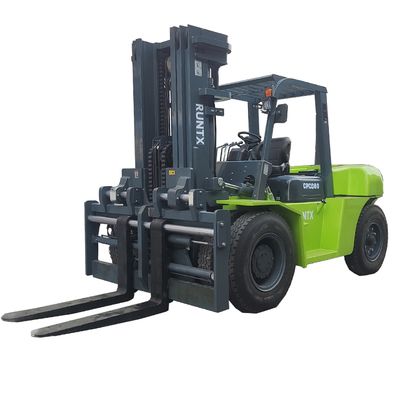
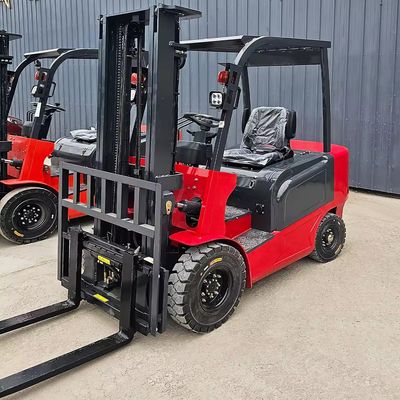
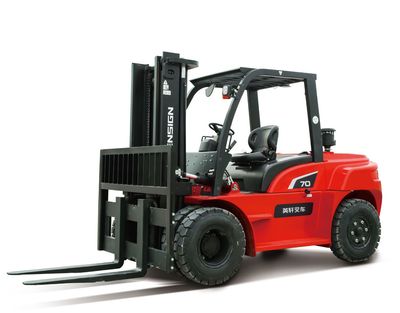
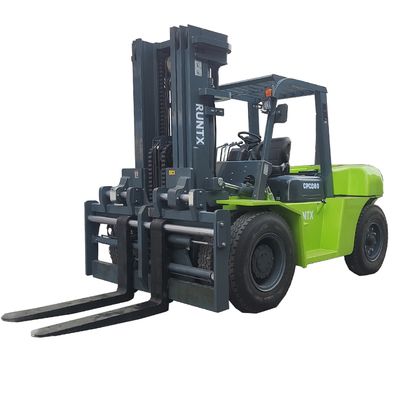
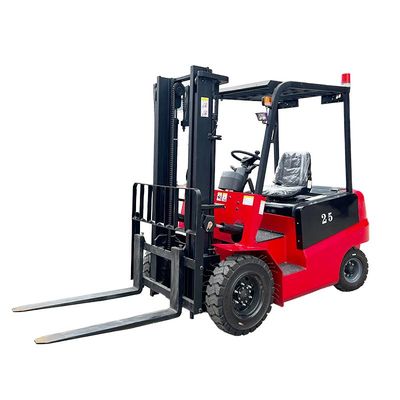
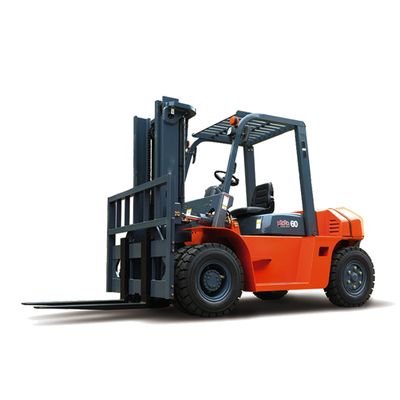
In industries such as manufacturing, construction, steel processing, and logistics, equipment durability is not optional—it is essential. Forklifts working in these environments must handle heavy loads, long operating hours, and sometimes harsh outdoor conditions.
A durable industrial forklift is not just about lifting power. It is about stability, reliability, and consistent performance under pressure. For global buyers sourcing from China, choosing the right heavy-duty forklift can significantly improve productivity and reduce long-term operational risks.
Why Heavy-Duty Environments Require Strong Forklifts
Demanding work environments place continuous stress on equipment. Standard forklifts may struggle with:
-
Frequent heavy-load lifting
-
Uneven or rough working surfaces
-
High-intensity daily operations
-
Dust, heat, or outdoor exposure
-
Long operating hours without rest
Without a durable design, forklifts can quickly wear out, leading to downtime and higher maintenance costs.
Key Features of Durable Industrial Forklifts
A reliable heavy-duty forklift should be built with strength and stability in mind. The most important features include:
1. Reinforced Frame Structure
A strong chassis ensures the forklift can handle heavy loads without deformation or instability.
2. High Load Capacity System
Industrial forklifts are designed to lift heavier materials safely, often ranging from 3 tons to over 10 tons depending on application.
3. Heavy-Duty Tires and Suspension
Improved tires and suspension systems allow stable operation on uneven ground or outdoor sites.
4. Powerful Engine or Motor System
Whether diesel or electric, the power system must support continuous heavy-duty performance.
5. Enhanced Cooling and Protection Systems
Prevents overheating and reduces wear during long operating hours.
Common Applications of Industrial Forklifts
Durable forklifts are widely used in industries where strength and reliability are critical:
-
Steel and metal factories
-
Construction material handling
-
Port and shipping yards
-
Large-scale warehouses
-
Mining and industrial sites
Each environment requires slightly different configurations, but durability remains the core requirement.
How to Improve Forklift Lifespan in Heavy Use
Even a strong forklift needs proper operation and maintenance to perform well long-term.
Best practices include:
-
Regular inspection of hydraulic systems
-
Timely replacement of worn tires and parts
-
Avoiding overload beyond rated capacity
-
Routine engine or battery maintenance
-
Proper operator training
Good usage habits can significantly extend equipment life and reduce unexpected breakdowns.
Choosing the Right Supplier Matters
For heavy-duty applications, product quality differences are more obvious over time. A reliable supplier should provide:
-
Stable manufacturing quality control
-
Strong frame and component sourcing
-
Testing before shipment
-
Technical support for different industries
-
Spare parts availability


No reply content