
📦 High-Quality Plastic Pallets for Warehousing, Logistics, and Bulk Distribution
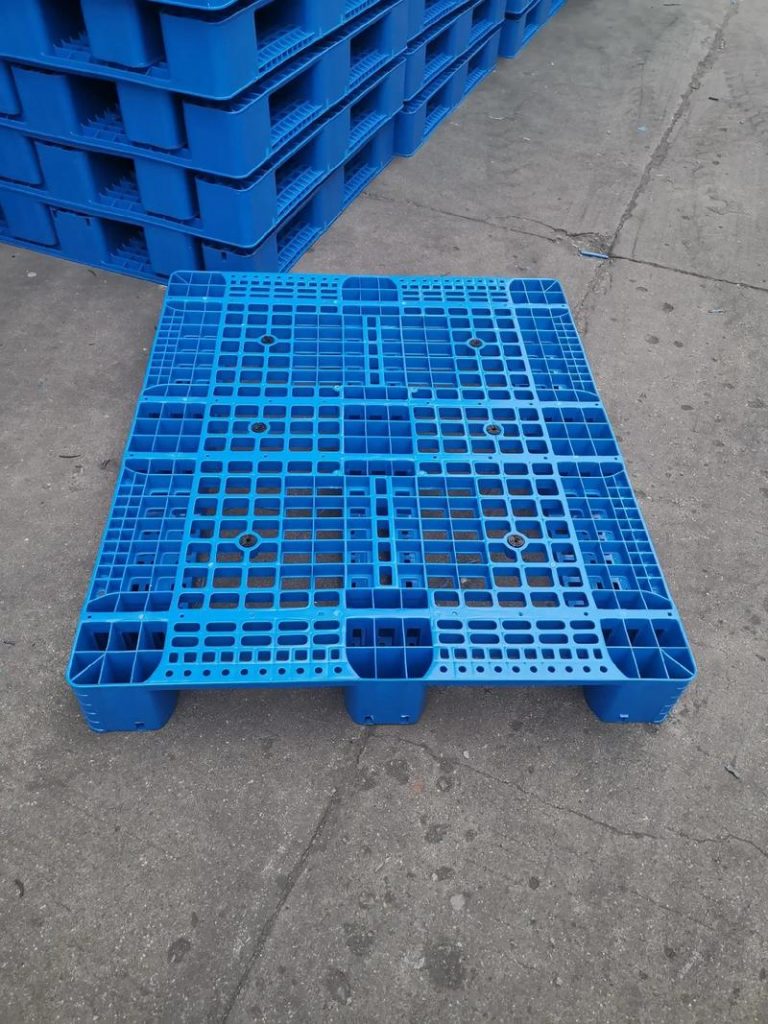
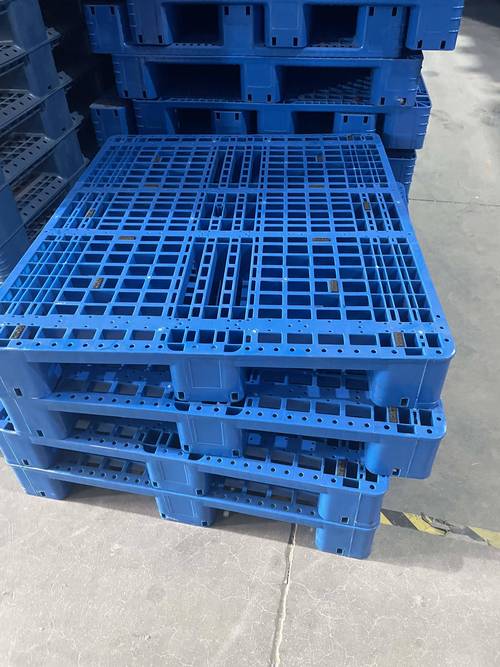
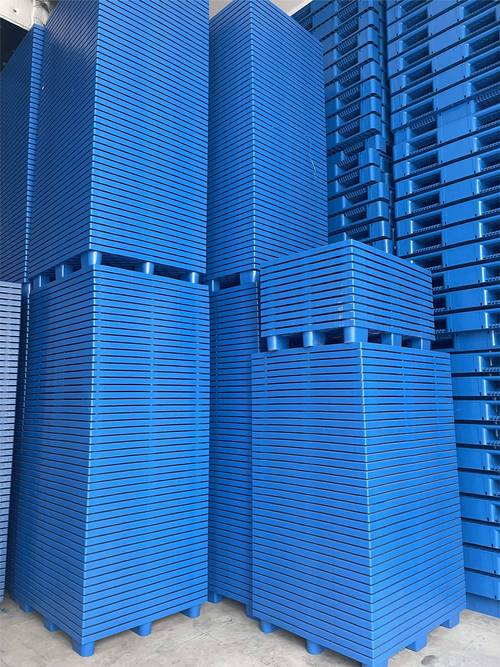
Plastic pallets are essential tools in modern logistics and warehousing, providing a strong, lightweight, and reusable platform for transporting goods. With a focus on durability, chemical resistance, and ergonomic design, plastic pallets are ideal for industries ranging from food and beverage to electronics and pharmaceuticals.📦 Stackable and space-saving design
🧱 Resistant to moisture, chemicals, and pests
🌍 Suitable for global shipping and export
⚙️ Custom sizes and weight capacities availablePlastic pallets are a practical solution for businesses looking to optimize storage, transportation efficiency, and operational safety.
📦 What Are Plastic Pallets?
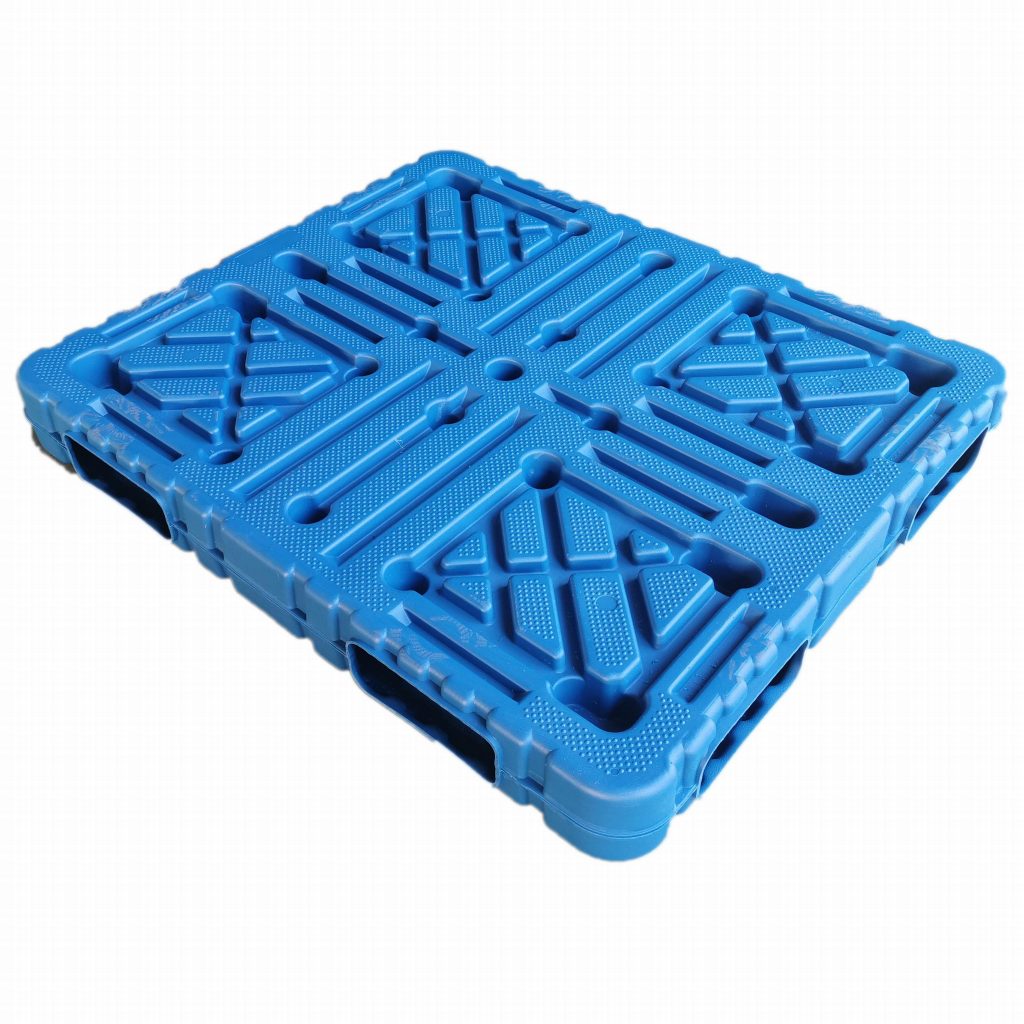
Plastic pallets are flat structures made from high-density plastics that support goods during storage or transport. They are designed to replace wooden pallets, offering advantages like longer life span, hygiene, and recyclability.
Key characteristics:
🧱 High load-bearing capacity
💧 Water and chemical resistance
♻️ Reusable and recyclable
📏 Standardized dimensions for global logistics
Plastic pallets play a critical role in warehouse operations, shipping, and supply chain efficiency.
🏗️ Types of Plastic Pallets
Plastic pallets are designed to meet various industrial needs.
📦 Standard Plastic Pallets
Used in general warehousing and shipping.
Features:
📏 Uniform dimensions for stacking
🧱 Strong and durable structure
⚡ Lightweight for easy handling
🔧 Heavy-Duty Pallets
Designed for industrial and high-load applications.
Advantages:
🛠️ Supports heavy machinery or bulk materials
💪 High-impact resistance
♻️ Resistant to chemicals and moisture
🌱 Food-Grade Plastic Pallets
Specially designed for hygiene-sensitive industries.
Key benefits:
💧 Non-absorbent and easy to clean
🧼 Resistant to bacterial contamination
📦 Compliant with food safety standards
🧪 Materials Used in Plastic Pallets
Plastic pallet performance depends on material composition. Common materials:
🟢 HDPE (High-Density Polyethylene) – durable, lightweight, resistant to chemicals
🔵 PP (Polypropylene) – resistant to impact and heat
⚪ Recycled plastics – eco-friendly, sustainable option
Material choice affects load capacity, lifespan, and suitability for specific industries.
⚙️ Plastic Pallet Manufacturing Process
Plastic pallet production involves precision and quality control.
Steps:
📐 Design and mold development
♻️ Material selection (HDPE, PP, or recycled plastics)
🏭 Injection molding or compression molding
🔍 Quality inspection for load-bearing, flatness, and durability
📦 Packaging for distribution or export
🎨 Customization Options
Plastic pallets can be tailored for specific business needs.
Options include:
📏 Non-standard sizes or shapes
💪 Enhanced weight capacity
🎨 Custom color coding
🔖 Embossed logos or identification codes
Customization improves warehouse management and branding.
🏬 Applications of Plastic Pallets
Plastic pallets are widely used in:
📦 Warehousing and storage
🚚 Shipping and logistics
🍎 Food and beverage industry
💊 Pharmaceuticals and healthcare
⚙️ Industrial manufacturing
🧱 Advantages Over Wooden Pallets
Plastic pallets provide several advantages:
💧 Resistant to water, mold, and pests
🧼 Easier to clean and sanitize
♻️ Reusable and recyclable
⚡ Longer service life with lower maintenance
These factors reduce long-term operational costs.
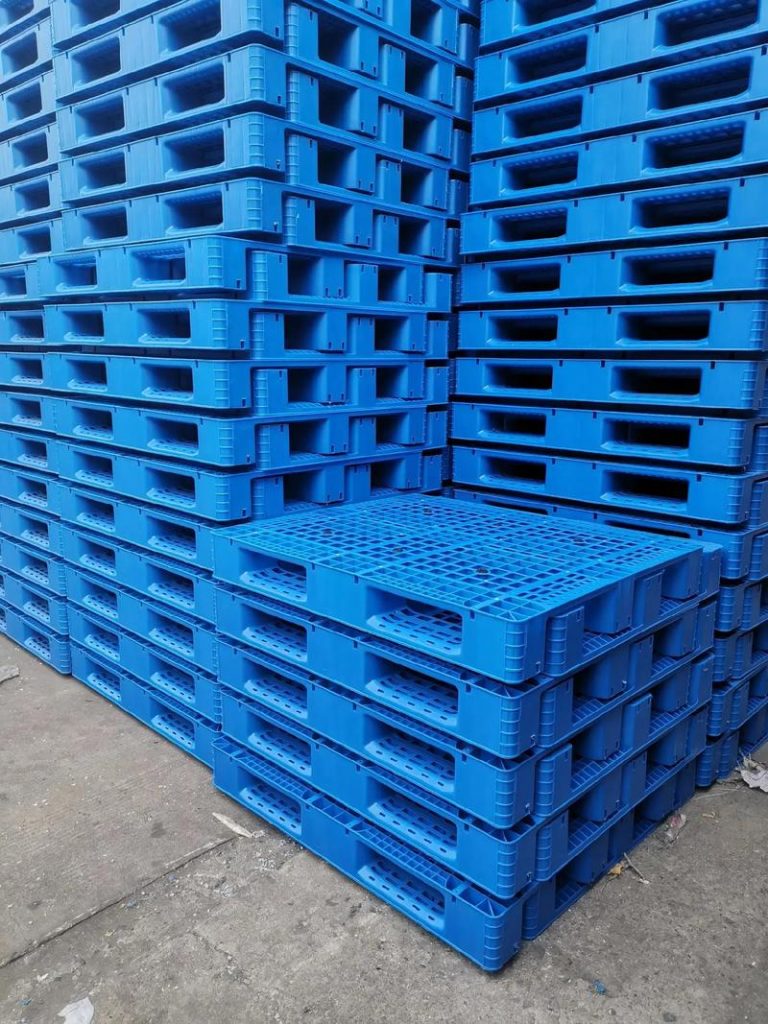
📦 Stackable and Nestable Designs
Efficient storage is possible with:
📏 Stackable pallets for heavy loads
🔽 Nestable pallets to save space when empty
🚚 Easy handling with forklifts or pallet jacks
This design enhances warehouse and transport efficiency.
🌱 Sustainability and Environmental Impact
Plastic pallets support environmentally friendly logistics:
♻️ Made from recyclable materials
🔄 Can be reused hundreds of times
🌍 Reduce deforestation compared to wooden pallets
Sustainable practices in pallet production appeal to eco-conscious businesses.
📊 Global Market and Demand
Plastic pallets are increasingly preferred worldwide.
Drivers include:
📈 E-commerce growth requiring safe and durable shipping solutions
🏭 Industrial automation and material handling
💧 Hygienic requirements in food, pharma, and chemical industries
🚚 Global logistics and export needs
📩 Tips for Choosing a Reliable Plastic Pallet Supplier
When sourcing pallets, consider:
🏭 Production capacity and technology
🔍 Quality assurance processes
📏 Customization and material options
📦 Export logistics support
A reliable supplier ensures consistent quality and timely delivery.
🔮 Future Trends in Plastic Pallet Industry
The plastic pallet market is evolving with:
🌱 Eco-friendly and recycled materials
⚙️ Lightweight, high-strength designs
🆔 Smart pallets with RFID or QR tracking
♻️ Modular designs for versatile industrial use
Innovation improves operational efficiency and supply chain tracking.
❓ FAQ – Plastic Pallets
1. What are plastic pallets used for?
Plastic pallets support goods during storage, transportation, and distribution.
2. Can plastic pallets be customized?
Yes. Plastic pallets can be customized in size, weight capacity, color, and logo.
3. What materials are used in plastic pallet manufacturing?
Common materials include HDPE, PP, and recycled plastics.
4. How do plastic pallets compare to wooden pallets?
Plastic pallets are more durable, hygienic, moisture-resistant, and recyclable.
5. Who buys plastic pallets in bulk?
Warehouses, logistics companies, manufacturers, and exporters purchase pallets in bulk.
6. Are plastic pallets environmentally friendly?
Yes. They are reusable, recyclable, and reduce reliance on wood resources.
7. What should I consider when sourcing plastic pallets?
Consider material type, load capacity, customization, quality assurance, and supplier reliability.


No reply content