
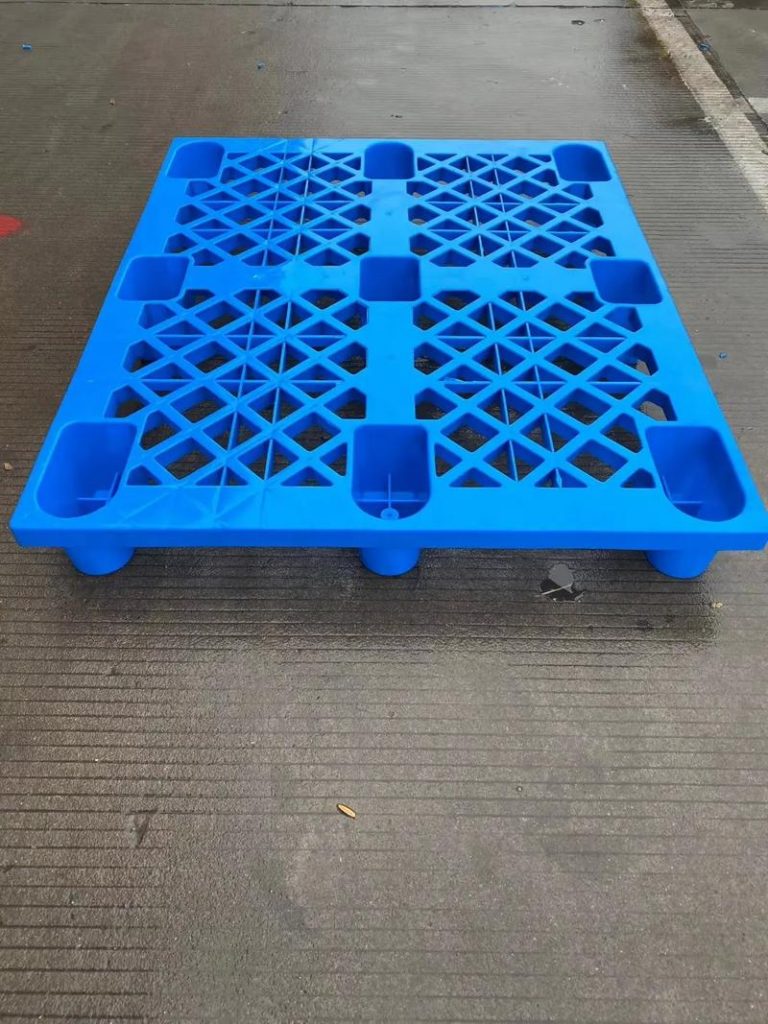
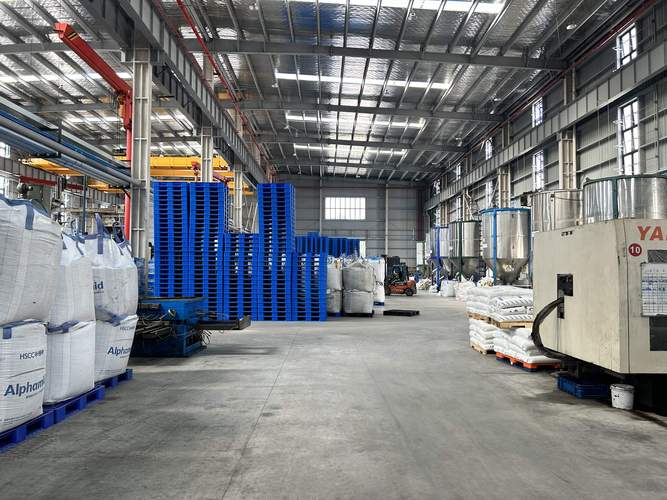
As global businesses increasingly prioritize sustainability, the demand for environmentally responsible logistics solutions is growing. Warehouses, distribution centers, and manufacturers are turning to eco-friendly plastic pallets to reduce environmental impact while maintaining high standards of durability and efficiency. These pallets offer a sustainable alternative to traditional wooden or metal pallets, combining reusability, recyclability, and operational advantages.
Why Eco-Friendly Plastic Pallets Are Important
Sustainability has become a critical factor in modern supply chains. Companies are under pressure to reduce waste, lower carbon emissions, and comply with environmental regulations. Eco-friendly plastic pallets address these challenges in several ways:
-
Reusability
Unlike single-use wooden pallets, plastic pallets can be reused hundreds of times without significant wear. This reduces the need for constant replacement, conserves resources, and minimizes waste in landfills. -
Recyclable Materials
Many plastic pallets are made from recycled plastics and can themselves be recycled at the end of their service life. This circular approach supports environmental responsibility and aligns with corporate sustainability goals. -
Durability and Longevity
Eco-friendly plastic pallets are highly durable, resistant to cracking, moisture, and pests. Their long lifespan reduces resource consumption over time, making them a more sustainable option than pallets that require frequent replacement. -
Reduced Carbon Footprint
Lighter plastic pallets reduce transportation weight, which decreases fuel consumption and associated greenhouse gas emissions. This makes them particularly valuable for companies shipping goods over long distances.
Advantages of Eco-Friendly Plastic Pallets
1. Cost Savings Over Time
While eco-friendly pallets may have a higher upfront cost, their durability and reusability lower total logistics costs. Fewer replacements, less product damage, and reduced maintenance contribute to long-term savings.
2. Hygienic and Safe
Plastic pallets are easy to clean, moisture-resistant, and free of nails or splinters. Many eco-friendly pallets are designed for food, pharmaceutical, or medical industries, meeting strict hygiene and safety standards.
3. Operational Efficiency
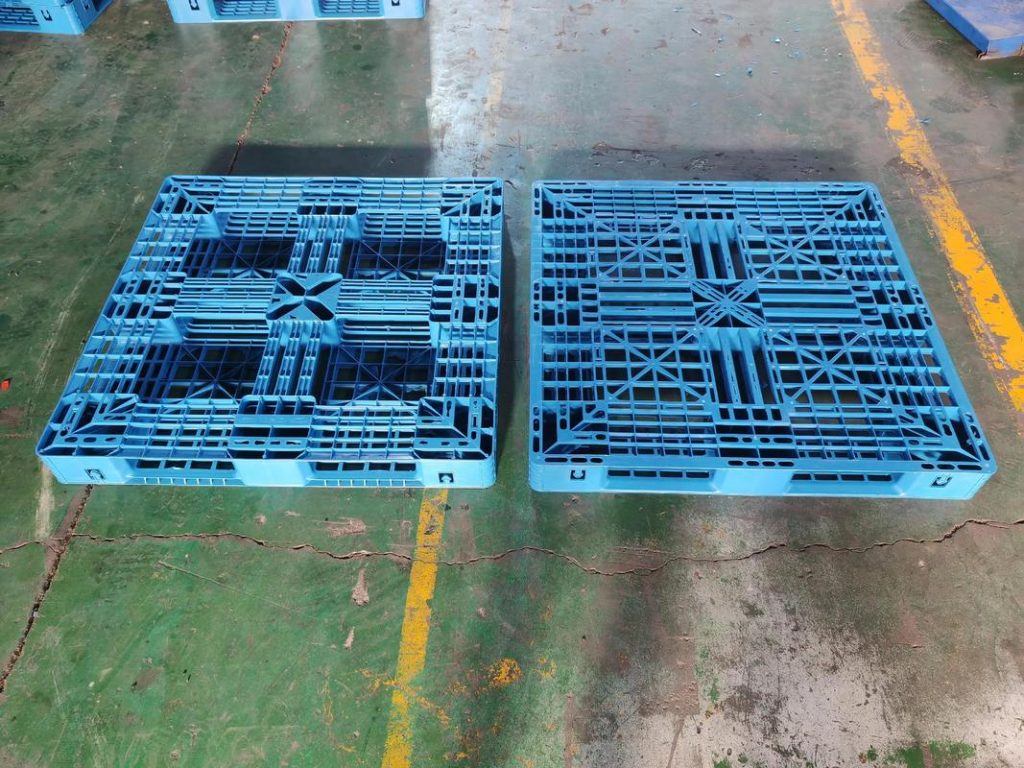
Standardized plastic pallets ensure consistency in size and performance. They are compatible with forklifts, pallet jacks, conveyor systems, and automated storage solutions, improving warehouse workflow and productivity.
4. Versatility Across Industries
Eco-friendly pallets are suitable for multiple sectors:
- Food and Beverage: Compliant with sanitation regulations, resistant to moisture and bacteria.
- Pharmaceuticals: Hygienic and easy to sanitize, supporting regulatory compliance.
- Manufacturing and Retail: Durable enough to handle heavy or irregular loads.
- E-commerce: Lightweight pallets facilitate faster handling and shipping efficiency.
Types of Eco-Friendly Plastic Pallets
Eco-friendly plastic pallets come in various designs to meet specific storage and transportation needs:
1. Recycled Plastic Pallets
Made from post-consumer or post-industrial recycled plastics, these pallets maintain high strength and durability while reducing environmental impact.
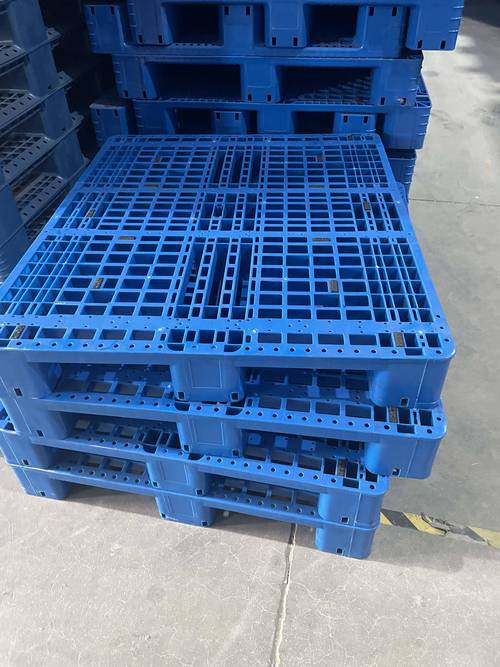
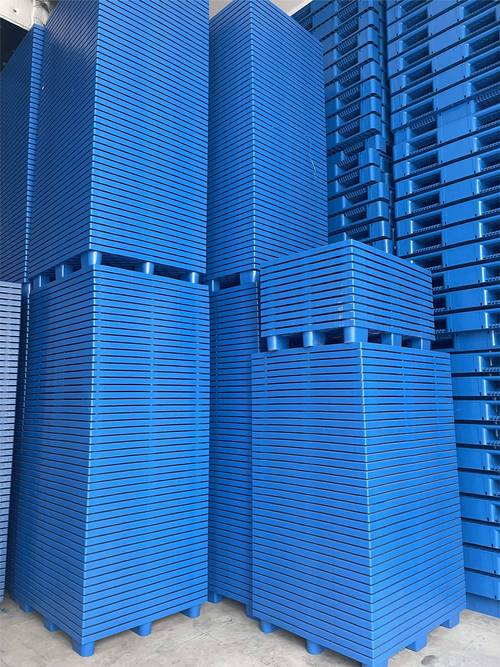
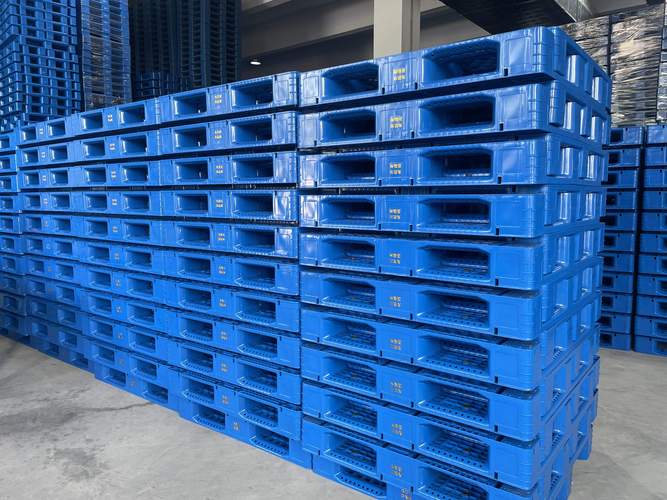
2. Nestable and Stackable Pallets
Both types help save space in warehouses and reduce transportation volume, further lowering environmental impact.
3. Custom Eco-Friendly Pallets
For businesses with unique cargo or operational requirements, pallets can be tailored in size, design, and material while remaining sustainable and recyclable.
4. Food-Grade Plastic Pallets
Designed for hygienic applications, these pallets use non-toxic, recyclable plastics suitable for safe food storage and transport.
How Eco-Friendly Plastic Pallets Support Sustainable Storage
Sustainable storage solutions require a holistic approach to logistics. Eco-friendly plastic pallets contribute by:
- Reducing Waste: Long-lasting pallets reduce the need for disposable alternatives.
- Optimizing Space: Nestable and stackable designs minimize warehouse space usage.
- Minimizing Energy Consumption: Lightweight pallets reduce fuel usage and emissions during transport.
- Supporting Recycling Programs: End-of-life pallets can be reprocessed into new products, closing the loop in the supply chain.
Tips for Selecting Eco-Friendly Plastic Pallets
When choosing sustainable pallets for your storage and logistics operations, consider:
- Material Composition: Look for pallets made from recycled or recyclable plastics.
- Load Capacity: Ensure pallets can support your typical cargo weights safely.
- Compliance: Verify that pallets meet hygiene, safety, and regulatory standards for your industry.
- Design Efficiency: Select pallets that optimize stacking, racking, and handling.
- Cost-Benefit Analysis: Balance upfront investment with long-term savings and environmental benefits.
Conclusion
Eco-friendly plastic pallets are transforming modern storage and logistics operations. By combining durability, reusability, and sustainability, they provide a practical solution for businesses aiming to reduce environmental impact while maintaining operational efficiency.
Investing in eco-friendly pallets is not just an environmentally responsible choice—it is a strategic decision that improves warehouse workflow, reduces long-term costs, and supports a greener, more sustainable supply chain.
For companies committed to both efficiency and environmental responsibility, eco-friendly plastic pallets are the foundation of sustainable storage solutions.


No reply content