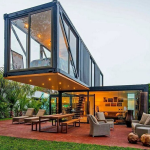
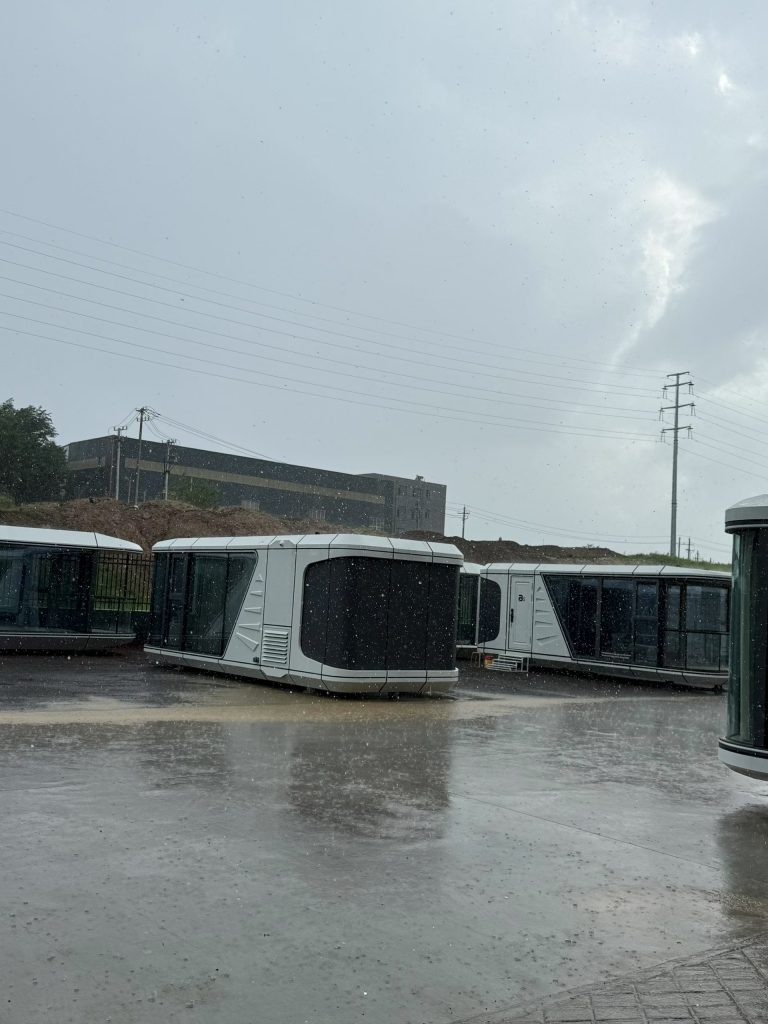
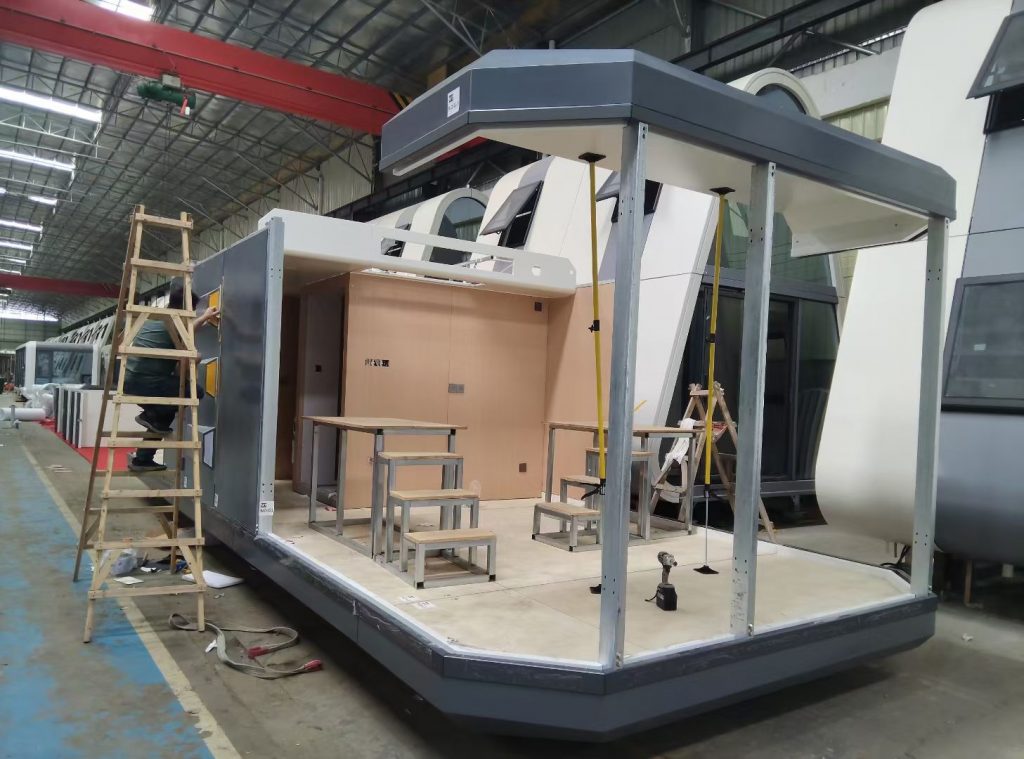
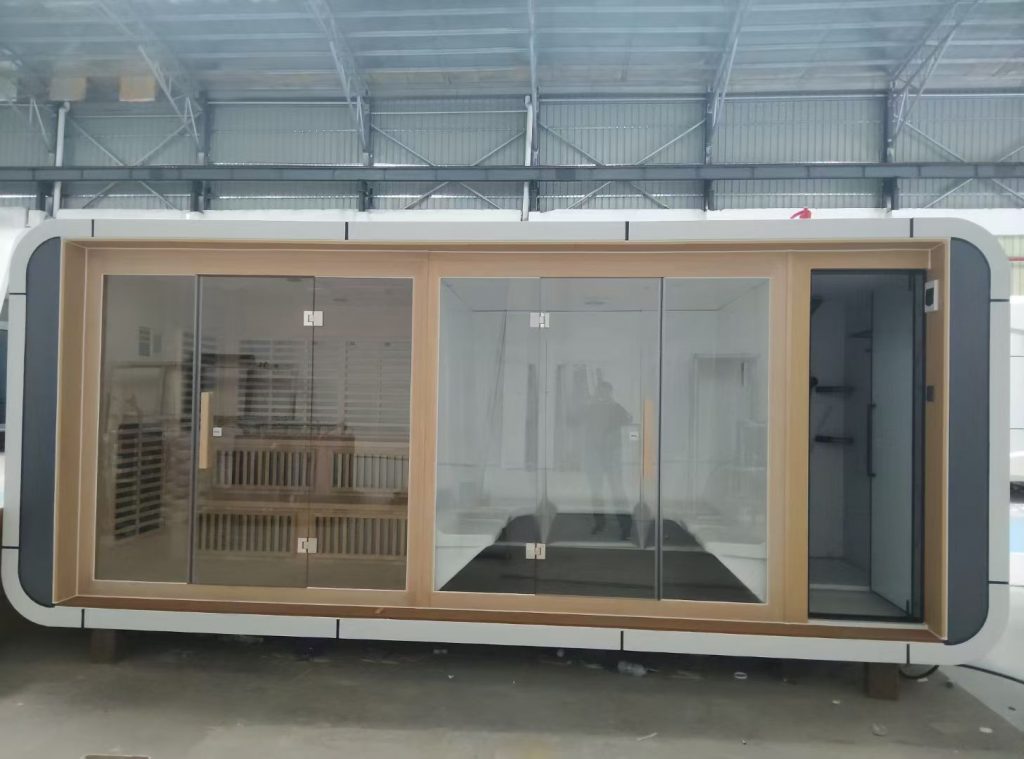
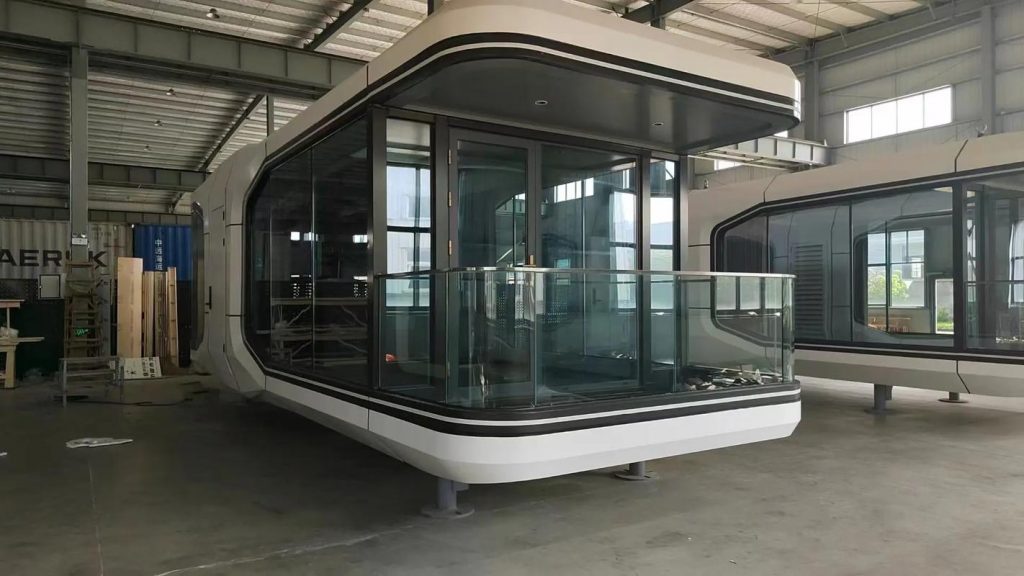
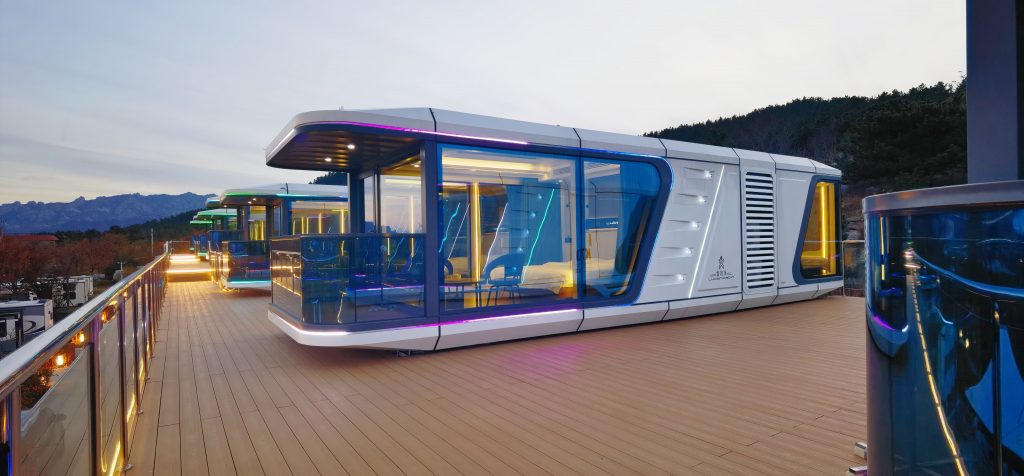
As global awareness of environmental protection rises, people are actively seeking housing solutions that are sustainable, energy-efficient, and low-impact on the natural environment. The eco-friendly pod living house has emerged as one of the most popular modern housing concepts, offering a perfect blend of green design, modular engineering, and comfortable living. With its compact structure, smart systems, and environmentally responsible construction, this new generation of modular cabins is transforming the future of residential and commercial development.
From eco-resorts to private retreats, these pod houses bring a fresh perspective to sustainable living—one that is stylish, functional, and kind to the planet.
1. What Is an Eco-Friendly Pod Living House?
An eco-friendly pod living house is a factory-built modular cabin designed with sustainability at its core. It minimizes environmental impact by using:
- Energy-efficient materials
- Low-emission construction techniques
- Renewable energy options
- High-performance insulation
- Water-saving systems
- Smart technology to optimize energy use
Its compact footprint, aerodynamic exterior, and natural integration with the environment make it ideal for eco-conscious homeowners, resort developers, and nature-friendly tourism businesses.
2. Why Sustainable Modular Cabins Are in High Demand
Reduced Environmental Impact
Prefab production reduces waste and energy usage compared to traditional construction. On-site work is minimal, resulting in less land disruption.
Energy Efficiency
With insulated walls, low-E glass, and smart climate systems, pod homes consume far less energy than standard buildings.
Faster Construction Cycles
Cabins are manufactured in controlled factory conditions and delivered ready-made, significantly shortening the time from purchase to living.
Lower Long-Term Costs
Energy-efficient design reduces electricity and maintenance expenses over time.
Growing Eco-Tourism Market
Travelers increasingly prefer sustainable accommodations, making eco-pods a profitable investment for resorts and Airbnb operators.
Modern Aesthetic Appeal
The sleek, minimalistic design fits harmoniously into natural environments such as forests, lakesides, and mountains.
3. Interior Features of a Sustainable Pod Cabin
Though compact, eco-friendly pod houses are engineered to maximize comfort and functionality.
✔ Living Space
The main area includes:
- A comfortable sofa or lounge seating
- Large windows for natural light
- Indoor-air–quality–friendly materials
- Multi-function shelves and storage
✔ Bedroom Area
A cozy sleeping zone featuring:
- An eco-friendly mattress
- Soft ambient lighting
- Naturally ventilated layout
- Space-efficient cabinetry
✔ Bathroom
Modern and water-efficient:
- Low-flow shower
- Water-saving toilet
- High-efficiency ventilation
- Compact but functional design
✔ Kitchen or Mini Food Prep Area
Depending on the model:
- Energy-efficient appliances
- LED lighting
- Eco-friendly countertops
- Recyclable materials
✔ Smart Systems
- Automated climate control
- Energy monitoring
- LED lighting control
- Optional solar integration
- Natural ventilation mode
4. Applications of Eco-Friendly Modular Pod Houses
◆ Eco-Resorts and Nature Retreats
Sustainable cabins are ideal for scenic locations where protecting the environment is essential.
◆ Green Airbnb and Vacation Rentals
Their eco-friendly features attract eco-conscious travelers and increase booking rates.
◆ Private Off-Grid Homes
Homeowners seeking simple and sustainable living choose pod cabins for:
- Nature properties
- Backyard guest rooms
- Vacation cottages
◆ Outdoor Education Centers
Pods offer eco-friendly accommodation for nature schools, research centers, and educational camps.
◆ Remote Work Pods
These cabins create peaceful and environmentally harmonious workspaces away from urban noise.
◆ Wellness Centers and Yoga Retreats
Their natural aesthetic enhances relaxation and supports wellness-focused businesses.
5. Structural Design and Green Engineering
Eco-friendly pod houses are built with sustainability and durability in mind.
Eco Materials
- Recyclable exterior panels
- FSC-certified wood options
- Non-toxic interior materials
- Low-VOC paints and coatings
Thermal Performance
- High-density insulation
- Double or triple-glazed windows
- Thermal barrier technology
Environmental Protection
- Rainwater-resistant layers
- Anti-corrosion frames
- Weatherproof exterior shells
Indoor Health and Safety
- Good airflow systems
- Moisture-resistant materials
- Fire-safe structural components
These features ensure the cabin performs well in diverse climates while reducing energy consumption.
6. Business Advantages for Developers and Operators
Higher Occupancy Rates
Eco-friendly accommodation appeals strongly to modern travelers.
Premium Pricing Potential
Guests are willing to pay more for green lodging options.
Rapid Deployment
A resort can open quickly by installing multiple pod cabins with minimal site preparation.
Lower Operating Costs
Energy-saving systems reduce electricity bills and heating/cooling expenses.
Brand Enhancement
Businesses gain credibility by offering sustainable living options.
Long-Term Durability
The strong structure ensures long-lasting performance even in challenging outdoor environments.
7. Customization Options for Eco Pod Houses
Eco-friendly pod cabins support wide customization to match customer needs and environmental goals:
- Solar power systems
- Off-grid battery packages
- Rainwater collection
- Greywater recycling
- Composting toilet options
- Eco-friendly flooring and furniture
- Custom exterior colors
- Large or small window configurations
- Smart home system upgrades
- Branding for resorts or eco parks
Customization ensures every cabin fits its specific purpose, whether for tourism, residential use, or sustainable community development.
8. Sustainability and Energy Solutions
Eco-friendly pod houses prioritize efficient and renewable energy usage:
Solar Power Integration
Solar panels and energy storage systems allow off-grid operation.
Efficient Climate Control
Smart HVAC systems adjust automatically to minimize energy waste.
LED Lighting
Consumes less electricity and provides long service life.
Natural Ventilation
Window placement and vent design reduce dependence on mechanical cooling.
Water Conservation
Low-flow fixtures and optional recycling systems protect water resources.
9. The Future of Sustainable Modular Living
Eco-friendly pod cabins are becoming a major trend as more people focus on:
- Green lifestyles
- Minimalist living
- Off-grid solutions
- Smart homes
- Eco-tourism
- Low-impact building practices
With rising environmental standards worldwide, sustainable modular housing will continue to expand in demand across global markets.
Conclusion
The eco-friendly pod living house is more than just a modern housing concept. It is a commitment to sustainable living, efficient construction, and harmonious integration with nature. With low energy consumption, customizable design, and advanced green technologies, these modular cabins provide a long-lasting solution for residential and commercial use.
Whether for eco-resorts, private retreats, vacation rentals, or off-grid homes, sustainable pod houses deliver exceptional comfort and environmental responsibility. As the world continues moving toward greener lifestyles, these pod cabins will play a key role in shaping the future of eco-conscious living.


No reply content