

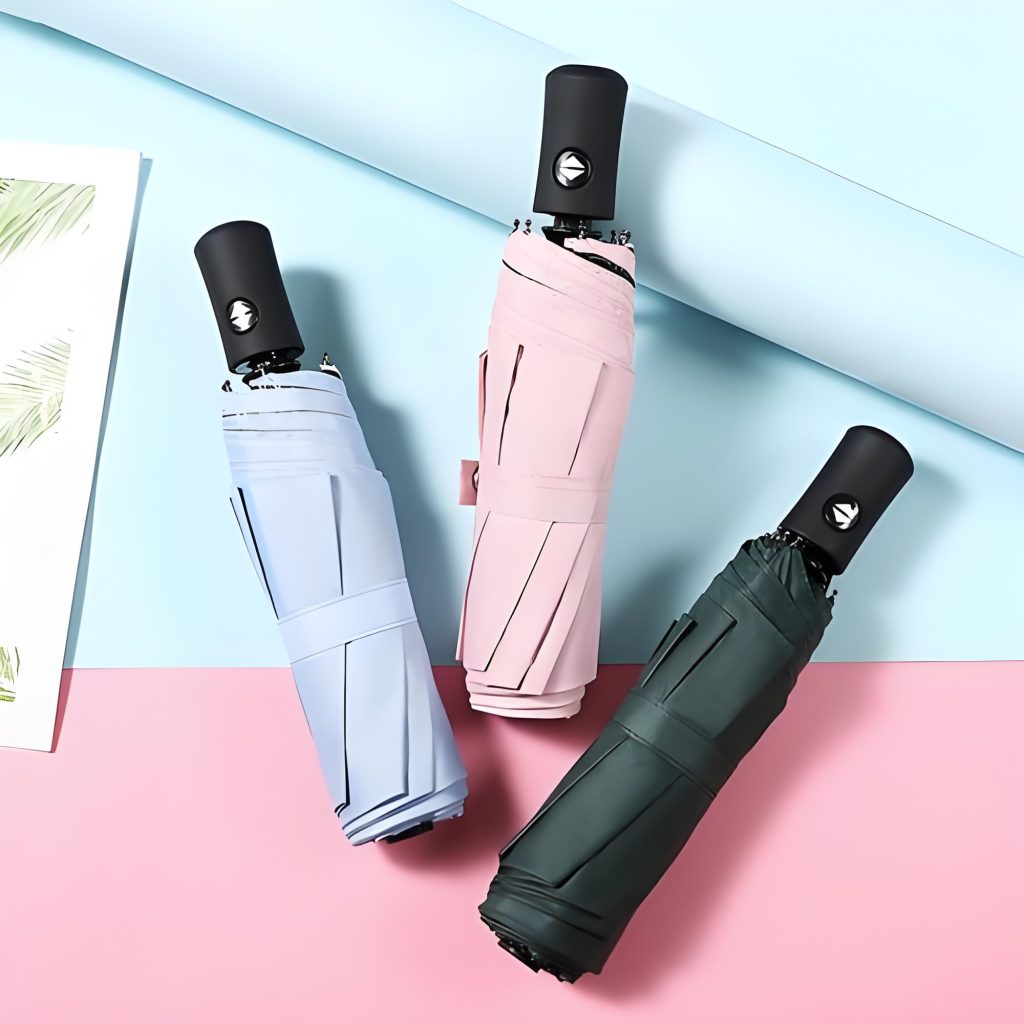

Introduction: The Rise of Eco-Friendly Umbrellas
Global buyers are increasingly demanding sustainable products. For umbrella brands, eco-friendly and recycled umbrellas represent a growing segment of the market, appealing to environmentally conscious consumers, businesses, and retailers.
Eco-friendly umbrellas are typically made from recycled PET (RPET) fabrics, sustainably sourced frames, and packaging designed to reduce environmental impact. Partnering with trusted manufacturers ensures:
- Compliance with international environmental standards
- Consistent high quality without compromising performance
- A positive brand image through sustainable practices
Sustainability in umbrella production is no longer optional; it is a competitive advantage for modern brands.
Materials Used in Eco-Friendly Umbrellas
1. Recycled Polyester (RPET)
- Made from post-consumer PET bottles
- Provides similar strength and durability as traditional polyester
- Water-resistant, quick-drying, and suitable for folding, stick, and golf umbrellas
- Reduces environmental footprint significantly
2. Bamboo and Recycled Wood Handles
- Renewable, biodegradable, and visually appealing
- Strong and lightweight, suitable for stick umbrellas and premium promotional items
3. Recycled Aluminum or Fiberglass Frames
- Maintains strength while reducing carbon emissions from raw material processing
- Supports windproof and folding umbrella designs
4. Biodegradable Packaging
- Kraft paper boxes, recycled plastic sleeves, or compostable wraps
- Enhances the brand’s sustainable image
Technical Performance Specifications
| Component | Material | Specification | Performance Metric |
|---|---|---|---|
| Canopy | RPET 190–210T | Water Repellency Grade 5 | Hydrostatic Pressure ≥ 800 mm |
| Fabric Quick-Dry | RPET | 6–12 min | Fast drying to reduce dripping |
| Frame | Fiberglass / Recycled Aluminum | Rib Diameter 3–5.5 mm | Wind Resistance up to 12 m/s |
| Shaft | Fiberglass / Recycled Aluminum | Diameter 10–16 mm | Tensile Strength ≥ 800 N |
| Handle | Bamboo / Recycled Wood | Ergonomic | Weight ≤ 500 g |
| Packaging | Kraft / Recycled Plastic | Biodegradable / Compostable | Reduces environmental impact |
Advantages of Eco-Friendly Umbrellas
- Environmental Responsibility – Reduces waste and promotes recycling.
- Brand Differentiation – Attracts eco-conscious consumers and retail buyers.
- Durability – RPET fabrics and reinforced frames provide long-lasting performance.
- Regulatory Compliance – Meets EU REACH, CPSIA, and other environmental standards.
- Versatility – Suitable for folding, stick, golf, reverse, and promotional umbrellas.
Applications in Different Umbrella Types
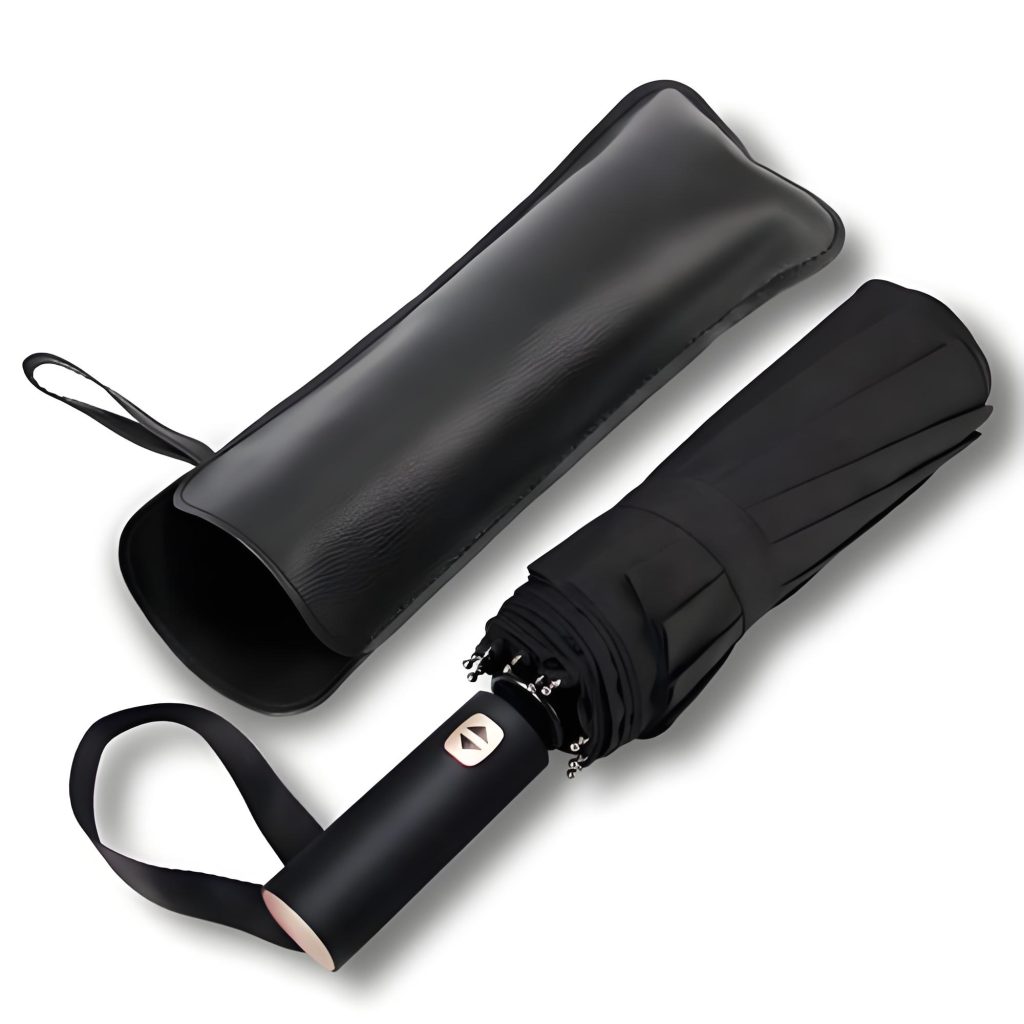
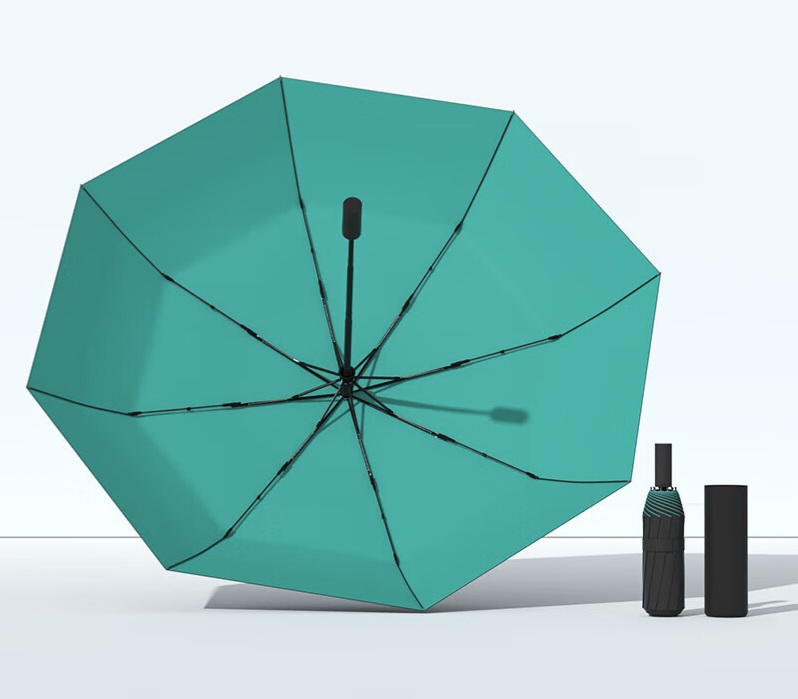
Folding / Travel Umbrellas
- Compact design using RPET fabric for lightweight and sustainable travel
- Reinforced fiberglass ribs for wind resistance
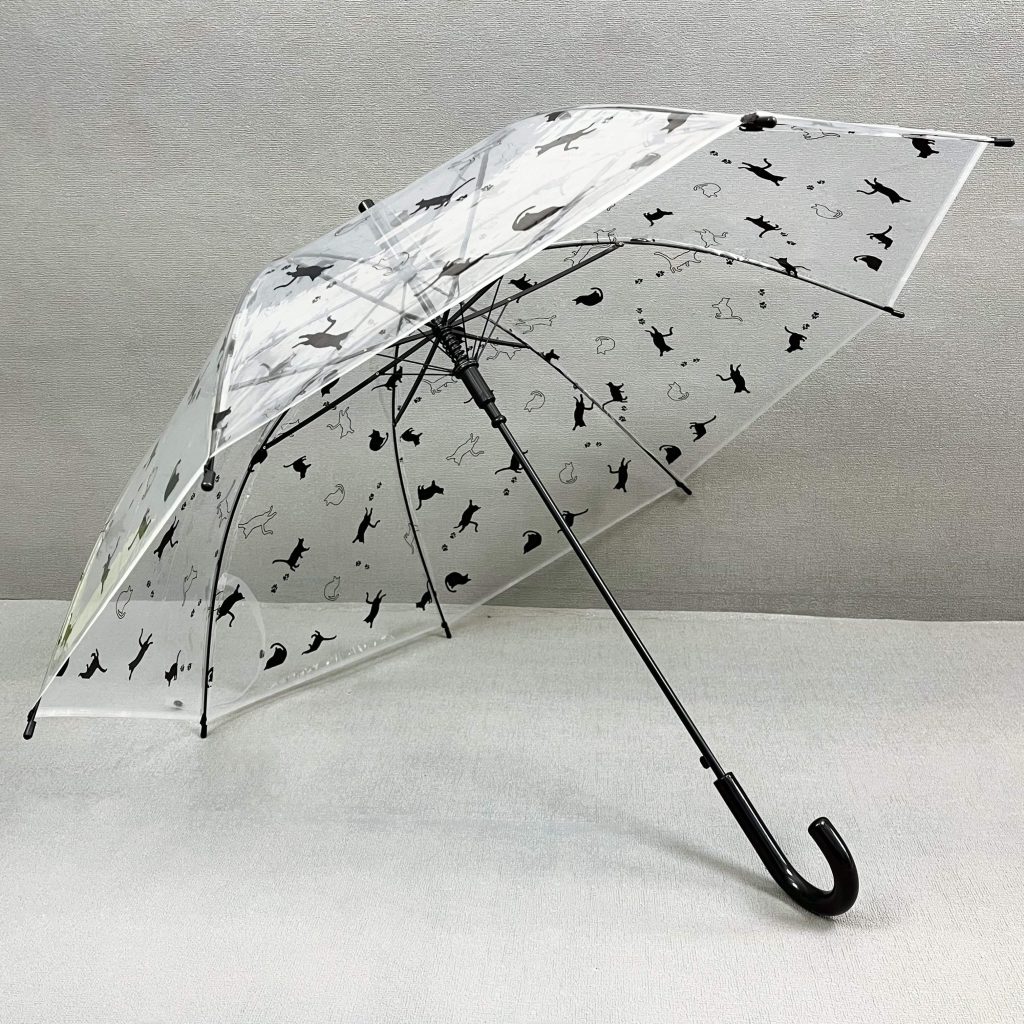
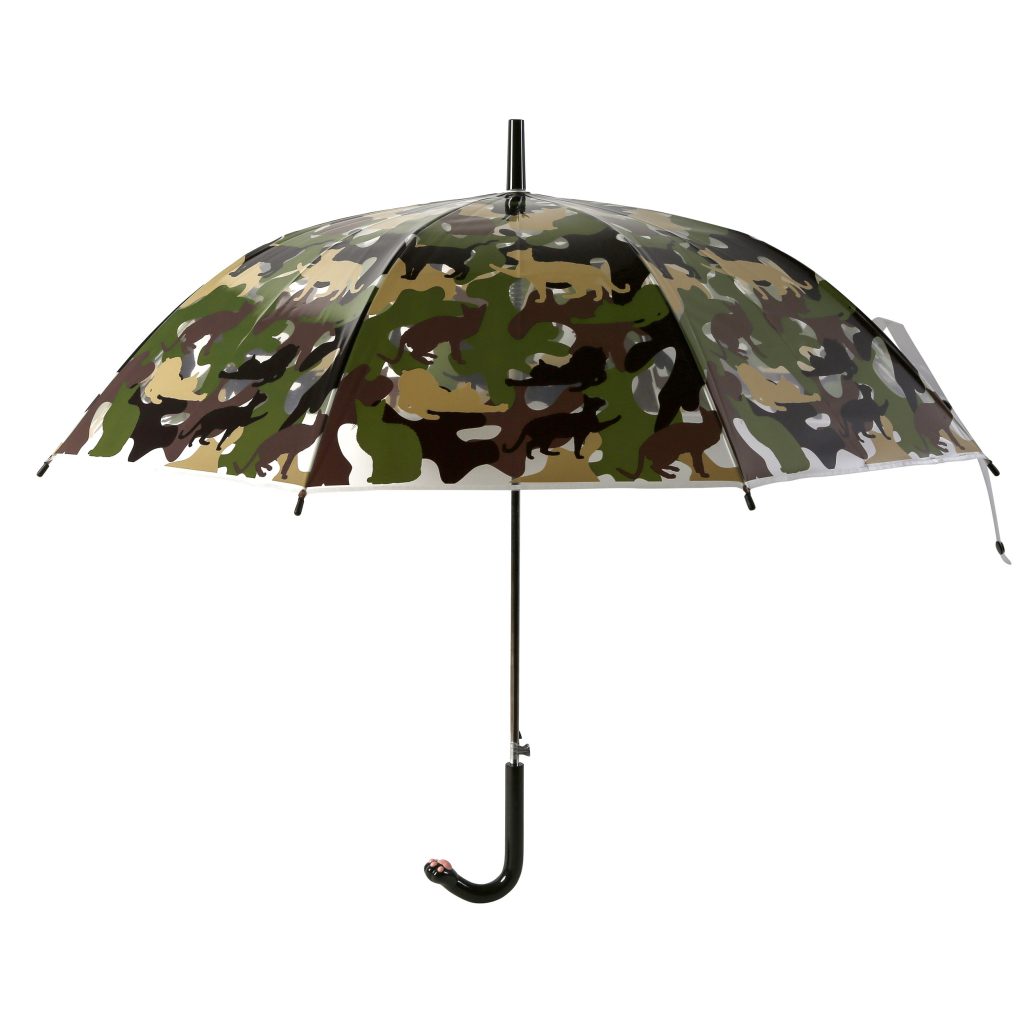
Stick Umbrellas
- Bamboo handles with RPET canopy combine aesthetic appeal and sustainability
- Perfect for corporate gifts or premium retail
Golf Umbrellas
- Large canopy umbrellas made with RPET for eco-conscious sports brands
- Fiberglass frames ensure high wind resistance and durability
Reverse Umbrellas
- Inverted closure design reduces dripping
- Made with recycled materials to maximize environmental impact reduction
Promotional Umbrellas
- Ideal for branding campaigns
- Custom RPET fabrics with logos and eco-friendly packaging enhance brand image
Quality Assurance in Eco-Friendly Umbrella Production
Certified manufacturers employ strict QC procedures to maintain reliability:
- Fabric Testing – Water repellency, UV protection, abrasion resistance
- Frame Testing – Windproof and tensile strength tests
- Durability Tests – Opening/closing cycles ≥ 3,000
- Sustainability Verification – RPET content, recycled handles, eco-friendly packaging
Comparison: Eco-Friendly Umbrellas vs Traditional Umbrellas
| Feature | Eco-Friendly Umbrellas | Traditional Umbrellas |
|---|---|---|
| Fabric | RPET / Recycled Polyester | Polyester / Pongee |
| Handles | Bamboo / Recycled Wood | Plastic / Wood / Metal |
| Environmental Impact | Low / Recyclable | Moderate / Non-recyclable |
| Durability | High | Medium-High |
| Weight | Lightweight | Lightweight-Medium |
| Market Appeal | Eco-conscious & Premium | General |
| Compliance | REACH, CPSIA, ISO | Variable |
FAQ: Eco-Friendly / Recycled Umbrellas
Q1: What is RPET fabric?
RPET stands for Recycled Polyethylene Terephthalate, derived from recycled plastic bottles, offering similar strength, water repellency, and UV protection as conventional polyester.
Q2: Can eco-friendly umbrellas be windproof?
Yes, combining RPET canopy with fiberglass or recycled aluminum ribs ensures wind resistance up to 12 m/s.
Q3: Are recycled materials durable enough for commercial use?
Absolutely. RPET fabrics and recycled frames undergo tensile and abrasion testing, matching or exceeding traditional materials.
Q4: Can OEM/ODM brands customize eco-friendly umbrellas?
Yes. Factories can provide private label options, custom logos, colors, handles, and packaging while maintaining sustainability.
Q5: How are eco-friendly umbrellas certified?
Many meet ISO, REACH, CPSIA, or BSCI / Sedex compliance standards for environmentally responsible manufacturing.
Technical Specification Table (Example: Eco-Friendly Folding Umbrella)
| Feature | Specification |
|---|---|
| Canopy Material | RPET 210T with DWR coating |
| Open Diameter | 105 cm |
| Folded Length | 32 cm |
| Rib Material | Fiberglass 4 mm |
| Shaft Material | Fiberglass + Recycled Aluminum Alloy |
| Handle Material | Bamboo / Recycled Wood |
| Opening/Closing Cycles | ≥ 3,000 |
| Wind Resistance | Up to 12 m/s |
| Water Repellency | Grade 5 |
| UV Protection | UPF 50+ |
| Packaging | Kraft Paper / Recyclable Plastic |
| Weight | 420 g |
Conclusion: Why Eco-Friendly Umbrellas Are the Future
Sourcing eco-friendly and recycled umbrellas is not just a sustainable choice—it’s a strategic business decision. Benefits include:
- Environmental impact reduction through recycled materials
- Brand differentiation and positive consumer perception
- High durability and performance comparable to traditional umbrellas
- Compliance with global environmental standards
For OEM, ODM, and private label umbrella brands, eco-friendly umbrellas represent a growing market trend, combining premium quality, sustainability, and global appeal.


No reply content