


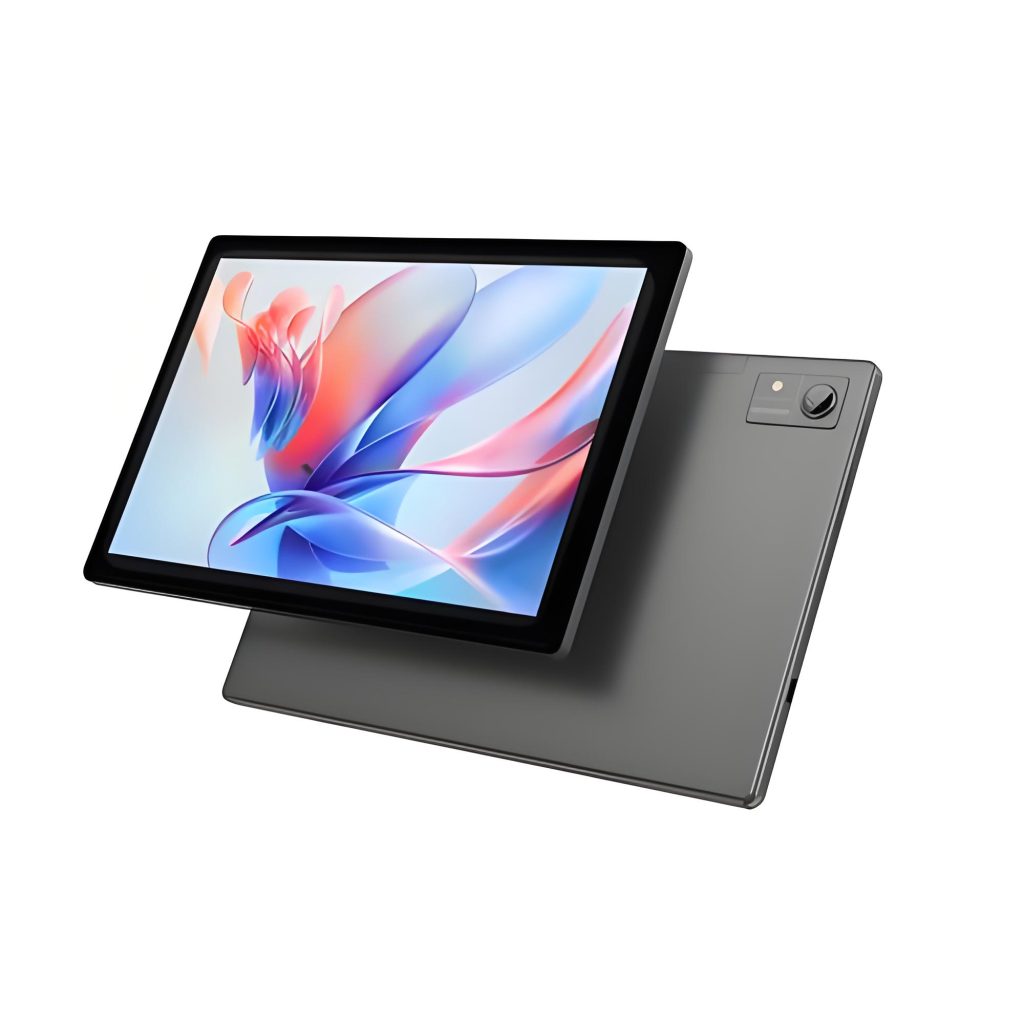
Educational tablet PCs are transforming classrooms worldwide by combining interactive learning, digital content, and portability. Suppliers provide reliable, durable, and customizable devices designed for students and educators, offering seamless integration with educational software, extended battery life, and robust performance to enhance learning experiences across all educational levels.
1. Introduction to Educational Tablet PCs
Educational tablet PCs are specialized devices developed for learning environments, combining mobility, interactivity, and educational content access. Unlike standard consumer tablets, these devices prioritize durability, long battery life, and compatibility with educational software platforms.
Tablet PCs are increasingly used in schools, colleges, training centers, and e-learning initiatives. Their portability allows students to access lessons, collaborate on projects, and engage in digital learning both inside and outside the classroom.
Key benefits include:
- Interactive Learning: Supports touchscreens, stylus input, and digital collaboration tools.
- Portability: Lightweight and easy to carry between classrooms and homes.
- Durability: Reinforced designs to withstand daily handling by students.
- Software Compatibility: Supports educational apps, learning management systems, and e-textbooks.
2. Advantages of Partnering with an Educational Tablet PC Supplier
Suppliers specialized in educational tablets offer significant advantages for schools, institutions, and resellers:
- Customization: Hardware and software tailored to educational requirements, including pre-installed learning apps.
- Reliability: Devices designed to handle frequent use in classroom environments.
- Cost Efficiency: Competitive pricing for bulk orders, making technology accessible to institutions.
- Technical Support: Assistance with deployment, software updates, and troubleshooting.
- Warranty and Compliance: Long-term warranties and compliance with safety and environmental regulations.
Working with a trusted supplier ensures institutions receive tablets that meet both technical and pedagogical requirements.
3. Core Components of Educational Tablet PCs
a. Processor (CPU)
Educational tablets use energy-efficient processors capable of handling interactive lessons, multimedia content, and educational applications simultaneously. ARM-based processors are common for lightweight and fanless designs, providing reliable performance for school workloads.
b. Memory (RAM)
Adequate RAM ensures smooth multitasking. Typical configurations range from 2GB to 8GB for standard educational tasks, with higher memory supporting multimedia content creation, coding lessons, or specialized learning software.
c. Storage Solutions
Flash storage or SSDs are used to provide fast access to learning materials, applications, and offline resources. Typical capacities range from 32GB to 128GB, often expandable via microSD cards.
d. Display Technology
Displays are optimized for readability, low glare, and touch sensitivity. Sizes typically range from 8 to 12 inches with resolutions supporting clear text and multimedia content. Durable glass or reinforced screens help prevent damage from daily use.
e. Battery and Power Management
Long-lasting batteries allow full-day classroom use without requiring charging breaks. Efficient power management extends device longevity and ensures uninterrupted learning sessions.
f. Durability and Build Quality
Educational tablets often feature reinforced chassis, rubber bumpers, and water-resistant coatings to survive drops, spills, and frequent handling by students.
4. Software and Educational Applications
Educational tablet PCs must support a range of educational software:
- Learning Management Systems (LMS): Platforms for lesson planning, grading, and remote instruction.
- Interactive Apps: Tools for mathematics, language learning, science simulations, and coding.
- E-Books and Digital Libraries: Access to textbooks and reference materials in digital formats.
- Collaboration Tools: Video conferencing, chat, and collaborative document editing.
OEM suppliers often preload tablets with relevant educational apps and tools, enabling immediate classroom integration.
5. Target Markets for Educational Tablets
Educational tablets are used in various educational settings:
- Primary and Secondary Schools: Lightweight devices for daily learning, homework, and digital textbooks.
- Higher Education Institutions: Tablets support advanced applications, simulations, and e-learning platforms.
- Vocational Training Centers: Devices tailored for practical skills training and interactive learning.
- Remote Learning Programs: Tablets enable access to education for students in remote or underserved regions.
- EdTech Companies: Resellers and learning platforms integrate tablets into their educational offerings.
Suppliers often provide bulk orders with configuration options to match the needs of different markets.
6. Quality Assurance in Educational Tablet Manufacturing
Reliable suppliers perform comprehensive quality control:
- Hardware Testing: Verification of CPU, RAM, storage, battery, and display performance.
- Drop and Stress Testing: Ensures durability for student use.
- Battery Testing: Confirms extended battery life under typical classroom workloads.
- Software Validation: Pre-installed educational apps and OS tested for compatibility.
- Safety Compliance: Ensures devices meet international safety and environmental standards.
Quality assurance guarantees that tablets perform reliably in educational settings.
7. Customization Options
Suppliers provide extensive customization for educational tablets:
- Hardware: Processor speed, RAM, storage, display size, and battery capacity.
- Software Packages: Learning apps, productivity software, and LMS integration.
- Branding: School logos, colors, or institutional customizations.
- Accessories: Protective cases, stylus pens, keyboards, or charging carts.
- Network and Security Features: Wi-Fi, VPN support, parental controls, and encryption for safe learning environments.
Customization ensures that tablets fit specific educational goals and institutional requirements.
8. Supply Chain and Logistics
Efficient supply chain management is essential:
- Component Sourcing: Reliable sourcing of processors, displays, batteries, and memory.
- Assembly and Testing: Ensuring fully functional devices for bulk orders.
- Packaging: Safe and protective packaging for shipping to schools or distributors.
- Lead Time: Manufacturers provide production and delivery estimates based on order size and specifications.
- Global Compliance: Certifications for electrical safety, environmental standards, and wireless connectivity.
Effective logistics allow timely deployment of educational technology to classrooms worldwide.
9. Market Trends in Educational Tablets
The educational tablet market is evolving rapidly:
- Remote Learning Expansion: Increased demand due to distance education initiatives.
- Durability and Portability: Lighter, stronger tablets for active student use.
- Digital Curriculum Integration: Tablets embedded in structured e-learning programs.
- Cloud Connectivity: Tablets supporting cloud storage and collaboration.
- Eco-Friendly Designs: Sustainable materials and energy-efficient components.
Suppliers that adapt to these trends can meet the growing global demand for educational technology.
10. FAQ – Educational Tablet PC Supplier
Q1: Can educational tablets be customized for different school curriculums?
A1: Yes, suppliers provide tailored hardware and software packages to match specific curriculum and learning requirements.
Q2: What is the typical warranty for educational tablets?
A2: Warranties generally range from 1–3 years, covering hardware defects and technical support.Q3: Are these tablets durable for student use?
A3: Yes, they are designed with reinforced chassis, bumpers, and durable displays to withstand daily classroom handling.Q4: Can suppliers preload educational apps?
A4: Yes, tablets can come pre-installed with learning management systems, interactive apps, and e-books.
Q5: What is the lead time for bulk orders?
A5: Lead times typically range from 4–8 weeks, depending on customization and order volume.
Q6: Do educational tablets support remote learning?
A6: Yes, they are compatible with cloud platforms, video conferencing, and remote collaboration tools.


No reply content