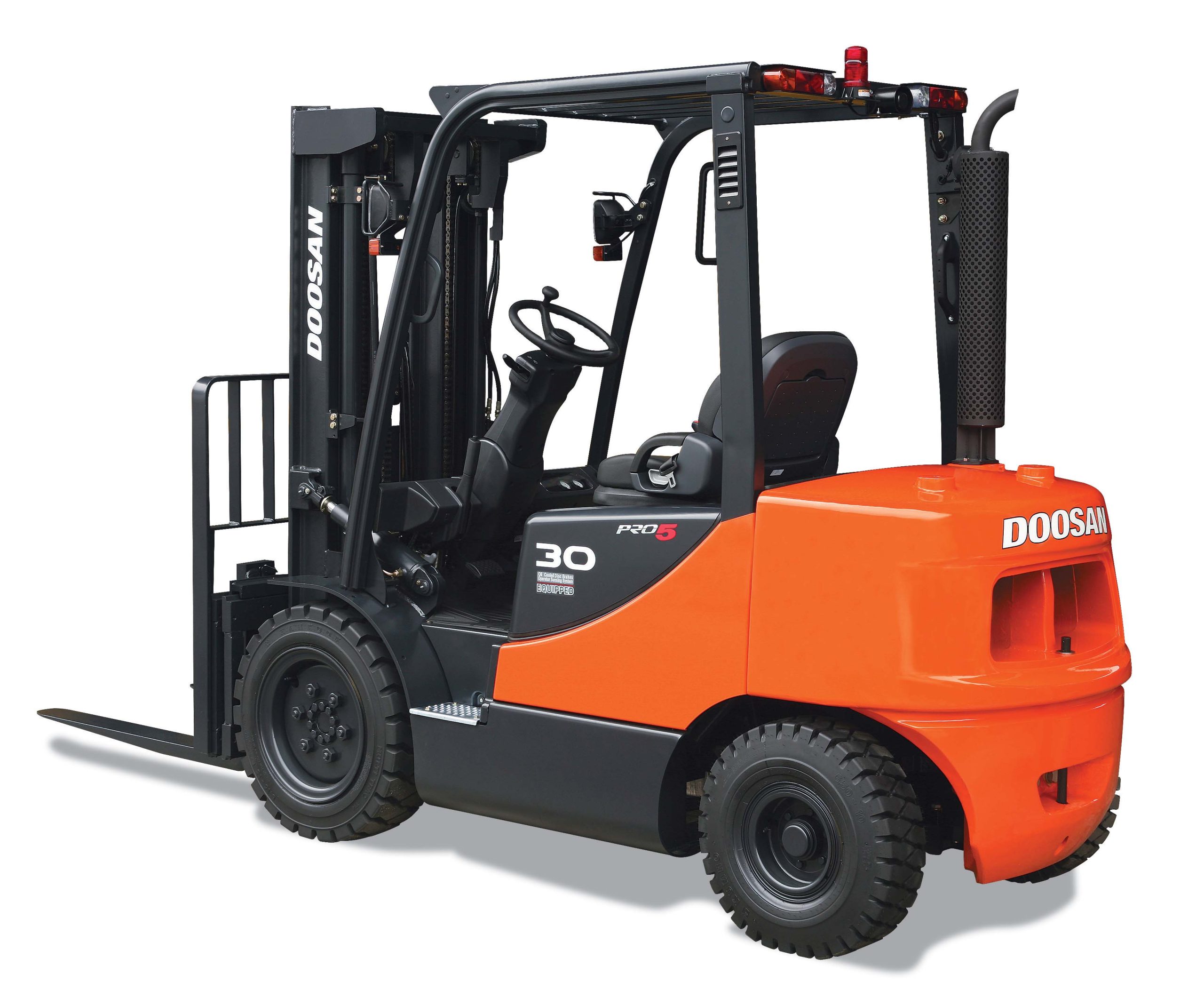
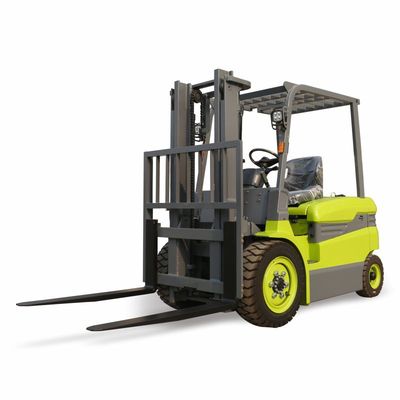
Selecting the right electric forklift is a critical decision for warehouses, factories, logistics companies, and distribution centers. The correct forklift can improve operational efficiency, reduce labor costs, increase workplace safety, and lower long-term maintenance expenses.
With growing demand for environmentally friendly material handling equipment, electric forklifts have become an increasingly popular choice for businesses worldwide. Compared with traditional diesel forklifts, electric models offer cleaner operation, lower noise levels, reduced maintenance requirements, and excellent performance in indoor environments.
However, choosing the best electric forklift requires careful evaluation of factors such as load capacity, battery technology, working conditions, operating costs, and manufacturer reliability.
This buying guide explains the key points businesses should consider before purchasing an electric forklift.
1. Determine Your Material Handling Requirements
The first step in selecting an electric forklift is understanding your actual working needs.
Different businesses have different requirements depending on:
- Product weight
- Warehouse layout
- Lifting height
- Working hours
- Floor conditions
- Storage system
- Operating environment
A forklift that works well in a small warehouse may not be suitable for a large industrial facility.
2. Choose the Correct Load Capacity
Load capacity is one of the most important factors when purchasing an electric forklift.
Common capacity options include:
- 1.5 ton electric forklift
- 2 ton electric forklift
- 2.5 ton electric forklift
- 3 ton electric forklift
- Heavy-duty electric forklifts
Choosing the correct capacity ensures:
- Safe operation
- Better equipment lifespan
- Higher productivity
- Lower risk of accidents
A forklift should never operate beyond its rated lifting capacity because excessive loads can affect stability and safety.
3. Consider Lifting Height Requirements
Warehouse operations often require different lifting heights.
Before purchasing, consider:
- Maximum rack height
- Warehouse ceiling height
- Storage system design
- Mast configuration
Electric forklifts are available with different mast options, including:
- Two-stage mast
- Three-stage mast
- High-lift mast
Selecting the correct mast improves warehouse efficiency and space utilization.
4. Understand Different Battery Options
Battery technology directly affects forklift performance and operating costs.
Lithium Battery Electric Forklifts
Lithium batteries are becoming increasingly popular.
Advantages:
- Fast charging
- Long service life
- Maintenance-free operation
- Higher energy efficiency
- Opportunity charging capability
They are suitable for:
- Multi-shift operations
- Large warehouses
- High-frequency applications
Lead-Acid Battery Electric Forklifts
Lead-acid batteries remain widely used because of their lower initial investment.
Advantages:
- Lower purchase cost
- Mature technology
- Easy replacement availability
They are suitable for:
- Standard warehouse operations
- Single-shift applications
5. Evaluate Operating Environment
The working environment determines which forklift configuration is suitable.
Indoor Warehouses
Electric forklifts are ideal because they provide:
- Zero exhaust emissions
- Low noise
- Cleaner working conditions
Cold Storage
Cold environments may require:
- Special battery systems
- Cold-resistant components
- Additional protection
Manufacturing Facilities
Factories may need:
- Higher durability
- Continuous operation capability
- Customized attachments
6. Compare Electric Forklift Features
Different models offer different features.
Important features include:
Safety Systems
- Overload protection
- Emergency stop button
- Speed limitation
- Warning alarms
- Operator protection systems
Comfort Features
- Adjustable seats
- Ergonomic controls
- Low vibration design
- Easy visibility
Efficiency Features
- Energy-saving systems
- Intelligent battery management
- Regenerative braking
These features improve productivity and reduce operator fatigue.
7. Consider Maintenance Requirements
Maintenance affects the total cost of ownership.
Electric forklifts generally require less maintenance compared with internal combustion forklifts because they have:
- Fewer moving parts
- No engine oil replacement
- No fuel system maintenance
- Reduced mechanical wear
However, buyers should still check:
- Battery maintenance requirements
- Spare parts availability
- Service support
- Technical assistance
8. Calculate Total Ownership Cost
The purchase price is only one part of the investment.
Businesses should evaluate:
Initial Cost
Includes:
- Forklift price
- Battery type
- Optional equipment
- Accessories
Operating Cost
Includes:
- Electricity consumption
- Maintenance
- Spare parts
- Labor efficiency
Long-Term Benefits
A high-quality electric forklift can provide:
- Longer service life
- Lower repair costs
- Improved productivity
- Better workplace safety
9. Choose a Reliable Electric Forklift Manufacturer
The manufacturer you choose directly affects product quality and after-sales support.
A reliable supplier should provide:
- Professional engineering support
- Strict quality control
- Product testing
- Spare parts supply
- Warranty service
- Technical assistance
Before ordering, evaluate:
- Factory experience
- Production capacity
- Customer reviews
- Export history
- Certifications
10. OEM and Customized Electric Forklift Solutions
Different industries may require customized solutions.
Professional manufacturers can provide:
- Customized fork sizes
- Special attachments
- Different battery configurations
- Company logo customization
- Specific color options
OEM solutions allow businesses to purchase forklifts designed specifically for their operations.
11. Why Choose Electric Forklifts for Modern Warehouses?
Electric forklifts provide many advantages:
Environmental Benefits
- Zero emissions during operation
- Reduced workplace pollution
- Lower carbon footprint
Economic Benefits
- Lower energy costs
- Reduced maintenance expenses
- Longer equipment lifespan
Operational Benefits
- Quiet operation
- Smooth driving performance
- Better indoor usability
These advantages make electric forklifts an excellent choice for modern logistics systems.
Common Buying Mistakes to Avoid
Many companies make mistakes when purchasing electric forklifts.
Avoid:
Buying Based Only on Price
Low-cost equipment may create higher maintenance expenses later.
Choosing Incorrect Capacity
Insufficient capacity affects safety and productivity.
Ignoring Battery Performance
Battery quality determines working efficiency.
Not Checking Supplier Support
After-sales service is essential for long-term operation.
Skipping Product Testing
Always review technical information and request samples or demonstrations when possible.
Conclusion
Choosing the best electric forklift requires a complete understanding of your operational requirements, load capacity, battery technology, working environment, maintenance needs, and supplier reliability.
The right electric forklift can help businesses improve warehouse efficiency, reduce operating costs, enhance safety, and support sustainable development goals.
By working with an experienced electric forklift manufacturer and selecting equipment based on real business requirements, companies can build a more efficient and reliable material handling system.
FAQ
1. What factors should I consider when buying an electric forklift?
Consider load capacity, lifting height, battery type, operating environment, maintenance costs, safety features, and manufacturer reliability.
2. Are electric forklifts suitable for large warehouses?
Yes. Many large warehouses use electric forklifts because they provide efficient, quiet, and clean material handling.
3. How long does an electric forklift battery last?
Battery lifespan depends on battery type, usage frequency, charging methods, and maintenance practices.
4. Can electric forklifts be customized?
Yes. Manufacturers can customize forks, batteries, attachments, colors, and other configurations according to customer needs.
5. Why are electric forklifts becoming more popular?
Businesses choose electric forklifts because they offer lower operating costs, cleaner operation, reduced maintenance, and better workplace conditions.


No reply content