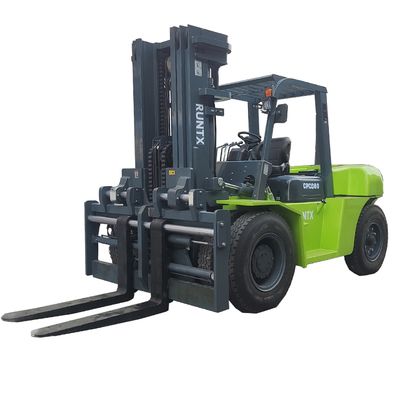
When expanding an industrial fleet or upgrading warehouse equipment, B2B buyers face a critical decision: Electric vs. Diesel Forklifts. Choosing the right power system affects not only your upfront capital expenditure (CAPEX) but also your long-term operational expenditure (OPEX), maintenance schedule, and environmental compliance.
This guide provides a detailed breakdown of costs, efficiency metrics, and operational suitability to help facility managers and procurement officers make an informed, data-driven investment.
Direct Comparison: Electric vs. Diesel
| Parameter | Electric Forklifts (Lithium-ion / Lead-Acid) | Diesel Forklifts (Internal Combustion) |
|---|---|---|
| Primary Use Environment | Indoor warehouses, cold storage, cleanrooms | Heavy-duty outdoor yards, ports, rough terrain |
| Upfront Cost (CAPEX) | Higher (Includes battery & charger investment) | Lower initial machinery purchase price |
| Operating Cost (OPEX) | Extremely low (Electricity vs. Fuel) | Higher (Continuous fuel consumption) |
| Maintenance Needs | Low (No engine oil, spark plugs, or filters) | High (Engine servicing, oil changes, exhaust systems) |
| Emissions & Noise | Zero emissions, near-silent operation | Diesel exhaust emissions, high operational noise |
| Refueling / Runtime | Fast charging or battery swapping required | Quick tank refilling for 24/7 continuous duty |
| Lifespan | Long (Fewer moving parts to wear out) | High durability under extreme weather conditions |
1. Cost Analysis: Upfront Price vs. Total Cost of Ownership (TCO)
While a diesel forklift usually costs less initially, an electric forklift often yields a lower Total Cost of Ownership (TCO) over a 3-to-5-year operational lifecycle.
- Capital Expenditure (CAPEX): Diesel forklifts carry a lower upfront price tag. Electric models require an additional initial investment in high-capacity batteries (such as Lithium-ion) and industrial charging stations.
- Fuel & Energy Costs: Charging an electric forklift is significantly cheaper per operating hour than burning diesel fuel. In high-use double-shift environments, energy savings from electric units can offset the initial price difference within 18 to 24 months.
- Maintenance & Servicing: Diesel engines require frequent oil changes, belt replacements, air/fuel filter servicing, and radiator maintenance. Electric forklifts feature brushless AC motors with drastically fewer moving parts, reducing routine maintenance expenses by up to 40–50%.
2. Operational Efficiency & Performance
                           ┌─────────────────────────┐
                           │   Operational Context   │
                           └────────────┬────────────┘
                                        │
                 ┌──────────────────────┴──────────────────────┐
                 ▼                                             ▼
      ┌─────────────────────┐                       ┌─────────────────────┐
      │   Indoor / Clean    │                       │  Outdoor / Heavy    │
      ├─────────────────────┤                       ├─────────────────────┤
      │ • Zero Emissions    │                       │ • Unlimited Torque  │
      │ • Low Noise         │                       │ • All-Weather Duty  │
      │ • Electric Forklift │                       │ • Diesel Forklift   │
      └─────────────────────┘                       └─────────────────────┘
Electric Forklifts: Maximum Efficiency Indoors
- Tight Maneuverability: Compact chassis designs make electric units agile in narrow warehouse aisles.
- Instant Torque: Electric motors deliver immediate torque at zero RPM, providing smooth acceleration and precise position control for delicate cargo.
- Zero Contamination: Essential for food processing, pharmaceuticals, and enclosed logistics hubs where exhaust fumes are strictly regulated.
Diesel Forklifts: Raw Power for Heavy Duty
- High Tonnage Handling: Ideal for heavy industrial loads (5T to 25T+) such as steel containers, timber, and heavy machinery parts.
- Continuous Heavy Operations: A diesel forklift can operate non-stop across multiple shifts with just a 5-minute refueling stop, eliminating battery recharge downtime.
- All-Weather Adaptability: Unaffected by rain, mud, or extreme cold, making them suited for outdoor ports and gravel yards.
3. Workplace Safety & Environmental Compliance
- Emissions & ESG Goals: Global supply chains are subject to stricter ESG (Environmental, Social, and Governance) targets. Electric forklifts produce zero tailpipe emissions, helping companies lower carbon footprints and comply with local air quality laws.
- Noise Reduction: Electric units drastically reduce decibel levels in warehouses, improving operator comfort, reducing fatigue, and enhancing overall site communication.
Conclusion: Which One Should You Buy?
- Choose Electric If: You operate primarily indoors, run a food/pharmaceutical warehouse, focus on reducing long-term operating costs, or need to meet environmental carbon-reduction targets.
- Choose Diesel If: You handle heavy outdoor loads on uneven ground, operate in remote areas without stable power grids, or require non-stop multi-shift usage with instant refueling.
Looking for High-Performance Electric or Diesel Forklifts? We offer factory-direct wholesale pricing, OEM customization, and full technical specifications tailored to your supply chain needs. Visit www.vlefooena.com or submit an inquiry today to request a custom quote!


No reply content