China Air Compressor Manufacturing Factory
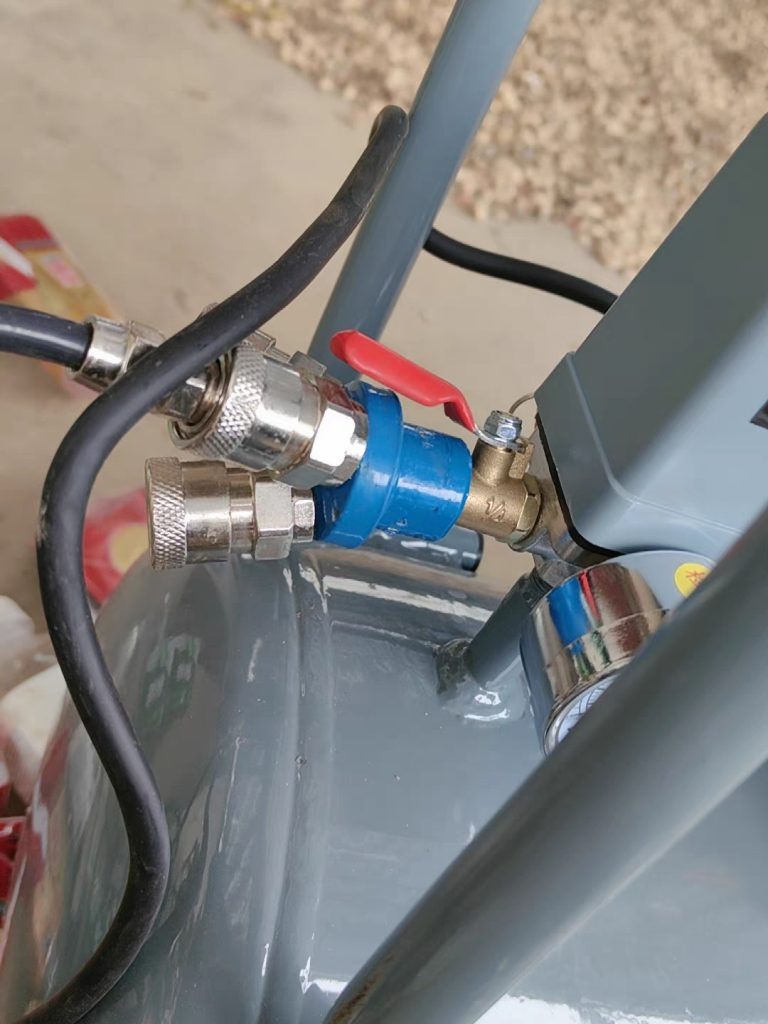
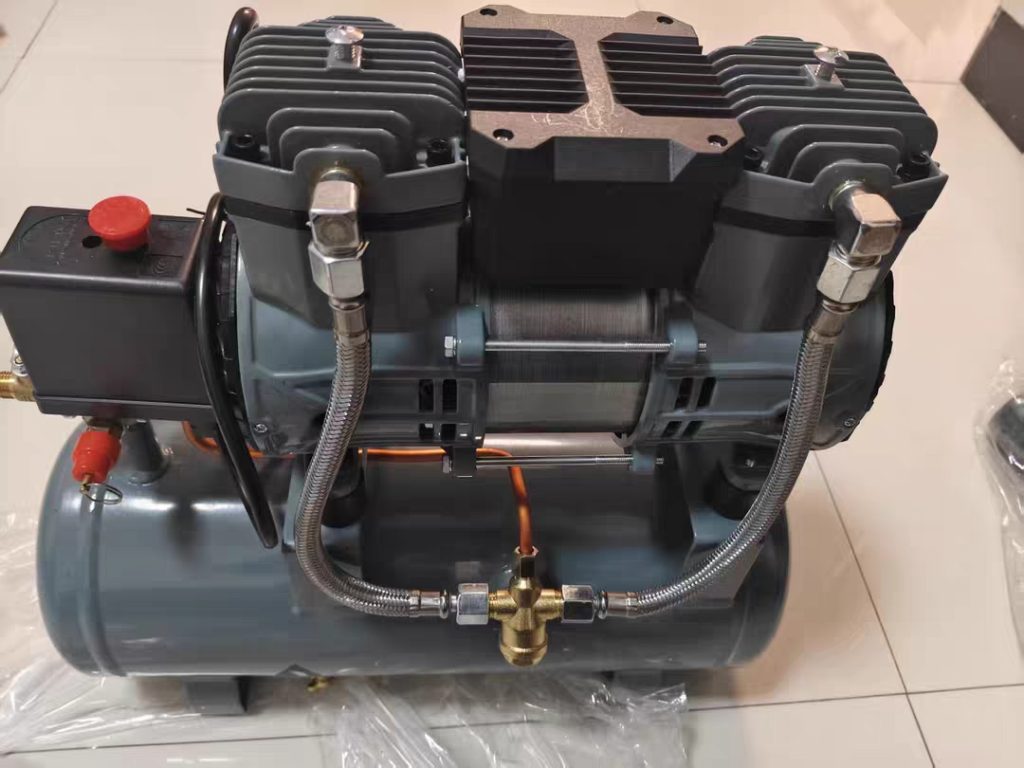
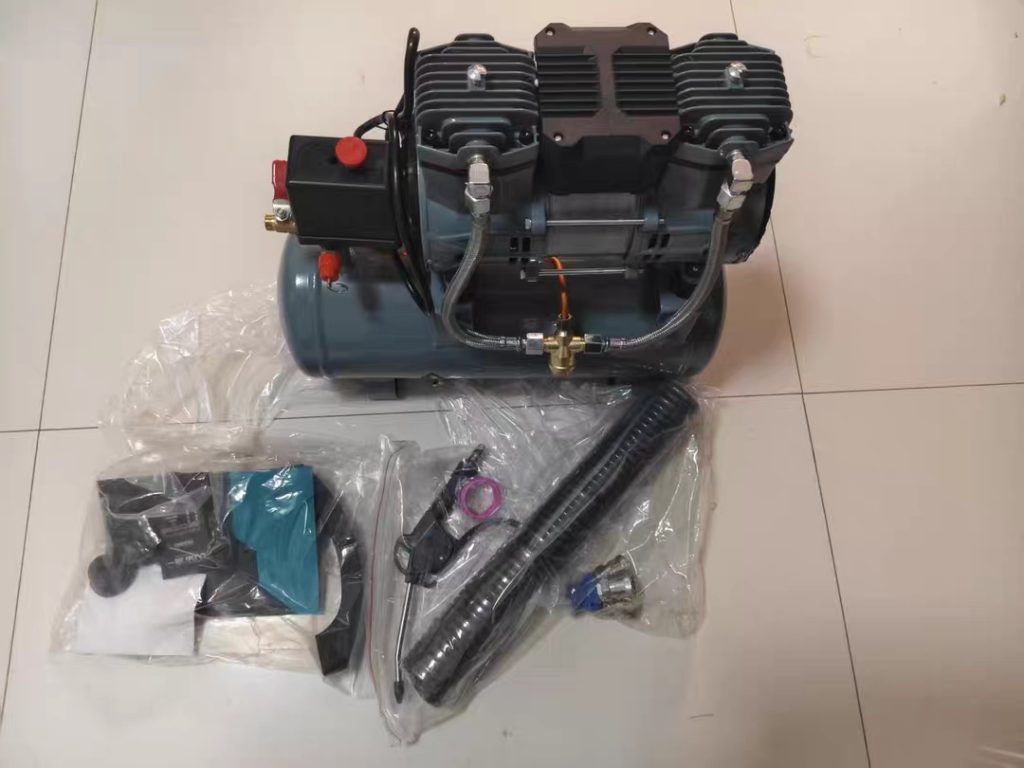
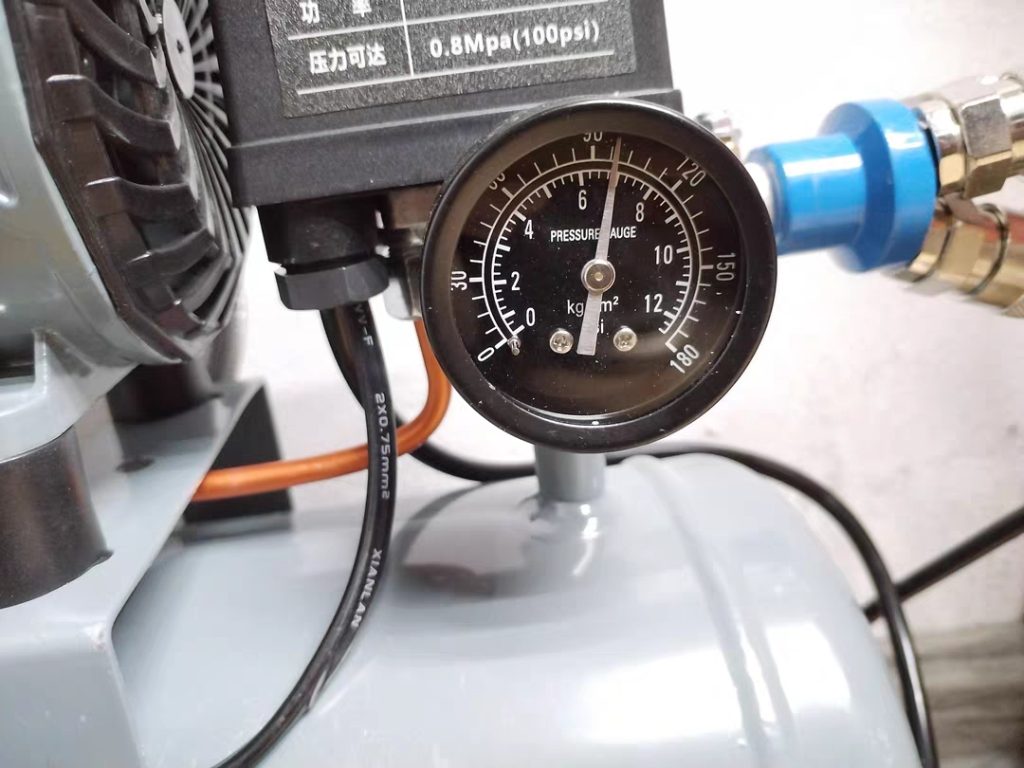
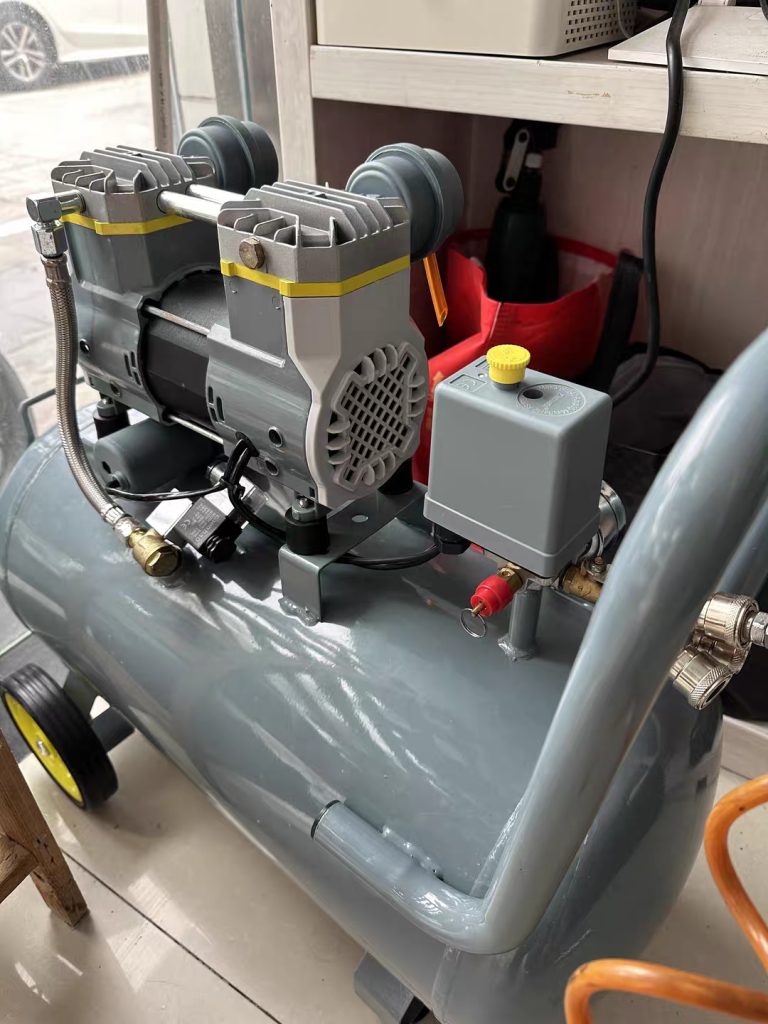
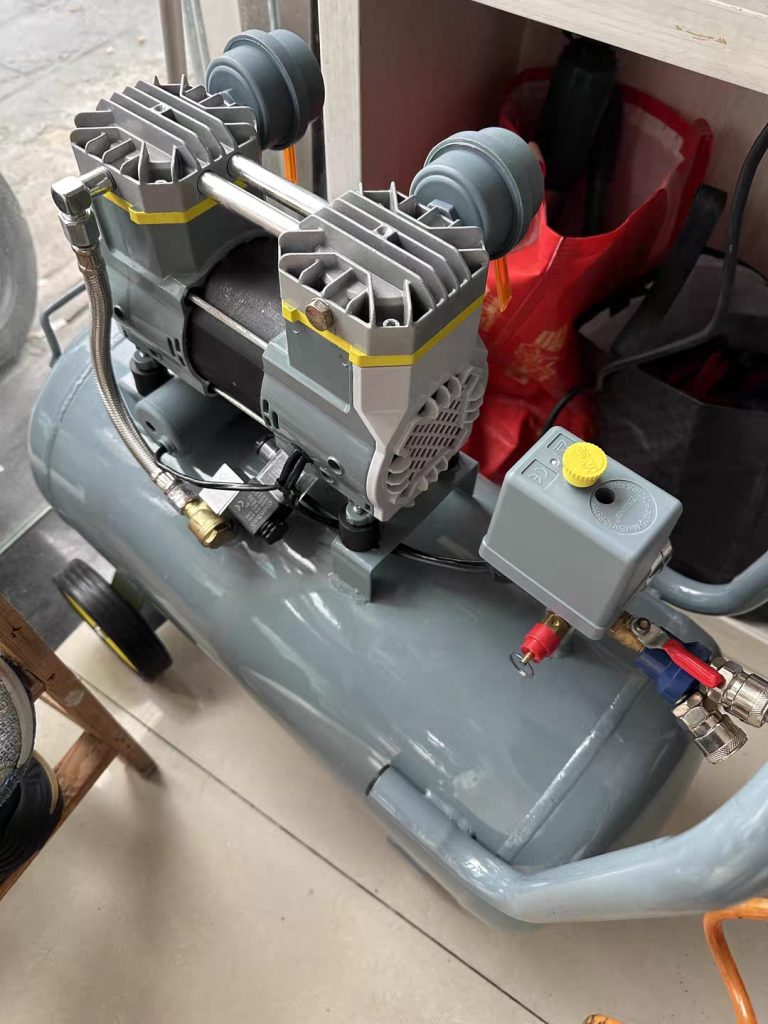
Energy-efficient air compressors slash operational costs by 30-40% via advanced tech like VSD and IE4 motors. They also reduce carbon footprints by 25-35 tons/year per unit, aligning profitability with sustainability goals.
🌍💡💰 [Small icons: Globe (carbon footprint), Lightbulb (innovation), Dollar sign (cost savings)]
The Dual Imperative: Why Energy Efficiency Matters for Air Compressors
In an era of volatile energy prices and escalating climate commitments, air compressors—responsible for 10% of global industrial electricity use—have become focal points for cost reduction and decarbonization. Traditional compressors waste 30-50% energy through constant-speed operation and poor heat management, while energy-efficient models leverage smart technology to align output with demand. This guide explores how energy-efficient air compressors deliver dual benefits—lower operational costs and reduced carbon emissions—and provides a roadmap for businesses to adopt them.
Technical Deep Dive: How Energy-Efficient Air Compressors Work
Energy efficiency in air compressors stems from innovations that minimize waste and maximize output. Here’s the science behind their performance:
1. Core Technologies Driving Efficiency
| Technology | Mechanism | Impact |
|---|---|---|
| Variable Speed Drive (VSD) | Adjusts motor speed (1,500-3,000 RPM) to match air demand via frequency conversion. | Cuts energy use by 30-40% in variable-load scenarios (e.g., intermittent tool use). |
| IE3/IE4 Premium Motors | Meet EU Ecodesign 2021 standards with 90-96% efficiency (vs. 75-85% for IE2). | Reduces electricity consumption by 15-20% for the same output. |
| Heat Recovery Systems | Captures waste heat (up to 80% of energy input) for facility heating/water. | Cuts heating costs by 10-15%; avoids 5-8 tons of CO₂/year per unit. |
| Smart Controllers | Uses IoT sensors to monitor pressure, flow, and temperature in real time. | Optimizes runtime, detects leaks (saving 10-15% energy), and enables predictive maintenance. |
2. Key Performance Metrics
-
Specific Power Consumption: Measured in kW/CFM (lower = more efficient; aim for <0.15 kW/CFM).
-
Energy Efficiency Ratio (EER): Ratio of cooling/heating output to energy input (higher = better).
-
Carbon Emission Reduction: Calculated via EPA’s GHG Equivalencies Calculator (e.g., 100,000 kWh saved = 70 tons CO₂ avoided).
3. Efficiency vs. Traditional Compressors
A 50HP energy-efficient compressor (VSD + IE4 motor) uses 35 kW at full load vs. 50 kW for a traditional model—saving 15 kW/hour. Over 8,000 annual operating hours, this translates to 120,000 kWh saved (≈15,000/year at 0.125/kWh) and 84 tons CO₂ reduced.
Applications: Where Energy-Efficient Compressors Excel
These models adapt to diverse industries, maximizing savings in high-usage scenarios:
1. Manufacturing & Automotive
-
Robotic Assembly Lines: VSD compressors maintain ±1% pressure stability for robotic arms, reducing energy waste from pressure fluctuations.
-
Paint Booths: Oil-free, IE4 motor models cut energy use by 25% while meeting ISO 8573-1 Class 0 air purity for flawless finishes.
Example: A German auto plant replaced 3 fixed-speed compressors with 2 VSD models, saving €120,000/year in energy and reducing CO₂ by 150 tons.
2. Food & Beverage Processing
-
Dairy Packaging: Heat recovery systems capture waste heat to warm pasteurization water, cutting natural gas use by 18%.
-
Bottling Lines: Smart controllers detect air leaks (common in high-humidity environments), saving 12% energy.
3. Data Centers & IT
-
Cooling Systems: Compressors power HVAC chillers; energy-efficient models reduce cooling costs by 20-30%.
-
Backup Power: VSD compressors paired with generators minimize fuel use during outages.
4. Agriculture & Greenhouses
-
Irrigation Systems: Efficient compressors power pneumatic irrigation, reducing energy use by 35% vs. electric pumps.
-
Climate Control: Heat recovery warms greenhouses in winter, lowering heating bills.
How to Choose an Energy-Efficient Air Compressor
Follow these steps to balance upfront cost with long-term savings:
1. Assess Energy Needs
-
Calculate Load Profile: Use data loggers to measure CFM demand over 1 week (identify peak/low-use periods).
-
Match to VSD/IE4 Specs: VSD is ideal for variable loads (>50% partial load); IE3/IE4 motors suit constant loads.
2. Prioritize Certifications
-
ENERGY STAR: U.S. EPA certification for 10-15% better efficiency than standard models.
-
EU Ecodesign 2021: Mandates IE3/IE4 motors and VSD for compressors >5.5kW.
-
ISO 50001: Energy management standard; look for manufacturers with certified facilities.
3. Evaluate Total Cost of Ownership (TCO)
-
Upfront Cost: Energy-efficient models cost 20-30% more but pay back in 1-2 years via energy savings.
-
Operating Cost: Factor in energy (70% of TCO), maintenance (15%), and carbon taxes (5-10% in EU/CA).
-
Incentives: Claim rebates (e.g., U.S. DSIRE database) or tax credits (e.g., EU Green Deal) for energy-efficient purchases.
4. Avoid Common Pitfalls
-
Overbuying Capacity: A 100HP compressor for a 50HP need wastes 50% energy.
-
Ignoring Maintenance: Dirty filters increase energy use by 10-15%.
-
Skipping Heat Recovery: Failing to reuse waste heat leaves 50% of potential savings untapped.
Maintenance: Sustaining Efficiency for Decades
Energy-efficient compressors require proactive care to retain performance:
Daily/Weekly Tasks
-
Clean Air Filters: Replace if pressure drop exceeds 5 PSI (dirty filters force motors to work harder).
-
Check VSD Settings: Ensure speed adjusts to demand (calibrate if pressure deviates >±2%).
Monthly Tasks
-
Inspect Heat Recovery Units: Clean heat exchangers to maintain transfer efficiency.
-
Test Leak Detection Systems: Use ultrasonic detectors to find leaks (target <5% of total flow).
Annual Tasks
-
Calibrate Sensors: Verify pressure/flow meters (±1% accuracy).
-
Update Firmware: Install manufacturer updates for smart controllers (improves efficiency algorithms).
Pro Tip: Partner with a provider offering energy audits—they’ll identify hidden waste (e.g., air leaks, outdated piping) to boost savings by 15-20%.
Case Study: Textile Mill’s Energy-Efficient Overhaul
Client Profile: A 300-employee textile mill in Gujarat, India, using 5 fixed-speed compressors (100HP total).
Challenge: High energy costs (₹2.5 crores/year) and rising carbon taxes (₹50 lakhs/year).
Solution: Replaced with 3 VSD-equipped 40HP compressors (IE4 motors, heat recovery systems).
Results (24 Months):
-
⬇️ Energy costs dropped by 38% (₹95 lakhs/year savings).
-
⬆️ Heat recovery provided 60% of factory heating, cutting natural gas use by ₹30 lakhs/year.
-
⬇️ Carbon emissions reduced by 210 tons/year (₹21 lakhs saved in carbon taxes).
-
✅ ROI achieved in 18 months; extended compressor lifespan to 15+ years.
Global Compliance & Certifications
Energy-efficient compressors align with global standards:
| Region | Key Certifications | Focus Area |
|---|---|---|
| EU | Ecodesign 2021, CE PED | IE3/IE4 motors, VSD mandate, pressure safety |
| US | ENERGY STAR, UL, EPA Tier 4 | Efficiency, electrical safety, emissions |
| India | BEE Star Rating, IS 10617 | Energy performance, quality standards |
| Australia | Greenhouse Friendly, RCM | Carbon neutrality, electromagnetic compatibility |
Conclusion: Efficiency as a Competitive Advantage
Energy-efficient air compressors are no longer optional—they’re strategic investments that deliver immediate cost savings and long-term sustainability. By adopting VSD, IE4 motors, and heat recovery, businesses can cut energy use by 30-40%, reduce carbon footprints by 25-35 tons/year per unit, and future-proof operations against rising energy costs and regulations. In a world where profitability and planet health are intertwined, energy efficiency isn’t just smart—it’s essential.
⭐ User Reviews
Anika P. 🇮🇳
Factory Manager, Gujarat Textile Mill
⭐⭐⭐⭐⭐
“Three VSD compressors cut our energy bills by 38% in 2 years! Heat recovery heats 60% of our factory—saved ₹30 lakhs on gas. BEE 5-star rating made us eligible for government rebates. Best sustainability decision ever!”
Lars F. 🇩🇪
Plant Engineer, Bavarian Auto Parts
⭐⭐⭐⭐⭐
“IE4 motor + VSD compressor saved €120,000/year in energy. Smart controller detected a 15% air leak we didn’t know existed. ENERGY STAR certification impressed our EU clients. Zero regrets!”
Sarah M. 🇺🇸
Operations Director, Texas Food Corp
⭐⭐⭐⭐☆
“ENERGY STAR compressor with heat recovery cut natural gas use by 18%. UL certification passed USDA audits. Only wish the initial cost was lower, but 2-year ROI made it worth it!”
Jean L. 🇫🇷
Sustainability Officer, Paris Data Center
⭐⭐⭐⭐⭐
“VSD compressor powers our HVAC—cooling costs dropped 25%. CE Ecodesign 2021 compliance helped us meet EU Green Deal targets. IoT dashboard tracks carbon savings in real time. Perfect for data centers!”
Carlos R. 🇧🇷
Agricultural Engineer, São Paulo Farm
⭐⭐⭐⭐⭐
“IE4 motor compressor runs our irrigation system—energy use down 35%. Greenhouse heating via heat recovery cut propane costs by 40%. BEE-like Brazilian certification simplified subsidies. A farmer’s dream!”
Keywords integrated: energy-efficient air compressor, cutting costs, carbon footprint, VSD air compressor, IE3 motor, IE4 motor, heat recovery system, ENERGY STAR, EU Ecodesign 2021, total cost of ownership, ISO 50001, industrial energy savings, sustainable manufacturing, carbon emission reduction, smart controller, predictive maintenance


No reply content