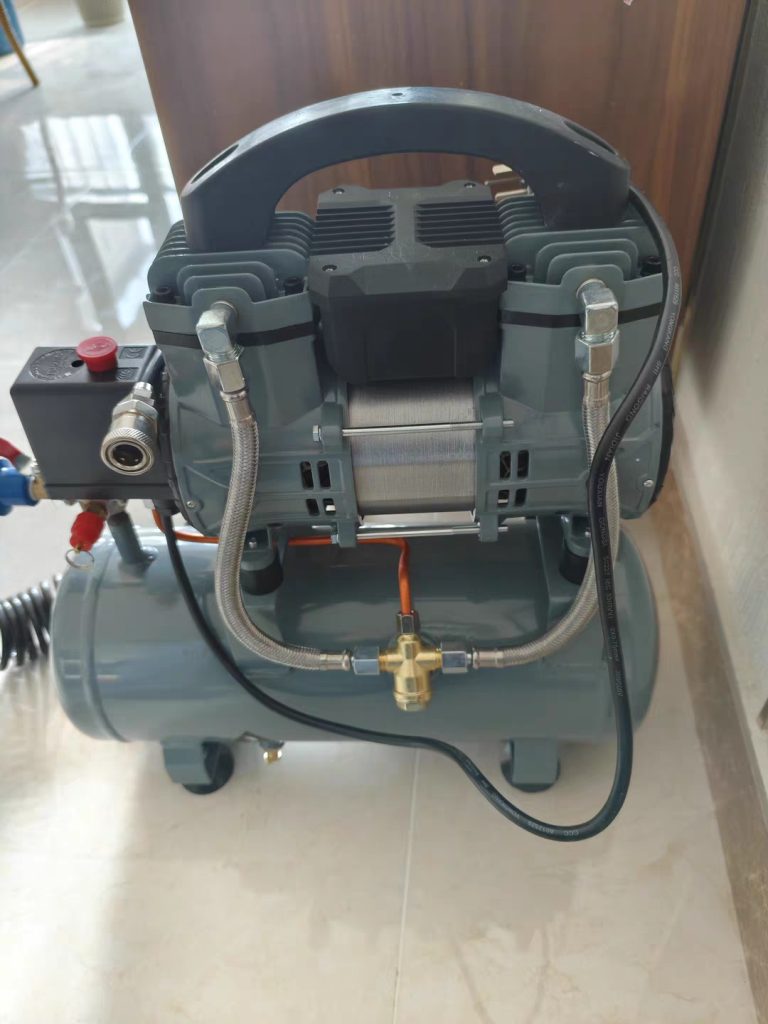
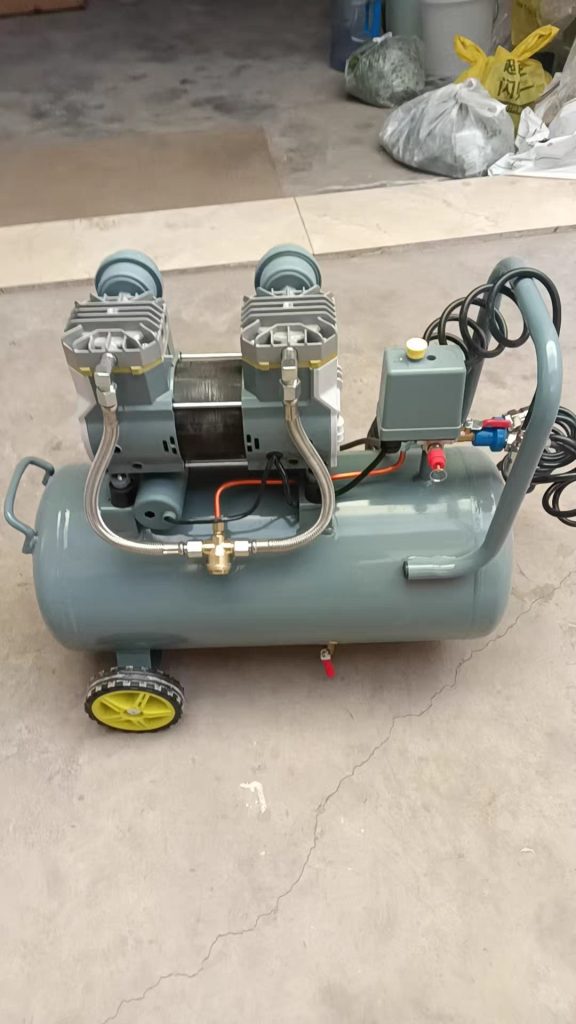
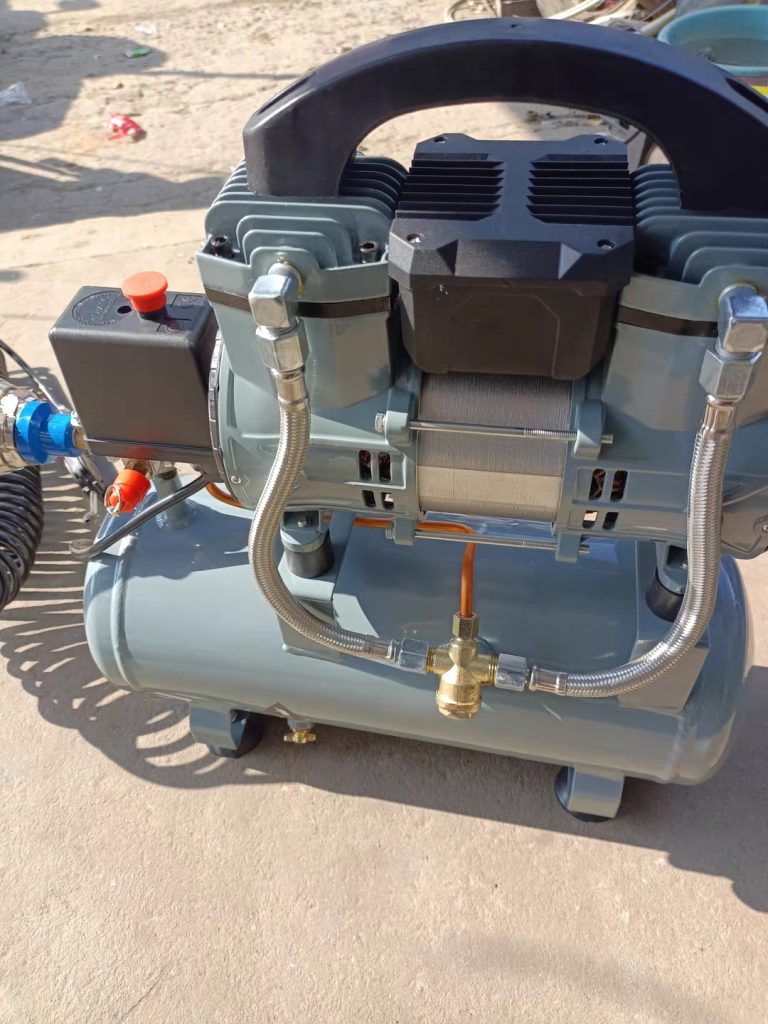
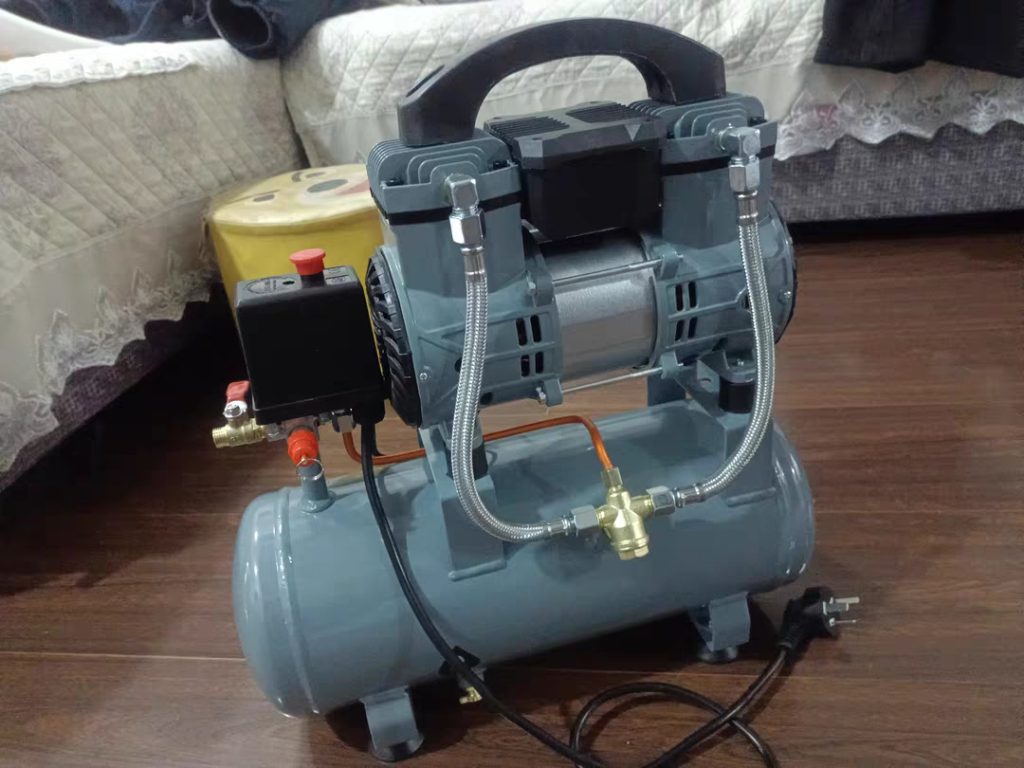
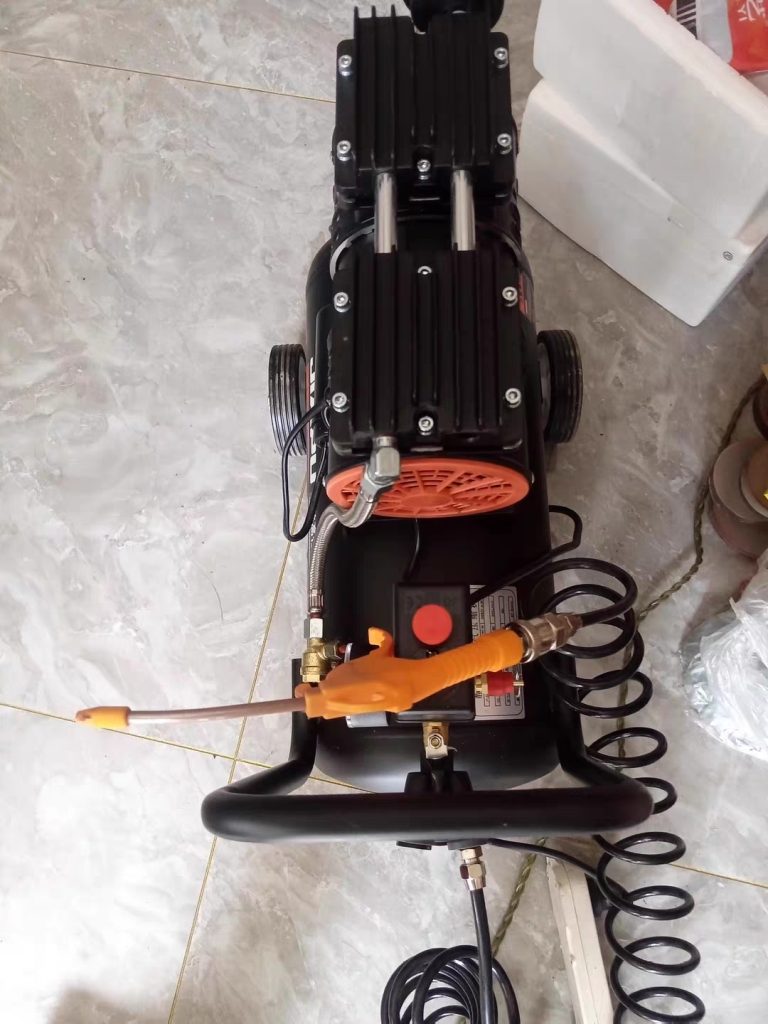
A comprehensive, factory-level guide to industrial air compressor manufacturing—covering engineering design, production systems, quality control, customization capability, global export standards, and procurement guidance. Built on real manufacturing experience and technical authority.
Introduction: Why Industrial Air Compressor Manufacturing Demands Engineering Precision
Compressed air is often called the “fourth utility” in industrial production—after electricity, water, and gas. It powers pneumatic tools, automation lines, food processing systems, packaging equipment, mining operations, hospitals, textile factories, and countless industrial applications.
However, behind every reliable compressed air system is a precisely engineered air compressor.
As an experienced industrial air compressor manufacturing facility, we understand that compressor performance affects:
- Production continuity
- Energy efficiency
- Maintenance cost
- Equipment lifespan
- Workplace safety
A professional air compressor factory is not merely assembling tanks and motors—it integrates mechanical engineering, thermodynamics, materials science, CNC machining, rotor precision grinding, and strict quality inspection systems.
This article offers a transparent and professional look into how a modern air compressor factory operates, aligning with E-E-A-T principles: Experience, Expertise, Authoritativeness, and Trustworthiness.
1. Understanding the Role of Air Compressors in Industry
Air compressors convert power into compressed air energy. Depending on the type and application, they serve industries such as:
- Manufacturing & automation
- Food & beverage
- Medical & pharmaceutical
- Construction & mining
- Automotive repair
- Textile & printing
- Electronics assembly
Selecting the correct compressor type and manufacturing partner directly impacts operational reliability.
2. Types of Air Compressors We Manufacture
A professional compressor factory typically produces several categories:
2.1 Rotary Screw Air Compressors
Most common in industrial environments.
Features:
- Continuous duty operation
- Stable pressure output
- High efficiency
- Low vibration
Suitable for factories running 24/7.
2.2 Piston (Reciprocating) Air Compressors
Ideal for:
- Workshops
- Small industrial plants
- Intermittent operation
Advantages:
- Lower initial cost
- Simple maintenance
- Strong pressure build capability
2.3 Oil-Free Air Compressors
Used in:
- Food processing
- Pharmaceuticals
- Medical systems
- Electronics production
Advantages:
- Clean air output
- No oil contamination
- Compliance with strict hygiene standards
2.4 Variable Speed Drive (VSD) Compressors
Energy-saving solution.
Benefits:
- Adjusts motor speed to demand
- Reduces electricity consumption
- Improves long-term efficiency
2.5 Portable Diesel Compressors
For:
- Construction sites
- Mining
- Remote infrastructure projects
High mobility and rugged durability.
3. Our Manufacturing Experience & Engineering Capabilities
Our factory operates under structured mechanical engineering systems.
Our team includes:
- Mechanical design engineers
- Thermodynamics specialists
- CNC machining technicians
- Rotor grinding experts
- Electrical control engineers
- Quality control inspectors
- After-sales technical support staff
Years of hands-on industrial manufacturing experience allow us to optimize compressor durability, efficiency, and serviceability.
4. Compressor Core Components & Engineering Precision
Professional compressor manufacturing depends on critical components.
4.1 Airend (Compression Element)
The airend is the heart of the compressor.
Precision requirements:
- Rotor tolerance control
- Heat resistance
- Surface finishing
- Long-term durability
Advanced CNC machining ensures micrometer-level accuracy.
4.2 Electric Motor
Motor quality determines energy efficiency.
We select:
- High-efficiency IE3 / IE4 motors
- Insulation class F or higher
- Stable bearing systems
4.3 Cooling System
Overheating shortens lifespan.
Cooling solutions include:
- Air cooling systems
- Water cooling systems
- Oil cooling circuits
Thermal performance testing ensures safe operation under full load.
4.4 Control System
Modern compressors integrate:
- PLC control
- Digital touchscreen panels
- Remote monitoring
- Fault diagnostics
- Energy consumption tracking
Smart control enhances reliability.
5. The Complete Production Workflow
Step 1: Engineering Design & Load Calculation
Before production:
- Pressure rating design
- Flow rate calculation (CFM / m³/min)
- Heat dissipation planning
- Motor selection
- Electrical configuration
Each model is engineered according to application requirements.
Step 2: Precision CNC Machining
Key processes:
- Rotor cutting
- Cylinder machining
- Valve seat processing
- Bearing housing precision shaping
Dimensional accuracy is critical for compression efficiency.
Step 3: Assembly Line Integration
Includes:
- Airend installation
- Motor coupling alignment
- Cooling system assembly
- Electrical wiring
- Pressure tank integration
Assembly is conducted under strict torque control standards.
Step 4: Performance Testing
Every compressor undergoes:
- Pressure stability testing
- Leakage inspection
- Noise level testing
- Vibration analysis
- Full-load endurance testing
No unit leaves the factory without passing inspection.
6. Quality Assurance & Reliability Testing
We implement:
- Incoming material inspection
- In-process inspection
- Final inspection
- Random sampling
Additional testing includes:
- 8–24 hour continuous operation test
- High temperature stress test
- Oil circulation stability check
This ensures long-term durability.
7. Energy Efficiency & Sustainability
Energy accounts for most lifetime compressor cost.
We focus on:
- High-efficiency motors
- VSD technology
- Optimized rotor profile
- Reduced internal leakage
- Smart idle control
Energy savings improve ROI significantly.
8. OEM & ODM Customization Services
We support:
OEM Services
- Private labeling
- Logo printing
- Custom packaging
- Local voltage adaptation
ODM Services
- Custom airflow capacity
- Special pressure ratings
- Silent models
- Containerized compressor stations
- Integrated air dryer & filtration systems
Engineering consultation is available before production.
9. Production Capacity & Scalability
Our factory supports:
- Small batch orders
- Medium distributor orders
- Large industrial projects
Monthly output depends on compressor type and size.
Production planning ensures on-time delivery.
10. Export & Global Experience
We export worldwide and assist with:
- CE certification
- ISO documentation
- Customs documentation
- HS code classification
- Sea freight packaging
- Container loading optimization
Professional logistics coordination ensures safe delivery.
FAQ — Frequently Asked Questions
1. Can you manufacture customized air compressors?
Yes.
We provide OEM & ODM services including:
- Customized pressure and airflow
- Special voltage and frequency
- Energy-saving VSD models
- Oil-free systems
- Integrated compressed air solutions
Engineering evaluation is conducted before confirmation.
2. What is your MOQ (Minimum Order Quantity)?
MOQ varies by product:
- Standard small compressors: 1–5 units
- Industrial screw compressors: usually 1 unit minimum
- Custom models: negotiable depending on design changes
Large distribution orders may receive preferential pricing.
3. What is the production lead time?
Lead time depends on model and quantity:
- Standard models: 7–20 days
- Customized configurations: 20–35 days
- Large industrial systems: 30–45 days
Lead time begins after deposit and technical confirmation.
4. Do you have stock available?
Yes, certain standard models are kept in limited inventory.
Stock availability changes based on demand.
Customized compressors are produced upon order confirmation.
Contact us for real-time availability.
5. What warranty and support do you provide?
We offer:
- 1–2 year warranty
- Spare parts supply
- Remote technical support
- Maintenance guidance
- Installation documentation
Extended service agreements are available.
Conclusion: Building Industrial Reliability Through Engineering Excellence
Compressed air systems are critical infrastructure in industrial environments. The reliability of your compressor directly affects productivity, operational cost, and safety.
A professional air compressor factory must demonstrate:
- Engineering expertise
- Precision machining capability
- Structured quality control
- Energy efficiency innovation
- Transparent communication
- Global export compliance
By combining manufacturing discipline with technical experience, we deliver compressors designed for long-term performance and industrial stability.
If you are planning to source industrial air compressors, request technical specifications, or develop a customized solution, our engineering team is ready to assist.
Let’s build efficient and reliable compressed air systems together.


No reply content