

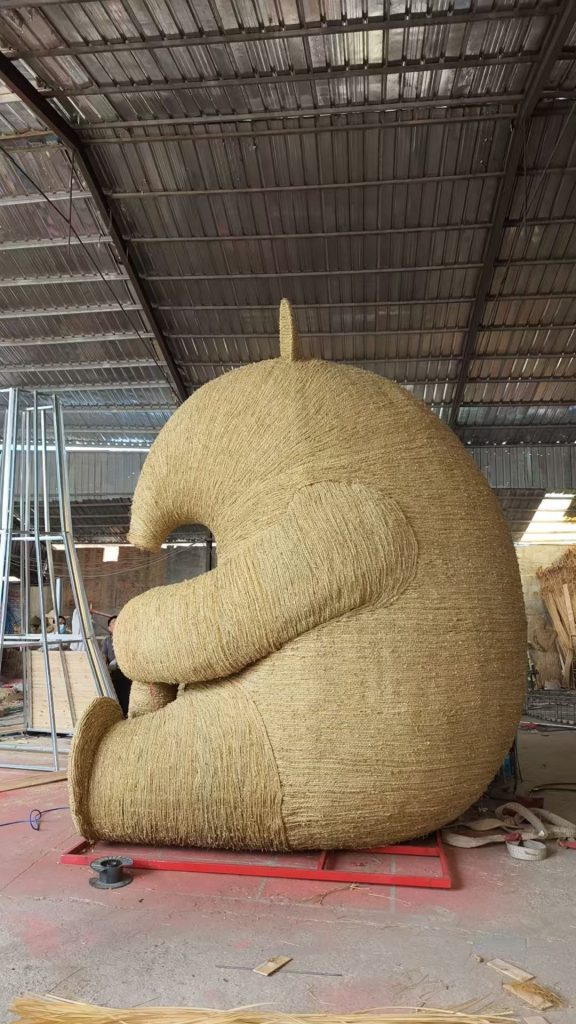
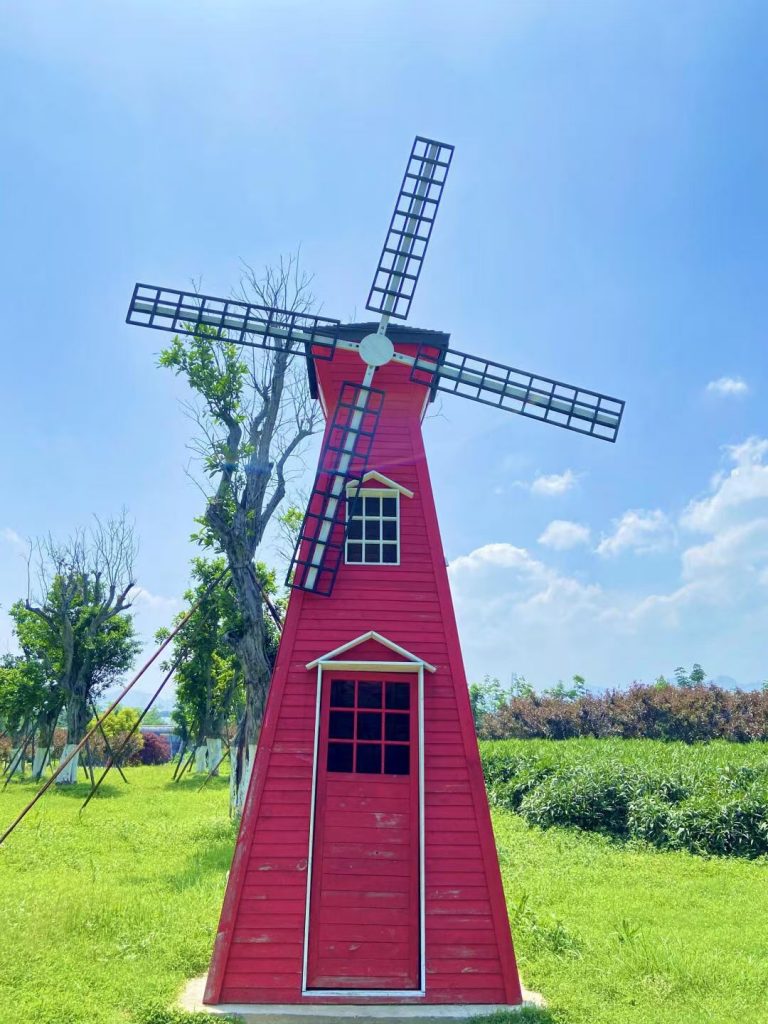

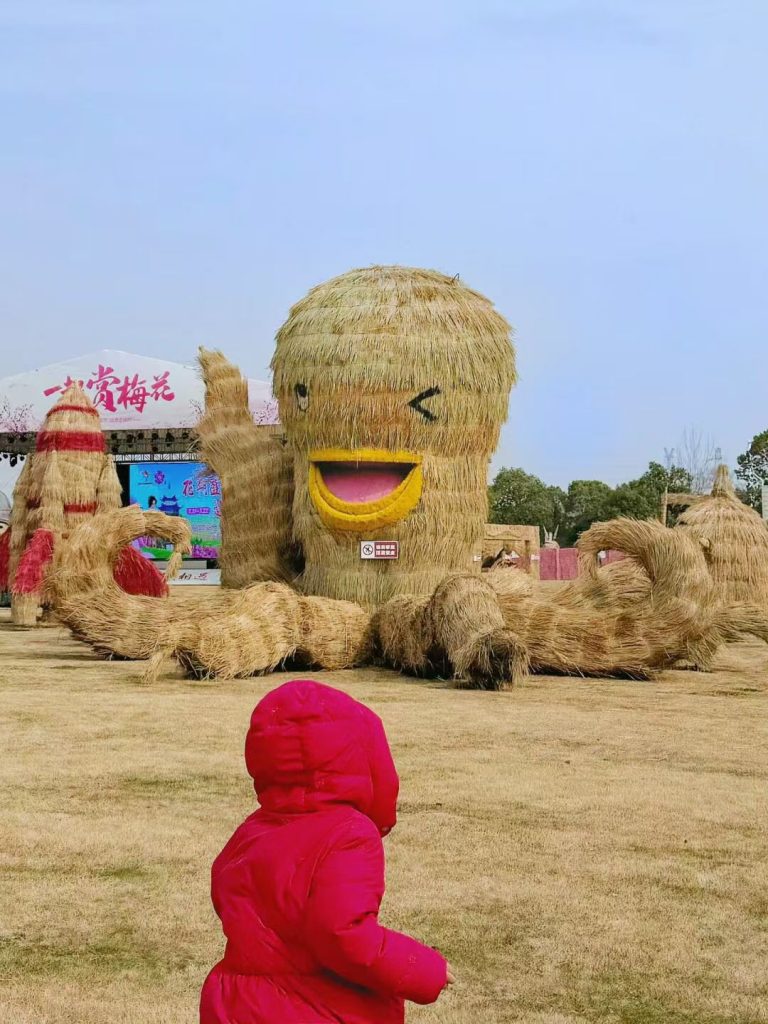


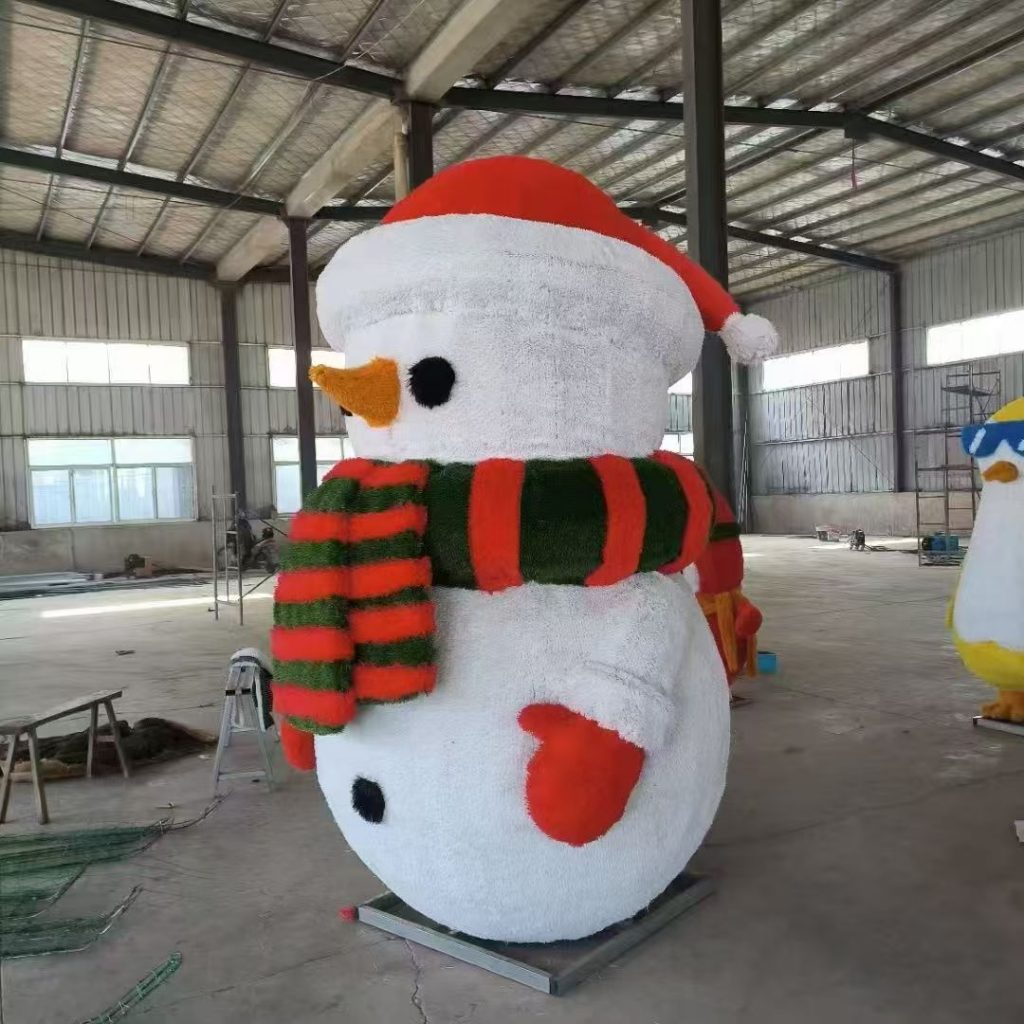
Large garden sculptures are no longer simple decorative ornaments — they are architectural statements. Across luxury resorts, urban landscapes, botanical gardens, and commercial plazas, monumental outdoor sculptures define identity, create visual impact, and elevate property value. China has become one of the most important global manufacturing bases for these oversized garden installations.
This article explores how large outdoor sculptures are engineered, produced, customized, and exported — helping international buyers understand the full sourcing process.
1. Why Global Buyers Source Large Garden Sculptures from China
China’s competitive advantage in oversized outdoor decorative manufacturing comes from:
- Integrated raw material supply chains
- Skilled artisans with sculpting expertise
- Advanced mold-making capability
- Large-scale workshop infrastructure
- Flexible OEM production models
Unlike small art studios, professional factories in China operate with both artistic capability and industrial workflow efficiency. This combination enables large-volume production without sacrificing surface detailing.
2. Types of Large Outdoor Garden Sculptures
2.1 Fiberglass Landscape Sculptures
Fiberglass Reinforced Plastic (FRP) is widely used for outdoor garden installations because it offers:
- High strength-to-weight ratio
- Weather resistance
- Corrosion resistance
- Flexible shaping possibilities
These sculptures often include:
- Animal figures
- Abstract art forms
- Mythical characters
- Commercial display pieces
2.2 Stainless Steel Garden Art
Modern landscapes frequently feature polished or brushed stainless steel sculptures.
Advantages include:
- Strong structural durability
- Reflective architectural aesthetics
- Minimal maintenance
- Long service life
These are popular in:
- Luxury villas
- Corporate headquarters
- Urban parks
2.3 Cast Resin & Stone-Effect Sculptures
For classical European-style gardens, resin sculptures with stone-like finishes remain in high demand.
Key benefits:
- Fine detailing
- Cost efficiency compared to natural stone
- Lighter weight for installation
- Custom patina effects
2.4 Corten Steel & Weathering Installations
Weather-resistant Corten steel is increasingly used for:
- Contemporary landscape art
- Minimalist installations
- Public art projects
Its oxidized surface offers a distinctive rustic aesthetic while maintaining structural strength.
3. Structural Engineering Behind Oversized Garden Sculptures
Producing a 3–6 meter sculpture requires more than artistic skill.
3.1 Internal Steel Framework
Oversized pieces include:
- Reinforced steel skeleton
- Load-bearing welding structure
- Anti-wind stabilization design
Proper engineering prevents:
- Deformation
- Cracking
- Structural imbalance
3.2 Modular Construction
For sculptures exceeding container dimensions:
- Segmented design
- Bolt connection systems
- Hidden seam engineering
Modular construction reduces freight cost and simplifies on-site installation.
3.3 Weather Resistance Planning
Outdoor sculptures must withstand:
- UV exposure
- Rain & humidity
- Temperature fluctuation
- Wind load
Manufacturers apply:
- UV-resistant top coats
- Waterproof sealants
- Anti-corrosion treatment
4. Step-by-Step Production Workflow
Understanding the workflow allows buyers to evaluate factory professionalism.
4.1 Design Confirmation
Clients provide:
- CAD drawings
- 3D renderings
- Size specifications
- Color requirements
Factories then:
- Optimize structural support
- Calculate material volume
- Estimate production timeline
4.2 Sculpting & Prototype Development
Methods include:
- Hand-sculpted clay modeling
- CNC foam carving for precision
- Surface detail refinement
Client approval is required before mold fabrication.
4.3 Mold Fabrication
High-quality molds ensure consistent output.
Mold construction includes:
- Silicone layering
- Fiberglass outer shell reinforcement
- Structural stability frame
Durable molds reduce long-term production defects.
4.4 Casting & Assembly
Depending on material:
- Fiberglass layering process
- Resin casting
- Metal welding fabrication
Internal reinforcement is installed during this stage.
4.5 Surface Finishing
Professional finishing involves:
- Multi-stage sanding
- Primer coating
- Weather-resistant paint application
- Hand detailing
Outdoor pieces receive protective sealant layers.
5. Quality Control Standards
Reliable manufacturers conduct:
5.1 Structural Inspection
- Weld integrity verification
- Frame alignment testing
- Load-bearing evaluation
5.2 Surface Quality Checks
- Paint uniformity
- Crack detection
- Edge smoothing
5.3 Packaging Inspection
- Wooden crate strength
- Shock protection validation
- Moisture barrier installation
Quality control documentation reduces international shipping risk.
6. Export Packaging & Shipping Solutions
Oversized garden sculptures require advanced packaging systems.
Standard solutions include:
- Export-grade plywood crates
- Internal foam cushioning
- Steel base reinforcement
- Modular disassembly
Shipping options:
- FCL (Full Container Load)
- Flat rack containers
- Break bulk shipment
For extremely large installations, onsite assembly guidance is often provided.
7. Cost Factors for Large Garden Sculptures
Pricing depends on:
- Height and volume
- Material type
- Structural complexity
- Surface detailing
- Customization requirements
Cost components typically include:
- Design engineering fee
- Mold creation cost
- Material cost
- Labor
- Finishing
- Packaging
- Freight
Transparent cost breakdown improves long-term cooperation.
8. How to Select a Professional Manufacturer
When evaluating suppliers, focus on:
- Real project case studies
- Workshop scale
- Engineering team capability
- Communication responsiveness
- Export experience
Ask for:
- Production videos
- Structural drawings
- Surface finish samples
- Previous overseas project references
Avoid suppliers who cannot demonstrate internal steel framework capability for oversized projects.
9. Market Trends in Outdoor Garden Installations
Trend 1: Statement Sculptures for Commercial Branding
Large installations serve as social media landmarks, increasing foot traffic.
Trend 2: Lightweight Engineering Solutions
Fiberglass composites reduce shipping cost without compromising durability.
Trend 3: Eco-Friendly Coatings
Low-VOC paints and environmentally responsible materials are gaining popularity.
Trend 4: Integrated Lighting Systems
LED integration enhances nighttime visual appeal.
10. Risk Management for International Buyers
Common sourcing risks include:
- Paint fading
- Structural cracking
- Shipping damage
- Delayed production
Risk reduction strategies:
- Approve detailed technical drawings
- Confirm material specifications in writing
- Conduct third-party inspection
- Require reinforced packaging
Clear communication significantly reduces project risk.
11. Building Long-Term Supply Partnerships
Professional buyers often:
- Establish annual purchase agreements
- Develop exclusive sculpture designs
- Standardize color and material specifications
- Schedule seasonal production
Strategic cooperation ensures cost stability and consistent quality.
Conclusion
China’s large garden sculpture manufacturing sector represents a combination of artistic craftsmanship and structural engineering expertise. For international developers, landscape designers, and distributors, choosing the right supplier involves more than price comparison — it requires evaluation of engineering capacity, surface finishing standards, export packaging systems, and communication reliability.
By understanding materials, structural requirements, customization processes, and logistics planning, buyers can successfully manage large-scale outdoor decorative projects while maintaining durability and aesthetic excellence.
FAQ
Q1: What is the typical production time for a 4-meter garden sculpture?
Approximately 30–45 days depending on complexity and finishing requirements.
Q2: Can large sculptures withstand extreme weather?
Yes, with proper UV-resistant coatings and reinforced internal steel structure.
Q3: Is modular design necessary?
For oversized pieces exceeding container dimensions, modular engineering is recommended.
Q4: What materials are best for outdoor use?
Fiberglass, stainless steel, and weather-treated metal are widely used for durability.
Q5: Can exclusive custom designs be protected?
Yes, through mold ownership agreements and confidentiality contracts.


No reply content