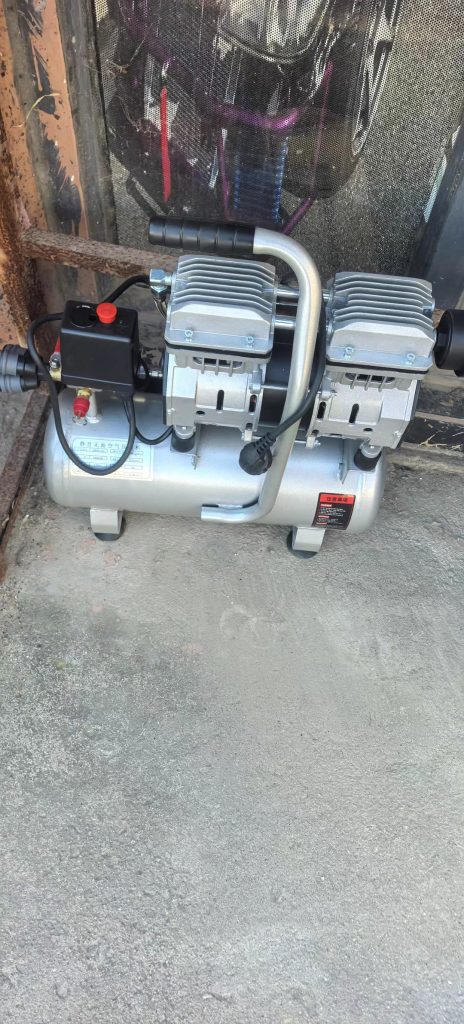
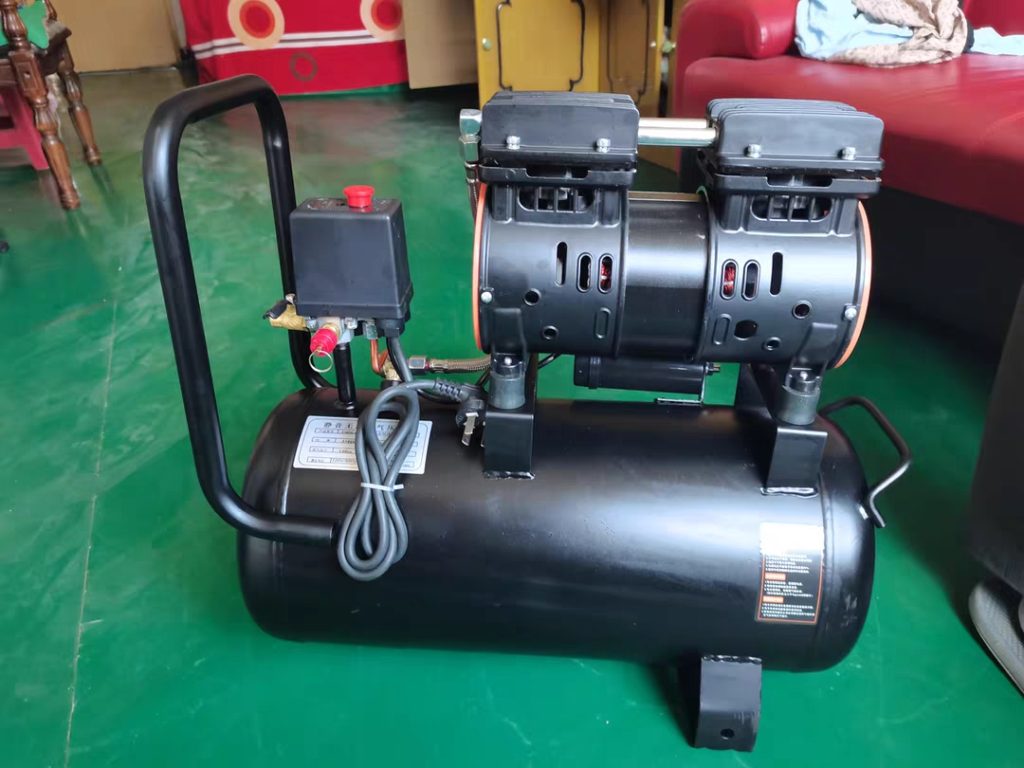
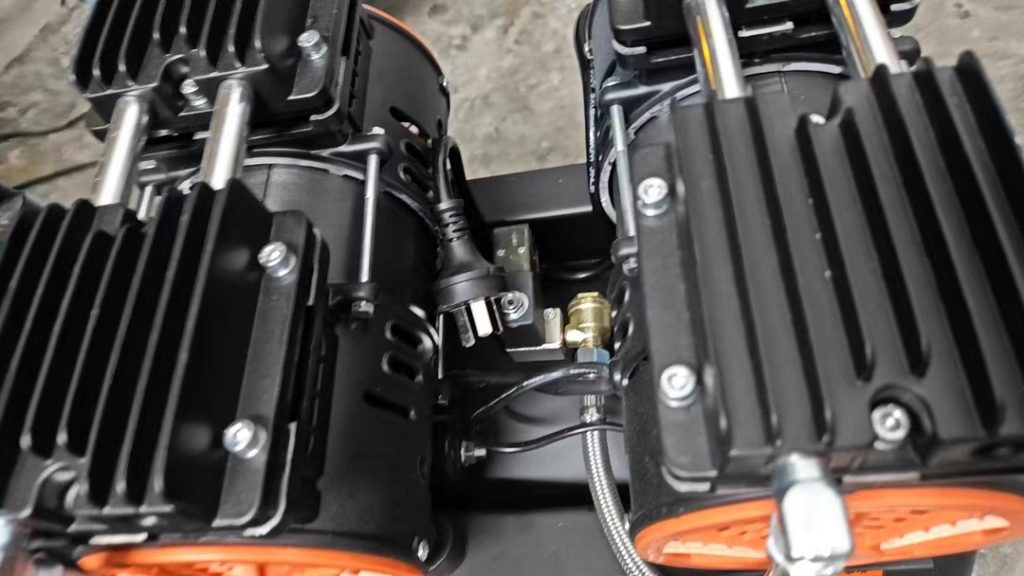
Compressed air is the lifeblood of industrial operations. Choosing a reliable supplier requires evaluating engineering expertise, production experience, structured quality systems, and after-sales support for long-term operational success.
Introduction: Compressed Air as a Critical Industrial Asset
In modern manufacturing, compressed air is far more than a utility—it is infrastructure. It powers automation systems, packaging machinery, robotics, and process controls. However, many procurement decisions focus on cost rather than operational reliability. This approach often leads to energy inefficiency, frequent maintenance, and unplanned downtime.
This article presents a structured, experience-based framework for evaluating air compressor suppliers, emphasizing E-E-A-T principles—Experience, Expertise, Authoritativeness, and Trustworthiness—to support informed industrial decision-making.
Section 1: Categories of Industrial Air Compressors
Industrial compressors can be categorized into:
Rotary Screw Compressors
- Continuous operation
- Stable airflow and pressure
- Ideal for production lines, automotive, and electronics industries
Oil-Free Compressors
- Essential for sensitive applications (pharmaceuticals, food, electronics)
- Air purity standards require precise manufacturing
- Minimal contamination risk
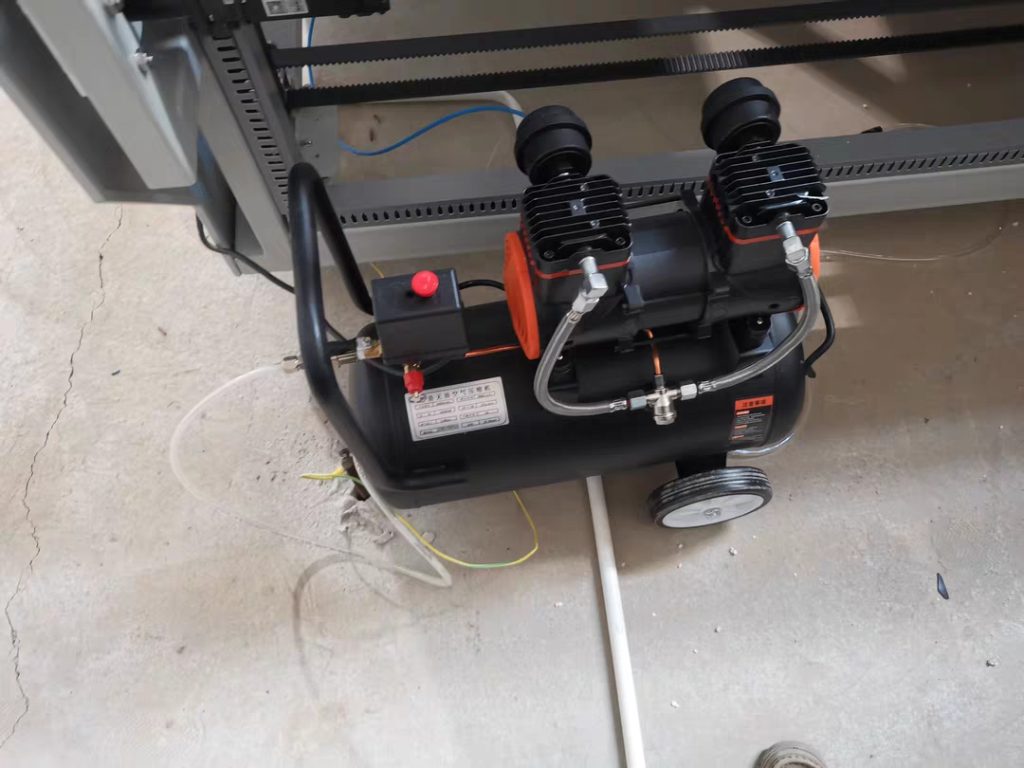
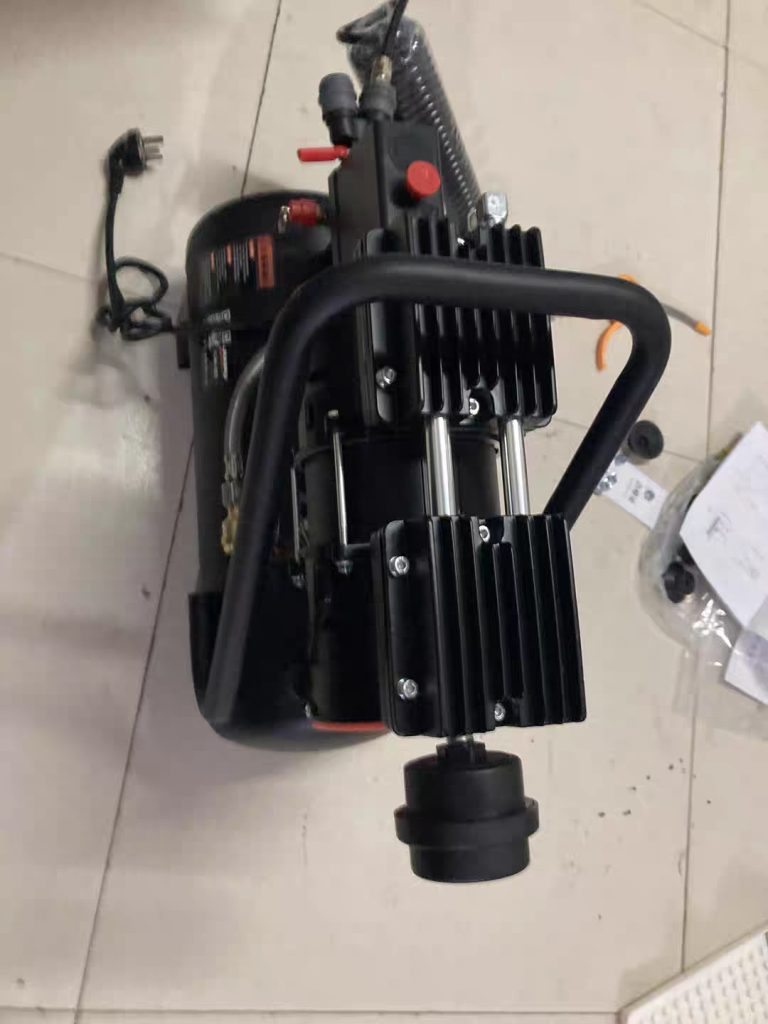
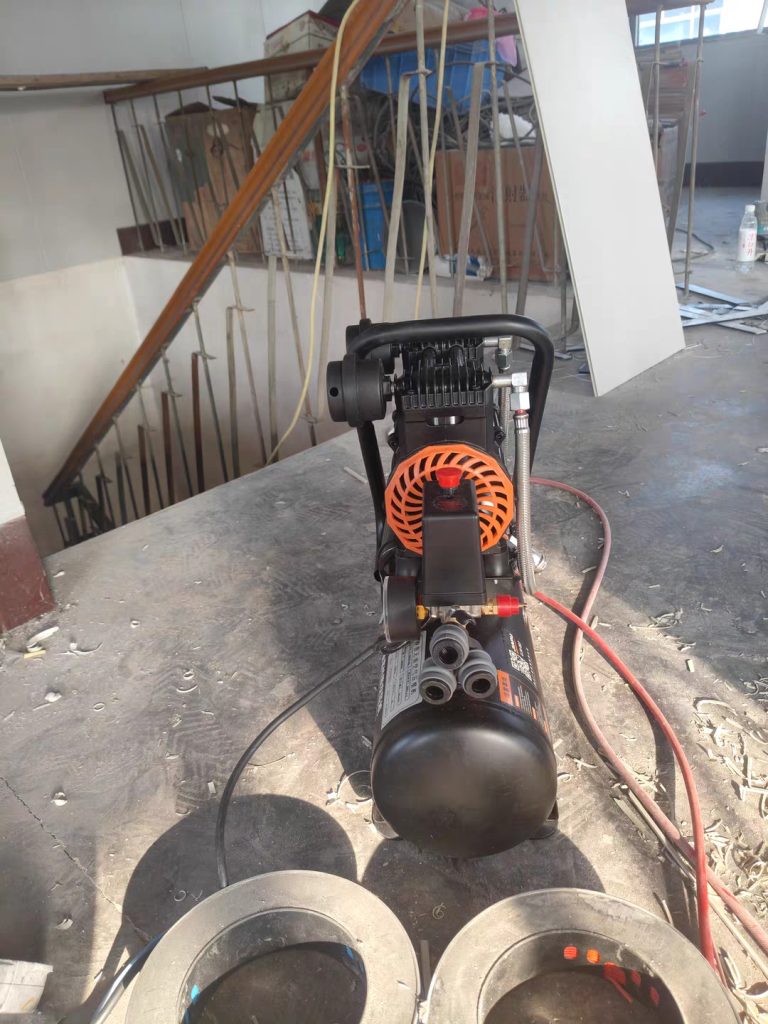
Piston/Reciprocating Compressors
- Intermittent or low-volume operations
- Cost-effective for small workshops
- Lower energy efficiency for continuous industrial use
Portable Diesel Compressors
- Designed for outdoor environments and construction sites
- Mobility and durability in harsh conditions
- Suitable for temporary industrial projects
Matching compressor type to operational needs is essential for supplier evaluation.
Section 2: Experience – The Foundation of Reliability
Experience is not merely years in business; it reflects practical problem-solving and refinement over time.
Indicators of experienced suppliers include:
- 10+ years in industrial compressor production
- Iterative design improvements across multiple product generations
- Installations in diverse environmental conditions
- Documented case studies demonstrating reliability
Experienced suppliers refine rotor profiles, cooling channels, oil-air separation, and vibration/noise reduction mechanisms. Years of exposure to real-world conditions ensures consistent operational reliability.
Section 3: Expertise – Technical Depth Beyond Assembly
Expertise is critical to differentiate between assembly-based and engineering-driven suppliers.
Airend Engineering
- Rotor precision and alignment
- Surface treatment for durability
- Bearing load distribution
- Dynamic balancing
- Pressure-flow optimization
Energy Efficiency Design
- Specific power optimization (kW/m³/min)
- Variable frequency drive integration
- Demand-based load management
- Idle-loss reduction systems
Cooling System Optimization
- Efficient airflow and heat dissipation
- Oil and air temperature stability
- Adaptation to high temperature and humidity
Suppliers with strong technical expertise provide quantitative explanations of their design and performance.
Section 4: Authoritativeness – Standards and Management
Structured management demonstrates authority:
- ISO 9001 or equivalent quality system
- Compliance with pressure vessel and electrical safety standards
- Standard operating procedures (SOPs) with full traceability
- Documentation of production and testing processes
Authoritative suppliers produce consistent quality across all units and maintain rigorous internal controls.
Section 5: Trustworthiness – Transparency and Quality Assurance
Trustworthy suppliers demonstrate transparency in:
- Technical documentation
- Noise and energy performance reports
- Continuous load testing
- Warranty policies and service support
Typical quality control workflow:
- Raw material inspection
- CNC machining verification
- Assembly torque standardization
- Leak detection
- Full-load performance verification
- Endurance testing
- Final inspection
- Export-ready packaging
Allowing third-party or virtual audits enhances confidence.
Section 6: Lifecycle Cost – Beyond Purchase Price
Total cost of ownership includes:
- Energy consumption
- Maintenance frequency
- Spare parts replacement
- Downtime costs
- Efficiency degradation over time
Energy consumption is often the largest cost. Reliable, energy-efficient compressors reduce long-term operational expenses.
Section 7: After-Sales Support
A strong after-sales framework ensures continuity:
- Spare parts inventory
- Technical documentation and manuals
- Remote diagnostic capability
- Clear warranty and response times
Suppliers prioritizing support reduce downtime and protect operational investment.
Section 8: Customization and Operational Flexibility
High-quality suppliers provide tailored solutions:
- Voltage/frequency customization
- Adaptation to extreme climates
- Control panel language localization
- Energy-saving upgrades
- Remote monitoring and diagnostics
Customization reflects engineering capability and supplier maturity.
Section 9: Risk Identification
Professional buyers monitor for:
- Vague or inconsistent technical data
- Limited documentation on maintenance or parts supply
- Missing energy or performance metrics
- Poor communication and support response
- Unclear warranty policies
Proactive risk assessment minimizes operational and financial disruptions.
Section 10: Structured Supplier Evaluation
Objective evaluation can be scored:
| Category | Weight | Metrics |
|---|---|---|
| Experience | 20% | Years, case studies |
| Expertise | 25% | Airend performance, engineering depth |
| Compliance | 15% | ISO certification, SOPs |
| Quality Control | 20% | Testing transparency, documentation |
| After-Sales Support | 10% | Spare parts, response time |
| Energy Efficiency | 10% | Specific power, stability |
Structured evaluation ensures decisions are data-driven.
Section 11: Insights from Industrial Buyers
Experienced buyers prioritize:
- Stable pressure and flow
- Low noise and vibration
- Predictable maintenance
- Reliable spare parts
- Transparent communication
Consistency and reliability are primary indicators of a supplier’s value.
Conclusion: Achieving Industrial Excellence
Choosing an air compressor supplier is a long-term strategic decision. Reliable suppliers demonstrate:
- Extensive industrial experience
- Deep technical engineering expertise
- Structured management and quality systems
- Transparent documentation
- Robust after-sales support
Final Insight: Evaluating suppliers with E-E-A-T principles and focusing on lifecycle performance ensures industrial operations are efficient, reliable, and cost-effective for years to come.
FAQ
Q1: Why is technical expertise more important than price?
Engineering depth ensures efficiency, reliability, and lower lifecycle costs.
Q2: What defines a trustworthy supplier?
Transparent documentation, testing procedures, and clear warranty policies.
Q3: Should lifecycle cost guide selection?
Yes. Energy use, maintenance, and downtime often outweigh initial costs.
Q4: Are factory inspections necessary?
Yes. Physical or virtual audits validate manufacturing and quality control.
Q5: How can technical depth be evaluated?
Request detailed airend specs, performance curves, cooling system data, and quantitative explanations.


No reply content