

Introduction: Sustainability in Promotional and Retail Umbrellas
Environmental responsibility is no longer optional. Brands and consumers increasingly demand products that reduce plastic waste, lower carbon footprints, and demonstrate corporate social responsibility (CSR).
In the umbrella industry, RPET (Recycled Polyethylene Terephthalate) fabric has emerged as a viable alternative to conventional polyester and nylon fabrics. RPET is made from post-consumer PET bottles, combining durability, water resistance, and eco-conscious appeal.
This article explores how RPET is used in umbrella production, evaluates technical performance, and analyzes market recognition from both B2B buyers and end consumers.
1. What is RPET Fabric and Why It Matters
1.1 Definition
RPET fabric is derived from recycled PET bottles, which are cleaned, melted, and spun into new fibers. Compared to virgin polyester:
- Reduces landfill and ocean plastic
- Requires less energy and water in production
- Maintains mechanical properties comparable to virgin PET
1.2 Sustainability Metrics
| Parameter | RPET | Virgin Polyester | Notes |
|---|---|---|---|
| CO₂ Emissions | 1.5–2.0 kg/kg fiber | 3.0–4.0 kg/kg fiber | ~50% reduction |
| Water Usage | 10–15 L/kg | 20–25 L/kg | Lower environmental footprint |
| Waste Reduction | Uses post-consumer PET | No plastic reuse | Contributes to circular economy |
Insight: Brands using RPET can communicate measurable environmental impact, aligning with global sustainability standards.
2. RPET Umbrella Fabric in Manufacturing
Umbrella fabric must meet durability, water repellency, and printability requirements. RPET has been successfully adapted to these needs.
2.1 Technical Specifications
| Specification | RPET Fabric | Comparison (210T Pongee) |
|---|---|---|
| Thread Count | 210–300T | Same |
| Water Repellency | ≥ 90 spray rating | Equivalent |
| Tensile Strength | ≥ 350 N | Equivalent |
| Tear Resistance | ≥ 25 N | Equivalent |
| Color Fastness | Grade 4–5 | Equivalent |
Observation: Modern RPET fabrics achieve parity with virgin polyester, ensuring no compromise in umbrella performance.
2.2 Fabric Construction
RPET umbrellas often use tightly woven pongee or oxford weaves, combined with PU or Teflon coatings:
- PU Coating: Enhances water repellency while remaining eco-friendly
- Teflon / Durable Water Repellent (DWR): Optional, further improves outdoor performance
3. Umbrella Types Using RPET
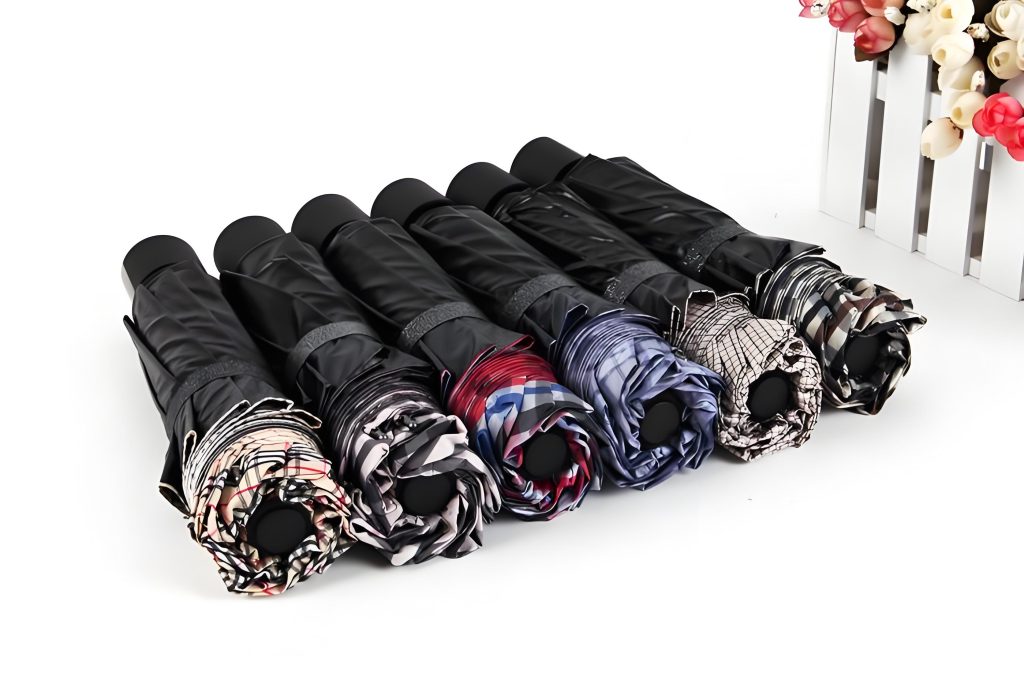
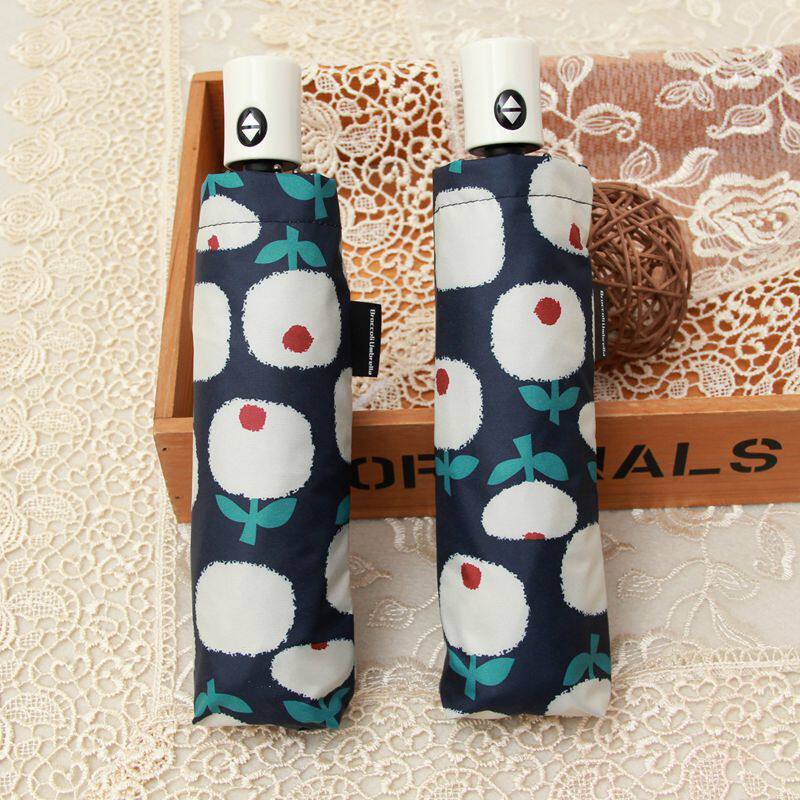
3.1 Automatic Folding Umbrellas
- Compact design for cars and offices
- One-button operation
- RPET fabric is suitable for repeated folding, retaining water repellency and strength
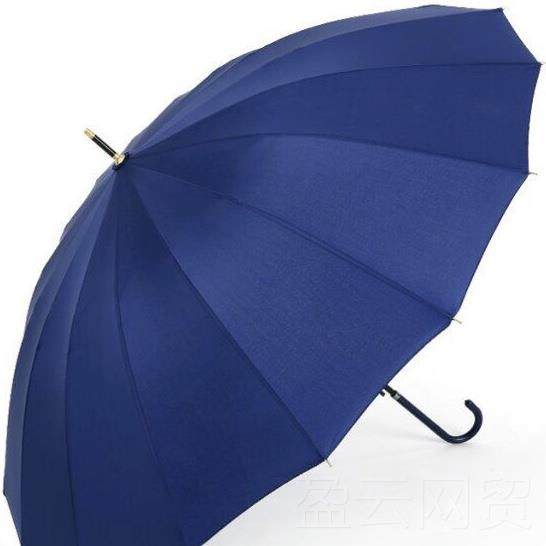
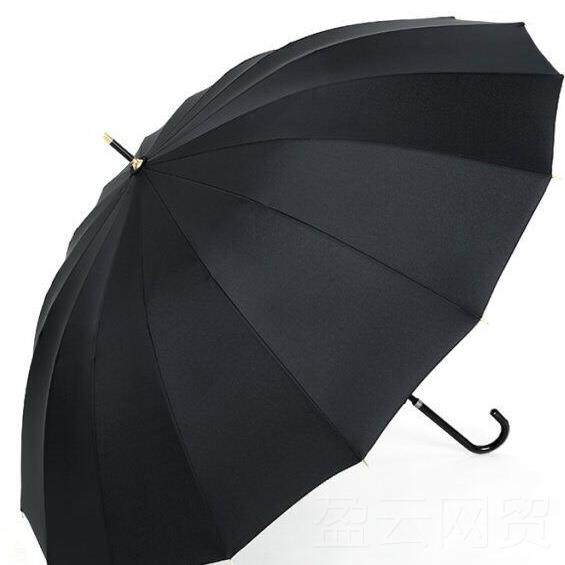
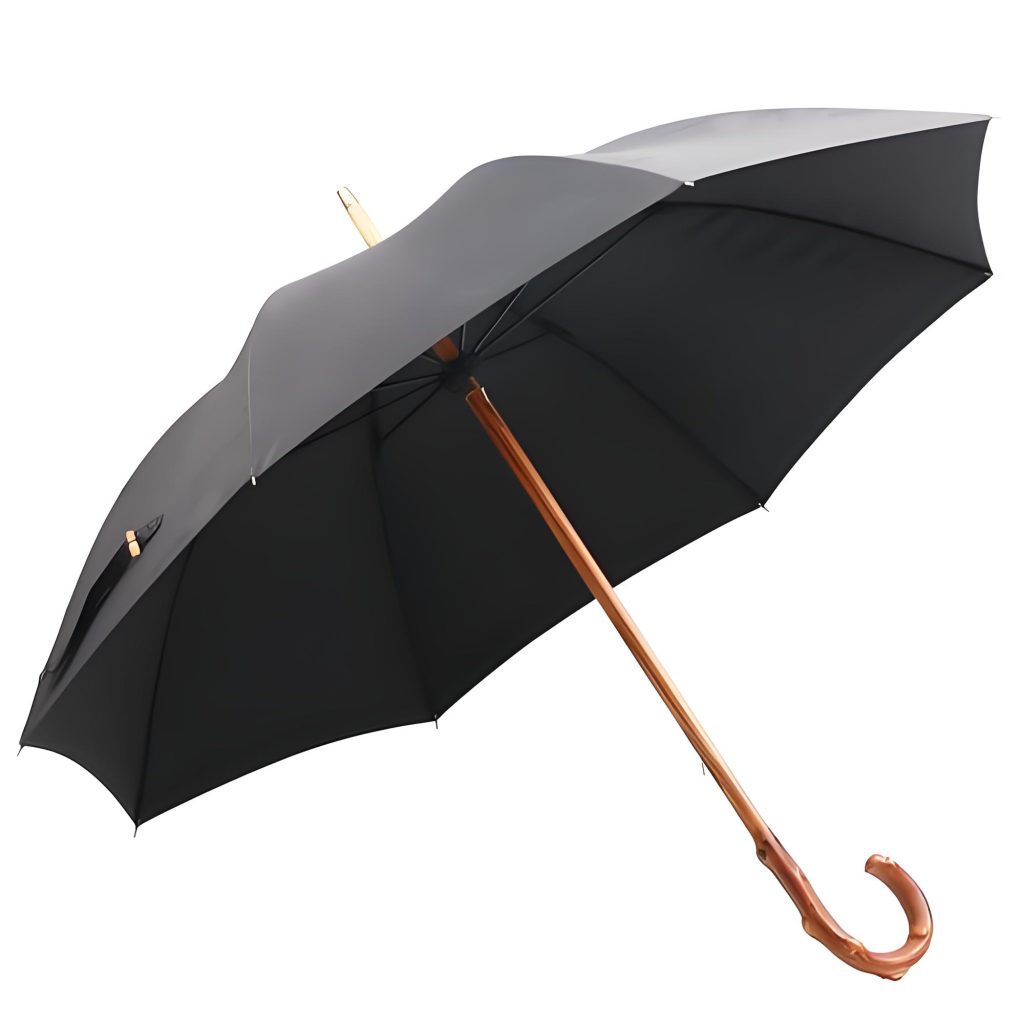
3.2 Straight / Golf Umbrellas
- Larger canopy (105–130 cm diameter)
- High visibility for logo printing
- RPET fabric supports high-quality screen printing, ideal for branding and CSR messaging
3.3 Promotional Umbrellas
- Often produced in volumes of 5,000–50,000 pcs
- RPET fabric signals eco-conscious branding, increasingly demanded by corporate clients
4. Comparing RPET with Conventional Fabrics
| Feature | RPET | Virgin Polyester | Nylon |
|---|---|---|---|
| Environmental Impact | High | Medium | Low |
| Water Repellency | High | High | Medium |
| Durability | High | High | High |
| Print Quality | Excellent | Excellent | Good |
| Cost per unit | 5–10% higher | Base | Similar |
| Market Recognition | Growing | Standard | Niche |
Conclusion: RPET introduces premium eco-value at a moderate cost increase, increasingly accepted by B2B buyers.
5. Manufacturing Considerations for RPET Umbrellas
5.1 Material Handling
- RPET fabric may have slightly higher shrinkage rates than virgin polyester
- Pre-washing or heat-setting is recommended to stabilize dimensions
5.2 Sewing & Cutting
- Similar equipment to standard polyester
- Slight adjustment in tension recommended to prevent needle-hole fraying
5.3 Logo Printing & Branding
- Screen printing, heat transfer, and sublimation are compatible
- Testing for adhesion and wash resistance is recommended
6. Market Acceptance and Trends
6.1 Corporate Branding
Brands increasingly require eco-certified promotional items:
- Tech companies
- Hospitality and resorts
- Automotive clients
- International trade shows
6.2 Consumer Awareness
- Surveys indicate 60–70% of consumers favor sustainable materials
- Retailers report higher willingness to pay 5–15% premium for eco-friendly umbrellas
7. Cost Analysis
| Component | RPET Umbrella | Conventional Polyester |
|---|---|---|
| Fabric cost | +5–10% | Base |
| Printing / logo | Same | Same |
| Shipping | Same | Same |
| MOQ impact | Typically 500–1,000 pcs | Same |
| ROI | Increased brand perception | Standard |
Insight: Slight cost increase is offset by enhanced CSR messaging, marketing advantage, and consumer preference.
8. Case Study Example (Anonymous Brand)
- Order Size: 20,000 RPET straight umbrellas
- Customization: Full-panel screen print + handle engraving
- Fabric: 210T RPET pongee, PU coating
- Frame: Fiberglass ribs, steel + fiberglass shaft
- Result: Delivered on time, high customer satisfaction, branded as “eco-premium”
9. Technical Parameters Table – RPET Umbrella
| Item | Specification |
|---|---|
| Canopy | 210T RPET pongee |
| Coating | PU water-repellent |
| Shaft | Steel + fiberglass hybrid |
| Ribs | 8 fiberglass ribs |
| Diameter | 105 cm (golf), 98 cm (folding) |
| Weight | 400–450 g |
| Wind Resistance | 28–35 km/h |
| Logo Options | Screen printing / laser engraving / heat transfer |
| MOQ | 500 pcs (custom) |
10. FAQ – RPET Umbrellas
Q1: Are RPET umbrellas as durable as regular polyester umbrellas?
Yes. Modern RPET achieves equivalent tensile strength, tear resistance, and water repellency.
Q2: How eco-friendly is RPET really?
It reduces CO₂ emissions by ~50% and water usage by 40–50% compared to virgin polyester.
Q3: Can RPET umbrellas be fully customized for corporate gifts?
Yes. Screen printing, handle engraving, and packaging customization are compatible.
Q4: Does RPET fabric affect folding mechanism performance?
No. Automatic and manual folding mechanisms perform normally with RPET pongee.
Q5: Are consumers willing to pay more for RPET umbrellas?
Studies show 5–15% higher willingness to pay, especially in eco-conscious markets.
Conclusion
RPET umbrellas are more than a sustainable option:
- They maintain technical performance comparable to conventional fabrics
- They support premium branding and customization
- They meet growing market demand for eco-friendly products
Brands leveraging RPET umbrellas benefit from enhanced CSR perception, consumer preference, and long-term brand value.
With careful material selection, process adjustment, and quality control, RPET umbrellas can become a mainstream choice in both corporate gifting and retail channels.
{
  "@context": "https://schema.org",
  "@type": "FAQPage",
  "mainEntity": [
    {
      "@type": "Question",
      "name": "Are RPET umbrellas as durable as standard polyester umbrellas?",
      "acceptedAnswer": {
        "@type": "Answer",
        "text": "Yes. Modern RPET fabrics achieve tensile strength, tear resistance, and water repellency comparable to virgin polyester."
      }
    },
    {
      "@type": "Question",
      "name": "Can RPET umbrellas be customized for corporate branding?",
      "acceptedAnswer": {
        "@type": "Answer",
        "text": "Yes. RPET umbrellas support screen printing, handle engraving, heat transfer, and packaging customization."
      }
    }
  ]
}


No reply content