
Dongguan PremiumGift BoxPackaging
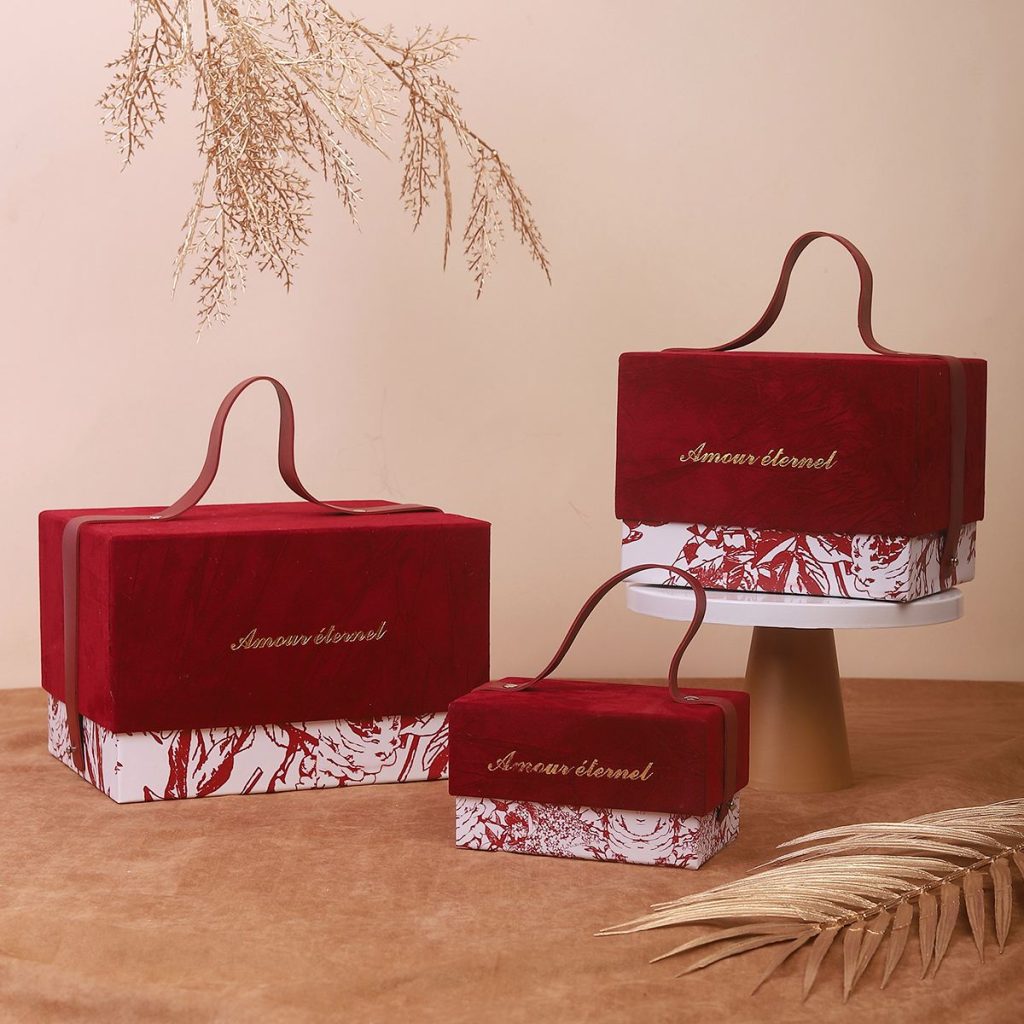
In the tapestry of global gifting culture, gift box packaging serves as a silent storyteller—conveying emotion, reflecting identity, and elevating the act of giving from a simple exchange to a memorable experience. In Europe and North America, two regions with distinct cultural heritages yet shared values of sophistication and intentionality, gift box design has evolved into a nuanced art form. From the minimalist elegance of Scandinavian minimalism to the opulent maximalism of American luxury brands, these boxes are not merely containers but extensions of the giver’s thoughtfulness and the recipient’s delight.
This article explores the landscape of European and American gift box packaging, delving into its design philosophies, material innovations, cultural underpinnings, and market dynamics. We examine how tradition and modernity intersect in this industry, why sustainability has become a non-negotiable standard, and how brands and individuals alike use packaging to forge deeper connections. Through a detailed analysis of core competencies, challenges, and future trends, this piece aims to provide a comprehensive understanding of what makes Euro-American gift box packaging a benchmark in the global market.
I. The Cultural DNA of Euro-American Gift Box Design
Gift-giving in Europe and America is deeply intertwined with cultural rituals, seasonal celebrations, and social etiquette. This context shapes the design of gift boxes, which must resonate with both the occasion and the recipient’s expectations.
A. Europe: Heritage, Minimalism, and Regional Nuances
European gift box design is a reflection of the continent’s rich artistic heritage, from Renaissance opulence to Bauhaus functionality. Key characteristics include:
-
Minimalist Elegance: Northern European countries (e.g., Sweden, Denmark) favor clean lines, neutral palettes (white, beige, soft gray), and uncluttered layouts. This “less is more” approach emphasizes the quality of the contents over excessive decoration.
-
Artisanal Detailing: Southern Europe (e.g., Italy, France) leans into craftsmanship, with hand-painted motifs, embossed patterns, and metallic foiling (gold, copper) inspired by Baroque and Art Nouveau styles.
-
Seasonal Symbolism: Christmas boxes often feature Nordic evergreens, reindeer, or star motifs, while Easter designs incorporate pastel hues and floral patterns. Regional holidays, such as Germany’s Oktoberfest or Spain’s La Tomatina, also influence limited-edition packaging.
-
Sustainability as a Given: The EU’s stringent environmental regulations (e.g., Single-Use Plastics Directive) have made recycled paper, FSC-certified wood, and biodegradable inks standard in European packaging.
B. America: Individualism, Bold Expression, and Brand Storytelling
American gift box design is defined by its celebration of individuality and commercial dynamism. Key traits include:
-
Personalization as Priority: From monogrammed initials to photo-printed sleeves, American brands and consumers prioritize boxes that feel “one-of-a-kind.” This aligns with the cultural emphasis on self-expression.
-
Bold Colors and Contrasts: Bright reds, blues, and yellows are common, especially for holidays like the Fourth of July or Valentine’s Day. Graphic patterns (stripes, polka dots) and playful typography add a casual, approachable vibe.
-
Brand Integration: Corporate gift boxes often mirror a brand’s identity—think Apple’s sleek white boxes or Tiffany & Co.’s iconic robin’s egg blue packaging. This turns unboxing into a brand experience.
-
Innovation-Driven: The U.S. market leads in adopting new technologies, such as QR codes linking to personalized videos or augmented reality (AR) experiences embedded in packaging.
II. Core Competencies of Euro-American Gift Box Manufacturers
To thrive in this competitive market, manufacturers must master a blend of design creativity, material science, and logistical precision.
A. Design Excellence: Balancing Aesthetics and Function
Top manufacturers employ multidisciplinary design teams (graphic artists, industrial designers, cultural consultants) to create boxes that are both beautiful and practical:
-
Structural Innovation: Magnetic closures, ribbon pulls, and nested compartments enhance usability. For fragile items (e.g., glassware), shock-absorbent inserts (molded pulp, foam) are standard.
-
Visual Hierarchy: Designers use color blocking, typography scaling, and negative space to guide the eye, ensuring key information (occasion, sender) stands out.
-
Cultural Sensitivity: For international markets, manufacturers avoid symbols with conflicting meanings (e.g., white signifies mourning in some Asian cultures but purity in the West).
B. Material Mastery: From Luxury to Eco-Consciousness
Material selection is dictated by the target market and product type:
-
Luxury Segment: Silk-lined boxes, leather-wrapped exteriors, and brass hinges cater to high-end clients (e.g., jewelry, fine wines). These materials convey exclusivity and durability.
-
Mid-Range Segment: Textured paperboard, recycled kraft paper, and water-based inks balance affordability with aesthetics. Embossing and debossing add tactile appeal without high costs.
-
Eco-Friendly Segment: Plant-based plastics (PLA), mushroom mycelium packaging, and seed-infused paper (which can be planted after use) appeal to environmentally aware consumers. Many brands now publish “carbon footprint” labels on packaging.
C. Customization at Scale
Unlike mass-produced packaging, Euro-American manufacturers excel at small-batch customization:
-
Digital Printing: Allows for variable data printing (e.g., unique names on each box) without costly plate changes. This is ideal for corporate gifts or wedding favors.
-
Modular Kits: Customers can mix and match components (boxes, ribbons, inserts) to create bespoke designs. For example, a wedding client might choose a white box, blush ribbon, and floral-printed liner.
-
Prototyping Services: 3D modeling software (e.g., SolidWorks) enables clients to visualize boxes before production, reducing revision cycles.
D. Compliance and Quality Assurance
Manufacturers adhere to strict standards:
-
Regulatory Compliance: EU’s REACH (chemical safety), FDA’s food-contact regulations (for edible gifts), and CPSIA (child safety) in the U.S. govern material selection.
-
Durability Testing: Boxes undergo drop tests (from 1 meter), compression tests (to withstand stacking), and humidity resistance trials (85% RH at 40°C).
-
Certifications: FSC (forest stewardship), SFI (sustainable forestry), and B Corp certifications signal commitment to ethics and sustainability.
III. Market Applications: Tailoring Packaging to Occasions and Industries
Euro-American gift boxes serve diverse markets, each with unique requirements.
A. Personal Gifting: Celebrating Life’s Milestones
-
Holidays: Christmas (30% of annual sales) features red/green boxes with snowflake or Santa motifs; Valentine’s Day uses heart-shaped boxes in pink/red.
-
Life Events: Wedding favor boxes often include the couple’s names and wedding date; baby shower boxes may have stork or baby-themed prints.
-
Everyday Gestures: “Just because” gifts use neutral boxes with simple patterns, emphasizing spontaneity.
B. Corporate Gifting: Building Brand Loyalty
Businesses use gift boxes to strengthen client and employee relationships:
-
Client Appreciation: Luxury boxes with the company logo and a handwritten note convey gratitude. For B2B clients, boxes may include branded stationery or small tech gadgets.
-
Employee Recognition: Custom boxes with employee names and achievement milestones (e.g., “5 Years of Excellence”) boost morale.
-
Event Swag: Trade show giveaways use compact, portable boxes that double as storage containers (e.g., for pens, USB drives).
C. Retail and E-Commerce: Enhancing the Unboxing Experience
Online retailers invest heavily in packaging to differentiate themselves:
-
Subscription Boxes: Monthly curated boxes (e.g., beauty, snacks) use themed designs to build anticipation. For example, a “fall harvest” box might feature leaf-printed cardboard and burlap accents.
-
Luxury E-Commerce: Brands like Net-a-Porter use rigid boxes with silk ribbons, turning delivery into a premium experience.
-
Returns and Recycling: Many retailers include prepaid return labels and instructions for recycling boxes, aligning with circular economy principles.
IV. Technological Innovations Shaping the Industry
Euro-American manufacturers are at the forefront of packaging technology, driven by consumer demand for novelty and sustainability.
A. Smart Packaging: Integrating Digital Experiences
-
QR Codes and NFC Chips: Scanning a code on the box can reveal a video message, product溯源 (traceability), or exclusive content (e.g., a recipe for a gourmet gift).
-
Augmented Reality (AR): Some boxes use AR markers that, when scanned with a smartphone, display 3D animations (e.g., a virtual bouquet for a flower delivery).
-
Temperature-Sensitive Inks: Inks that change color with temperature (e.g., revealing a hidden message when warmed) add an element of surprise.
B. Sustainable Tech: Closing the Loop
-
Edible Packaging: For food gifts, manufacturers use rice paper or seaweed-based wrappers that are safe to eat.
-
Water-Soluble Adhesives: Glue that dissolves in water simplifies box disassembly and recycling.
-
3D Printing for Prototypes: Rapid prototyping with 3D printers reduces material waste and speeds up design iteration.
C. Automation and Efficiency
-
Robotic Assembly Lines: Robots handle repetitive tasks (folding, gluing, inserting), improving consistency and reducing labor costs.
-
AI-Driven Design: Algorithms generate design ideas based on user inputs (e.g., “minimalist, blue, for anniversary”), streamlining the creative process.
V. Challenges and Future Trends
Despite its strengths, the Euro-American gift box industry faces challenges, including rising material costs, supply chain disruptions, and the need to balance personalization with sustainability.
A. Current Challenges
-
Sustainability Pressures: Consumers demand 100% recyclable or compostable packaging, but some materials (e.g., metallized foils) are difficult to recycle.
-
Cost Volatility: Fluctuations in paper and energy prices impact margins, forcing manufacturers to find cost-effective alternatives.
-
Counterfeit Risks: Luxury packaging is often copied, diluting brand value. Anti-counterfeiting measures (holographic labels, unique serial numbers) are becoming standard.
B. Future Trends
-
Hyper-Personalization: AI and 3D printing will enable “mass customization,” where each box is unique to the recipient (e.g., a box printed with their favorite pet’s image).
-
Circular Economy Models: Take-back programs (where customers return boxes for reuse) and upcycling initiatives (turning old boxes into home decor) will grow.
-
Cross-Cultural Design: As globalization continues, manufacturers will create boxes that blend elements from multiple cultures (e.g., a Christmas box with Japanese origami-inspired folds).
-
Biophilic Design: Incorporating natural elements (dried flowers, leaves) into packaging to connect consumers with nature.
VI. FAQ: European and American Gift Box Packaging
1. What are the key differences between European and American gift box design?
European design emphasizes minimalism, heritage motifs, and sustainability, while American design prioritizes bold colors, personalization, and brand storytelling.
2. What materials are commonly used in Euro-American gift boxes?
Luxury: Silk, leather, brass. Mid-range: Textured paperboard, recycled kraft. Eco-friendly: PLA, mushroom mycelium, seed-infused paper.
3. How do manufacturers ensure sustainability?
They use FSC-certified paper, water-based inks, biodegradable adhesives, and offer take-back programs. Many publish carbon footprint reports.
4. Can gift boxes be customized for small orders?
Yes. Digital printing and modular kits allow small-batch customization (minimum orders as low as 50–100 units).
5. What certifications should I look for in a manufacturer?
FSC, SFI, B Corp, ISO 14001 (environmental management), and FDA/REACH compliance.
6. How long does it take to produce a custom gift box?
Standard orders: 4–6 weeks. Rush orders: 2–3 weeks (with additional fees). Prototyping adds 1–2 weeks.
7. What is the typical cost range for custom gift boxes?
Basic boxes: $1–$3/unit. Mid-range: $3–$10/unit. Luxury: $10–$50+/unit, depending on materials and complexity.
8. How do smart packaging features work?
QR codes/NFC chips link to digital content (videos, AR). Temperature-sensitive inks change color with heat.
9. Can gift boxes be designed for specific holidays?
Yes. Manufacturers offer seasonal templates (Christmas, Valentine’s Day) and can create custom designs.
10. What is the best way to ship fragile items in gift boxes?
Use shock-absorbent inserts (molded pulp, foam), double-walled boxes, and mark as “fragile” for careful handling.
11. How do I choose the right size box for my product?
Manufacturers provide sizing guides based on product dimensions. They can also create custom-sized boxes.
12. Are there regulations for food-safe gift boxes?
Yes. In the U.S., FDA regulates food-contact materials; in the EU, EC 1935/2004 applies. Use food-grade inks and coatings.
13. Can I include a personalized message in the box?
Yes. Many manufacturers offer printing services for messages, or you can add a handwritten note.
14. What is the lifespan of a typical gift box?
With proper care, cardboard boxes last 1–3 years; luxury boxes (leather, silk) can last 5+ years.
15. How do I dispose of eco-friendly gift boxes?
Follow labels: Recycle (paper/plastic), compost (plant-based materials), or plant (seed-infused paper).
16. Can gift boxes be reused?
Yes. Many are designed for reuse (e.g., as storage containers). Some brands offer discounts for returning boxes.
17. What is the role of packaging in brand storytelling?
Packaging reflects a brand’s values (e.g., sustainability, luxury) and creates an emotional connection with customers.
18. How do manufacturers handle supply chain disruptions?
They diversify suppliers, maintain buffer stocks, and use local sourcing to reduce reliance on single regions.
19. What trends are shaping luxury gift box design?
Personalization (monograms, engravings), sustainable materials (recycled leather), and experiential elements (AR).
20. How can I start a gift box business in Europe or America?
Focus on a niche (e.g., eco-friendly weddings), partner with local manufacturers, and leverage e-commerce for sales.
Conclusion
European and American gift box packaging is a testament to the power of design to transform the ordinary into the extraordinary. Rooted in cultural traditions yet constantly innovating, these boxes serve as bridges between givers and recipients, brands and consumers, and humanity and the environment. As sustainability and technology reshape the industry, one thing remains constant: the joy of unwrapping a thoughtfully designed box, knowing that someone cared enough to make the moment special. For manufacturers, designers, and consumers alike, the future of gift box packaging is bright—filled with possibilities for creativity, connection, and positive impact.


No reply content