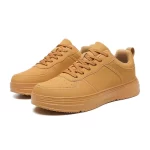
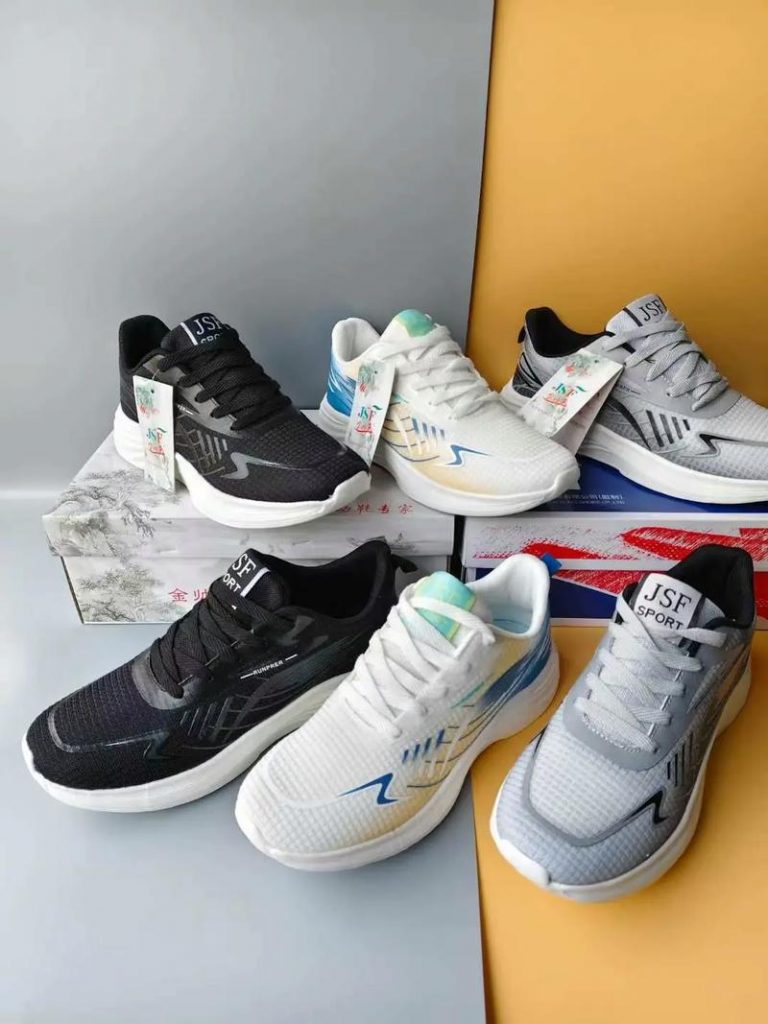
When sourcing casual shoes from China, choosing the right outsole material is an important part of product development and purchasing.
EVA and rubber are two materials commonly used in footwear soles, but they have different characteristics. The most suitable option depends on the shoe design, intended use, product specifications, target market, and budget.
For footwear importers, wholesalers, retailers, and private label brands, understanding the differences between EVA and rubber outsoles can help when discussing product requirements with a shoe supplier.
This guide compares the two materials and explains what buyers should consider before placing a bulk footwear order.
1. What Is an EVA Outsole?
EVA stands for ethylene-vinyl acetate, a polymer used in many footwear components.
EVA foam is commonly associated with lightweight cushioning and flexibility. Depending on the formulation and construction, it can be used in midsoles, outsoles, or combined sole structures.
For casual footwear, EVA-based components may be suitable when buyers prioritize low weight and cushioning.
Potential Advantages of EVA
Lightweight construction
EVA foam is generally lightweight, which can help reduce the overall weight of a shoe.
Cushioning
EVA foam can provide cushioning underfoot. The actual feel depends on the formulation, density, thickness, and sole design.
Design flexibility
EVA can be formed into different shapes and structures, depending on the manufacturing process.
Product development options
Manufacturers may offer different EVA formulations and constructions for different footwear requirements.
What Buyers Should Consider
Not every EVA sole has the same durability or performance characteristics.
Depending on the formulation and use conditions, EVA foam may compress over time or show wear under repeated use.
Buyers should evaluate the actual sole design and sample rather than assuming that every EVA product offers the same cushioning or lifespan.
2. What Is a Rubber Outsole?
Rubber outsoles are used in many types of footwear, including casual shoes, sneakers, and selected sports shoes.
Rubber formulations vary, and their performance depends on the material composition, tread pattern, thickness, and manufacturing process.
Potential Advantages of Rubber
Abrasion resistance
Certain rubber compounds can offer good resistance to surface wear, depending on the formulation and conditions of use.
Traction options
Rubber outsole designs can incorporate different tread patterns intended to provide grip on particular surfaces.
Actual traction performance depends on the compound, tread geometry, surface conditions, and testing method.
Structural characteristics
Rubber soles can be designed with different levels of firmness and flexibility to suit different shoe constructions.
Design versatility
Rubber can be used in a wide range of outsole shapes and tread patterns.
What Buyers Should Consider
Rubber may add weight compared with some lightweight foam constructions.
Its cost and performance also vary depending on the formulation, sole thickness, tread design, and manufacturing requirements.
Buyers should confirm the actual rubber type and the product’s intended use before comparing quotations.
3. EVA vs Rubber Outsoles: Key Differences
The following table summarizes general characteristics of EVA foam and rubber outsoles.
| Comparison factor | EVA-based sole | Rubber outsole |
|---|---|---|
| Weight | Often lightweight | Often heavier than lightweight EVA foam |
| Cushioning | EVA foam can provide cushioning | Depends on rubber formulation and sole construction |
| Flexibility | Depends on density and design | Depends on compound, thickness, and design |
| Abrasion resistance | Varies by formulation and construction | Many rubber compounds offer good abrasion resistance |
| Traction | Depends on material and tread design | Depends on compound, tread design, and surface |
| Product applications | Casual footwear, cushioning components, and other designs | Casual shoes, sneakers, and many other footwear types |
| Cost | Depends on formulation and construction | Depends on rubber compound and production requirements |
Important: These are general comparisons, not guaranteed specifications for every shoe.
The actual performance of a sole depends on its material formulation, construction, thickness, design, and intended use.
For commercial orders, request product specifications and relevant test information when particular performance requirements matter.
4. Which Sole Material Is Better for Casual Shoes?
There is no single material that is best for every casual shoe.
The right choice depends on the product concept and the expectations of your customers.
When EVA May Be Suitable
EVA-based soles may be worth considering when your product priorities include:
- Lightweight construction.
- Cushioned underfoot feel.
- Flexible sole designs.
- Everyday casual footwear.
- A particular weight target for the finished shoe.
However, the supplier should confirm whether the proposed EVA construction meets your durability and use requirements.
When Rubber May Be Suitable
Rubber outsoles may be worth considering when your product priorities include:
- Resistance to surface wear.
- Specific traction requirements.
- Defined tread patterns.
- A particular outsole appearance.
- Construction requirements for the intended footwear category.
The suitability of a rubber outsole should be evaluated using the actual product design and, where necessary, appropriate performance tests.
What About Combined Sole Constructions?
Some footwear designs combine different materials in the sole structure.
For example, a shoe may use a cushioning foam component with a rubber outsole section in selected areas.
Whether this construction is available depends on the shoe design and the manufacturer’s capabilities.
Ask the supplier whether alternative sole constructions can meet your product requirements and what effect they may have on price, weight, and production arrangements.
5. How Outsole Material Affects Wholesale Shoe Costs
For importers and wholesalers, outsole selection is not just a technical decision. It can also affect the product quotation and total purchasing cost.
Several factors may influence the final price.
Material formulation: Different compounds and grades can have different costs.
Sole construction: A single-material sole may have different production requirements from a multi-component design.
Mold and tooling: New sole designs may require additional tooling expenses.
Sole thickness and complexity: Material consumption and design complexity can affect costs.
Order quantity: The quantity and product specifications may influence production arrangements and unit pricing.
Quality requirements: Specific testing, inspection, or performance requirements may involve additional costs.
Packaging and shipping: The overall cost of importing footwear also depends on packing specifications, transportation, and the agreed commercial terms.
When comparing quotations, ask suppliers to quote the same shoe design, sole specifications, order quantity, and customization requirements.
A cheaper outsole does not necessarily provide the best value if it fails to meet the intended product requirements.
6. What Should Wholesale Buyers Ask a Shoe Manufacturer?
Before ordering casual shoes in bulk, clarify the outsole specifications with the supplier.
Useful questions include:
- What material is used in the outsole?
- Is the sole made entirely from EVA, rubber, or a combination of materials?
- What is the approximate outsole weight?
- Are material specifications available?
- What testing information can the supplier provide?
- Are different outsole designs available?
- Does changing the sole require a new mold?
- Will the change affect MOQ or unit price?
- Can a sample be supplied for evaluation?
- What inspection procedures are available for bulk production?
The answers will depend on the supplier and the specific shoe model.
If your product has defined performance requirements, describe them clearly and agree on suitable verification methods before placing an order.
7. How to Evaluate an Outsole Sample
A sample can help you assess whether the outsole meets your product requirements.
Consider checking the following areas.
Material Identification
Ask the supplier to identify the sole material and provide relevant specifications.
Do not rely on appearance alone to determine the exact material composition.
Weight
If the weight of the finished shoe is important to your product positioning, measure the sample and establish an acceptable specification.
Flexibility
Evaluate flexibility in the context of the intended shoe design.
The appropriate level depends on the product’s construction and use.
Surface and Finishing
Inspect the outsole for visible defects, inconsistent finishing, and construction issues.
Tread Design
Review the tread pattern and determine whether it suits the intended product and use conditions.
Bonding and Assembly
Check the connection between the outsole and upper or midsole, as applicable.
Look for visible gaps, uneven bonding, or other issues that may require further evaluation.
For larger orders, agree on written specifications and appropriate inspection criteria before mass production.
8. How to Request a Quotation for Custom Casual Shoes
If you are sourcing casual shoes from China, preparing clear product information can help suppliers understand your requirements.
Include the following details in your inquiry:
| Information | What to provide |
|---|---|
| Shoe type | Men’s casual shoes, women’s casual shoes, or another category |
| Reference images | Product photos, sketches, or technical drawings |
| Outsole preference | EVA, rubber, or a proposed combined construction |
| Upper material | Preferred material, if known |
| Size range | Required sizes and size distribution |
| Color requirements | Preferred colors and quantities |
| Branding | Logo and private label requirements |
| Order quantity | Estimated pairs per style |
| Packaging | Standard or customized packaging |
| Destination | Country of import |
| Delivery schedule | Expected shipping or arrival date |
If you are unsure which outsole material is suitable, explain the intended use, target price, and product requirements.
The supplier can then advise which available options may be worth evaluating.
9. Frequently Asked Questions
Is EVA lighter than rubber?
EVA foam is generally lightweight, and many EVA-based sole constructions weigh less than comparable solid rubber constructions. However, the actual weight depends on material formulation, thickness, design, and the overall shoe structure.
Are rubber outsoles more durable than EVA soles?
Not in every case. Many rubber compounds offer good abrasion resistance, but durability depends on the specific material, sole design, use conditions, and construction. Compare the actual products and relevant test results.
Which sole is better for wholesale casual shoes?
The right choice depends on the target market, intended use, product design, price positioning, and required performance characteristics.
Can I request custom EVA or rubber soles?
This depends on the supplier’s manufacturing capabilities and the selected design. Ask about available sole options, tooling requirements, MOQ, and development costs.
Does changing the outsole affect the price?
It can. Different materials, sole designs, tooling requirements, and production processes may affect the quotation. Request a revised price based on the exact specifications.
Should I request samples before placing a bulk order?
Yes, a sample can help you evaluate the materials, construction, appearance, and suitability of the product. For important performance requirements, agree on appropriate tests and inspection criteria.
10. Request a Custom Casual Shoes Quotation
Are you sourcing casual shoes for wholesale distribution, retail stores, or your own footwear brand?
When contacting a shoe supplier, explain your product requirements and whether you prefer EVA soles, rubber outsoles, or another construction.
To help the supplier assess your inquiry, provide:
- Your preferred shoe style.
- Reference images or technical drawings.
- Preferred outsole material.
- Upper material requirements.
- Estimated order quantity.
- Required sizes and colors.
- Logo and packaging requirements.
- Destination country.
- Expected delivery schedule.
Ask the supplier to confirm the available products, outsole specifications, MOQ, sample arrangements, and quotation.
Ready to discuss your casual shoe sourcing project?
Visit the supplier’s profile on Vlefooena and use the available contact options to submit your inquiry.


No reply content