
Introduction
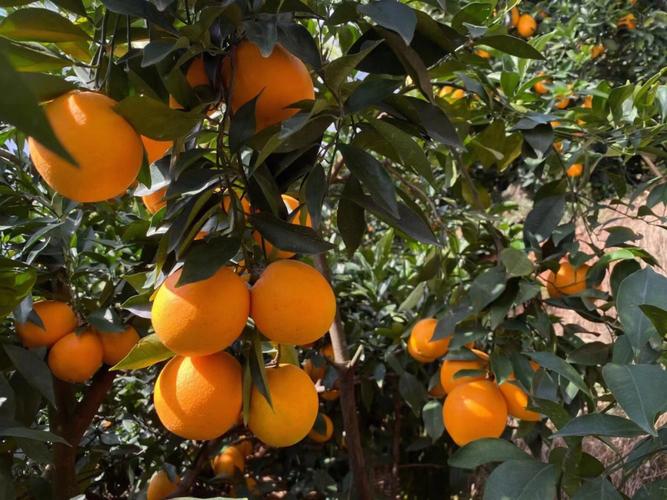
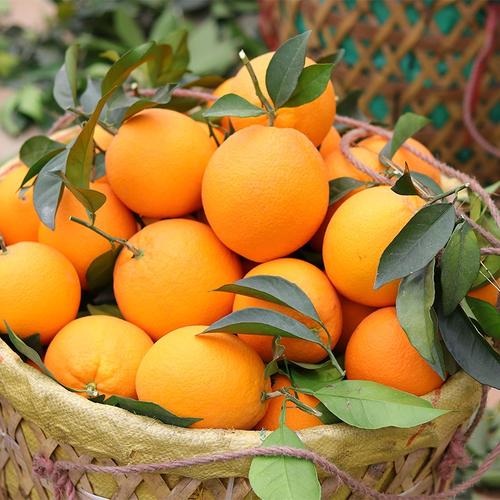
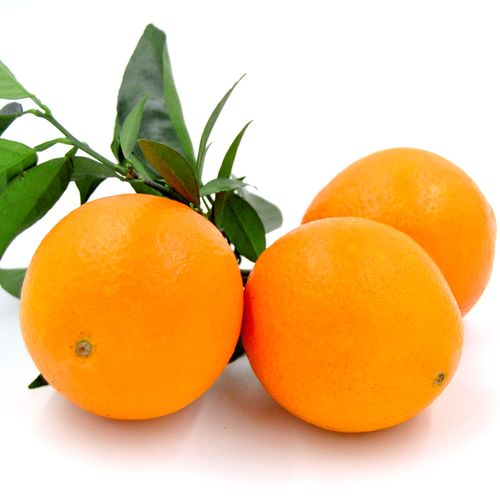
Gannan navel oranges, grown in the subtropical valleys of Jiangxi Province in China, are widely known for their refreshing sweetness, vibrant color, high juice content, and excellent storage performance. These qualities make them highly popular in neighboring markets — especially in Hong Kong, where consumer demand for high-quality fresh fruit continues to grow.
This comprehensive guide covers the entire export process of Gannan navel oranges from China to Hong Kong, including production overview, quality standards, export requirements, logistics, customs clearance, pricing factors, marketing strategies, and risk management.
1. What Makes Gannan Navel Oranges Special?
Gannan (赣南) in southern Jiangxi Province boasts a unique geographic and climatic advantage:
- Subtropical monsoon climate
- Long sunshine hours
- Rich soil minerals
- Large day-night temperature differences
These conditions produce oranges with:
✔ Thick peel but easy to peel
✔ Sweet and fragrant flesh
✔ High sugar content (Brix levels)
✔ High juice yield
✔ Low acidity
Because of these characteristics, Gannan navel oranges are considered premium citrus products in both domestic and export markets.
2. Hong Kong Market Demand for Fresh Citrus
Hong Kong consumers are increasingly health-conscious and willing to pay premium prices for quality fruit. Key market features include:
- High per capita fresh fruit consumption
- Strong demand for imported citrus
- Preference for sweet and easy-to-eat varieties
- Year-round demand supported by tourism and expatriate communities
Gannan navel oranges fit well with these preferences, making Hong Kong a significant nearby export destination.
3. Export Requirements and Quality Standards
Exporting fresh fruit requires strict compliance with food safety, phytosanitary, and customs regulations.
3.1 Phytosanitary Certificate
A phytosanitary certificate issued by China’s relevant agricultural authority ensures:
✔ No quarantine pests
✔ Compliance with Hong Kong agricultural import requirements
Hong Kong’s Agriculture, Fisheries and Conservation Department (AFCD) publishes current import protocols for citrus.
3.2 Fruit Quality Inspection
Before export:
- Fruit must be sorted for maturity and appearance
- Free from pests and damage
- Sugar content and firmness tested
- Packaging compliance verified
Laboratories and inspection stations conduct testing to ensure quality.
3.3 Labeling and Traceability
Exported fruit must include:
✔ Country of origin
✔ Variety name
✔ Packing date
✔ Producer code or export registration number
Traceability improves food safety and consumer confidence.
4. Harvesting and Post-Harvest Handling
4.1 Proper Harvest Timing
Harvesting at the optimal maturity stage ensures:
- Peak sweetness
- Longer shelf life
- Better export performance
Gannan harvest season typically runs from November to February.
4.2 Post-Harvest Sorting
After picking:
- Remove any bruised or damaged fruit
- Sort by size and weight
- Conduct sugar content (Brix) tests
Uniform fruit quality enhances export acceptance.
4.3 Pre-Cooling and Storage
Pre-cooling reduces field heat and slows respiration.
Cold storage conditions for export fruit:
- Temperature: 4–8°C
- Humidity: 85–90%
Proper storage minimizes decay and maintains freshness.
5. Packaging Standards for Export
Quality packaging achieves:
✔ Protection during transport
✔ Attractive retail display
✔ Compliance with export rules
5.1 Carton Packaging
Export cartons usually include:
- Ventilated design
- Durable structure
- Protective liners
- Standard export size (e.g., 10–20 kg)
Cartons must be strong enough for stacking and long-distance shipping.
5.2 Brand Packaging (Optional)
For premium fruit:
- Retail display boxes
- Gift packaging
- Branded stickers
- QR code traceability
Premium packaging adds value and supports marketing.
6. Transportation and Logistics
Hong Kong lies close to southern China, which simplifies logistics.
6.1 Road Transport
The most common method:
- Refrigerated truck (reefer)
- Temperature controlled at 4–8°C
- Fast border crossing
6.2 Cross-Boundary Requirements
Cross-boundary transport between Mainland China and Hong Kong requires:
✔ Licensed cross-boundary refrigerated transport
✔ Advance cargo declarations
✔ AFCD pre-arranged inspection
Refrigerated road transport ensures minimal quality loss.
7. Customs Clearance in Hong Kong
Hong Kong generally applies low import barriers for fresh fruit, but consignments still require:
- Advance notification via e-portal
- Phytosanitary certificate
- Invoice and packing list
- Traceability documentation
Hong Kong’s cargo terminals facilitate fast customs release if documentation is complete.
8. Pricing and Cost Factors
Export pricing depends on several components:
8.1 Production Cost
- Orchard labor
- Fertilizer and pest control
- Harvesting cost
8.2 Packaging Cost
- Carton quality
- Branding materials
- Labeling and traceability
8.3 Logistics Cost
- Refrigerated truck hire
- Fuel cost
- Border crossing fees
- Storage fees
8.4 Market Pricing
Hong Kong fresh fruit prices are influenced by:
- Seasonal demand
- Competing fruit種類 (e.g., Australian navel oranges, US citrus)
- Retail markup levels
9. Marketing and Distribution Channels
9.1 Wholesale Markets
Hong Kong has several wholesale fruit markets where:
- Retailers purchase inventory
- Distributors organize logistics
- Pricing is negotiated
Wholesale channels help move large volumes quickly.
9.2 Retail Channels
- Supermarkets (e.g., ParknShop, Wellcome)
- Specialty fruit stores
- Online fresh fruit platforms
- Pop-up stalls and farmer markets
Branding and packaging play a major role at the retail level.
9.3 E-Commerce and Direct Sales
With digital transformation:
✔ Cross-border e-commerce platforms
✔ Social media promotions
✔ Home delivery services
are increasingly important for premium fruit.
10. Compliance and Risk Management
Fresh fruit exports involve risk factors:
10.1 Weather Risk
Extreme weather or typhoons can disrupt:
- Harvest timing
- Fruit quality
- Packing schedules
Growers and exporters must monitor weather forecasts.
10.2 Border Delays
Delays at customs or cross-boundary checkpoints can:
✔ Increase temperature exposure
✔ Raise spoilage risk
Advance planning reduces delays.
10.3 Quality Control Risk
Inconsistent sorting or storage can result in:
- Rejections at destination
- Refunds or penalties
Adhering to strict quality protocols is essential.
11. Case Study: Successful China–Hong Kong Citrus Export
Background
A Jiangxi orchard cooperative partnered with a Hong Kong distributor to export Gannan navel oranges. They implemented:
- Early quality trials
- Branded packaging
- Refrigerated cross-boundary trucks
- Weekly inventory forecasting
Results
- High retail sell-through
- Long-term supply contract
- Positive consumer feedback
The project demonstrated how quality and logistics planning drive export success.
12. Future Trends
12.1 Digital Traceability
QR codes and blockchain improve:
- Consumer trust
- Supply chain transparency
- Recall efficiency
12.2 Premium Branding
Gift packaging and seasonal campaigns boost:
- Market appeal
- Holiday sales
12.3 Cold Chain Technology
Investment in advanced cold chain logistics maintains optimal fruit quality and expands export capacity.
FAQ – Exporting Gannan Navel Oranges
Q1: What documentation is needed to export fruit from China to Hong Kong?
A: Phytosanitary certificate, commercial invoice, packing list, and traceability records.
Q2: How should Gannan navel oranges be stored during transport?
A: Refrigerated at 4–8°C with high humidity to preserve freshness.
Q3: When is the peak harvest season?
A: Typically from November to February.
Q4: Do Gannan navel oranges require special packaging for export?
A: Yes, strong ventilated cartons and protective liners are essential.
Q5: How long does cross-boundary transport to Hong Kong take?
A: Usually within hours, depending on border queue and documentation.
Conclusion
The export of Gannan navel oranges from China to Hong Kong represents a promising opportunity for growers, distributors, and logistics partners alike. By leveraging high fruit quality, efficient cold chain logistics, rigorous compliance with phytosanitary requirements, and effective marketing strategies, exporters can capture a growing market in Hong Kong with premium citrus products.
From orchard to retail shelf, every step — from quality sorting and pre-cooling to cross-boundary logistics and retail display — plays a key role in export success. With continued innovation in packaging, traceability, and cold chain systems, the future of Gannan navel orange exports looks bright.


No reply content