Export of Gannan Navel Oranges from China to India: A Tale of Quality, Logistics, and Market Synergy

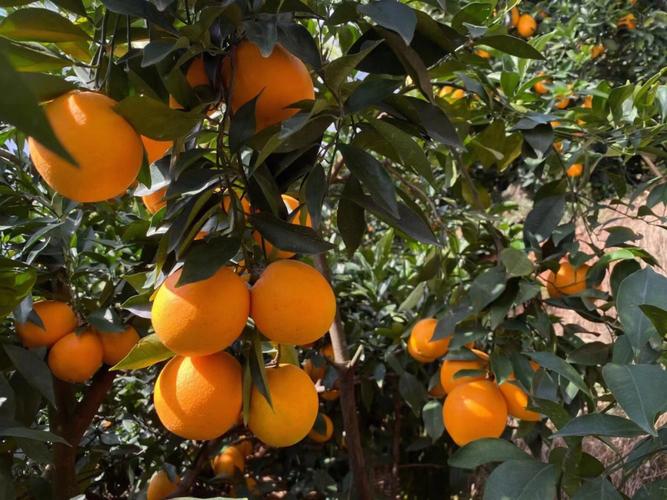
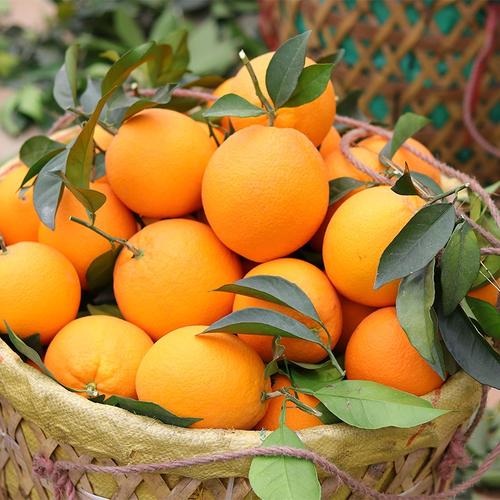
Gannan Navel Orange Orchard China
Introduction
In the vast landscape of global agricultural trade, few commodities embody the fusion of terroir, tradition, and economic potential like citrus fruits. Among them, China’s Gannan navel oranges (Citrus sinensis) stand out—renowned for their vibrant color, honey-like sweetness, and juicy texture. Grown in the rolling hills of Ganzhou, Jiangxi Province, these oranges have earned a reputation as “the king of oranges” in domestic markets. Now, they are increasingly making their way to India, one of the world’s fastest-growing citrus-consuming nations. This article explores the dynamics of exporting Gannan navel oranges from China to India, analyzing the strengths of the supply chain, challenges in cross-border trade, and strategies for market success.
I. The Gannan Navel Orange: A Legacy of Terroir and Quality
To understand the export potential of Gannan navel oranges, one must first appreciate their unique origins.
A. Geographic and Climatic Advantages
Ganzhou, located in southern Jiangxi, boasts a subtropical monsoon climate with four distinct seasons: warm springs, hot summers, cool autumns, and mild winters. The region’s red soil—rich in iron and aluminum oxides—provides excellent drainage and mineral nutrients, while ample rainfall (1,400–1,700 mm annually) and 1,800–2,200 hours of sunshine create ideal growing conditions. These factors contribute to the oranges’ signature traits: a bright orange-red rind, thick yet tender flesh, and a balanced sugar-acid ratio (12:1 to 15:1, compared to the global average of 10:1).
B. Cultivation History and Varietal Excellence
Gannan navel oranges were introduced to the region in the 1970s, with the Newhall (纽荷尔) variety becoming dominant due to its high yield, disease resistance, and adaptability to local soils. Over 50 years of selective breeding have enhanced traits like cold tolerance (surviving brief temperatures as low as -3°C) and storage capability (retaining quality for 2–3 months under proper conditions). Today, Ganzhou’s orange groves span 1.7 million mu (≈113,000 hectares), producing over 1.2 million metric tons annually—accounting for 20% of China’s navel orange output.
C. Quality Assurance and Certifications
Chinese exporters prioritize quality control to meet international standards:
-
Geographical Indication (GI) Protection: Gannan navel oranges are recognized as a National GI product, ensuring origin authenticity.
-
Good Agricultural Practices (GAP): Orchards follow strict guidelines for fertilizer use (organic compost over synthetic chemicals), pest control (biological agents like ladybugs), and irrigation (drip systems to conserve water).
-
Post-Harvest Processing: Oranges are sorted by size (diameter 65–85 mm), color (≥80% orange-red), and sugar content (Brix level ≥12%) using optical sensors. Defective fruits are removed to maintain batch consistency.
II. Why India? The Rising Demand for Imported Citrus
India, the world’s second-most populous nation, is a critical market for Gannan navel oranges. Its citrus industry, while large, faces supply gaps that Chinese exports can fill.
A. India’s Citrus Market Overview
India produces ~12 million metric tons of citrus annually (mostly mandarins, lemons, and limes), but navel orange output is limited to 500,000 tons, concentrated in Maharashtra and Punjab. With a growing middle class (projected to reach 583 million by 2030) and increasing preference for healthy snacks, demand for high-quality navel oranges has surged. Per capita consumption of oranges in India is just 3–4 kg/year (vs. 10–12 kg in China and 15–20 kg in the U.S.), indicating significant growth potential.
B. Key Market Drivers
-
Seasonal Gaps: India’s navel orange harvest runs from December to February, while Gannan oranges mature from October to December, allowing Chinese exporters to supply the market during the “off-season” (March–May) and early winter.
-
Urbanization and Retail Evolution: Supermarkets and e-commerce platforms (e.g., BigBasket, Flipkart) are expanding in cities like Mumbai, Delhi, and Bengaluru, creating demand for premium, pre-packaged fruit.
-
Health Consciousness: Oranges are perceived as a rich source of vitamin C, fiber, and antioxidants, aligning with India’s rising interest in preventive healthcare.
III. Core Competencies of Chinese Exporters
Exporting Gannan navel oranges to India requires a blend of agricultural expertise, logistical efficiency, and market adaptability.
A. End-to-End Supply Chain Control
Leading exporters manage the entire value chain:
-
Orchard Partnerships: Long-term contracts with Ganzhou farmers ensure consistent quality and supply. Exporters provide training in GAP, subsidize organic fertilizers, and offer fair pricing to build trust.
-
Processing Facilities: State-of-the-art packhouses (equipped with pre-cooling units, automated sorting lines, and waxing machines) process 50–100 tons of oranges daily. Waxing (using food-grade shellac) reduces water loss and extends shelf life by 30%.
-
Cold Chain Logistics: Oranges are pre-cooled to 4–6°C within 6 hours of picking, then stored in 20-foot reefer containers (maintaining 0–4°C) for sea transport. GPS-enabled sensors monitor temperature and humidity, alerting handlers to deviations.
B. Cost and Price Competitiveness
Chinese exporters benefit from:
-
Economies of Scale: Large production volumes (1.2 million tons/year) lower per-unit costs.
-
Efficient Labor: Skilled farmworkers and mechanized harvesting (for flat terrains) reduce labor costs by 20–30% compared to India.
-
Bulk Purchasing: Negotiated rates for packaging materials (corrugated boxes, foam nets) and transportation (chartering reefer vessels) further cut expenses.
C. Regulatory Compliance and Certifications
To access the Indian market, exporters must meet stringent requirements:
-
Phytosanitary Certificate (PC): Issued by China’s General Administration of Customs (GACC), certifying freedom from pests (e.g., citrus psyllid) and diseases (e.g., citrus greening).
-
Indian Standards (IS): Oranges must comply with IS 5381:2018 (for fresh fruit quality) and IS 14433:1997 (pesticide residue limits).
-
Other Certifications: Many exporters hold GlobalG.A.P. and HACCP certifications, signaling commitment to food safety.
IV. Challenges in Exporting to India
Despite the opportunities, Chinese exporters face several hurdles.
A. Trade Barriers and Tariffs
India imposes a 30% basic customs duty (BCD) on imported oranges, plus 4% social welfare surcharge and 18% GST, totaling ~55% in taxes. This makes Gannan oranges more expensive than Indian-grown varieties, limiting their appeal to premium segments.
B. Logistical Complexities
-
Transit Time: Sea freight from Shenzhen or Shanghai to Mumbai takes 15–20 days, during which maintaining 0–4°C is critical. Delays (e.g., port congestion) can lead to spoilage.
-
Last-Mile Distribution: India’s fragmented road network and inadequate cold storage in tier-2/3 cities pose challenges for maintaining quality post-arrival.
C. Cultural and Market Adaptation
-
Consumer Preferences: Indian buyers often favor smaller, sweeter oranges, while Gannan varieties are larger (150–200g/fruit) with a slightly tart finish.
-
Competition: Egypt, Turkey, and South Africa also export oranges to India, competing on price and seasonality.
-
Marketing Gaps: Limited brand awareness of “Gannan” outside China requires investment in advertising (e.g., social media campaigns, in-store tastings).
V. Strategies for Market Success
To overcome challenges, exporters are adopting targeted strategies.
A. Product Differentiation
-
Grading and Packaging: Offering small (65–75 mm), medium (75–85 mm), and large (85–95 mm) sizes to cater to diverse preferences. Premium packs (6–8 oranges in gift boxes) target festive occasions (Diwali, Christmas).
-
Value-Added Products: Experimenting with orange juice concentrate, dried orange slices, and essential oils for niche markets.
B. Local Partnerships
-
Distributor Agreements: Collaborating with Indian importers who have established cold chains and retail networks.
-
E-Commerce Integration: Listing on platforms like Amazon India and BigBasket, offering doorstep delivery with ice packs.
C. Policy Advocacy
Exporters are lobbying for reduced tariffs under the Regional Comprehensive Economic Partnership (RCEP) and bilateral trade talks, emphasizing mutual benefits (e.g., India gains year-round orange supply; China accesses a growing market).
VI. The Export Process: From Orchard to Indian Market
A typical export transaction involves seven steps:
1. Order Placement
Indian buyers place orders via email or trade platforms, specifying quantity (e.g., 20 tons), grade (medium), and delivery timeline (e.g., November shipment).
2. Harvesting and Pre-Cooling
Oranges are picked by hand in early morning (6–8 AM) to avoid heat stress. They are transported to packhouses within 2 hours and pre-cooled to 4–6°C.
3. Sorting and Grading
Optical sorters grade oranges by size, color, and sugar content. Defects (bruises, fungal spots) are removed.
4. Packaging
Oranges are packed in 5-kg corrugated boxes lined with foam nets. Each box includes a label with origin (Ganzhou, Jiangxi), harvest date, and exporter details.
5. Documentation
Exporters prepare a commercial invoice, packing list, bill of lading (B/L), phytosanitary certificate, and insurance certificate.
6. Shipping and Customs Clearance
Reefer containers are loaded onto vessels bound for Mumbai or Nhava Sheva Port. Upon arrival, Indian customs inspect documents and sample fruits for quality.
7. Distribution
Importers transport oranges to cold storage facilities, then distribute them to wholesalers, supermarkets, and online retailers.
VII. Future Trends and Opportunities
The export of Gannan navel oranges to India is poised for growth, driven by:
A. Technological Advancements
-
Smart Agriculture: Drones and IoT sensors monitor orchard health (soil moisture, pest activity), improving yield and reducing chemical use.
-
Blockchain Traceability: QR codes on packaging allow consumers to track oranges from orchard to shelf, enhancing trust.
B. Sustainability Initiatives
Exporters are adopting organic farming (avoiding synthetic pesticides) and solar-powered packhouses to reduce carbon footprints—appealing to eco-conscious Indian buyers.
C. Market Expansion
Beyond metros, exporters are targeting tier-2 cities (e.g., Pune, Ahmedabad) where disposable incomes are rising. Collaborations with local fruit vendors (“mandis”) also increase accessibility.
VIII. FAQ: Export of Gannan Navel Oranges from China to India
1. What is the main variety of Gannan navel orange exported to India?
The Newhall (纽荷尔) variety dominates, prized for its sweetness (Brix 12–15%), thick flesh, and long shelf life.
2. What is the typical harvest season for Gannan navel oranges?
October to December, allowing exports to India during its off-season (March–May).
3. How are Gannan oranges packaged for export?
In 5-kg corrugated boxes lined with foam nets, labeled with origin, harvest date, and exporter details. Premium packs (6–8 oranges) use gift boxes.
4. What is the transit time from China to India by sea?
15–20 days from Shenzhen/Shanghai to Mumbai/Nhava Sheva Port.
5. What certifications are required for export to India?
Phytosanitary Certificate (PC), Indian Standards (IS 5381:2018), and optional GlobalG.A.P./HACCP.
6. What is the total tariff on imported oranges in India?
~55% (30% BCD + 4% social welfare surcharge + 18% GST).
7. How do exporters maintain quality during transit?
Reefer containers maintain 0–4°C; GPS sensors monitor temperature/humidity.
8. What are the main challenges in exporting to India?
High tariffs, logistical delays, competition from other exporters, and consumer preference gaps.
9. How do exporters differentiate their products?
By grading (small/medium/large), packaging (gift boxes), and value-added products (juice concentrate).
10. What is the minimum order quantity (MOQ) for export?
Typically 10–20 tons, depending on buyer capacity.
11. Do exporters offer organic Gannan oranges?
Yes, some farms are certified organic (avoiding synthetic pesticides), commanding a 20–30% price premium.
12. How are disputes resolved in export transactions?
Via arbitration clauses in contracts, often governed by ICC rules.
13. What is the shelf life of Gannan oranges after export?
2–3 months under proper cold storage (0–4°C).
14. Can exporters customize packaging for Indian festivals?
Yes, gift boxes with Diwali/Christmas themes are popular for premium buyers.
15. What role do Indian importers play in the supply chain?
They handle customs clearance, cold storage, and distribution to retailers.
16. How do exporters ensure compliance with Indian pesticide standards?
By adhering to Codex Alimentarius limits and conducting third-party lab tests.
17. What is the future of Gannan orange exports to India?
Growth is expected due to rising demand, technological upgrades, and policy advocacy for tariff reductions.
18. Are there any government subsidies for exporters?
Yes, China’s Ministry of Commerce offers subsidies for cold chain infrastructure and trade promotion.
19. How do exporters market Gannan oranges in India?
Via e-commerce platforms, in-store tastings, and social media campaigns highlighting origin stories.
20. What is the typical profit margin for exporters?
10–15% after accounting for costs (production, logistics, tariffs).
Conclusion
The export of Gannan navel oranges from China to India represents a promising synergy of quality, logistics, and market demand. While challenges like tariffs and competition persist, Chinese exporters are leveraging their strengths—terroir, supply chain control, and adaptability—to carve out a niche in India’s growing citrus market. As both nations deepen economic ties, Gannan oranges are poised to become a symbol of cross-border agricultural cooperation, bringing the taste of Jiangxi’s hills to Indian tables. For exporters willing to innovate and collaborate, the future is as bright as the oranges themselves—sweet, vibrant, and full of potential.


No reply content