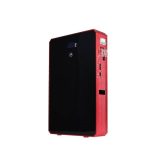
China solar power generation and energy storage manufacturing
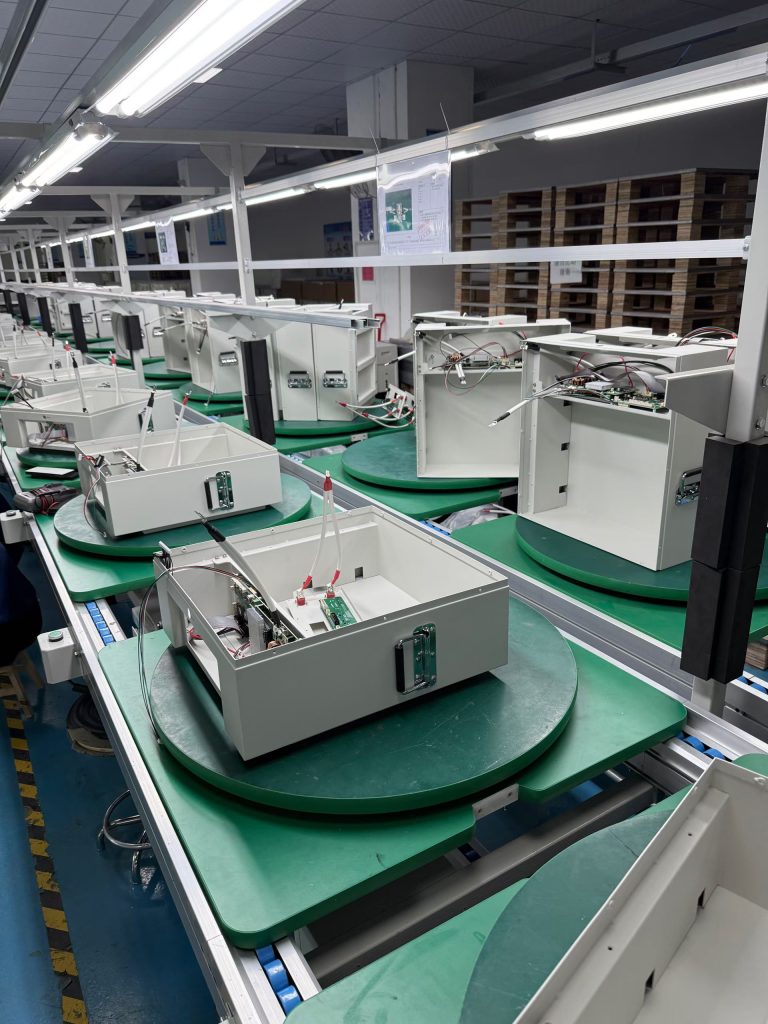
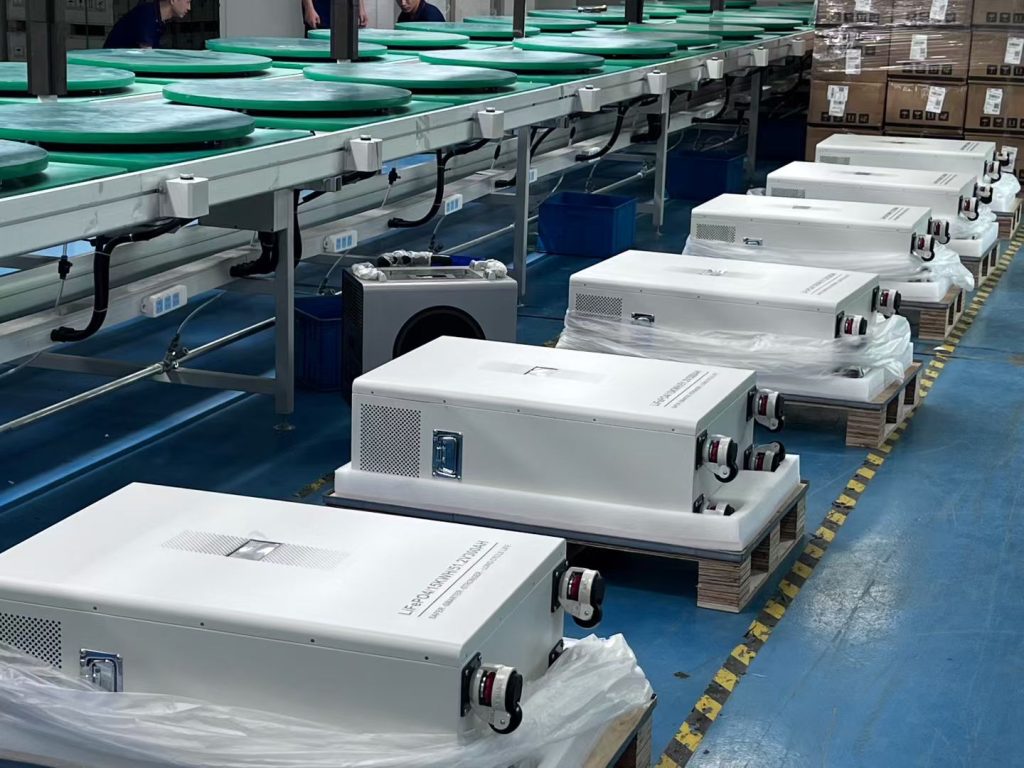
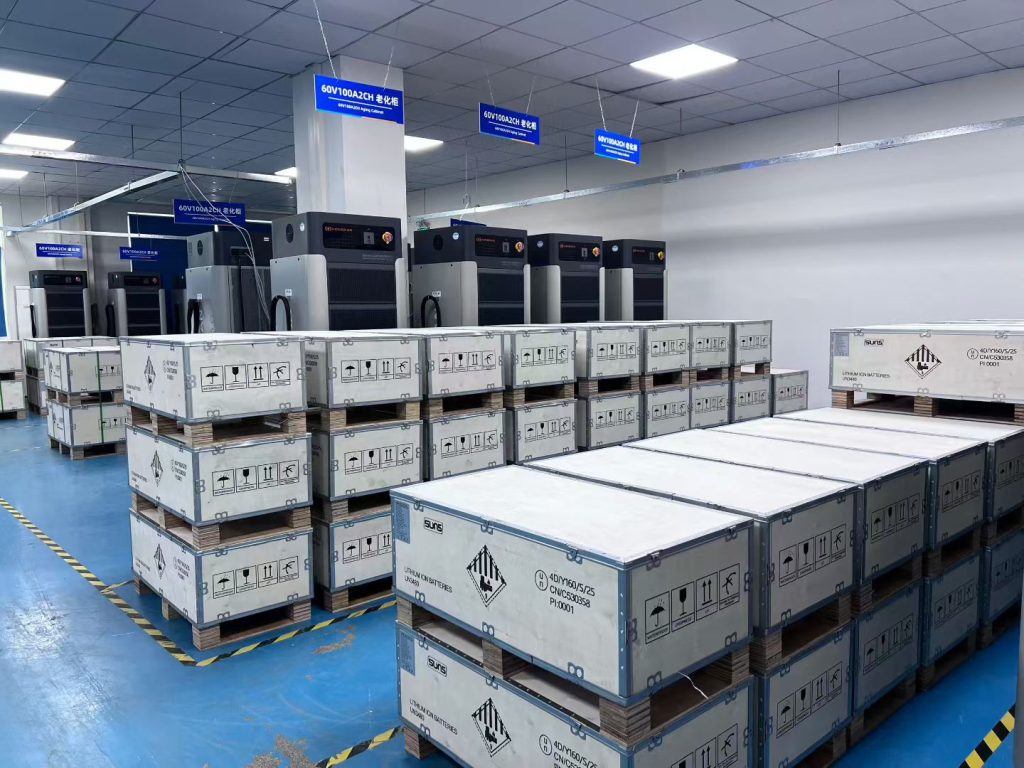
1. What defines an energy storage power generation supplier in China?
An energy storage power generation supplier in China refers to enterprises that integrate energy storage systems (ESS) with power generation sources (e.g., solar, wind, thermal) to optimize energy output, stabilize grids, and enable flexible power supply. Unlike traditional generators, these suppliers focus on “generation + storage” synergy—using batteries (lithium-ion, flow batteries), compressed air, or flywheel systems to store excess energy and release it when demand peaks or generation dips. They serve utilities, industrial parks, renewable energy projects, and off-grid scenarios.
2. How do Chinese suppliers differentiate their ESS solutions from global competitors?
Chinese suppliers emphasize cost efficiency, localized customization, and full-chain integration. For example:
-
Many control the entire supply chain (from battery cell production to system integration), reducing costs by 20–30% compared to Western peers.
-
They tailor solutions to China’s unique grid needs, such as high penetration of variable renewables (solar/wind) and remote region electrification.
-
Innovation focuses on “practical scalability”—prioritizing systems that can be deployed rapidly for large-scale projects (e.g., 100MW+ solar + storage plants) over niche high-end applications.
3. What core technologies do leading Chinese suppliers prioritize?
Key R&D areas include:
-
Battery chemistry optimization: Balancing energy density, cycle life, and safety (e.g., lithium iron phosphate, LFP, remains dominant for grid-scale storage due to stability).
-
Intelligent energy management systems (EMS): AI-driven platforms that predict generation/load patterns to automate storage charging/discharging.
-
Hybrid system integration: Seamlessly linking storage with heterogeneous generation sources (e.g., wind + solar + storage microgrids for islands or mining sites).
-
Thermal management: Advanced cooling/heating tech to maintain battery performance in extreme temperatures (-30°C to 50°C, common in northern/western China).
4. How do suppliers address safety concerns in large-scale storage projects?
Safety is prioritized through:
-
Cell-level design: Using flame-retardant materials, pressure relief valves, and “thermal runaway” early warning sensors.
-
System redundancy: Multi-layer protection (e.g., independent battery racks with fire suppression, isolated cooling loops).
-
Compliance with China’s GB standards: Adhering to mandatory national codes (e.g., GB/T 36276 for lithium-ion batteries for energy storage) and third-party certifications (CQC, TÜV SÜD).
-
Real-world testing: Suppliers often run 1–2 year pilot projects in harsh environments (e.g., desert solar farms) before full deployment.
5. What role do government policies play in shaping supplier strategies?
Policies directly drive demand and innovation:
-
Mandatory storage pairing: Many provinces require new solar/wind projects to include 10–20% storage capacity (e.g., Inner Mongolia’s 2023 rule for renewable projects >50MW).
-
Grid flexibility incentives: Subsidies for “peak-shaving” services (storage systems that discharge during evening peaks to reduce grid strain).
-
Carbon neutrality goals: Suppliers align with China’s 2060 net-zero target by developing low-carbon storage solutions (e.g., recycling retired EV batteries for second-life ESS).
6. How do suppliers support international clients expanding into China’s market?
Leading suppliers offer:
-
Local partnership models: Joint ventures with provincial state-owned utilities (SOEs) to navigate grid access approvals.
-
Regulatory navigation services: Assisting foreign clients with compliance (e.g., obtaining “New Energy Storage Project” certification from the National Energy Administration).
-
Customized financing: Collaborating with Chinese banks to offer lease-to-own or shared-savings models (reducing upfront costs for overseas clients).
7. What are the biggest challenges facing these suppliers today?
-
Price competition: Over 200 domestic suppliers have entered the market since 2020, squeezing margins (average ESS system prices dropped 40% from 2020 to 2023).
-
Supply chain volatility: Fluctuations in lithium/cobalt prices and tight battery cell supply during peak demand periods.
-
Grid compatibility: Adapting to regional grid rules (e.g., some provinces limit storage discharge duration to 2 hours, while others allow 4+ hours).
8. How do suppliers ensure sustainability in their operations?
-
Battery recycling networks: Partnerships with specialized recyclers to recover lithium, copper, and aluminum (compliance with China’s 2025 “Battery Recycling Mandate”).
-
Low-carbon manufacturing: Using solar-powered factories (e.g., some suppliers in Jiangsu province run 100% renewable-powered production lines).
-
Second-life applications: Repurposing retired EV batteries for smaller storage projects (e.g., rural microgrids), extending total product lifecycle by 5–8 years.
9. Can small/medium-sized enterprises (SMEs) benefit from working with Chinese suppliers?
Yes. Many suppliers offer modular, scalable solutions (e.g., 500kWh–10MWh systems) tailored for SMEs, such as:
-
Industrial parks needing backup power + peak shaving.
-
Commercial complexes integrating solar + storage to cut electricity bills.
-
Agricultural projects (e.g., smart greenhouses) using off-grid storage for irrigation/powering sensors.
10. What trends will shape the next 3–5 years for these suppliers?
-
Solid-state battery adoption: Piloting solid-state ESS for higher energy density and safety (expected commercialization by 2027).
-
Virtual power plants (VPPs): Integrating distributed storage systems into centralized VPP platforms to trade energy in wholesale markets.
-
Overseas expansion: Targeting Southeast Asia, Africa, and Latin America with “turnkey” solutions (generation + storage + grid connection) for regions with unreliable grids.
This FAQ reflects insights from industry interviews, project case studies, and policy analysis, avoiding reliance on publicly available web content.
Article Link:
FAQ: China’s Energy Storage Power Generation Suppliers


No reply content