
Guangzhou Fishing Tackle Co., Ltd
China
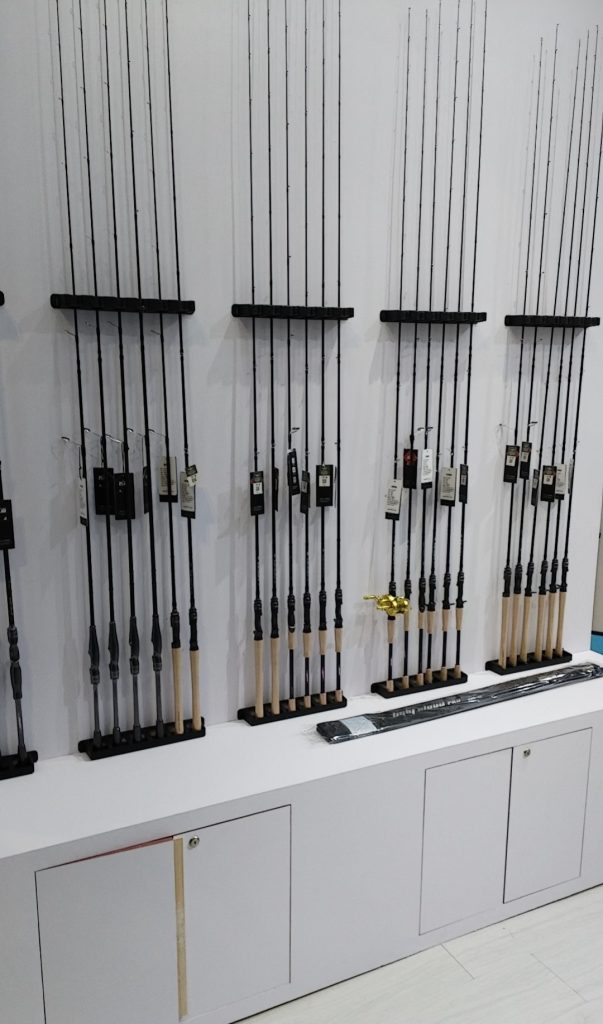
Developing a private-label fishing rod product requires more than selecting an existing model and adding a brand logo. International fishing tackle brands need to consider product specifications, materials, components, samples, quality requirements, packaging, and production arrangements.
For importers, wholesalers, distributors, and fishing tackle brands sourcing from China, understanding the fishing rod OEM manufacturing process can make supplier communication more efficient and help reduce purchasing risks.
Whether you are developing spinning rods, casting rods, telescopic fishing rods, or carbon fiber fishing rods, having a clear OEM project plan is essential.
This guide explains the main stages of fishing rod OEM manufacturing and what international buyers should prepare before placing a bulk order.
1. Define Your Fishing Rod Product Requirements
The first step in an OEM project is to determine exactly what type of fishing rod you want to develop.
Different fishing applications require different product configurations.
Common fishing rod categories include:
-
Spinning fishing rods
-
Casting fishing rods
-
Telescopic fishing rods
-
Carbon fiber fishing rods
-
Other customized fishing rod designs
Buyers should prepare reference pictures, existing product samples, technical drawings, or detailed descriptions whenever possible.
A clear product brief helps the supplier understand the intended design and evaluate the project requirements.
2. Select Materials and Fishing Rod Components
Material selection is an important part of fishing rod development.
Different materials and components influence product weight, flexibility, strength, appearance, and overall performance.
Important elements to discuss include:
Rod Blank Materials
Buyers may discuss carbon fiber, fiberglass, or other suitable material options according to the intended product positioning.
Rod Guides
Guide configuration, frame materials, ring materials, and positioning should match the product specifications.
Reel Seats
The reel seat should be compatible with the intended fishing rod design and reel requirements.
Handles
Handle materials, shapes, dimensions, and finishing can be customized according to the project.
Other Components
Buyers should also confirm tip sections, connectors, decorative parts, and other relevant components.
Material and component requirements should be documented before sample development begins.
3. Confirm Technical Specifications
Before manufacturing samples, both parties should establish a clear technical specification sheet.
A fishing rod OEM specification may include:
Specification |
Details |
|---|---|
Rod type |
Spinning, casting, telescopic |
Material |
Carbon fiber, fiberglass or other |
Rod length |
Required length |
Sections |
Number of sections |
Power |
UL, L, ML, M, MH, H |
Action |
Fast, Moderate or Slow |
Line rating |
Required line range |
Lure rating |
Required lure weight |
Guides |
Type and configuration |
Reel seat |
Required design |
Handle |
Material and design |
Logo |
Printing and position |
Packaging |
Individual and outer packaging |
Not every specification applies to every rod type. Buyers should define the requirements relevant to their specific products.
A detailed specification sheet is particularly important when developing several models under one private-label brand.
4. Develop and Review Fishing Rod Samples
Sample development allows buyers to evaluate the proposed product before moving to mass production.
During this stage, buyers should review:
-
Overall rod appearance
-
Rod dimensions
-
Blank construction
-
Guide alignment
-
Reel seat installation
-
Handle finishing
-
Product weight
-
Printed logo
-
Packaging presentation
If adjustments are needed, buyers should provide specific feedback with pictures, measurements, or written descriptions.
For OEM projects, the approved sample should serve as a reference for the final production requirements.
Avoid approving mass production until important specifications and product details have been confirmed.
5. Confirm Private Label and Logo Customization
For fishing tackle brands, product branding is an important part of OEM development.
Depending on the available manufacturing and customization options, buyers may discuss:
-
Brand logo printing
-
Custom rod colors
-
Decorative patterns
-
Handle appearance
-
Product model identification
-
Customized packaging
-
Retail presentation
Buyers should provide high-quality logo artwork and confirm the logo position, dimensions, colors, and printing requirements.
For multiple fishing rod models, maintaining consistent branding helps create a more recognizable product range.
6. Establish Quality Inspection Requirements
Quality control should be discussed before bulk production.
Fishing rod buyers should identify the most important inspection points for their products.
These may include:
Appearance Inspection
Check the rod surface, coating, printing, and finishing for visible defects.
Component Inspection
Check guide installation, reel seat assembly, handle construction, and other components.
Dimensional Inspection
Verify rod length, sections, and other agreed specifications.
Assembly Inspection
Check section connections and the overall assembly according to the approved product requirements.
Packaging Inspection
Confirm that individual and outer packaging meet the agreed specifications.
For repeat orders, buyers should maintain consistent product specifications and inspection criteria.
7. Confirm MOQ, Pricing, and Production Arrangements
Before placing an OEM order, buyers should request a quotation based on the confirmed specifications.
Important commercial details include:
-
Minimum order quantity for each model
-
Unit price
-
Sample cost
-
Customization costs
-
Packaging costs
-
Production lead time
-
Payment terms
-
Inspection arrangements
-
Shipping terms
MOQ and pricing may vary depending on material selection, product complexity, customization requirements, and order quantity.
If you are developing multiple fishing rod models, ask whether mixed-model purchasing is available and whether separate MOQ requirements apply.
Always request a written quotation with clearly identified product specifications.
8. Bulk Production and Final Inspection
After specifications, samples, branding, packaging, and commercial terms are approved, the project can move into bulk production.
Buyers should maintain communication with the supplier during production.
Important activities may include:
-
Confirming production specifications
-
Monitoring agreed production milestones
-
Checking product consistency
-
Reviewing packaging arrangements
-
Conducting final inspection
-
Confirming shipment preparation
The final products should match the approved specifications and agreed quality requirements.
For international orders, buyers should also prepare shipping arrangements and confirm the required export documentation.
9. Prepare Fishing Rod Products for International Markets
A fishing rod product designed for one market may not automatically suit every other market.
Before launching a new product range, buyers should consider:
-
Local fishing preferences
-
Target customer groups
-
Product specifications
-
Retail price positioning
-
Packaging language requirements
-
Import regulations
-
Distribution channels
Importers and distributors should also consider whether their product range needs different lengths, power ratings, and fishing rod categories.
Careful market planning can help businesses select more suitable products for their customers.
10. Why Work With a China Fishing Rod OEM Supplier?
China is an important sourcing destination for international fishing tackle businesses.
Working with a suitable supplier can help buyers discuss product development, materials, specifications, branding, packaging, and wholesale purchasing in one sourcing process.
Guangzhou Fishing Tackle Co., Ltd is a fishing tackle supplier listed on VLEFOOENA.
Its product categories include:
-
Spinning fishing rods
-
Casting fishing rods
-
Telescopic fishing rods
-
Carbon fiber fishing rods
The supplier profile describes support for OEM/ODM inquiries, custom logos, packaging options, and wholesale orders.
International buyers can submit their requirements to discuss suitable product and customization options.
Frequently Asked Questions
1. What is fishing rod OEM manufacturing?
Fishing rod OEM manufacturing involves producing fishing rods according to a buyer’s agreed product specifications, branding requirements, and order arrangements.
2. Can I develop fishing rods under my own brand?
Private-label projects may include custom logos, colors, product configurations, and packaging, depending on the supplier’s capabilities.
3. Do I need to provide technical drawings for an OEM project?
Technical drawings are useful but may not always be necessary. Buyers can also provide reference products, pictures, measurements, and detailed product requirements.
4. Should I approve a sample before bulk production?
Yes. Sample approval helps confirm product specifications, appearance, components, and branding before mass production.
5. What determines the MOQ for custom fishing rods?
MOQ may depend on product design, materials, components, printing requirements, packaging, and the supplier’s production arrangements.
6. Can I order different fishing rod models together?
This depends on the supplier’s purchasing policy and the MOQ of each model. Buyers should confirm mixed-model order arrangements before placing an order.
7. How can I request a fishing rod OEM quotation?
Provide your product category, technical specifications, estimated quantity, branding requirements, packaging preferences, and destination country.
Request a Fishing Rod OEM/ODM Manufacturing Quotation
Are you developing your own fishing tackle brand or looking for a fishing rod OEM supplier in China?
Guangzhou Fishing Tackle Co., Ltd welcomes inquiries from international importers, wholesalers, distributors, retailers, and private-label fishing tackle brands.
Whether you need spinning rods, casting rods, telescopic fishing rods, or carbon fiber fishing rods, you can submit your product requirements for further discussion.
To help us evaluate your project, please provide:
-
Fishing rod type and reference pictures
-
Required product specifications
-
Estimated order quantity
-
Material and component preferences
-
Custom logo requirements
-
Packaging requirements
-
Destination country


No reply content