
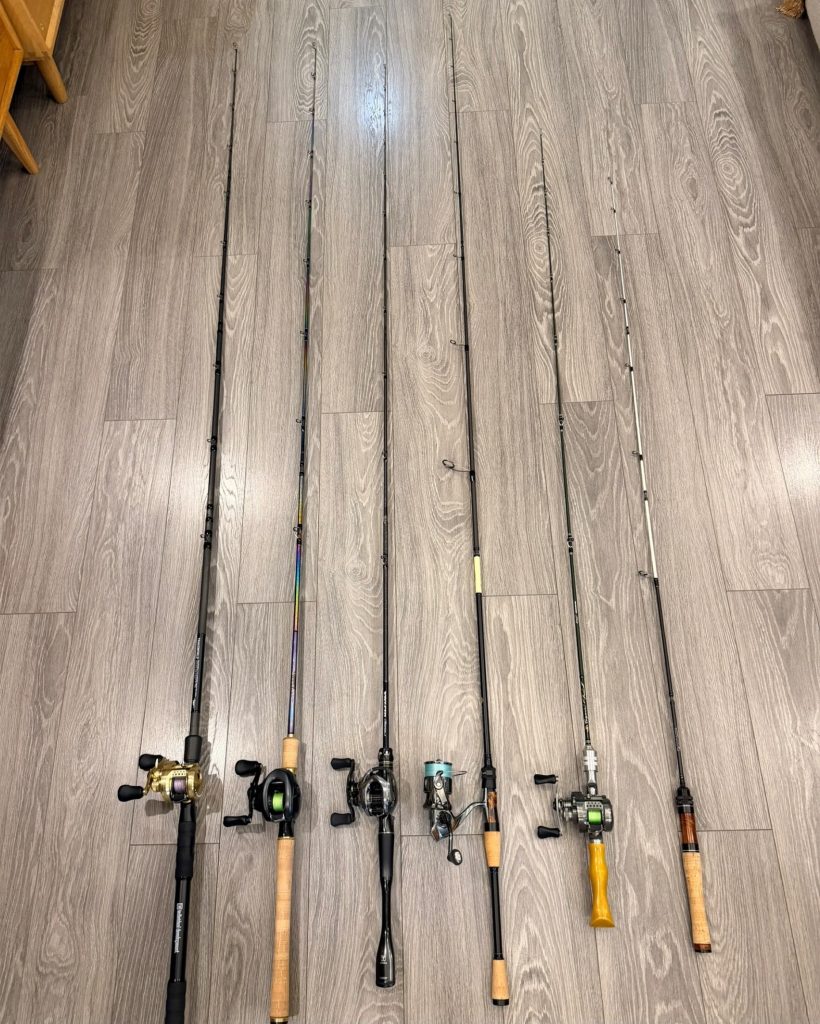
Fishing Rod Packaging and Shipping: A Guide for Importers
Shipping fishing rods from China requires careful planning because their length, shape, and components can make them vulnerable to bending, impact, and handling damage. For fishing tackle importers, wholesalers, distributors, and private-label brands, suitable packaging and reliable shipping arrangements are important parts of the sourcing process.
Before placing a bulk order, buyers should discuss packaging specifications, carton dimensions, shipping methods, product protection, and export documentation with their fishing rod supplier.
This guide explains how to prepare fishing rods for international shipping and what buyers should confirm before their orders leave China.
1. Why Fishing Rod Packaging Matters
Fishing rods are often long, relatively lightweight products with components that may be sensitive to impact or pressure.
Common shipping risks include:
- Bent or damaged rod tips.
- Scratches on rod blanks and surface finishes.
- Broken or displaced guides.
- Damage to rod sections and connection points.
- Crushed cartons caused by stacking or handling.
- Missing accessories or incorrect product labels.
Packaging should protect the product during storage, loading, transportation, unloading, and delivery.
The appropriate solution depends on the rod design, shipment quantity, transportation method, and destination handling conditions.
2. Choose the Right Inner Packaging
Inner packaging helps prevent direct contact between fishing rods and other items inside a carton.
Depending on the product, buyers can discuss the following options with their supplier.
Protective sleeves
Fabric or other suitable protective sleeves can help reduce surface scratches during handling and storage.
Rod tubes
Protective tubes may be suitable for certain rod designs, especially when additional protection for long or delicate sections is needed. Buyers should compare the added protection against the extra packaging dimensions and cost.
Section separation
For multi-piece rods, separate compartments or protective materials can help prevent sections from rubbing against one another.
Guide and tip protection
Rod tips, guides, and other exposed components may require additional protection to reduce the risk of impact damage.
Before approving packaging, request photographs of the proposed packing method and, where practical, review a packed sample.
3. Select Suitable Outer Cartons
The outer carton should provide appropriate protection for the packed rods and remain suitable for the intended shipping conditions.
When evaluating carton specifications, consider:
- Carton length and internal dimensions.
- Carton material and structural strength.
- The number of rods packed per carton.
- The position and protection of rod tips and guides.
- Internal cushioning and separation.
- Stacking and handling requirements.
- Gross weight and shipping labels.
Avoid leaving excessive empty space that allows products to move freely. At the same time, packaging should not apply excessive pressure to the rod blanks or components.
For long fishing rods, confirm the actual packed dimensions rather than relying on the product’s nominal length.
4. Understand Shipping Volume and Chargeable Weight
Fishing rods can occupy substantial shipping space relative to their actual weight. This is particularly important when shipping long cartons by air or arranging consolidated freight.
For sea freight, the quoted cost may depend on shipment volume, minimum charges, destination, and the freight arrangement.
For air freight and some express services, chargeable weight may be determined by comparing actual gross weight with volumetric weight under the carrier’s applicable rules.
A commonly used volumetric-weight formula is:
Volumetric weight (kg) = Length × Width × Height (cm) ÷ Divisor
The divisor varies by carrier and service. Always confirm the applicable formula with your logistics provider.
For example, a carton measuring 120 × 15 × 12 cm has a volume of 21,600 cubic centimeters. If a carrier uses a divisor of 6,000, the calculated volumetric weight would be 3.6 kg.
This is an illustrative calculation, not a shipping quotation. Actual chargeable weight and billing rules depend on the selected service.
To obtain a more accurate estimate, ask your supplier for the final carton dimensions, gross weight, carton count, and total shipment volume.
5. Compare Air Freight, Sea Freight, and Express Shipping
Different transportation methods may be appropriate for different order sizes and delivery requirements.
Air freight
Air freight may be worth considering for time-sensitive shipments or relatively compact orders. However, long cartons can be subject to dimensional restrictions, additional handling requirements, or higher charges.
Confirm that the carrier accepts your carton dimensions before production is completed.
Sea freight
Sea freight can be suitable for larger wholesale shipments where delivery time allows. Buyers should compare the total logistics cost, including origin handling, freight, destination charges, customs clearance arrangements, and final delivery if required.
For less-than-container-load shipments, confirm the minimum billable volume and all applicable charges.
Express courier
Express services may suit samples and smaller shipments, depending on the product dimensions and carrier restrictions. Check length limits, oversize surcharges, delivery coverage, and customs requirements before booking.
There is no universally cheapest method. The best option depends on shipment size, urgency, destination, and the total cost of delivery.
6. Prepare the Export Shipping Information
Before shipment, confirm that the supplier and logistics provider have consistent shipping information.
Commonly required details include:
- Commercial invoice.
- Packing list.
- Product description and quantity.
- Carton count and dimensions.
- Gross weight and shipment volume.
- Exporter and consignee information.
- Applicable customs classification and export documentation.
- Transport documents required for the selected shipping method.
Requirements vary by destination, transaction, and product characteristics. Buyers should verify applicable import requirements rather than assuming the same documents apply in every country.
If shipping under FOB, CIF, or another Incoterm, confirm the named place or port and the responsibilities assigned to each party under the agreed term.
A freight quotation should clearly distinguish the included services from charges payable separately by the buyer.
7. Confirm Packaging Requirements Before Mass Production
One common sourcing mistake is waiting until production is finished to discuss shipping cartons.
Packaging affects carton dimensions, shipping volume, warehouse handling, and sometimes the product design itself.
Before mass production, confirm:
- Whether rods will be shipped assembled or in multiple sections.
- The required protective sleeves, tubes, or separators.
- The maximum permitted carton dimensions, where applicable.
- The planned quantity per carton.
- The carton labels and shipping marks.
- The packaging cost and whether it is included in the unit price.
- Whether the supplier will provide final packing measurements before shipment.
If the buyer has a nominated freight forwarder, share the carrier’s requirements with the supplier before the packaging design is finalized.
8. Inspect Packed Fishing Rods Before Shipment
Finished-product inspection should include packaging when damage during transportation is a concern.
Buyers can request checks covering:
- Product quantity and model identification.
- Rod appearance and component condition.
- Protective materials and section separation.
- Carton integrity and closure.
- Packing list accuracy.
- Carton count, dimensions, and gross weight.
- Shipping labels and agreed packaging requirements.
For larger or higher-value orders, consider an independent pre-shipment inspection.
If damage occurs repeatedly, review the packaging design and handling process instead of relying only on replacement products.
For more details on product-level checks, read our related guide, How to Check Fishing Rod Quality Before Bulk Production.
9. Calculate the Total Landed Cost
The product price is only one part of the final sourcing cost.
Depending on the transaction, buyers may need to account for:
- Product and customization costs.
- Packaging and labeling.
- Sample and inspection expenses.
- Export handling and origin charges.
- International freight.
- Cargo insurance, if arranged.
- Customs duties and import taxes.
- Destination handling and delivery.
- Other applicable service charges.
Ask the supplier or freight forwarder to specify which costs are included in the quotation and which remain payable separately.
When comparing suppliers, use the same packaging assumptions, shipment dimensions, delivery terms, and destination requirements. Otherwise, an apparently cheaper offer may not represent the lower total cost.
10. Questions to Ask Your Fishing Rod Supplier
Before confirming a wholesale order, ask:
- What are the final packed dimensions and gross weight?
- How many fishing rods will be packed in each carton?
- What protection is provided for rod tips, guides, and sections?
- Can you provide photographs of the packaging?
- Can the cartons meet our freight forwarder’s dimensional requirements?
- What shipping documents will you provide?
- Can you coordinate packing measurements and shipment readiness with our logistics provider?
Record important packaging and shipping requirements in the purchase agreement or approved order specifications.
Frequently Asked Questions
1. What is the best way to package fishing rods for international shipping?
The packaging should protect the rod blank, tip, guides, joints, and other components against movement and impact. The best method depends on rod design, shipment size, transportation method, and handling conditions.
2. Is air freight suitable for long fishing rods?
It can be suitable if the selected carrier accepts the carton dimensions and the shipment cost is acceptable. Confirm length limits, volumetric-weight calculations, and oversize charges before booking.
3. Is sea freight cheaper for wholesale fishing rods?
Sea freight may be cost-effective for larger shipments, but the total cost depends on volume, origin and destination charges, minimum billable quantities, customs arrangements, and delivery requirements. Compare complete quotations rather than ocean freight alone.
4. How do I calculate shipping volume for fishing rods?
Multiply the external carton length by width and height to obtain cubic centimeters, then divide by 1,000,000 to convert the result to cubic meters. For multiple cartons, add their individual volumes.
5. What information should I request before booking freight?
Request the carton count, external dimensions, gross weight, total volume, product description, pickup location, destination, and estimated shipment readiness date. Confirm any additional carrier or customs requirements.
6. Who is responsible for customs clearance and destination charges?
Responsibility depends on the agreed shipping arrangement and Incoterm. Confirm who handles export clearance, international freight, import clearance, duties, taxes, and final delivery before paying for the shipment.
Conclusion
Successful fishing rod shipping begins before the products leave the factory. Suitable protective packaging, accurate carton measurements, clear shipping documentation, and an appropriate transportation method can help importers reduce damage risks and control logistics costs.
Before placing a bulk order, confirm packaging requirements with your supplier and obtain final shipment measurements for a reliable freight estimate.
Looking for fishing rod suppliers in China? Visit VLEFOOENA to explore supplier information and begin your sourcing process.


No reply content