Guangzhou Forklift Manufacturing Factory
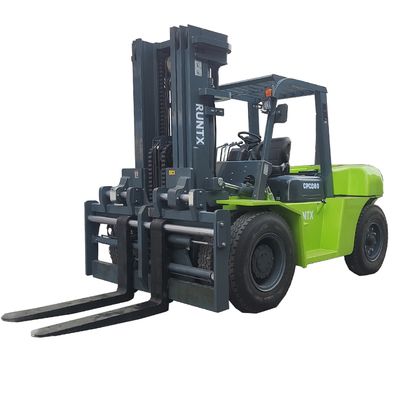
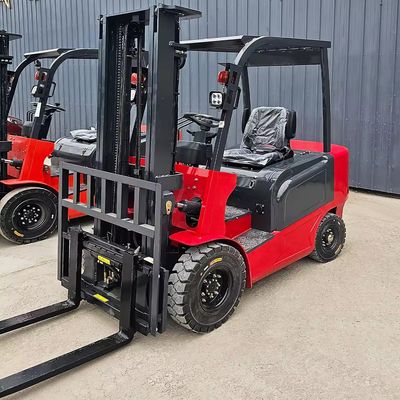
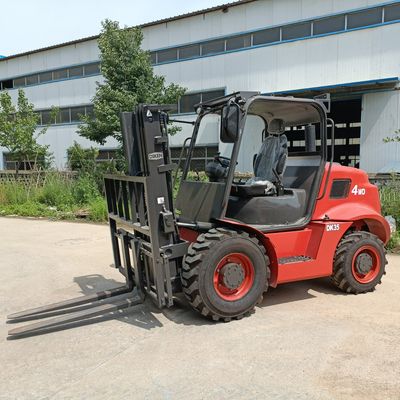
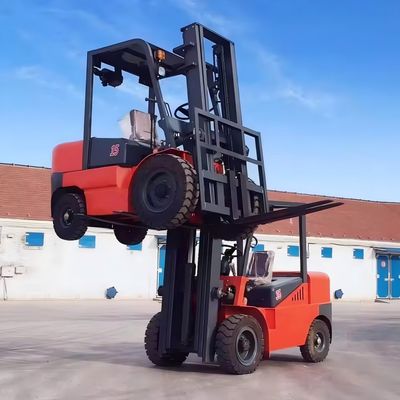
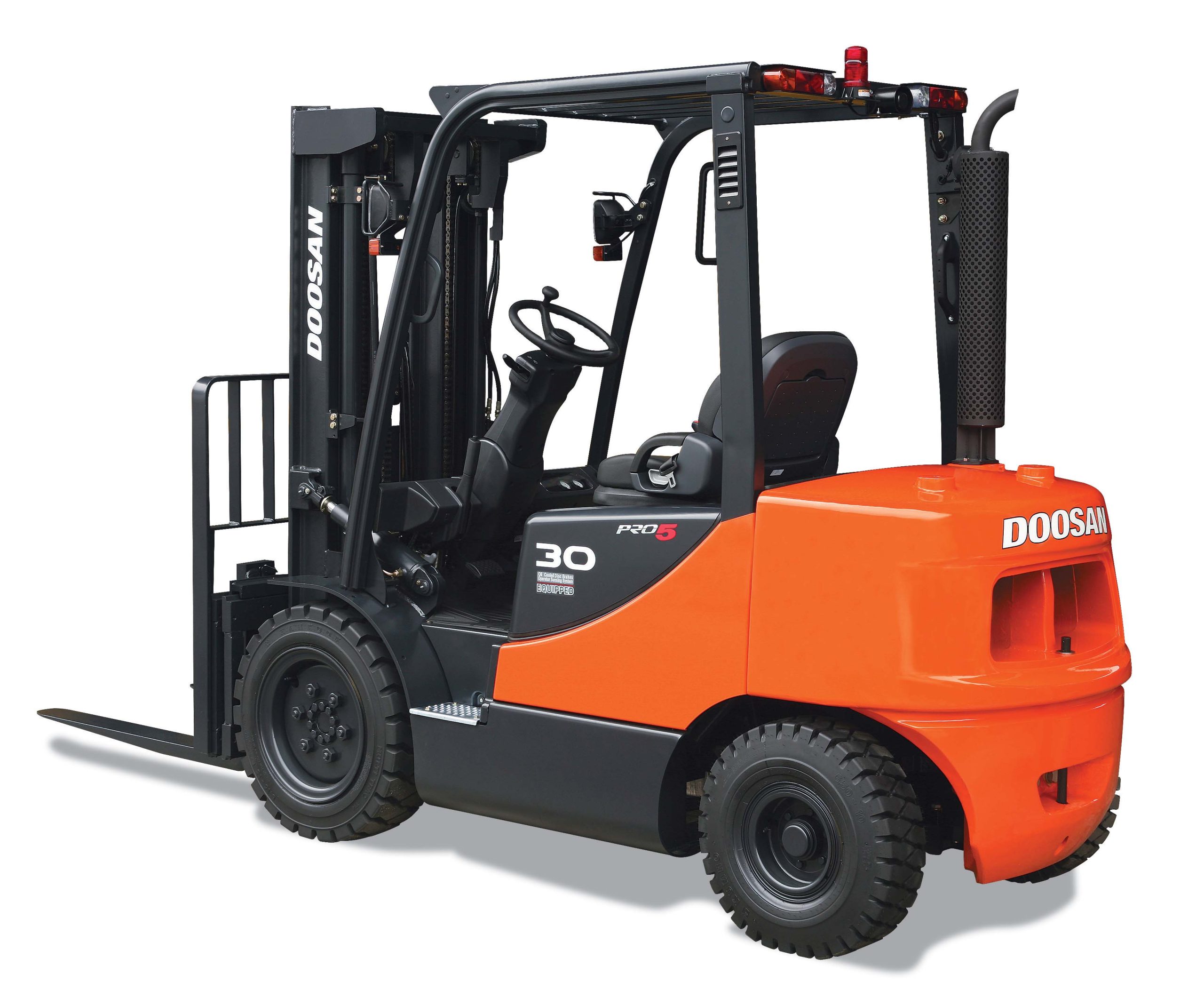
Choosing the right forklift manufacturer is important for warehouses, factories, logistics companies, construction businesses, distributors, and equipment rental companies. A forklift is not simply a machine for lifting goods. Reliability, load capacity, operator safety, battery performance, maintenance, spare parts, and after-sales support all affect the total cost of ownership.
For companies purchasing forklifts in bulk or developing their own equipment brand, working directly with an experienced manufacturer can provide more flexibility in specifications, configuration, branding, and service.
What Does a Forklift Manufacturer Produce?
Forklift manufacturers may produce different types of material-handling equipment for indoor and outdoor applications.
Common products include:
-
Electric forklifts
-
Diesel forklifts
-
LPG forklifts
-
Warehouse forklifts
-
Reach trucks
-
Pallet trucks
-
Hand pallet trucks
-
Stackers
-
Rough-terrain forklifts
-
Heavy-duty forklifts
-
Customized material-handling equipment
The correct forklift depends on the load, working environment, lifting height, floor conditions, operating hours, and available energy source.
Electric Forklifts
Electric forklifts are widely used in warehouses, factories, distribution centers, and other indoor environments.
Depending on the model, an electric forklift may use lead-acid or lithium-ion batteries.
Advantages can include:
-
Low local emissions
-
Quiet operation
-
Good indoor suitability
-
Lower routine maintenance requirements for some systems
-
Suitable for warehouse operations
Battery capacity and charging requirements should be considered carefully when choosing an electric forklift for multi-shift operations.
Diesel Forklifts
Diesel forklifts are commonly used for outdoor and heavy-duty applications.
They may be suitable for:
-
Construction sites
-
Manufacturing facilities
-
Ports
-
Logistics yards
-
Building-material handling
-
Heavy industrial operations
Diesel models can offer strong performance for demanding applications, but buyers should consider fuel consumption, emissions requirements, operating environment, and local regulations.
LPG Forklifts
LPG forklifts can be used in applications where flexible refueling and indoor or outdoor operation are required, subject to local regulations and ventilation requirements.
The choice between electric, diesel, and LPG should be based on the actual working environment rather than simply the purchase price.
Forklift Capacity
Load capacity is one of the most important specifications.
Common forklift capacities range from compact warehouse machines to heavy-duty equipment designed to handle several tons.
When selecting capacity, buyers should consider:
-
Maximum load weight
-
Load center
-
Load dimensions
-
Lifting height
-
Frequency of operation
-
Ground conditions
-
Attachment requirements
A forklift should never be selected based only on the maximum weight of the goods. The load center and lifting configuration also affect the machine’s safe operating capacity.
Lifting Height and Mast Options
Forklift manufacturers can offer different mast configurations depending on the application.
Common configurations include:
-
Simplex mast
-
Duplex mast
-
Triplex mast
The required lifting height should be determined according to the warehouse rack height, container requirements, ceiling clearance, and working environment.
A higher mast does not automatically mean a better forklift. The complete lifting configuration needs to match the application.
Forklift Attachments
Different loads may require specialized attachments.
Depending on the manufacturer, options can include:
-
Side shifters
-
Fork positioners
-
Paper roll clamps
-
Bale clamps
-
Drum clamps
-
Rotators
-
Longer forks
-
Customized forks
Attachments can improve productivity, but they may also change the forklift’s rated capacity. Buyers should confirm the complete configuration with the manufacturer.
Forklift Manufacturing Process
A professional forklift manufacturer typically manages several production stages.
1. Engineering and Design
The manufacturer develops the chassis, mast, hydraulic system, steering system, power system, and other components according to the machine specification.
2. Component Production
Different components are manufactured or sourced according to established specifications.
3. Frame Assembly
The chassis and structural components are assembled and inspected.
4. Power System Installation
The engine, motor, battery, transmission, or other power components are installed depending on the forklift type.
5. Hydraulic and Mast Assembly
The lifting system, hydraulic components, mast, forks, and related parts are installed.
6. Electrical System
Electrical components, controllers, displays, lights, safety systems, and wiring are installed and tested.
7. Final Testing
The completed forklift is inspected and tested before shipment.
Forklift Quality Control
Quality control is essential because forklifts operate under heavy loads and demanding conditions.
Manufacturers should pay attention to:
-
Frame quality
-
Welds
-
Mast alignment
-
Hydraulic system
-
Braking system
-
Steering
-
Tires
-
Forks
-
Battery or engine
-
Electrical system
-
Safety equipment
-
Load performance
For commercial orders, buyers should establish technical specifications and inspection requirements before production.
OEM Forklift Manufacturing
OEM manufacturing allows distributors and equipment brands to sell forklifts under their own brand.
OEM customization may include:
-
Brand logo
-
Paint color
-
Nameplates
-
Product labels
-
Display configuration
-
Attachments
-
Packaging
-
Documentation
Private-label forklift projects require close communication because branding and technical specifications need to remain consistent throughout production.
How to Choose a Reliable Forklift Manufacturer
Before placing an order, buyers should evaluate several factors.
Production Experience
Check whether the manufacturer specializes in the type of forklift you need.
Product Range
A manufacturer with multiple models may be able to provide a more suitable machine for different applications.
Quality Control
Ask how the factory tests structural, hydraulic, electrical, and lifting systems.
Spare Parts
Availability of replacement parts is important for long-term operation.
After-Sales Support
Technical documentation, troubleshooting assistance, warranty terms, and service support should be clarified before purchase.
Production Capacity
Make sure the factory can meet your expected quantity and delivery schedule.
Export Experience
For international buyers, experience with export documentation, packaging, and overseas markets can make the purchasing process easier.
What Information Should Be Included in a Forklift Inquiry?
When requesting a quotation, provide as much information as possible.
For example:
Forklift type: Electric / Diesel / LPG
Capacity: Required lifting capacity
Lifting height: Required height
Load center: Required specification
Mast: Duplex / Triplex / Other
Fork length: Required fork dimensions
Application: Warehouse / Factory / Construction / Port / Outdoor
Operating hours: Approximate daily usage
Tires: Cushion / Pneumatic / Other
Attachments: If required
Quantity: Number of units
Destination: Country and delivery location
This information allows the manufacturer to recommend an appropriate configuration instead of providing a generic quotation.
Forklift Maintenance and Spare Parts
A forklift is a long-term investment, so maintenance should be considered before purchasing.
Regular maintenance may include checking:
-
Hydraulic oil
-
Hydraulic hoses
-
Brakes
-
Tires
-
Forks
-
Mast components
-
Chains
-
Battery
-
Electrical connections
-
Engine fluids for combustion models
Buyers should also ask whether commonly required spare parts are readily available and how replacement parts can be ordered.
International Forklift Shipping
Forklifts are large and heavy products, so transportation planning is important.
Depending on the model and destination, shipping may involve container transportation, specialized loading arrangements, or other suitable freight solutions.
Before ordering, buyers should confirm:
-
Machine dimensions
-
Net weight
-
Gross shipping weight
-
Packaging
-
Loading method
-
Shipping terms
-
Destination port
-
Import requirements


No reply content