🧄 Premium Fresh Garlic for International Markets and Food Industry Use
Garlic is one of the most widely used agricultural products in the global food industry. Known for its strong flavor, long shelf life, and versatile applications, fresh garlic is an essential ingredient for households, restaurants, and food processing companies.🧄 Strong flavor and natural aroma
🌱 Carefully cultivated agricultural product
🌍 Suitable for global export and distribution
📦 Ideal for bulk wholesale buyers
🥗 Widely used in cooking and food processingWith consistent demand across international markets, fresh garlic remains a key commodity in agricultural trade and food supply chains.
🧄 What Is Fresh Garlic?
Garlic is a bulb-shaped agricultural product composed of multiple cloves enclosed in a protective outer skin. It is widely used as a seasoning ingredient in various cuisines.
Key characteristics include:
🧄 multiple clove structure
🌿 strong natural aroma
🥗 rich flavor profile
💧 relatively low moisture content
Garlic is valued for both its culinary versatility and storage stability.
🌱 Cultivation and Growing Conditions
High-quality garlic is produced under controlled agricultural conditions to ensure consistent yield and quality.
Important growing factors include:
🌞 adequate sunlight exposure
🌱 well-drained fertile soil
💧 controlled irrigation systems
🌿 proper crop management
Healthy cultivation practices result in garlic with better size, flavor, and storage performance.
🧺 Harvesting and Processing
The harvesting process is crucial for maintaining garlic quality.
Typical steps include:
🌿 harvesting mature garlic bulbs
🧄 removing excess soil and roots
🌞 natural drying and curing
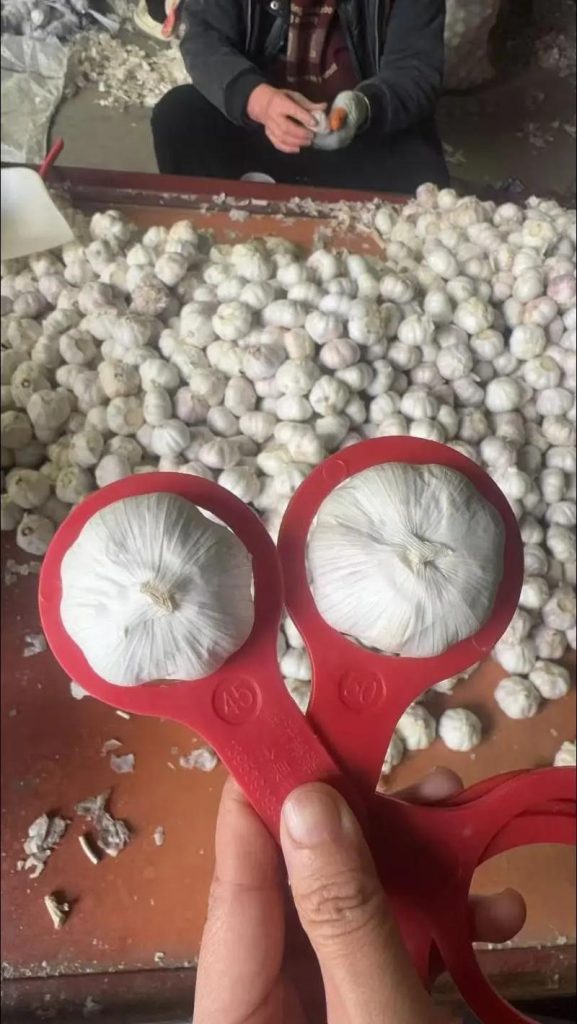
🔍 quality inspection and sorting
Proper harvesting ensures the garlic maintains its structure and flavor.
📦 Sorting and Grading Standards
Garlic is sorted and graded to meet different market requirements.
Common grading factors include:
📏 bulb size and weight
🧄 clove uniformity
🌿 outer skin condition
🔍 absence of damage or defects
Grading ensures consistent product quality for wholesale buyers.
❄️ Storage and Shelf Life Management
Garlic is known for its relatively long shelf life when stored correctly.
Important storage conditions include:
❄️ cool and dry environment
🌬️ proper ventilation
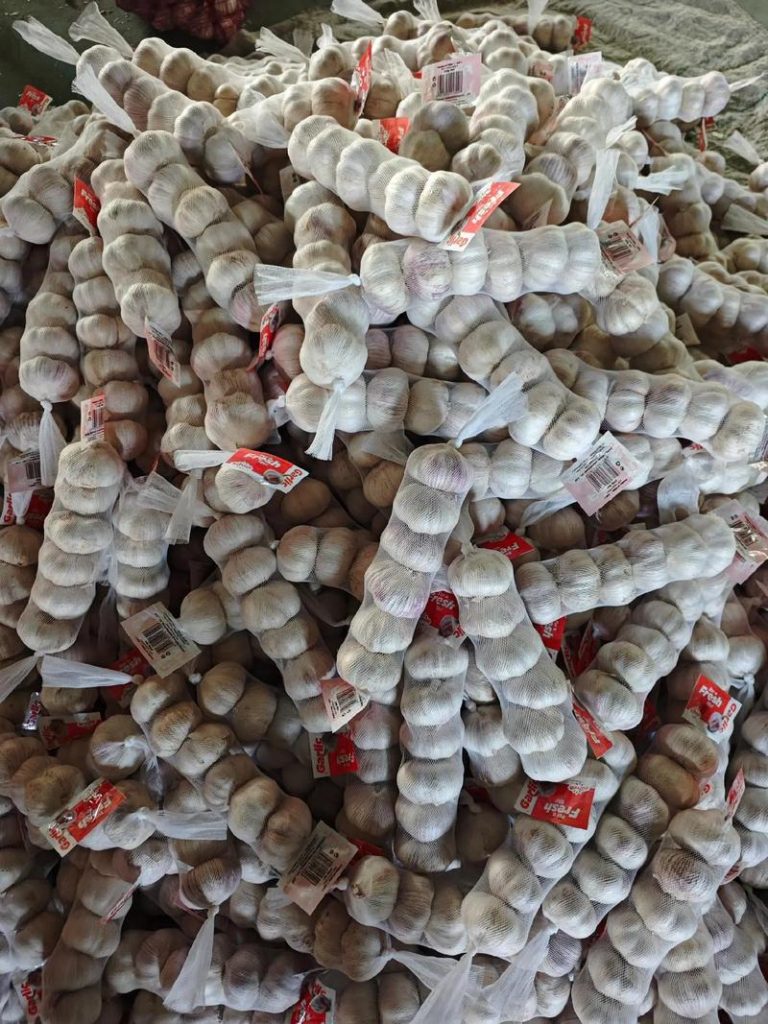
📦 breathable packaging materials
🌱 protection from moisture
Proper storage helps maintain freshness and prevents spoilage.
🥗 Culinary Uses of Garlic
Garlic is an essential ingredient in many types of cuisine.
Common culinary applications include:
🍳 cooking and seasoning
🥗 salad preparation
🍲 soups and sauces
🍖 meat and vegetable dishes
Its strong flavor enhances the taste of many dishes.
🏭 Garlic in Food Processing Industry
Garlic is widely used in food processing due to its flavor and versatility.
Applications include:
🧄 garlic paste production
🧂 seasoning blends
🍜 ready-to-cook food products
🥫 packaged food processing
Processed garlic products are used in both retail and food service industries.
🌍 Global Garlic Trade and Distribution
Garlic is one of the most actively traded agricultural commodities worldwide.
Typical buyers include:
🌍 food importers
🏪 wholesale distributors
🍽️ restaurant suppliers
🏭 food processing companies
Global trade networks ensure consistent supply across different regions.
📦 Packaging Options for Bulk Garlic
Packaging plays an important role in maintaining garlic quality during transport.
Common packaging methods include:
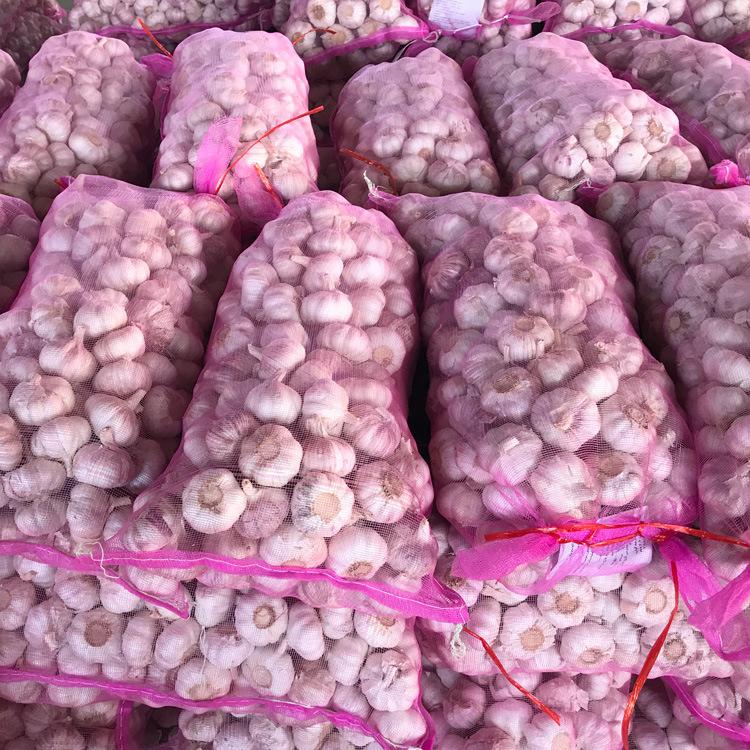
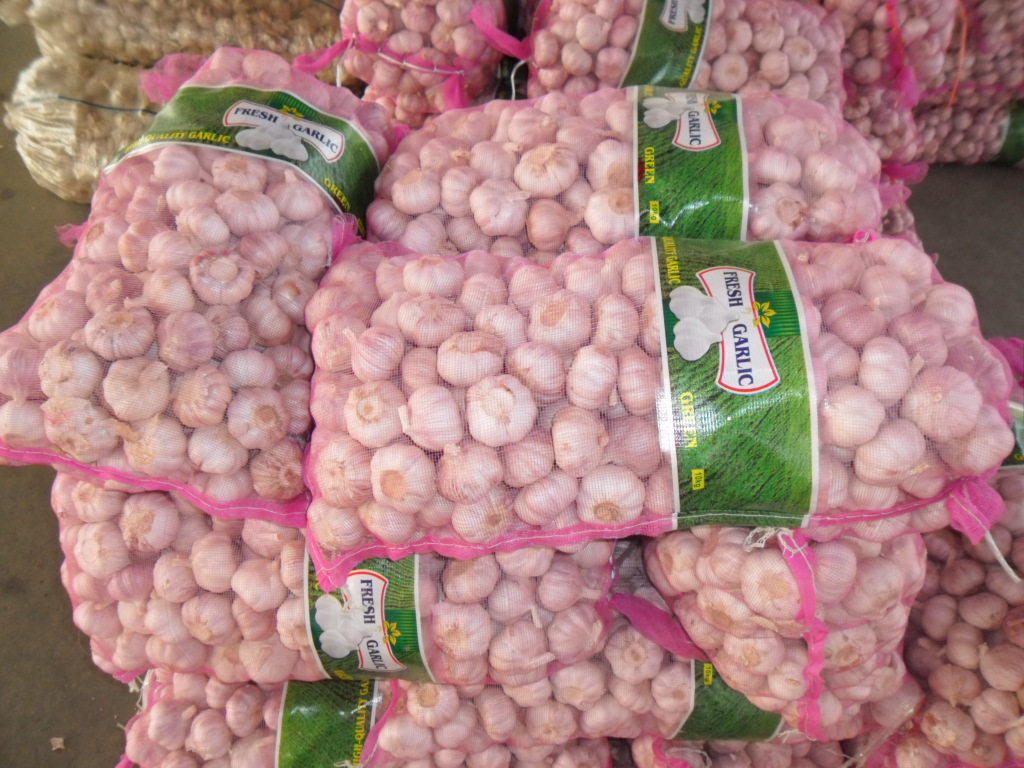
🧺 mesh bags for ventilation
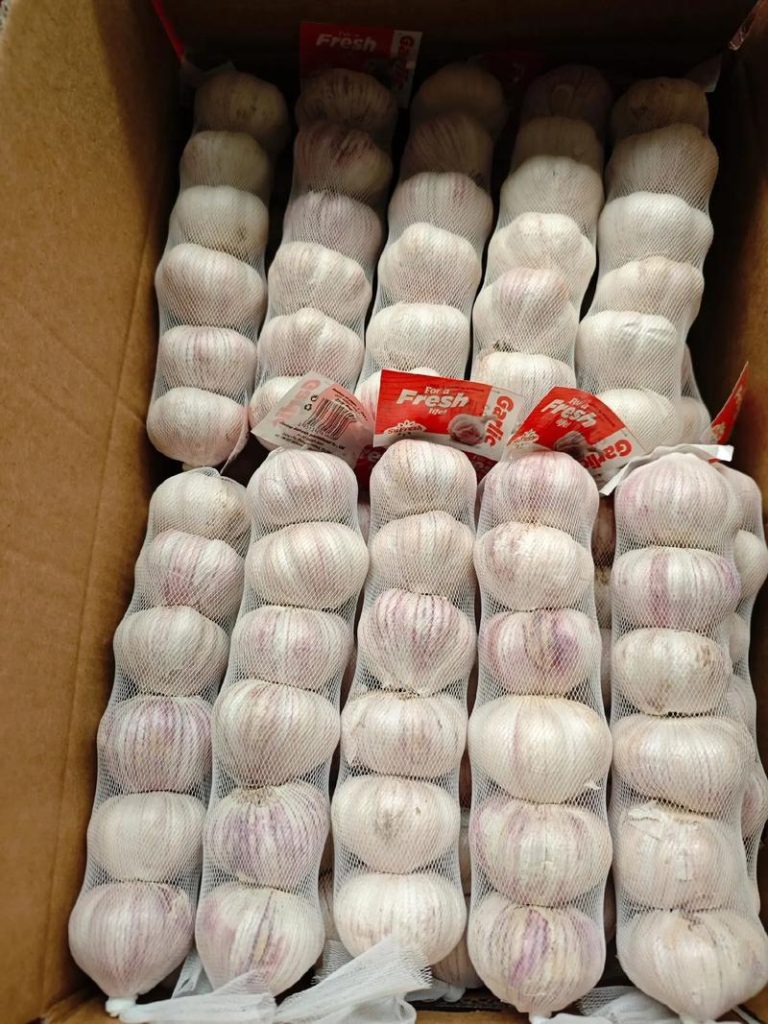
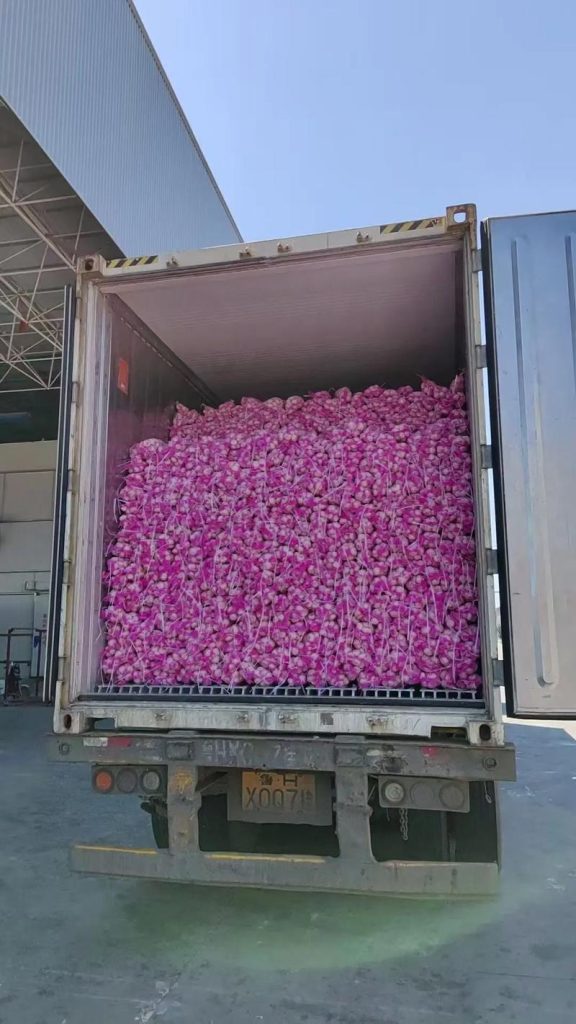
📦 carton packaging for export
🪣 bulk storage containers
🚛 palletized shipping units
Proper packaging ensures garlic arrives in good condition.
🌱 Advantages of Fresh Garlic Supply
Fresh garlic offers several advantages for buyers and distributors.
Key benefits include:
🧄 strong and consistent flavor
📦 long storage capability
🌍 global market demand
🥗 wide range of applications
These benefits make garlic a reliable product for wholesale trade.
📈 Market Demand for Garlic
The demand for garlic remains strong due to its widespread use in cooking and food production.
Key demand drivers include:
🥗 daily food consumption
🌍 global cuisine diversity
🏭 food processing industry growth
🍽️ restaurant and catering demand
These factors support long-term market stability.
📩 Choosing a Reliable Garlic Supplier
Selecting the right supplier is important for consistent product quality and supply.
Key considerations include:
🌱 agricultural production capability
🔍 strict quality control
📦 packaging and logistics support
🚛 stable delivery schedules
Reliable suppliers ensure consistent product standards.
🔮 Future Trends in Garlic Industry
The garlic industry continues to develop with improvements in agriculture and logistics.
Future trends may include:
🌱 improved cultivation techniques
❄️ advanced storage systems
📦 better packaging solutions
🌍 expanded global trade networks
These developments will enhance product quality and supply efficiency.
❓ FAQ – Fresh Garlic
1. What is garlic commonly used for?
Garlic is widely used as a seasoning ingredient in cooking and food processing.
2. How is garlic stored to maintain freshness?
Garlic should be stored in a cool, dry, and well-ventilated environment.
3. Can garlic be sold in bulk?
Yes. Garlic is commonly supplied in bulk quantities for wholesale buyers and distributors.
4. What industries use garlic?
Garlic is used in households, restaurants, food processing companies, and retail markets.
5. Why is garlic popular worldwide?
Its strong flavor, versatility, and long shelf life make it a widely used ingredient globally.
6. What should buyers consider when purchasing garlic?
Buyers should consider size, quality, packaging, and supplier reliability.


No reply content