
⬛ Executive Summary (60 Words)
Premium fresh garlic remains one of the most demanded agricultural exports worldwide. From bulk wholesale garlic supply to private label packaging and customized specifications, professional garlic producers combine strict quality grading, cold-chain logistics, and international certification standards to deliver safe, traceable, and high-yield garlic products for global markets.
1. Introduction: Why Garlic Is a Global Agricultural Powerhouse
Garlic (Allium sativum) is one of the most widely cultivated and consumed agricultural products in the world. Used for cooking, food processing, medicinal applications, and seasoning manufacturing, garlic plays a critical role in global food supply chains.
Major garlic-importing regions include:
- Southeast Asia
- Europe
- Middle East
- North America
- Africa
Demand remains strong due to:
- Culinary versatility
- Long shelf life
- Recognized health benefits
- Industrial processing applications
For importers, wholesalers, and distributors, sourcing reliable bulk garlic suppliers is essential.
2. Types of Garlic for Export Markets
Professional garlic suppliers categorize products based on variety, size, color, and processing type.
2.1 Normal White Garlic
- Strong flavor
- Long storage life
- Popular in bulk wholesale markets
- Common sizes: 4.5cm–6.5cm
2.2 Pure White Garlic
- Clean appearance
- Higher export value
- Preferred in premium markets
2.3 Solo Garlic (Single Clove Garlic)
- Single bulb structure
- Mild flavor
- Increasing demand in health-focused markets
2.4 Processed Garlic Options
- Peeled garlic
- Garlic cloves
- Garlic paste
- Garlic powder
- Frozen garlic
- Dehydrated garlic flakes
Processing adds value and expands distribution channels.
3. Quality Standards in Garlic Export (E-E-A-T Focus)
Experience
Professional garlic exporters typically operate:
- Large-scale farming bases
- Controlled irrigation systems
- Post-harvest drying facilities
- Sorting and grading lines
Years of cultivation experience directly affect bulb size consistency and flavor intensity.
Expertise
Quality garlic production requires:
- Soil nutrient management
- Pest control compliance
- Moisture monitoring
- Controlled curing processes
Export-grade garlic must meet strict:
- Size grading standards
- Moisture content levels
- Residue testing requirements
Authoritativeness
Reliable garlic exporters often provide:
- Phytosanitary certificates
- Global GAP certification
- HACCP compliance
- ISO quality management certification
- SGS third-party inspection reports
These documents enhance global trade credibility.
Trustworthiness
Trustworthy garlic suppliers offer:
- Transparent origin traceability
- Clear packaging specifications
- Accurate weight control
- Timely shipment schedules
- Stable annual supply capacity
Long-term partnerships are built on reliability.
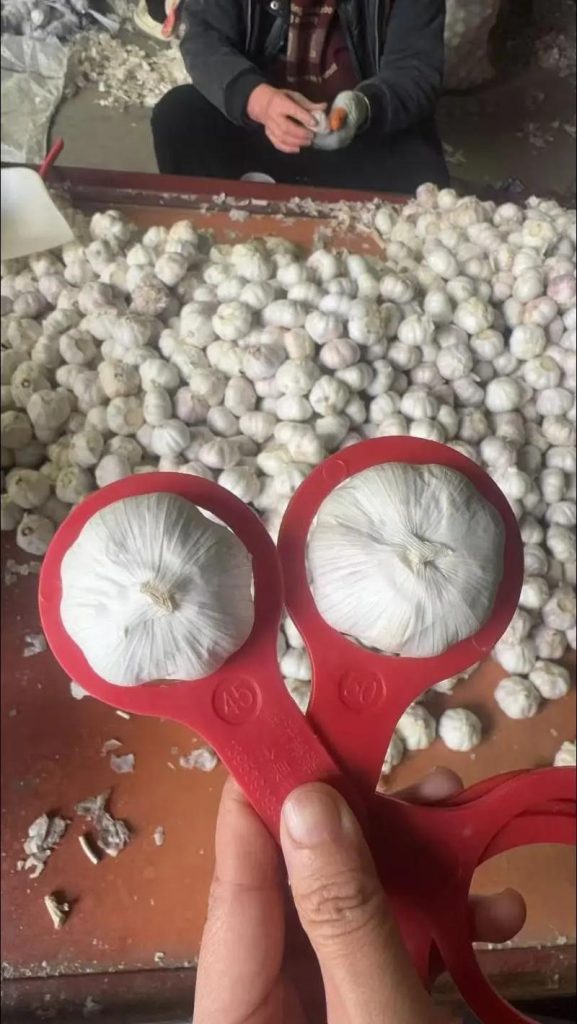
4. Garlic Size Grading for Wholesale Buyers
Common export size classifications:
- 4.5cm
- 5.0cm
- 5.5cm
- 6.0cm
- 6.5cm+
Larger bulb sizes command higher prices in premium retail markets.
5. Packaging Options for International Markets
Garlic packaging depends on customer requirements.
Standard packaging includes:
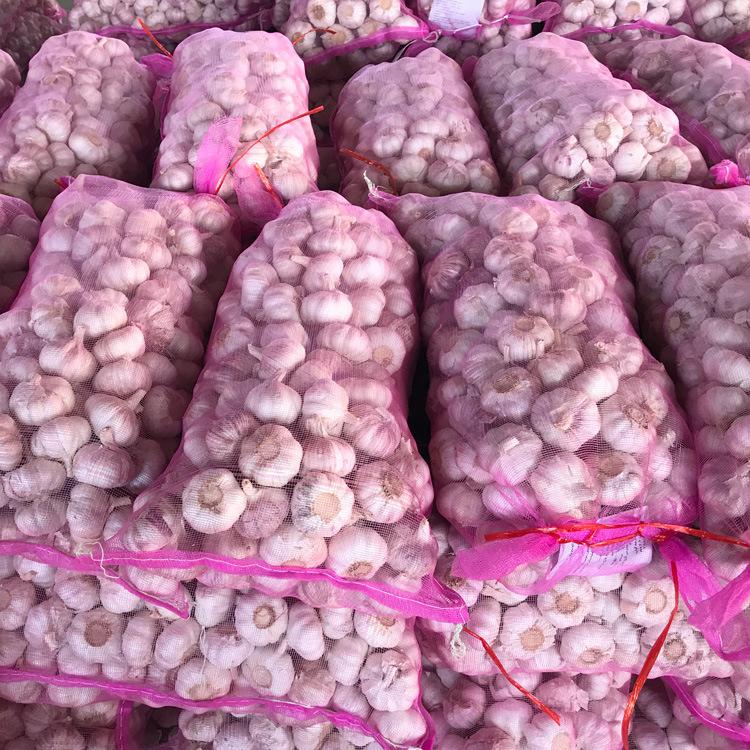
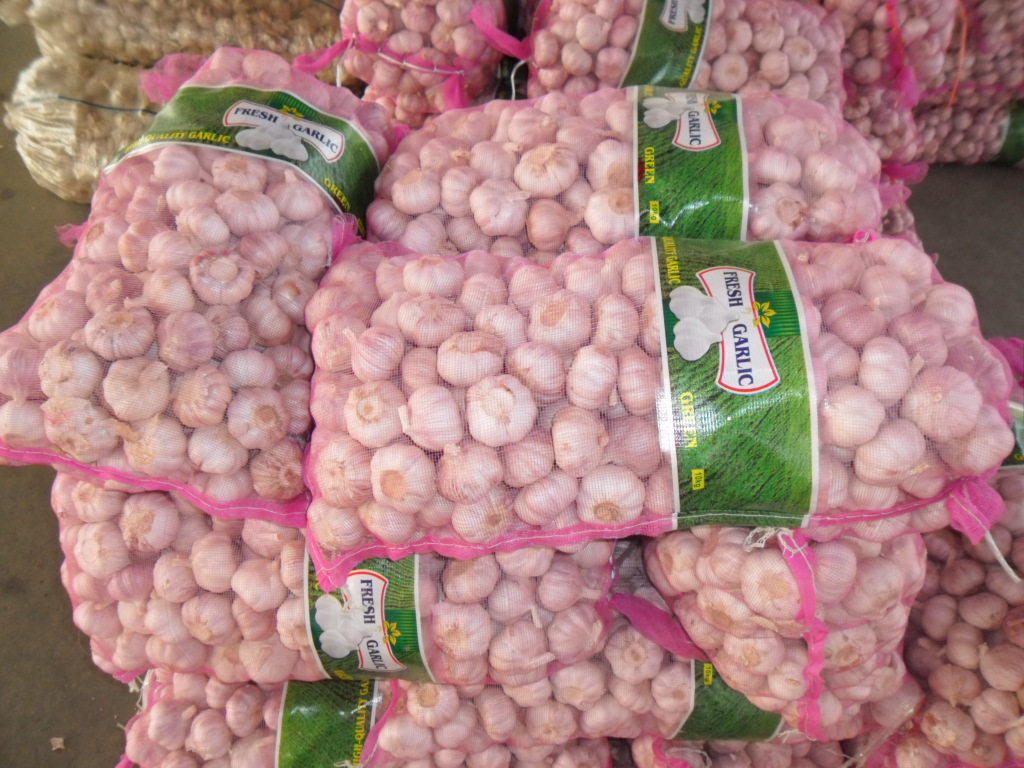
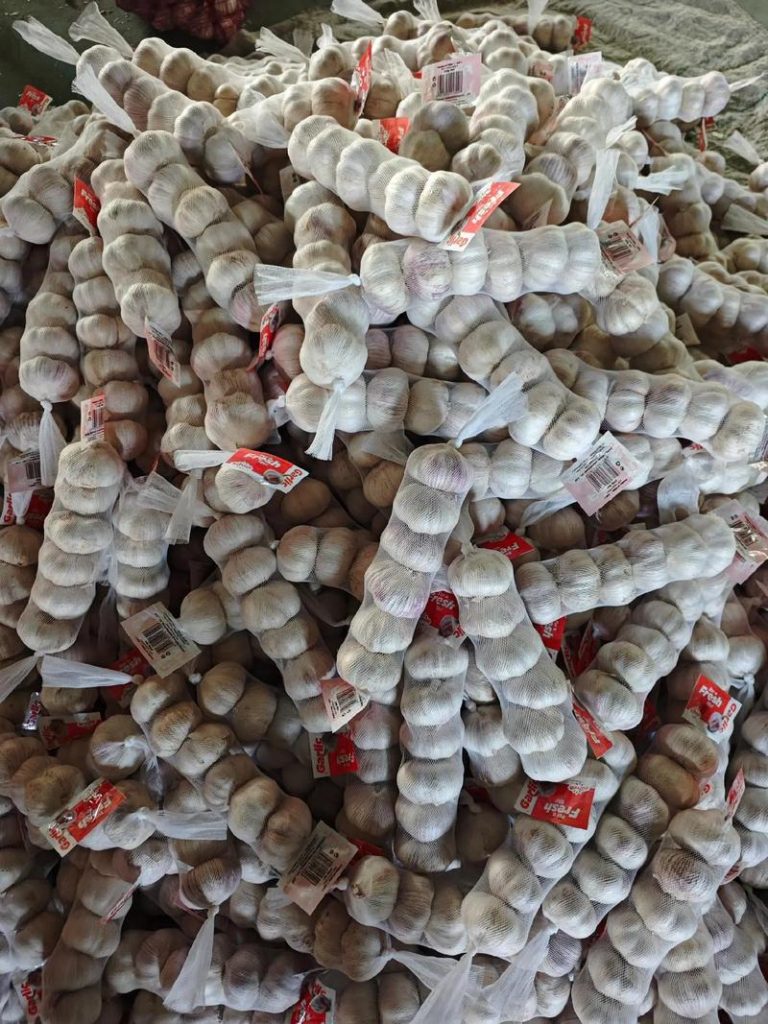
- 5kg mesh bags
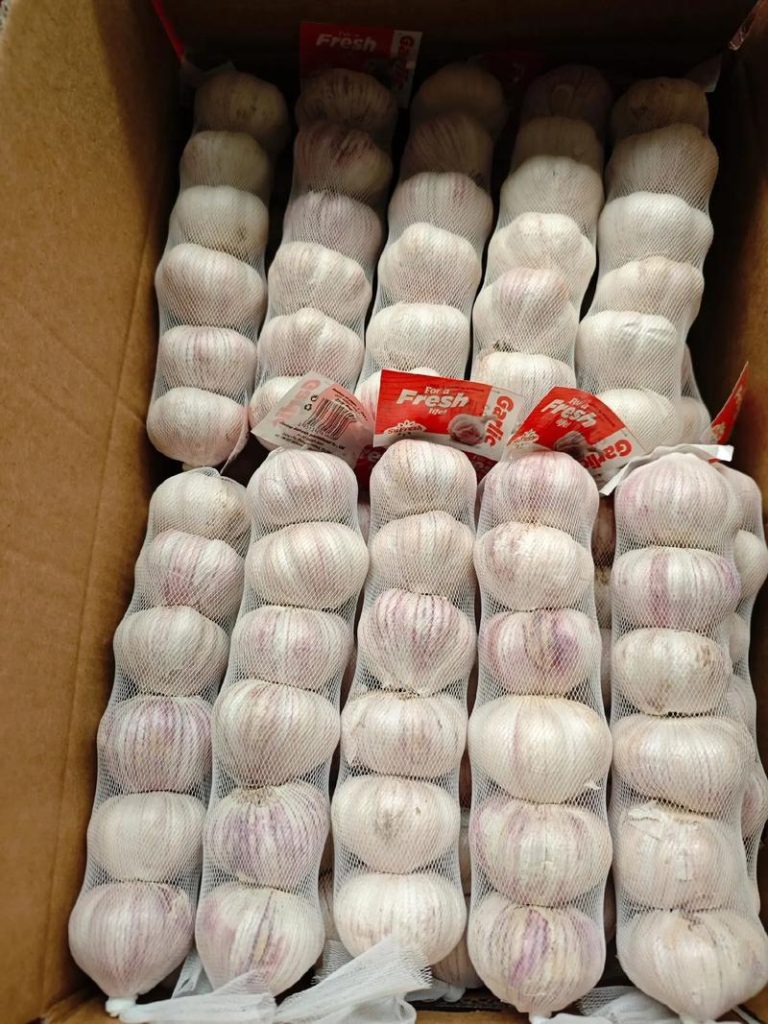
- 10kg cartons
- 20kg bulk cartons
- 500g–1kg retail packs
Customized packaging options:
- Private label branding
- Printed cartons
- Barcode labeling
- Supermarket-ready packaging
Cold storage is often used to extend shelf life during shipment.
6. Storage & Shelf Life Management
Fresh garlic can last:
- 3–6 months in cold storage
- 1–2 months at room temperature
Key storage factors:
- Low humidity
- Good ventilation
- Avoid direct sunlight
- Temperature control
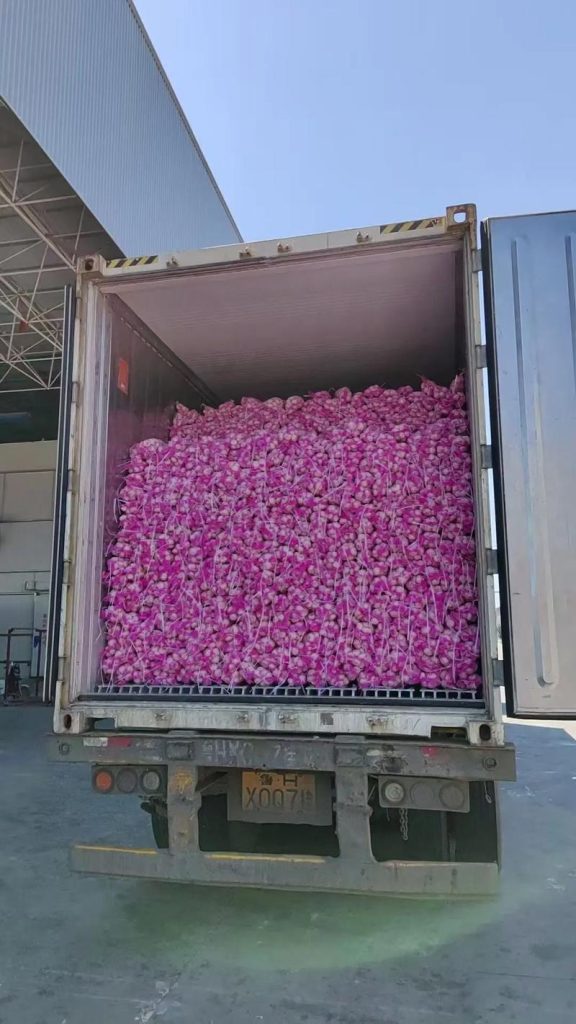
Professional exporters use cold chain logistics to maintain quality during transit.
7. Global Market Demand Trends
Garlic remains stable due to:
- High consumption in Asian cuisine
- Increased health awareness
- Growing processed food industry
- Expanding supermarket chains
Importers seek reliable bulk suppliers capable of:
- Stable pricing
- Consistent quality
- Year-round availability
8. Why Choosing the Right Garlic Supplier Matters
Selecting the right garlic exporter ensures:
- Compliance with import regulations
- Reduced customs clearance risk
- Lower spoilage rate
- Stable delivery timeline
- Consistent bulb size and appearance
An experienced supplier reduces trade uncertainty.
9. Production & Supply Chain Overview
The garlic export process typically includes:
- Harvesting
- Natural drying (curing)
- Root cutting
- Cleaning
- Grading
- Sorting
- Packaging
- Cold storage
- Container loading
- Shipment
Each stage affects final quality.
10. Health & Nutritional Benefits of Garlic
Garlic contains:
- Allicin
- Sulfur compounds
- Antioxidants
- Vitamins B6 and C
- Manganese
Research suggests garlic may support:
- Cardiovascular health
- Immune function
- Anti-inflammatory effects
While garlic is widely consumed, medical claims should be interpreted responsibly.
11. FAQ – Bulk Garlic Supply & Export Questions
Q1: Can you supply bulk garlic for export?
Yes. We provide export-grade fresh garlic in various sizes and packaging formats suitable for wholesale, supermarket distribution, and food processing industries.
Q2: What is the MOQ (Minimum Order Quantity)?
MOQ typically depends on packaging type:
- Standard bulk export: 1 full container (20FT)
- Trial orders: Negotiable
- Retail packaged garlic: Based on packaging customization
For long-term partners, flexible arrangements may be available.
Q3: What is the delivery time?
Production and shipment timelines:
- In-season stock: 7–10 days
- Customized packaging: 10–20 days
- Peak season large orders: Based on quantity
Shipping time depends on destination port.
Q4: Do you have stock available?
Yes. During harvest season and post-harvest storage periods, garlic stock is available for immediate shipment.
However, availability may vary depending on size specification and seasonal conditions.
Q5: Can the packaging be customized?
Yes. Customization options include:
- Private label printing
- Custom carton design
- Mesh bag color selection
- Barcode labeling
- Supermarket-ready retail packs
OEM and ODM packaging services are supported.
Q6: Do you provide inspection certificates?
Yes. Available documentation may include:
- Phytosanitary certificate
- Certificate of origin
- SGS inspection report
- Quality inspection documentation
Documentation depends on importing country requirements.
Q7: How do you ensure quality control?
Quality control measures include:
- Pre-shipment inspection
- Size grading verification
- Moisture content testing
- Random sampling
- Strict sorting process
Consistent quality ensures long-term cooperation.
12. Final Thoughts: Building Reliable Garlic Trade Partnerships
Garlic is more than an agricultural commodity — it is a global trade staple that requires careful cultivation, grading, storage, and logistics coordination.
For importers and wholesalers seeking:
- Stable year-round supply
- Competitive pricing
- Custom packaging
- Certified export documentation
- Reliable lead times
Choosing an experienced garlic supplier ensures operational efficiency and long-term business success.


No reply content