China agricultural product suppliers
Garlic is one of the world’s most widely traded agricultural products, and China remains the largest exporter of fresh garlic. Importers, wholesalers, supermarkets, food processors, and restaurant suppliers often face an important purchasing decision: Should you import fresh garlic or peeled garlic?
Although both products come from the same crop, they serve different markets and have unique advantages. Choosing the right type depends on your customers, storage facilities, transportation methods, processing requirements, and overall business strategy.
This guide compares fresh garlic and peeled garlic in detail to help international buyers make informed purchasing decisions.
Understanding Fresh Garlic
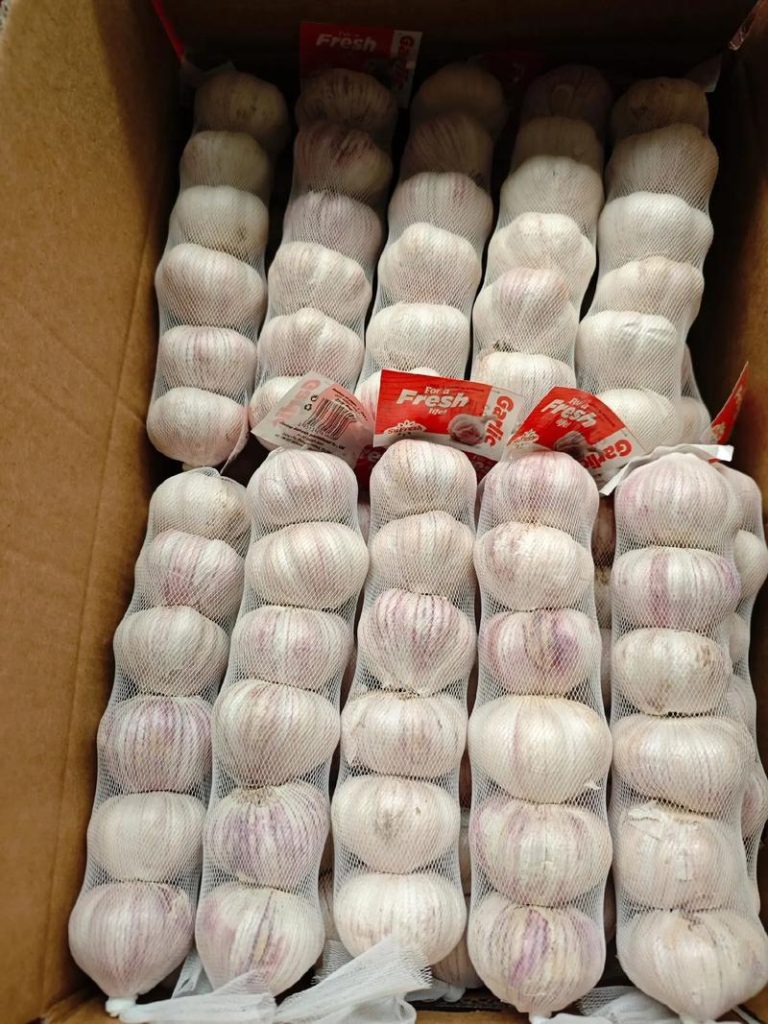
Fresh garlic is harvested, cleaned, graded, and packed with its natural outer skin intact. It is the most common form of garlic traded internationally and is widely used in retail stores, wholesale markets, restaurants, and food processing factories.
Fresh garlic is available in various sizes and grades, making it suitable for different customer requirements.
Advantages of Fresh Garlic
Fresh garlic offers several benefits:
-
Longer shelf life
-
Better protection during transportation
-
Lower processing costs
-
Natural appearance
-
Suitable for wholesale and retail markets
-
Available in multiple sizes and varieties
-
Easier long-term storage
Because the protective outer skin remains intact, fresh garlic is less likely to suffer damage during shipping.
Understanding Peeled Garlic
Peeled garlic is processed after harvesting by removing the outer skin and roots. The cloves are cleaned, sorted, and packed under hygienic conditions.
Peeled garlic is mainly supplied to restaurants, hotels, catering companies, food manufacturers, and ready-meal producers.
Advantages of Peeled Garlic
Peeled garlic provides several commercial advantages:
-
Ready to use
-
Saves labor costs
-
Reduces food preparation time
-
Consistent product quality
-
Convenient for industrial food production
-
Lower kitchen waste
-
Improved processing efficiency
Businesses that use large quantities of garlic every day often prefer peeled garlic because it eliminates manual peeling.
Product Comparison
Feature |
Fresh Garlic |
Peeled Garlic |
|---|---|---|
Shelf Life |
Long |
Shorter |
Processing Required |
Yes |
No |
Transportation |
Easier |
Requires cold chain |
Retail Sales |
Excellent |
Limited |
Food Processing |
Good |
Excellent |
Restaurant Use |
Good |
Excellent |
Labor Savings |
Low |
High |
Packaging Cost |
Lower |
Higher |
Shelf Life
One of the biggest differences between fresh and peeled garlic is storage life.
Fresh garlic can often be stored for several months under proper temperature and humidity conditions.
Recommended storage:
-
Temperature: -3°C to 0°C
-
Dry environment
-
Good ventilation
-
Controlled humidity
Peeled garlic has a much shorter shelf life because its protective skin has been removed. It usually requires refrigerated storage and faster distribution.
Transportation Requirements
Fresh garlic is easier to transport internationally.
It is commonly shipped in:
-
Refrigerated containers
-
Standard containers (depending on destination and season)
Peeled garlic requires stricter temperature control throughout transportation to maintain freshness and food safety.
Importers should confirm cold-chain logistics before placing large peeled garlic orders.
Food Safety
Food safety is especially important for peeled garlic.
Professional manufacturers follow strict hygiene procedures, including:
-
Washing
-
Peeling
-
Sorting
-
Sanitizing
-
Quality inspection
-
Cold storage
Reliable suppliers comply with internationally recognized food safety standards such as HACCP, ISO 22000, and other market-specific requirements.
Packaging Options
Fresh Garlic Packaging
Common export packaging includes:
-
Mesh bags
-
Cartons
-
Plastic crates
-
Bulk bags
-
Retail packs
Typical weights include:
-
500 g
-
1 kg
-
5 kg
-
10 kg
-
20 kg
Peeled Garlic Packaging
Peeled garlic is usually packed in:
-
Vacuum bags
-
Plastic containers
-
Sealed food-grade bags
-
Modified atmosphere packaging (MAP)
These packaging methods help preserve freshness and extend shelf life.
Cost Comparison
Fresh garlic generally has a lower purchase price because it requires minimal processing.
Peeled garlic usually costs more due to:
-
Additional labor
-
Processing equipment
-
Food safety procedures
-
Refrigerated storage
-
Specialized packaging
However, many food manufacturers consider peeled garlic more economical because it reduces labor costs and increases production efficiency.
Which Industries Prefer Fresh Garlic?
Fresh garlic is commonly purchased by:
-
Importers
-
Wholesalers
-
Supermarkets
-
Retail chains
-
Fresh produce distributors
-
Agricultural markets
These customers value its long shelf life and flexibility.
Which Industries Prefer Peeled Garlic?
Peeled garlic is ideal for:
-
Restaurants
-
Hotels
-
Catering companies
-
Frozen food manufacturers
-
Sauce manufacturers
-
Ready-meal producers
-
Industrial food processors
For these businesses, convenience and labor savings are more important than long-term storage.
How to Choose the Right Garlic Product
Before placing an order, consider the following questions:
-
Who are your customers?
-
Do you have cold storage facilities?
-
How quickly will the garlic be sold or processed?
-
What packaging format do you need?
-
Is labor cost a major concern?
-
What are your country’s import requirements?
-
Do you require private label packaging?
Answering these questions helps determine whether fresh or peeled garlic is the better option.
Choosing a Reliable China Garlic Manufacturer
When selecting a supplier, evaluate:
-
Export experience
-
Production capacity
-
Food safety certifications
-
Cold storage facilities
-
Quality control procedures
-
Packaging capabilities
-
Shipping experience
-
Customer service
Request product samples, quality reports, and certification documents before placing a bulk order.
Why Many Importers Choose Chinese Garlic Manufacturers
Chinese manufacturers offer:
-
Competitive pricing
-
Large production capacity
-
Stable year-round supply
-
Modern processing facilities
-
OEM and private label services
-
Flexible packaging options
-
Fast international shipping
-
Experienced export teams


No reply content