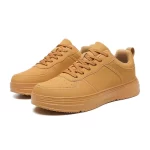
China Jinjiang shoe manufacturer in
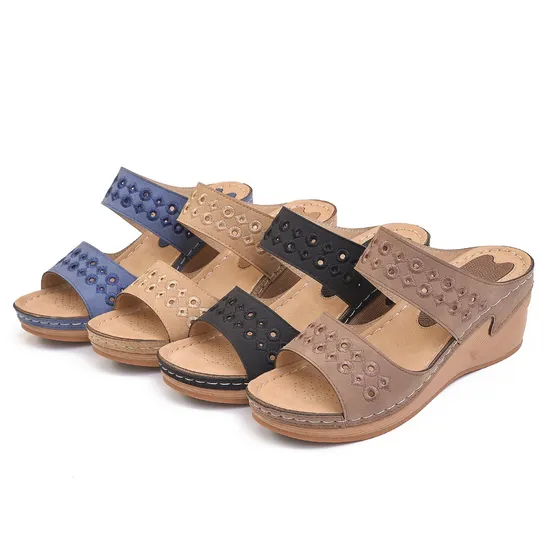
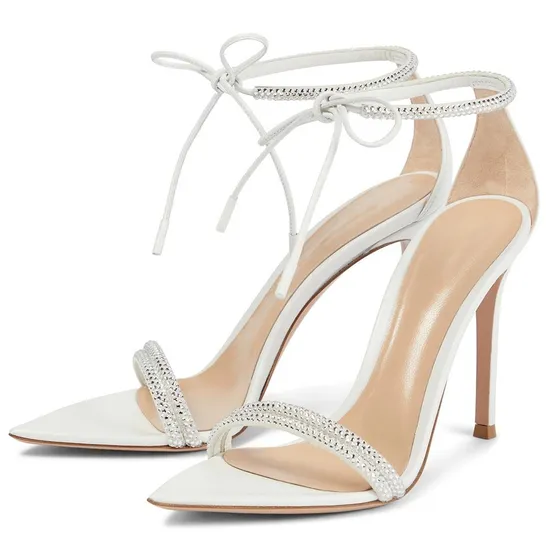
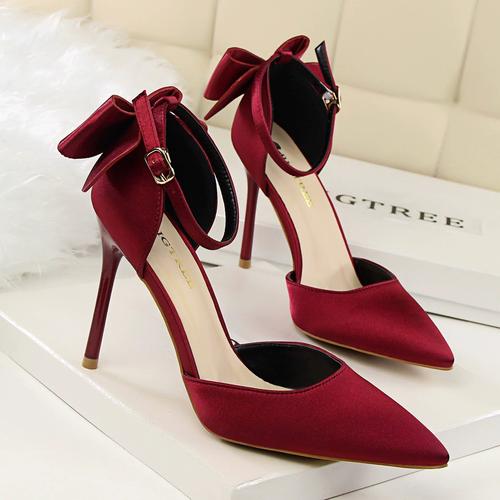
The global footwear market is a dynamic landscape where consumer preferences, sustainability demands, and technological advancements converge. For entrepreneurs and brands aiming to carve a niche, launching a private label footwear line represents a strategic opportunity to merge creativity with commercial viability. This article outlines a detailed roadmap—from ideation to market entry—covering essential steps such as market validation, design innovation, production optimization, and brand storytelling.
1. Conceptualization: Defining Your Brand Identity
Every successful footwear line begins with a clear vision. Start by answering foundational questions:
-
Target Audience: Are you catering to eco-conscious millennials, luxury seekers, or performance-driven athletes?
-
Core Differentiation: Will your line emphasize minimalist design, ergonomic comfort, or sustainable materials?
-
Brand Story: Craft a narrative that resonates emotionally—whether rooted in craftsmanship, cultural heritage, or environmental stewardship.
Market Validation:
Conduct surveys, focus groups, and competitive analyses to refine your concept. For example, if targeting urban professionals, assess demand for versatile loafers with smart storage features. Industry reports suggest that 65% of consumers prioritize brands with a clear sustainability ethos—a metric to guide your value proposition.
2. Design Development: From Sketch to Prototype
A. Design Philosophy
Collaborate with designers to translate your vision into technical specifications. Key considerations include:
-
Silhouette: Choose between sleek sneakers, chunky boots, or classic loafers.
-
Functionality: Integrate features like breathable mesh uppers for summer styles or reinforced toe caps for work boots.
-
Aesthetic Alignment: Ensure colors and patterns align with seasonal trends—pastels for spring, earth tones for autumn.
B. Technical Packaging (Tech Pack)
Develop a comprehensive tech pack detailing:
-
Material Specifications: Specify leather grades, synthetic blends, or recycled fabrics.
-
Construction Methods: Outline stitching patterns, sole adhesion techniques, and waterproofing processes.
-
Fit Prototypes: Use 3D modeling to simulate shoe last shapes and ensure ergonomic compatibility.
C. Prototyping
Create physical or digital prototypes to test comfort and durability. Adjust midsole cushioning or heel counters based on wearer feedback. A 2025 case study revealed that iterative prototyping reduced post-launch returns by 40% for a minimalist sneaker brand.
3. Manufacturing Partner Selection
Choosing the right manufacturer is pivotal. Key criteria include:
A. Production Capabilities
-
Minimum Order Quantities (MOQs): Balance upfront costs with batch sizes—smaller MOQs (e.g., 50–100 units) suit startups.
-
Material Sourcing: Verify suppliers’ access to ethically sourced leather, organic cotton, or recycled EVA foam.
-
Customization Options: Assess ability to modify lasts, add branded insoles, or laser-engrave logos.
B. Quality Assurance Systems
-
Pre-Production Audits: Inspect machinery calibration and worker training programs.
-
In-Process Checks: Implement checks for stitch consistency, sole alignment, and colorfastness.
-
Final Inspection: Conduct wear-testing for flexibility, shock absorption, and long-term durability.
C. Intellectual Property Protection
Ensure contracts clarify mold ownership, design exclusivity, and confidentiality clauses to prevent replication.
4. Sustainable Production Practices
With 73% of consumers willing to pay a premium for eco-friendly products (per 2024 industry data), integrate sustainability at every stage:
A. Material Innovation
-
Bio-Based Alternatives: Use mushroom leather, pineapple fiber uppers, or algae-based soles.
-
Recycled Content: Source ocean plastics for outsoles or repurposed rubber for midsoles.
B. Waste Reduction
-
Closed-Loop Systems: Partner with factories that recycle water and fabric scraps.
-
Modular Design: Create shoes with replaceable soles to extend product lifecycles.
C. Ethical Labor Practices
-
Fair Wages: Audit factories for compliance with living wage standards.
-
Safe Conditions: Ensure adherence to OSHA-like safety protocols.
5. Branding and Packaging Strategy
A. Visual Identity
-
Logo Design: Opt for minimalist or bold typography depending on brand positioning.
-
Color Psychology: Use earthy greens for nature-inspired lines or metallics for luxury editions.
B. Packaging Design
-
Eco-Conscious Materials: Use FSC-certified cardboard or biodegradable padding.
-
Unboxing Experience: Include a branded insert with care instructions and a QR code linking to your sustainability report.
C. Storytelling
Leverage social media to showcase your journey—from material sourcing to final product. For example, a time-lapse video of a shoe’s construction can humanize your brand.
6. Launch Timeline and Distribution Channels
A. Phased Rollout
-
Pre-Launch (Months 1–3): Tease designs via email newsletters and influencer collaborations.
-
Launch (Month 4): Host a virtual launch event with styling tutorials and Q&A sessions.
-
Post-Launch (Months 5–6): Analyze sales data and gather customer feedback for restocking or redesigns.
B. Distribution Channels
-
Direct-to-Consumer (DTC): Use Shopify or WooCommerce for e-commerce, offering free returns and AR try-ons.
-
Retail Partnerships: Pitch to boutique stores or department chains with curated pop-up displays.
-
Subscription Models: Launch a quarterly box featuring limited-edition styles or seasonal accessories.
7. Marketing and Customer Engagement
A. Digital Marketing
-
Influencer Collaborations: Partner with micro-influencers in niches like sustainable fashion or sneaker culture.
B. Customer Retention
-
Loyalty Programs: Reward repeat buyers with exclusive access to restocked items.
-
Community Building: Create a branded hashtag for customers to share styling photos.
C. Crisis Management
Prepare for potential issues—size inconsistencies or material defects—by offering hassle-free exchanges and transparent communication.
8. Post-Launch Evaluation and Scaling
A. Performance Metrics
-
Sales Velocity: Track units sold per week to adjust inventory levels.
-
Customer Lifetime Value (CLV): Measure repeat purchase rates and average order value.
B. Iterative Improvements
-
Feedback Loops: Use surveys to identify pain points (e.g., “The heel slips during runs”).
-
Collection Expansion: Introduce complementary products like shoe horns or customizable laces.
C. Scaling Strategies
-
Regional Expansion: Enter new markets by localizing designs (e.g., wider toe boxes for Asian markets).
-
Vertical Integration: Invest in in-house R&D for faster innovation cycles.
Conclusion: Building a Legacy in Footwear
Launching a private label footwear line is a marathon, not a sprint. From conceptualizing a unique design to fostering brand loyalty, success hinges on meticulous planning, ethical practices, and agile adaptation. As consumer expectations evolve, brands that prioritize innovation, sustainability, and storytelling will thrive.
The journey from concept to shelf is fraught with challenges, but with the right strategies, it also offers unparalleled opportunities to redefine an industry. Whether you’re a startup or an established brand, the path to creating a standout footwear line begins with a single, visionary step.
References
-
Footwear market trends and consumer behavior analysis.
-
Sustainable material sourcing and production frameworks.
-
Branding and packaging design principles.
-
Manufacturing and quality assurance best practices.
-
Digital marketing strategies for DTC footwear brands.
This article synthesizes industry insights, practical case studies, and actionable frameworks to guide entrepreneurs in launching a competitive private label footwear line.


No reply content