


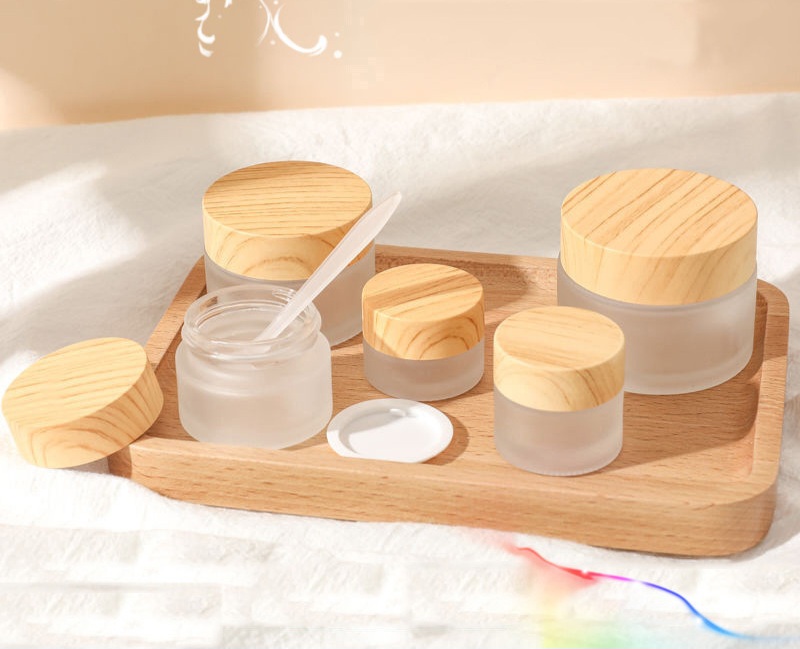
Sourcing custom plastic packaging from overseas can create significant advantages for businesses. It can reduce costs, improve product presentation, and support brand development. However, many importers worry about potential risks such as quality issues, production delays, communication problems, and shipping complications.
The good news is that these risks can be greatly reduced when a project follows a structured process from design to delivery. Understanding each stage of the packaging development journey helps buyers make informed decisions and achieve successful outcomes.
Step 1: Define Your Packaging Requirements Clearly
Every successful packaging project begins with a detailed understanding of the product and its requirements.
Before contacting a manufacturer, buyers should prepare information such as:
- Product dimensions
- Product weight
- Intended use
- Packaging quantity
- Branding requirements
- Target market
- Transportation method
The more information provided at the beginning, the easier it becomes to develop an effective packaging solution.
Step 2: Select the Appropriate Packaging Material
Different products require different packaging materials.
Common options include:
PET Packaging
Provides excellent transparency and is widely used for retail packaging.
PP Packaging
Offers flexibility and strong chemical resistance.
HDPE Packaging
Suitable for industrial products, household goods, and durable packaging applications.
Food-Grade Plastic Materials
Designed for products that require direct food contact.
Selecting the correct material helps ensure both product protection and cost efficiency.
Step 3: Develop a Custom Packaging Design
Custom packaging should be designed around the product rather than forcing the product into a standard package.
Professional design development often includes:
- Structural design
- Product fitting analysis
- Branding integration
- Packaging optimization
- Logistics considerations
A well-designed package can improve protection, reduce material usage, and enhance product presentation.
Step 4: Create Samples Before Production
Sampling is one of the most important stages in the process.
Samples allow buyers to evaluate:
- Appearance
- Material quality
- Product fit
- Structural strength
- Branding details
Making adjustments during the sample stage is much less expensive than correcting problems after mass production begins.
Step 5: Confirm Production Specifications
Before manufacturing starts, all specifications should be confirmed.
This includes:
- Product dimensions
- Material type
- Color requirements
- Logo placement
- Printing details
- Packaging configuration
- Quality standards
Clear documentation helps reduce misunderstandings and ensures both parties share the same expectations.
Step 6: Implement Quality Control During Production
Quality control should not be limited to final inspection.
Reliable manufacturers monitor quality throughout production by checking:
- Raw materials
- Manufacturing processes
- Product dimensions
- Appearance consistency
- Packaging performance
Early detection of issues prevents larger problems later.
Step 7: Optimize Packaging for Export Shipping
Packaging design should consider transportation requirements from the beginning.
Export optimization can include:
- Carton size planning
- Pallet configuration
- Container loading efficiency
- Weight reduction strategies
- Product protection measures
Efficient packaging often lowers shipping costs while reducing the risk of damage.
Step 8: Prepare Export Documentation
International shipments require accurate documentation.
Common export documents may include:
- Commercial invoices
- Packing lists
- Shipping documents
- Product specifications
- Certificates when required
Proper documentation helps avoid customs delays and unnecessary complications.
Step 9: Arrange Safe International Transportation
Different shipping methods offer different advantages.
Sea Freight
Suitable for large-volume shipments with lower transportation costs.
Air Freight
Ideal for urgent orders that require faster delivery.
Express Delivery
Useful for samples and smaller shipments.
Choosing the appropriate transportation method depends on budget, urgency, and shipment size.
Step 10: Build a Long-Term Supplier Relationship
Many successful importers treat suppliers as long-term business partners rather than one-time vendors.
A stable partnership can provide:
- Consistent quality
- Better communication
- Faster project execution
- Cost optimization opportunities
- Priority production scheduling
Long-term cooperation often creates advantages that go beyond pricing alone.
Common Risks and How to Avoid Them
Risk 1: Unclear Product Requirements
Solution: Provide detailed specifications and reference samples whenever possible.
Risk 2: Inconsistent Product Quality
Solution: Work with manufacturers that maintain documented quality control procedures.
Risk 3: Production Delays
Solution: Confirm production schedules and maintain regular communication.
Risk 4: Shipping Damage
Solution: Ensure packaging is designed specifically for export transportation conditions.
Risk 5: Unexpected Costs
Solution: Clarify all project details, tooling fees, shipping arrangements, and payment terms before production begins.
Why Many Importers Choose Chinese Packaging Manufacturers
Chinese manufacturers continue to attract global buyers because they offer:
- Flexible customization
- Competitive manufacturing costs
- Large-scale production capacity
- OEM and ODM services
- Export experience
- Continuous product innovation
When working with a professional manufacturer, importers can achieve high-quality packaging solutions while controlling costs and minimizing risks.
Conclusion
Importing custom plastic packaging from China does not have to be complicated or risky. Success depends on careful planning, clear communication, proper quality control, and selecting the right manufacturing partner.
From initial design and material selection to production, inspection, and international delivery, every stage plays an important role in achieving the desired result.
By following a structured process, businesses can obtain reliable custom plastic packaging that protects products, enhances brand image, reduces overall costs, and supports long-term growth in international markets.
FAQ
How can I reduce risk when sourcing custom plastic packaging from China?
Choose an experienced manufacturer, confirm specifications clearly, approve samples before production, and implement quality inspections throughout the project.
Why is sample approval important?
Samples allow buyers to verify appearance, dimensions, materials, and functionality before committing to mass production.
What information should I provide for a packaging quotation?
Product dimensions, packaging type, material requirements, branding details, quantity, and destination country are typically required.
Can manufacturers help optimize packaging design?
Yes. Experienced manufacturers can recommend design improvements that enhance protection while reducing material and shipping costs.
What shipping method is best for custom packaging orders?
The best option depends on shipment volume, delivery schedule, and budget. Sea freight is often preferred for large orders, while air freight is suitable for urgent shipments.
Do Chinese manufacturers support OEM and private label packaging?
Yes. Most professional manufacturers offer OEM, ODM, and private label packaging services to meet brand-specific requirements.


No reply content