
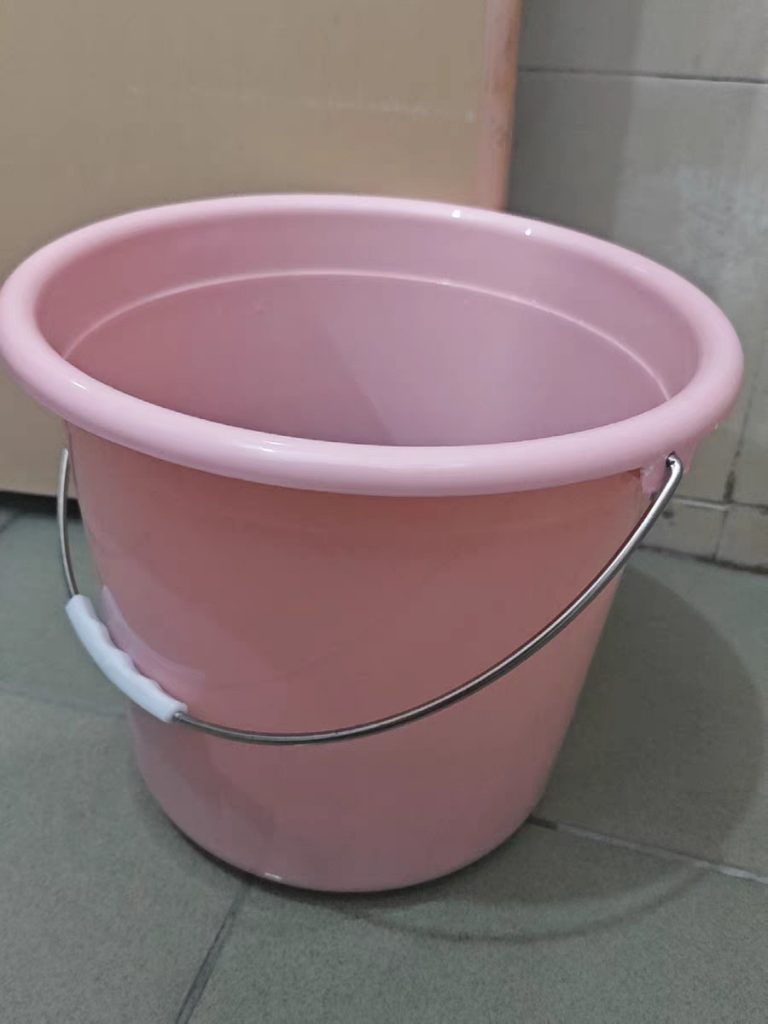
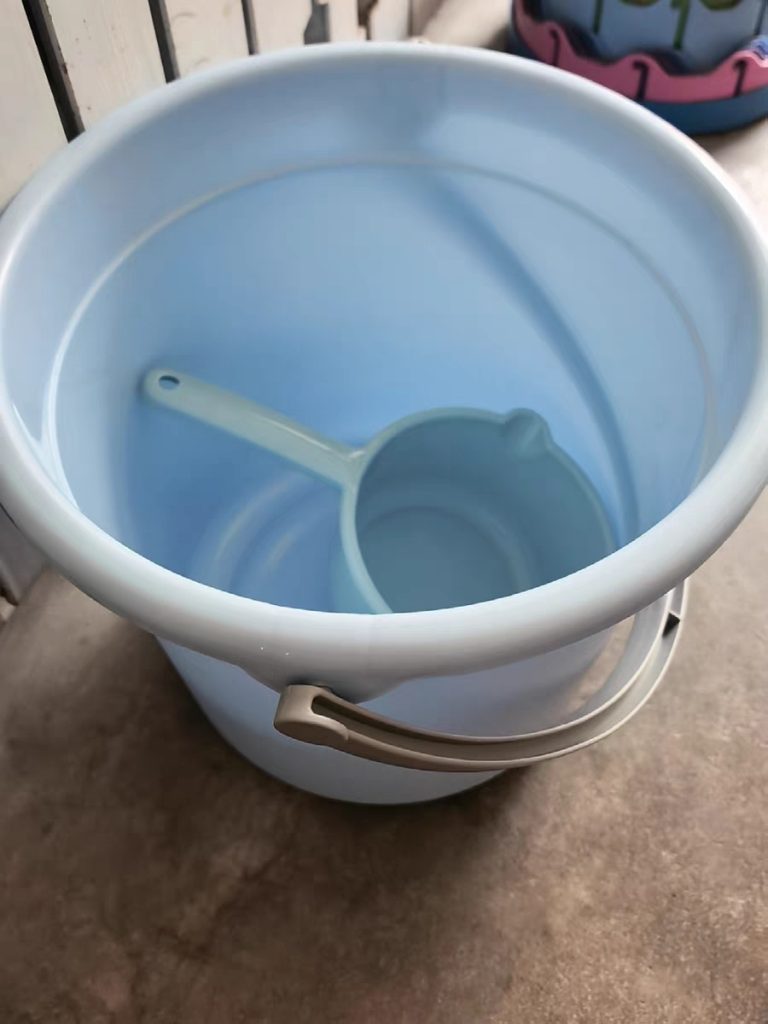
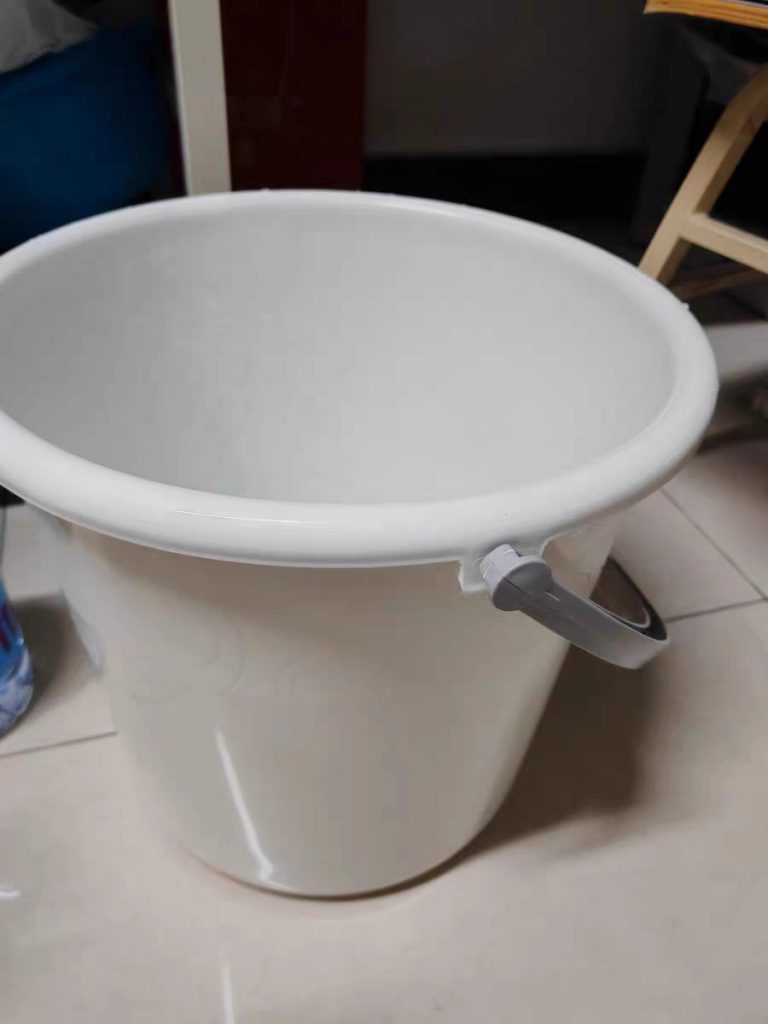
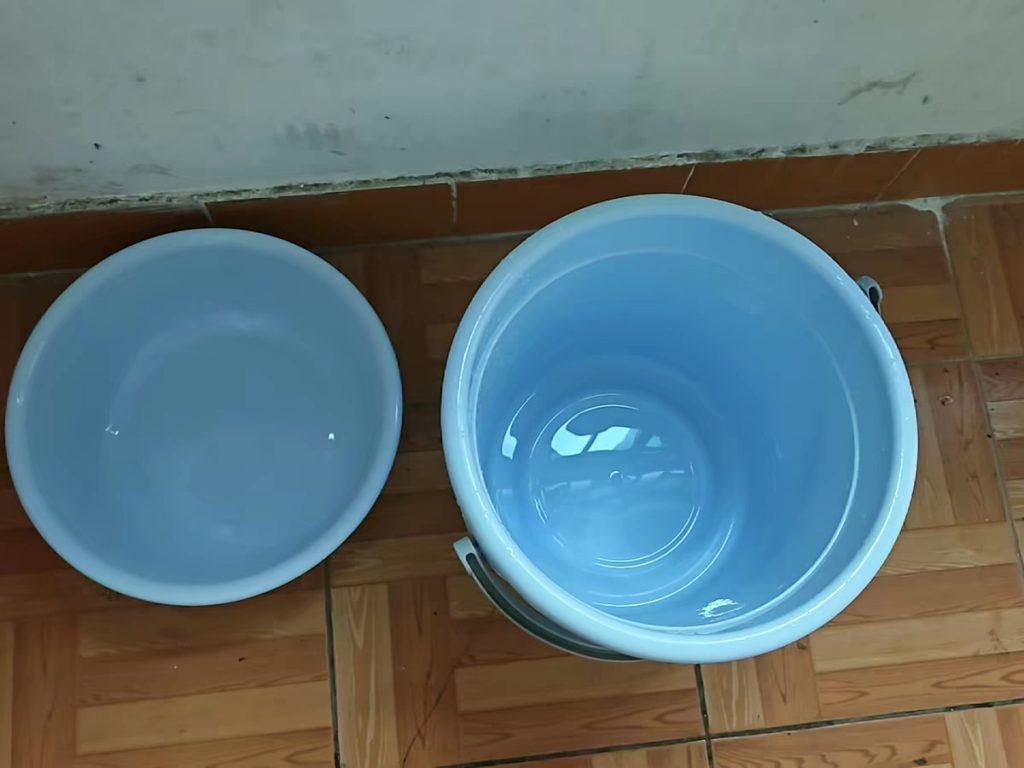
A comprehensive look at how industrial plastic drums are engineered, molded, tested, and delivered at scale—covering materials science, production technology, quality control systems, OEM customization, regulatory compliance, and global supply capabilities. Built on real manufacturing experience and technical authority.
Introduction: Why Industrial Plastic Drum Manufacturing Requires Technical Expertise
Plastic drums—also called plastic barrels, chemical drums, or HDPE storage containers—are widely used across industries including:
- Chemicals
- Food & beverage
- Agriculture
- Pharmaceuticals
- Lubricants & oils
- Water treatment
- Hazardous material transport
While plastic drums may appear simple, their performance directly affects:
- Chemical compatibility
- Transport safety
- Regulatory compliance
- Product contamination risk
- Warehouse efficiency
A professional plastic drum factory is not merely producing hollow containers—it integrates polymer science, structural engineering, blow molding precision, impact testing, and compliance certification into a controlled industrial process.
As an experienced plastic drum manufacturer, we operate under strict quality and production systems to ensure durability, safety, and long-term reliability.
This article provides a transparent overview of how a modern plastic drum factory functions, aligning with E-E-A-T standards: Experience, Expertise, Authoritativeness, and Trustworthiness.
1. Understanding Plastic Drums and Their Industrial Role
Plastic drums are primarily used for:
- Liquid chemical storage
- Food ingredient transport
- Hazardous waste containment
- Agricultural fertilizers & pesticides
- Industrial oils & lubricants
- Water and wastewater handling
The most common material used is HDPE (High-Density Polyethylene) due to its:
- Chemical resistance
- Impact strength
- UV resistance
- Lightweight structure
- Long service life
Different industries require different specifications, making manufacturing precision critical.
2. Types of Plastic Drums We Manufacture
A professional factory typically offers multiple drum types.
2.1 Open-Top Plastic Drums
Features:
- Removable lid
- Steel locking ring
- Easy filling and cleaning
Common uses:
- Powders
- Solids
- Food materials
- Waste collection
2.2 Tight-Head (Closed-Top) Plastic Drums
Features:
- Fixed top
- Two bung openings
- Designed for liquids
Common uses:
- Chemicals
- Oils
- Hazardous liquids
2.3 UN-Certified Hazardous Material Drums
Designed for:
- Dangerous goods transportation
- International shipping compliance
Manufactured and tested under UN performance standards.
2.4 Food-Grade Plastic Drums
Made with:
- Virgin food-grade HDPE
- Non-toxic additives
- Odorless formulation
Suitable for:
- Syrups
- Juices
- Fermentation
- Edible oils
2.5 Customized Industrial Storage Drums
Available in:
- 30L, 50L, 100L, 120L, 150L, 200L, 220L, etc.
- Custom colors
- UV-resistant versions
- Stackable designs
3. Raw Material Selection & Polymer Science
The performance of a plastic drum begins with resin selection.
We use:
- High-grade HDPE resin
- Virgin material for food-grade drums
- Anti-UV masterbatch
- Impact modifier additives
- Color masterbatch for custom branding
Strict raw material control ensures:
- Structural stability
- Chemical compatibility
- Long-term durability
Incoming resin undergoes:
- Melt flow index testing
- Density verification
- Moisture control
4. The Blow Molding Production Process
Plastic drums are typically manufactured using extrusion blow molding.
Step 1: Resin Melting
HDPE pellets are heated to controlled temperatures to form a molten tube (parison).
Step 2: Mold Clamping
The mold closes around the molten parison.
Precision molds ensure:
- Uniform wall thickness
- Structural symmetry
- Consistent drum shape
Step 3: Air Inflation
Compressed air expands the molten plastic to fill the mold cavity.
Wall thickness control is critical at this stage.
Step 4: Cooling & Solidification
Controlled cooling prevents:
- Warping
- Structural weakness
- Surface defects
Step 5: Trimming & Finishing
Excess plastic is removed.
Bung holes are processed and threaded.
Step 6: Leak Testing
Each drum undergoes:
- Air pressure testing
- Visual inspection
- Structural integrity checks
No drum leaves the factory without inspection.
5. Structural Engineering & Strength Testing
Industrial drums must withstand:
- Vertical stacking pressure
- Drop impact
- Temperature fluctuations
- Chemical exposure
We conduct:
- Drop tests
- Compression tests
- Hydrostatic pressure tests
- Environmental stress crack resistance testing
For UN-certified drums, additional compliance testing is performed according to international standards.
6. Quality Control System
Our factory implements:
IQC – Incoming Quality Control
Raw material verification.
IPQC – In-Process Quality Control
Monitoring during molding.
FQC – Final Quality Control
Inspection of each batch.
OQC – Outgoing Quality Control
Random sampling before shipment.
Documentation can be provided upon request.
7. Customization & OEM Services
We support:
- Custom color production
- Logo printing (silk screen / hot stamping)
- Embossed branding
- Custom lid design
- UV-resistant models
- Anti-static drums
- Food-grade certification
Engineering consultation ensures compatibility with intended contents.
8. Production Capacity & Scalability
Our blow molding lines allow:
- High-volume production
- Stable output scheduling
- Fast turnaround for standard sizes
Capacity depends on drum size and design complexity.
Production planning ensures timely delivery for distributors and industrial clients.
9. Compliance & Certification
We support compliance standards including:
- UN packaging certification
- Food-grade compliance
- ISO quality management
- Export packaging standards
Certificates can be provided for customs clearance and regulatory approval.
10. Packaging & Global Export Experience
We export worldwide and provide:
- Palletized stacking
- Shrink-wrapped protection
- Container optimization
- Bulk shipping planning
Efficient stacking design reduces shipping costs.
FAQ — Frequently Asked Questions
1. Can you manufacture customized plastic drums?
Yes.
We support OEM and ODM services including:
- Custom size
- Custom color
- Logo printing
- UN-certified hazardous material drums
- Food-grade versions
- Special wall thickness adjustments
Technical consultation is provided before confirmation.
2. What is your MOQ (Minimum Order Quantity)?
MOQ depends on drum size and customization:
- Standard models: typically 100–500 units
- Custom color or logo: higher MOQ required
- UN-certified drums: negotiable
Bulk distributor orders receive better pricing.
3. What is the production lead time?
Lead time varies:
- Standard stock models: 5–10 days
- Customized color/logo: 15–25 days
- Special mold development: 25–40 days
Lead time begins after deposit and final confirmation.
4. Do you have ready stock available?
Yes, certain standard sizes (e.g., 200L, 220L) may be available in stock.
Stock availability changes based on demand.
Customized drums are produced upon order confirmation.
Please contact us for real-time inventory.
5. Do you provide testing reports?
Yes.
We can provide:
- Leak test reports
- Drop test documentation
- UN certification (if applicable)
- Material safety data
Conclusion: Reliable Industrial Storage Built on Manufacturing Discipline
Plastic drums may appear simple, but their performance directly affects safety, compliance, and operational efficiency.
A professional plastic drum factory must demonstrate:
- Material science expertise
- Precision blow molding technology
- Structural testing capability
- Compliance knowledge
- Stable production capacity
- Transparent communication
By combining advanced production systems with strict quality control, we deliver durable, safe, and scalable plastic drum solutions for global industrial clients.
If you require technical specifications, OEM quotations, or compliance documentation, our team is ready to assist.
Let’s build reliable storage solutions together.


No reply content