
Solar power systems transform sunlight into clean, reliable electricity for homes, businesses, and industrial facilities worldwide.
With advancements in photovoltaic technology, energy storage integration, and smart inverters, modern solar solutions provide long-term cost savings, energy independence, and environmental sustainability for global markets seeking stable and renewable power generation.
1. The Evolution of Solar Energy in the Modern Power Industry
Solar energy has transitioned from a niche alternative power source into one of the most important pillars of global energy transformation. Governments, corporations, and independent power producers are investing heavily in solar photovoltaic (PV) systems due to their scalability, declining costs, and long-term return on investment.
From my professional experience working with EPC contractors, industrial buyers, and renewable energy integrators, the most successful solar projects are not simply about installing panels—they are about engineering a complete energy ecosystem that balances generation, storage, grid interaction, and financial planning.
Solar power is no longer experimental technology. It is a mature, bankable energy solution.
2. How Solar Power Systems Work
A complete solar power generation system typically includes:
- Solar panels (photovoltaic modules)
- Solar inverter
- Mounting structure
- DC and AC cabling
- Monitoring system
- Optional battery storage
Photovoltaic Conversion
Solar panels convert sunlight into direct current (DC) electricity through semiconductor materials (usually silicon-based cells). When sunlight strikes the panel surface, electrons are excited, generating electrical flow.
Inversion Process
Since most electrical systems operate on alternating current (AC), the inverter converts DC electricity into usable AC power.
Distribution
The generated electricity is either:
- Consumed directly onsite
- Stored in batteries
- Fed into the grid
System efficiency depends on component compatibility and engineering design accuracy.
3. Types of Solar Power Systems
Professional solar manufacturers and integrators typically provide three primary system categories:
3.1 On-Grid (Grid-Tied) Systems
- Connected directly to the public power grid
- No battery storage required
- Cost-effective for commercial buildings
3.2 Off-Grid Systems
- Independent power supply
- Requires battery storage
- Suitable for remote areas
3.3 Hybrid Systems
- Combines grid and battery
- Offers backup during outages
- Increasingly popular for industrial users
Each configuration serves different energy demands and budget considerations.
4. Key Components & Engineering Considerations
Solar Panels
Modern panels include:
- Monocrystalline modules (higher efficiency)
- Polycrystalline modules
- Bifacial panels (capture reflected light)
Panel efficiency typically ranges from 18% to 23% depending on technology.
Inverters
Types include:
- String inverters
- Central inverters
- Microinverters
- Hybrid inverters
Choosing the right inverter ensures stable voltage output and long-term reliability.
Mounting Structures
Mounting systems must consider:
- Wind load
- Snow load
- Corrosion resistance
- Roof or ground installation type
Structural integrity is critical for 20–30 year system lifespan.
5. Performance & Efficiency Optimization
In professional solar system design, we focus on:
- Optimal tilt angle
- Shading analysis
- Panel orientation
- Cable loss reduction
- Temperature management
Advanced tools like PV simulation software allow accurate prediction of annual power output before installation.
Proper design significantly improves ROI and system performance.
6. Energy Storage Integration
Battery storage has become a key component of modern solar projects.
Common battery technologies:
- Lithium-ion
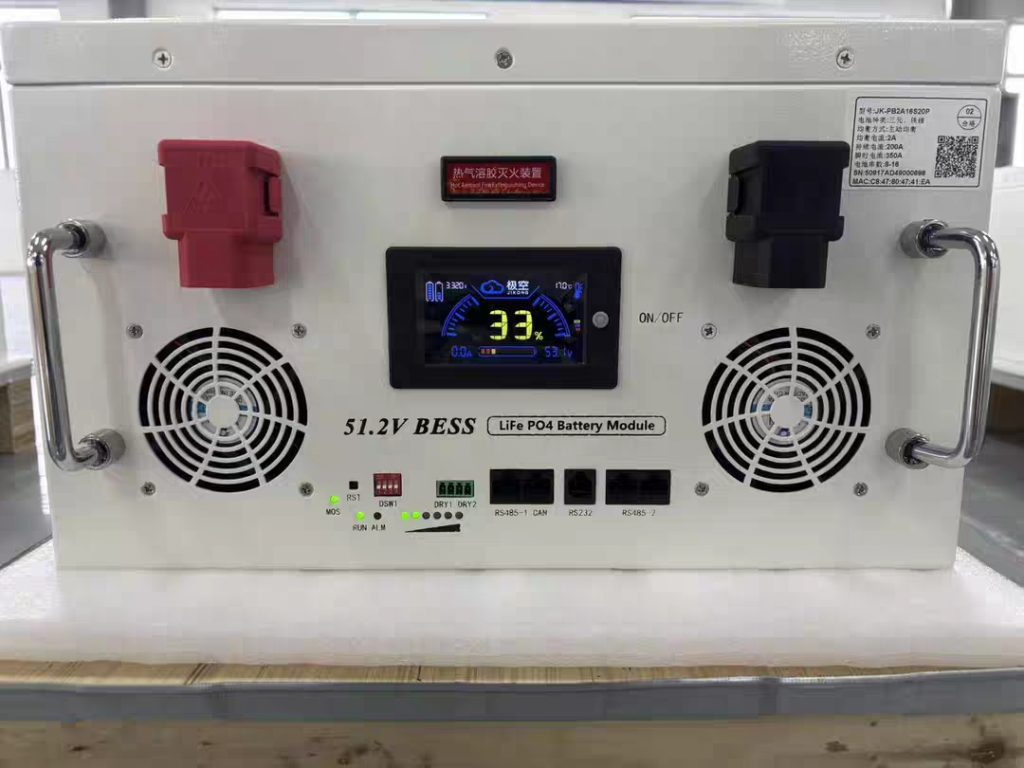
- LiFePO4
- Lead-acid (traditional)
Energy storage enables:
- Peak shaving
- Backup power
- Load shifting
- Energy independence
For commercial clients, battery integration often increases system complexity but improves resilience.
7. Applications Across Industries
Solar power systems are widely used in:
- Manufacturing plants
- Warehouses
- Agricultural farms
- Commercial buildings
- Residential communities
- Telecom base stations
- Remote infrastructure
Industrial solar rooftops are particularly popular due to large unused surface areas.
8. Economic Benefits & Return on Investment
Solar power offers:
- Reduced electricity bills
- Stable long-term energy pricing
- Government incentives (in many countries)
- Carbon footprint reduction
Average ROI timeline ranges from:
- 3–6 years for commercial systems
- 5–8 years for residential systems
System lifespan typically exceeds 25 years.
9. Compliance & Certifications
Professional solar manufacturers comply with:
- IEC standards
- CE certification
- UL certification (North America)
- TUV testing
Compliance ensures product safety, performance, and global market acceptance.
10. Installation & Commissioning Process
The installation process typically includes:
- Site survey
- System design
- Material procurement
- Mounting installation
- Electrical wiring
- Inverter configuration
- Testing & commissioning
Professional installers follow electrical safety standards to ensure operational stability.
11. Quality Control & Reliability
From my industry involvement, reliable solar suppliers implement:
- Incoming material inspection
- Module flash testing
- EL (electroluminescence) testing
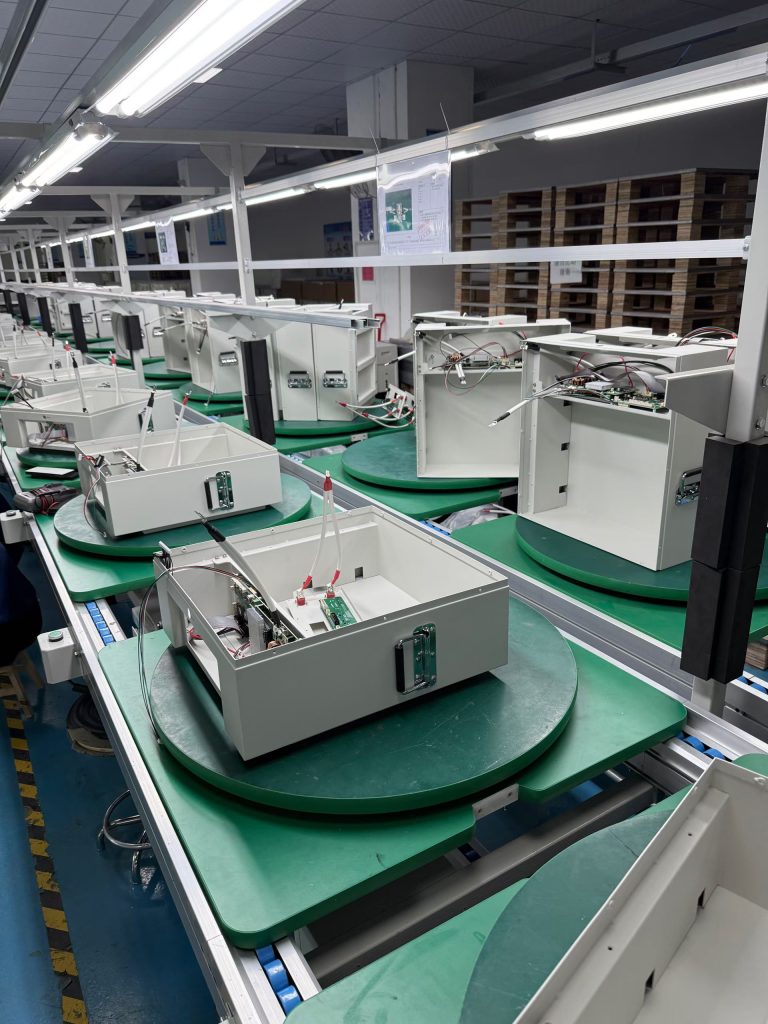
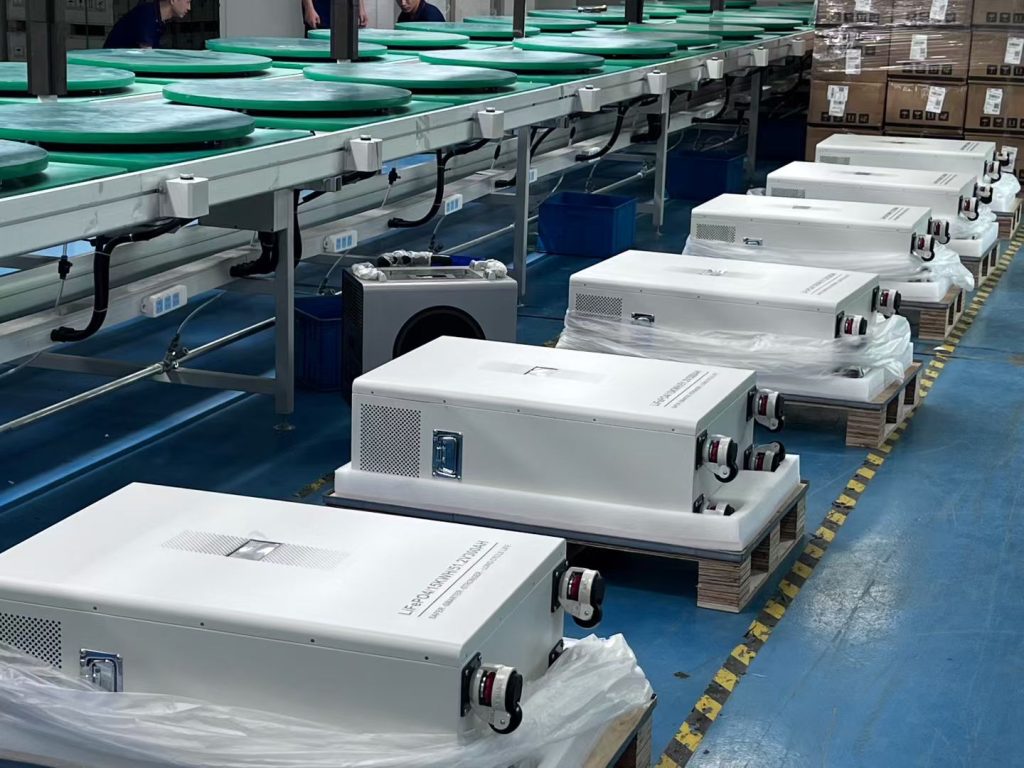
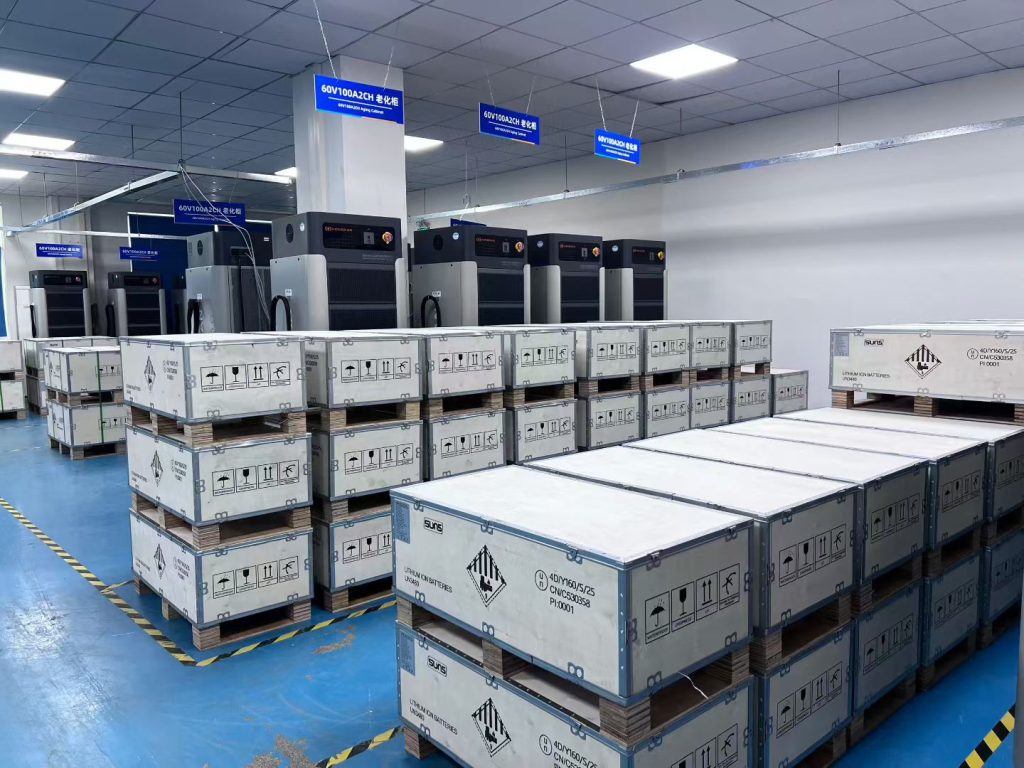
- Aging tests
- Inverter stress testing
Strict QC procedures reduce long-term maintenance issues.
12. Environmental Impact & Sustainability
Solar power contributes to:
- Reduced carbon emissions
- Lower fossil fuel dependence
- Cleaner air quality
- Sustainable development goals
Corporate ESG reporting increasingly prioritizes renewable energy adoption.
13. Global Market Trends
Current trends in solar power generation include:
- High-efficiency N-type panels
- Bifacial technology adoption
- Smart energy management systems
- AI-based monitoring
- Microgrid solutions
Innovation continues to improve efficiency and reduce costs.
14. Choosing the Right Solar Partner
Selecting a professional solar manufacturer or EPC contractor requires evaluating:
- Engineering experience
- Project portfolio
- Certification compliance
- Production capacity
- After-sales service
Long-term partnership ensures stable system performance and technical support.
15. Risk Management in Solar Projects
Common challenges include:
- Improper installation
- Underestimated shading
- Voltage mismatch
- Inverter failure
Experienced integrators mitigate these risks through careful planning and system testing.
16. After-Sales Support & Warranty
Professional solar manufacturers typically provide:
- 10–15 year product warranty for panels
- 25-year performance warranty
- 5–10 year inverter warranty
- Technical support
Reliable warranty policies enhance buyer confidence.
17. Frequently Asked Questions (FAQ)
1. Can you customize solar power systems?
Yes. We provide customized solar power solutions based on energy consumption, installation location, grid requirements, and budget. Both on-grid and off-grid systems can be tailored to client needs.
2. What is the MOQ (Minimum Order Quantity)?
MOQ depends on the product type:
- Solar panels: usually 1 pallet or 1 container
- Complete solar systems: MOQ can start from 1 system set
- Large industrial projects: no strict MOQ, based on project size
Custom configurations may require negotiation.
3. What is the production lead time?
- Standard solar panels: typically 7–15 days
- Complete solar systems: 15–30 days
- Large-scale industrial systems: depends on project scale
Lead time may vary based on order volume and component availability.
4. Do you have stock available?
Yes. Standard solar panels and inverters may be available in stock depending on model and region.
However, customized system solutions are typically assembled based on specific project requirements.
Please contact us for real-time inventory status.
5. Do you provide installation guidance?
Yes. We provide technical documentation, wiring diagrams, and remote engineering support.
18. Conclusion
Solar power generation has become one of the most reliable and economically viable renewable energy solutions available today. Through professional engineering design, certified components, and strict quality control, solar systems deliver:
- Long-term cost savings
- Energy independence
- Environmental sustainability
- Stable operational performance
Whether you are an industrial operator, commercial property owner, energy developer, or distributor, investing in solar power represents a strategic move toward energy resilience and sustainable growth.


No reply content