
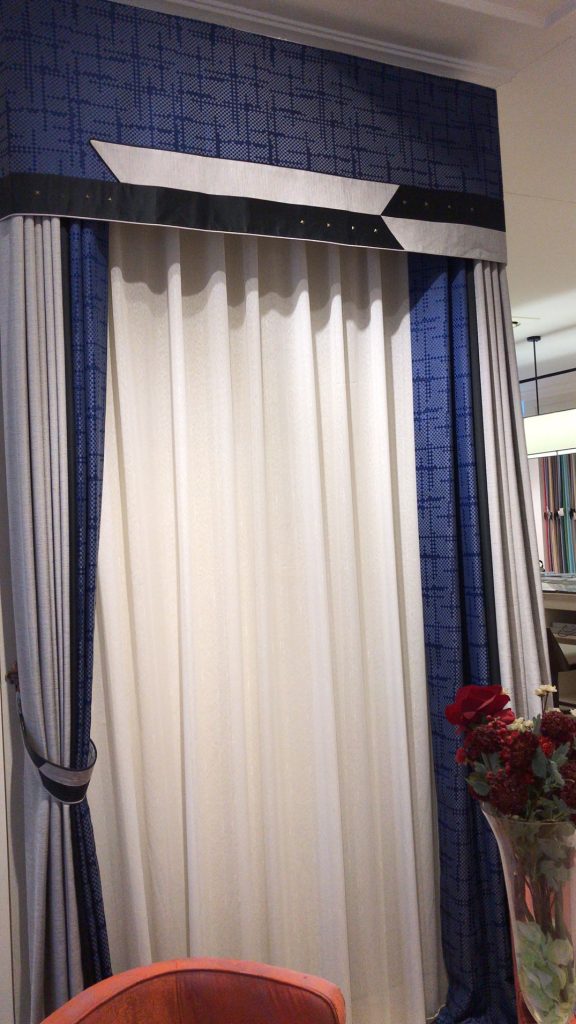
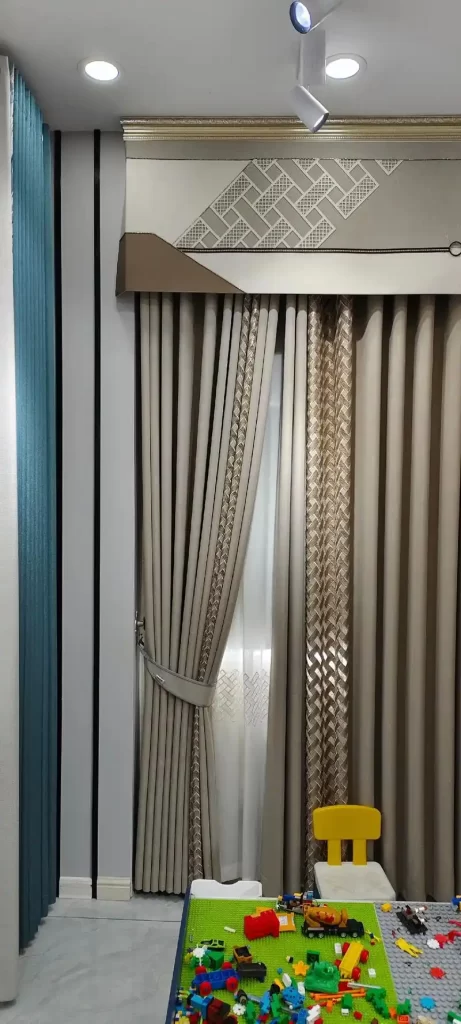
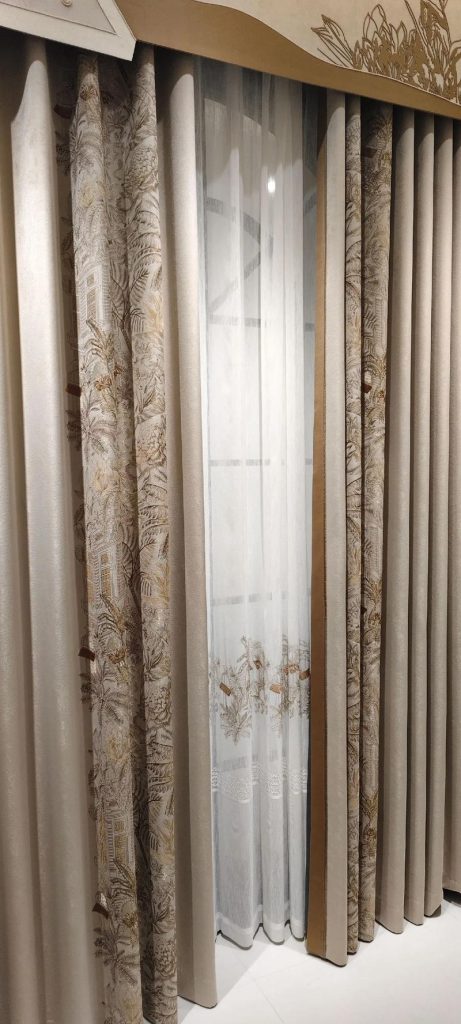
Curtains have long been an essential part of interior design. They don’t just block light — they create atmosphere, express style, and bring warmth to every space. Behind every elegant curtain lies a detailed process of design, craftsmanship, and quality control that turns fabric into functional art.
1. The Vision Behind Every Curtain
Every curtain begins with an idea — the balance between beauty and practicality. Designers consider how a curtain will interact with natural light, how its color will blend with furniture, and how it will perform in different environments. The result is a thoughtful design that enhances both comfort and aesthetics.
2. Choosing the Perfect Fabric
Fabric is the foundation of every curtain. Each material has its own look, texture, and performance characteristics. Understanding the difference helps customers and designers make better choices.
| Fabric Type | Key Characteristics | Best Use |
|---|---|---|
| Sheer | Light, breathable, softly diffuses sunlight | Living rooms, balconies |
| Velvet | Heavy, luxurious, provides insulation | Bedrooms, hotels |
| Linen Blend | Natural texture, elegant drape, durable | Dining rooms, offices |
3. Precision in Manufacturing
The production process combines technology and skilled workmanship. Fabrics are carefully measured and cut using automated machines to ensure accuracy. Experienced tailors handle stitching, hemming, and pleating to create the desired curtain style — from classic pinch pleats to modern wave folds. Each piece is checked for color consistency, smooth seams, and proper dimensions.
4. Quality Control and Finishing
Before packaging, curtains undergo strict inspection. Any imperfections in size, thread, or color are corrected immediately. Finishing touches such as ironing, lining, and accessories ensure every curtain looks elegant and ready for installation. Attention to detail is what makes a good curtain great.
5. A Sustainable Future for Curtain Production
As global demand grows, sustainability becomes increasingly important. Using eco-friendly dyes, energy-efficient machines, and recyclable materials reduces waste and protects the environment. Modern curtain manufacturing aims to achieve both beauty and responsibility.
Conclusion
From concept to creation, every curtain tells a story of craftsmanship and dedication. The journey from fabric rolls to finished drapes involves passion, skill, and precision. When carefully made, curtains do more than decorate a room — they turn ordinary spaces into reflections of comfort, elegance, and style.


No reply content