China agricultural product suppliers
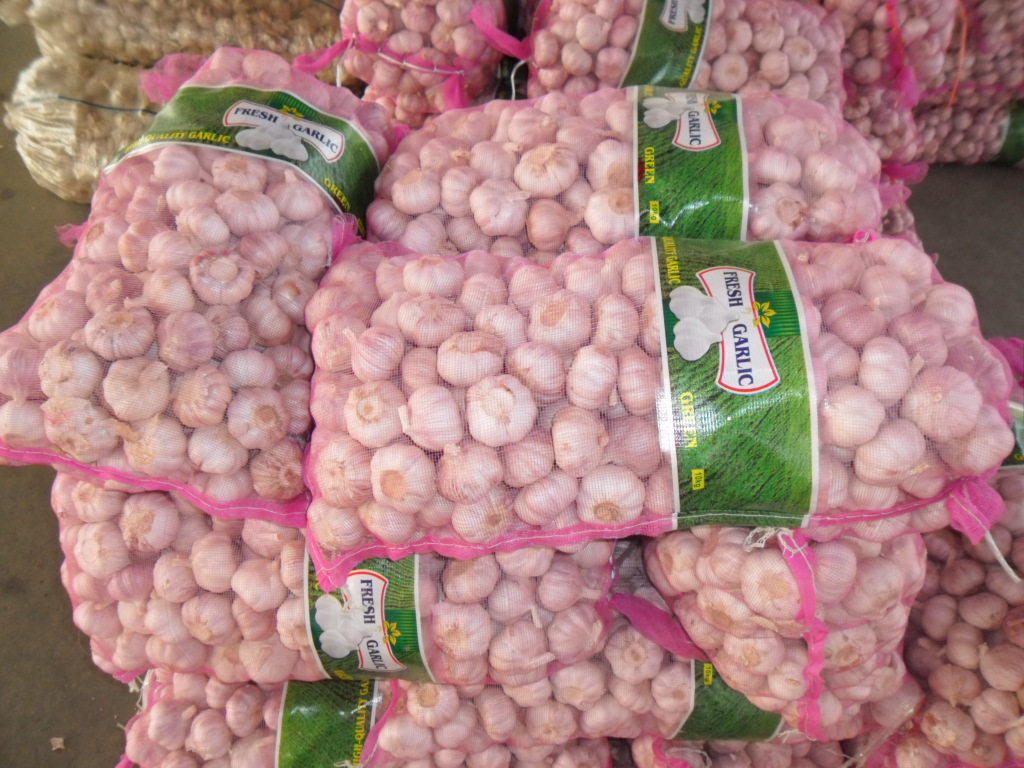
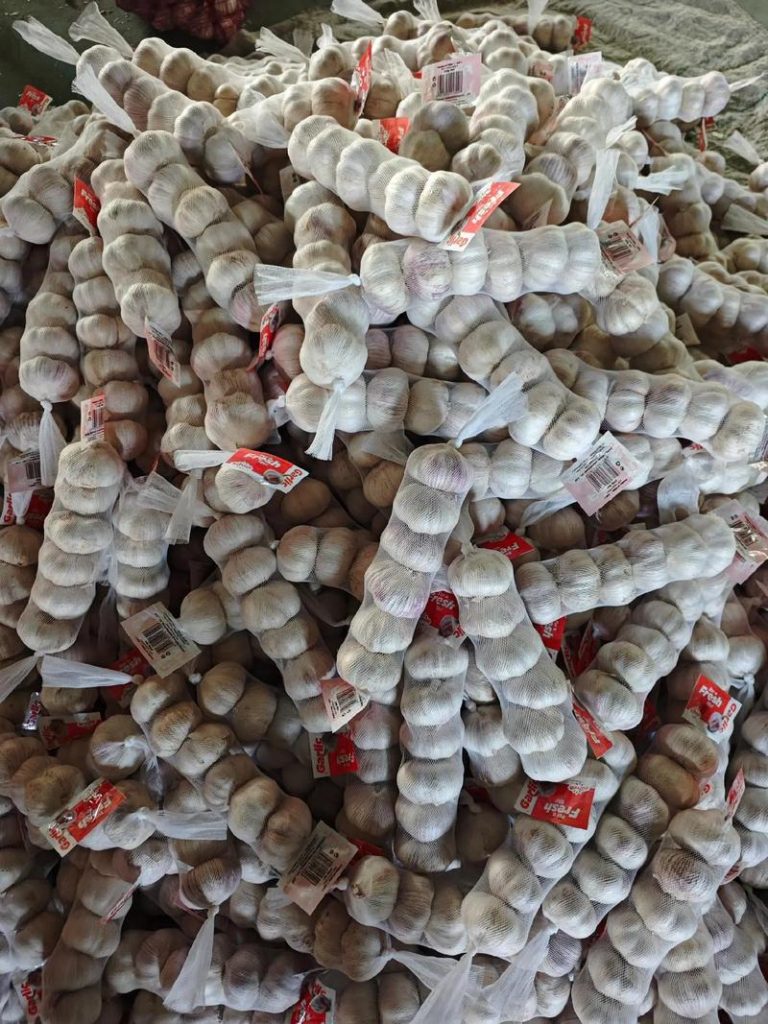
If you’ve ever bitten into a bland clove or opened a shipment to find shriveled bulbs and hidden mold, you already know: sourcing garlic isn’t as simple as picking the cheapest option. Whether you run a restaurant, manage a grocery store, or simply take your home cooking seriously, the quality of your garlic directly affects flavor, safety, and even your bottom line.
Most “garlic problems” aren’t really about garlic—they’re about suppliers. The right partner doesn’t just sell you produce; they protect your standards. Here’s how to identify a high-quality garlic supplier and avoid the common pitfalls I’ve seen trip up chefs, buyers, and small business owners over the years.
1. Start With What You Actually Need
Before you even Google “garlic supplier,” get clear on your own requirements. A lot of frustration comes from mismatched expectations.
Ask yourself:
-
Volume: Do you need five pounds a week or five tons a month?
-
Type: Are you after strong-flavored raw garlic, mild-roasted varieties, or specialty types like black garlic?
-
Form: Whole bulbs, peeled cloves, minced, or frozen?
-
Timing: Year-round supply or seasonal peaks?
I once worked with a chef who kept switching suppliers because his garlic “tasted different every month.” The real issue? He never told his supplier he needed consistent flavor intensity for a signature dish. Once we clarified that, the supplier adjusted their harvest timing and storage recommendations—and the problem disappeared.
2. Look for These Signs of a Quality-Focused Supplier
A good garlic supplier won’t just talk price. They’ll talk process. When you’re vetting potential partners, pay attention to these details:
a. Farm Transparency
Do they know where the garlic was grown—and can they prove it? Ask for farm names or visit if possible. Garlic grown in well-drained, mineral-rich soil with proper crop rotation tends to have better shelf life and more complex flavor. If a supplier can’t tell you the region or farming practices, that’s a red flag.
b. Grading Standards
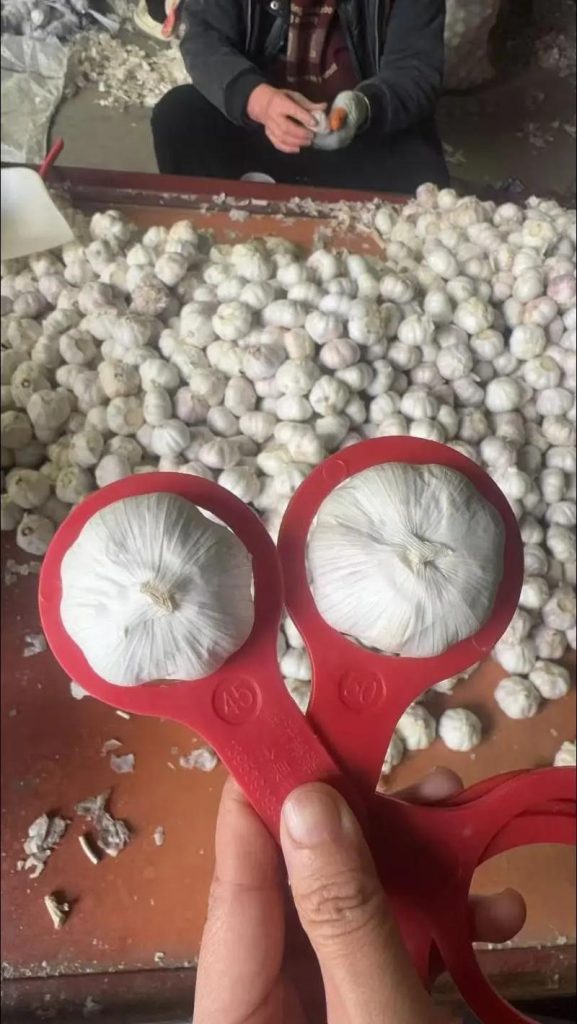
High-quality suppliers grade their garlic meticulously. You want to hear terms like:
-
Size consistency (e.g., 4.5–5 cm bulbs)
-
Moisture control (critical for long-term storage)
-
Defect limits (less than 3% bruising, no sprouting)
If they shrug when you ask about grading, move on.
c. Storage & Handling
Garlic is finicky. Improper storage ruins it fast. A reliable supplier will:
-
Store bulbs in cool, ventilated conditions (50–60°F / 10–15°C)
-
Avoid plastic packaging that traps moisture
-
Rotate stock so older garlic ships first
I’ve seen shipments arrive with condensation inside the bags—that’s a sign someone cut corners on storage or rushed packing during humid weather.
d. Communication That Feels Like Partnership
The best suppliers act like an extension of your team. They’ll warn you about seasonal shortages, suggest alternatives, and respond quickly when something goes wrong. If emails go unanswered for days, imagine what happens when there’s a problem with your order.
3. Test Before You Commit
Never place a large order without a trial run. Order a small batch and evaluate:
-
Arrival condition: No broken bulbs, no mold, no strong ammonia smell.
-
Flavor test: Is it pungent but balanced? Does it burn pleasantly when raw?
-
Shelf life: Check daily for 10–14 days. Good garlic should hold up without sprouting or softening.
One buyer I advised ordered a pallet based solely on a glossy catalog photo. By week two, half the bulbs were sprouting. A $200 trial order would have saved thousands.
4. Build the Relationship—Don’t Just Chase Price
It’s tempting to jump ship for a cheaper quote, but garlic pricing often reflects hidden costs: inconsistent sizing, shorter shelf life, or poor customer service. A slightly higher price from a supplier who delivers flawless bulbs every time usually pays for itself in reduced waste and fewer headaches.
That said, loyalty should be earned. Review your supplier’s performance quarterly:
-
Are deliveries on time?
-
Has quality remained consistent?
-
Do they proactively communicate issues?


No reply content