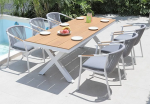
China Foshan custom furniture factory OEM
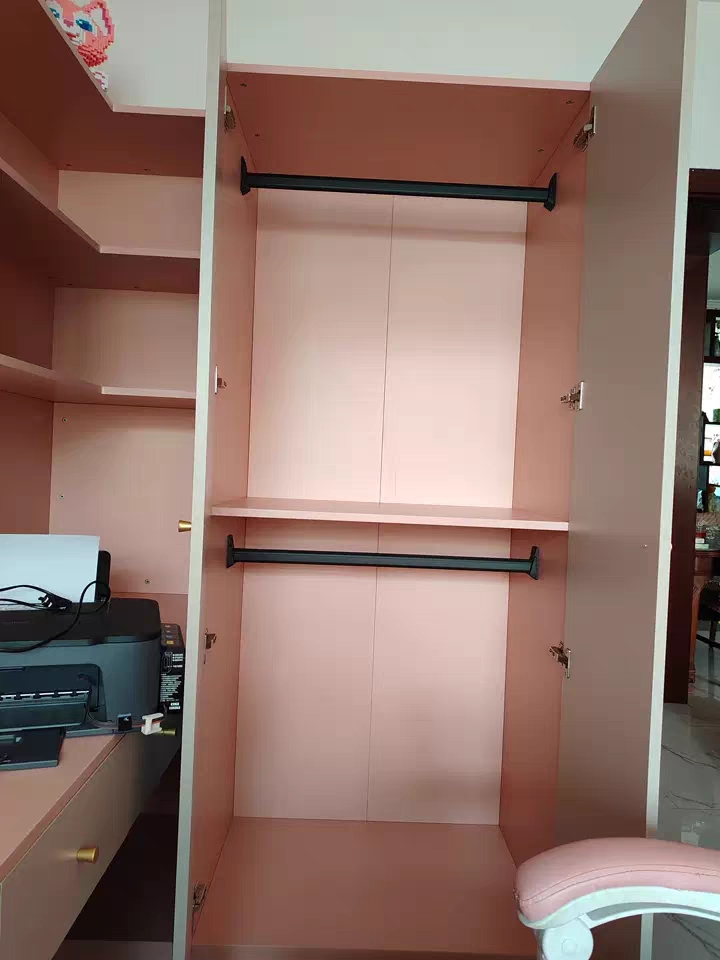
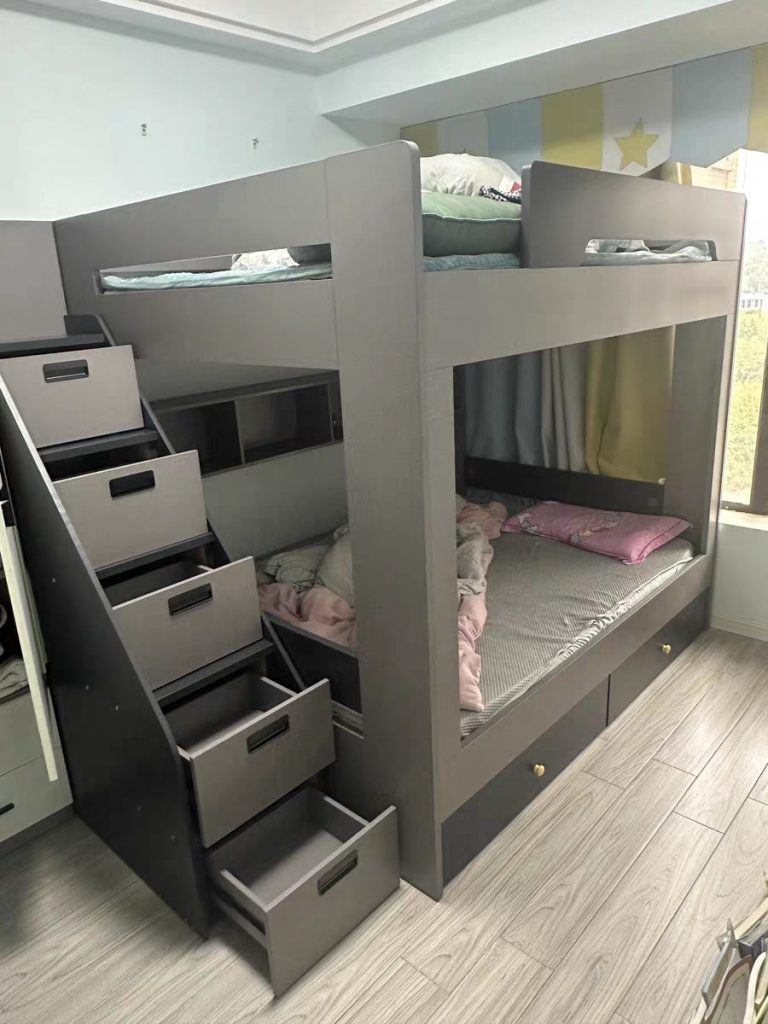
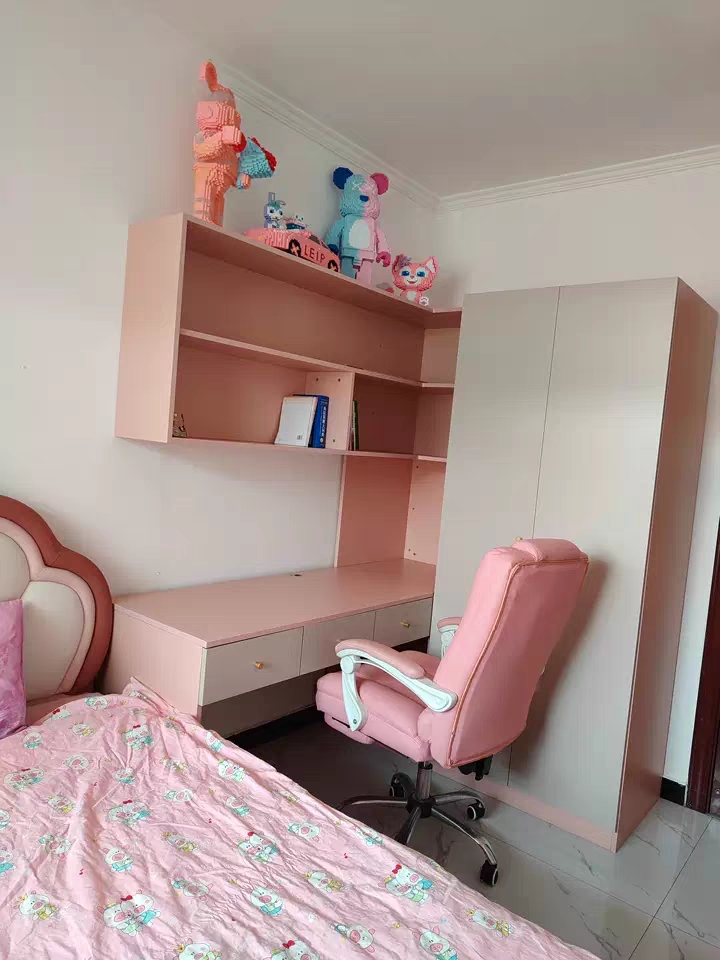
Finding reliable furniture suppliers is one of the most important steps for importers, wholesalers, hotel project contractors, and e-commerce sellers. Furniture is a highly competitive global industry, and the difference between a good supplier and a poor one can directly affect your product quality, customer satisfaction, and profit margins.
Many buyers struggle with unstable quality, delayed shipments, unclear pricing, and poor communication. This article will help you understand how to evaluate furniture suppliers, avoid common sourcing risks, and build long-term stable partnerships.
What Are Furniture Suppliers?
Furniture suppliers are companies or manufacturers that produce and provide furniture products for residential, commercial, and industrial use. They may specialize in:
-
Home furniture (sofas, beds, dining tables)
-
Office furniture (desks, chairs, storage systems)
-
Hotel furniture (custom hospitality solutions)
-
Outdoor furniture (garden sets, patio furniture)
-
Custom OEM/ODM furniture production
Suppliers can be manufacturers, trading companies, or hybrid sourcing agents.
Why Choosing the Right Furniture Supplier Matters
Furniture is not a low-value commodity. It directly impacts user experience, brand reputation, and long-term business growth.
Here’s why supplier selection is critical:
-
Product Quality Consistency
Poor suppliers often change materials without notice, causing quality fluctuations. -
Logistics and Delivery Stability
Furniture is bulky and expensive to ship. Delays can cause project failure. -
Profit Margins
Reliable suppliers help you control costs and maintain stable pricing. -
Brand Reputation
Low-quality furniture can damage your brand permanently. -
After-Sales Support
Good suppliers provide replacement parts and warranty support.
Common Types of Furniture Suppliers
Understanding supplier types helps you choose the right sourcing channel.
-
Furniture Manufacturers
These are factories that produce furniture directly. They offer:
-
Lower prices
-
OEM/ODM customization
-
Bulk production capability
-
Trading Companies
They source from multiple factories and provide:
-
Product variety
-
Easier communication
-
Flexible MOQ
-
Specialized Export Suppliers
These suppliers focus on international markets and provide:
-
Export documentation
-
Shipping coordination
-
Compliance support
-
Custom Furniture Workshops
Best for:
-
Luxury projects
-
Hotel interiors
-
High-end residential customization
Key Factors When Evaluating Furniture Suppliers
-
Material Quality
High-quality furniture starts with raw materials.
Ask suppliers about:
-
Solid wood vs engineered wood
-
Metal grade and coating quality
-
Fabric durability and fire resistance
-
Environmental certifications (E0/E1 standard boards)
-
Manufacturing Capability
Reliable suppliers should clearly show:
-
Production lines
-
Machinery types (CNC cutting, automated assembly)
-
Monthly production capacity
-
Customization Options (OEM/ODM)
Modern buyers often need branding or design flexibility:
-
Custom dimensions
-
Color selection
-
Logo engraving or printing
-
Packaging customization
-
Quality Control System
Strong suppliers usually have:
-
Incoming material inspection
-
Production line QC checks
-
Final product inspection
-
Pre-shipment inspection reports
-
Export Experience
Furniture export requires experience in:
-
Container loading optimization
-
Damage prevention packaging
-
International documentation (Invoice, PL, CO)
-
Freight coordination
-
Pricing Transparency
Avoid suppliers who:
-
Refuse to break down costs
-
Change prices frequently
-
Add hidden fees after confirmation
Common Problems with Poor Furniture Suppliers
Many importers face the same issues when working with unreliable suppliers:
-
Color or material mismatch compared to samples
-
Weak packaging causing shipping damage
-
Delayed production schedules
-
Low-quality hardware (hinges, screws, frames)
-
No response after payment
These problems often come from choosing suppliers based only on the lowest price.
Furniture Pricing Factors
Furniture pricing is influenced by several key elements:
-
Raw materials (solid wood, MDF, metal, fabric)
-
Design complexity
-
Customization level
-
Order quantity (MOQ)
-
Packaging requirements
-
Shipping distance and logistics costs
In general, customized furniture has higher costs but offers better brand value.
How to Find Reliable Furniture Suppliers
Here are the most effective sourcing methods:
Furniture Trade Fairs
For example:
-
Canton Fair
-
International Furniture Fair (IFF)
-
Direct Factory Sourcing
Best for long-term cost control and stable supply. -
Referrals and Industry Networks
Recommendations from importers or logistics partners. -
Sample Orders
Always test product quality before placing bulk orders.
OEM & ODM Furniture Manufacturing Explained
OEM (Original Equipment Manufacturer): You provide the design, supplier produces it.
ODM (Original Design Manufacturer): Supplier provides ready designs that you can modify or rebrand.
OEM is ideal for brand building, while ODM is faster for market entry.
Global Trends in Furniture Industry (2026)
-
Sustainable Materials
Eco-friendly wood, recycled metal, and low-VOC materials are in high demand. -
Smart Furniture
Integration of charging ports, LED lighting, and smart home systems. -
Modular Design
Flexible furniture that can be easily assembled or expanded. -
E-commerce Growth
More furniture is sold through online platforms with direct factory shipping.
Tips for Negotiating with Furniture Suppliers
To get better deals and stable cooperation:
-
Request tiered pricing based on quantity
-
Compare at least 3–5 suppliers
-
Ask for long-term partnership discounts
-
Negotiate shipping terms (FOB, CIF, DDP)
-
Confirm warranty and replacement policies
How to Build Long-Term Supplier Relationships
Strong supplier relationships reduce risk and improve profit margins.
Best practices:
-
Maintain clear communication
-
Pay on time for trust building
-
Provide feedback on product quality
-
Place consistent repeat orders


No reply content