China agricultural product suppliers
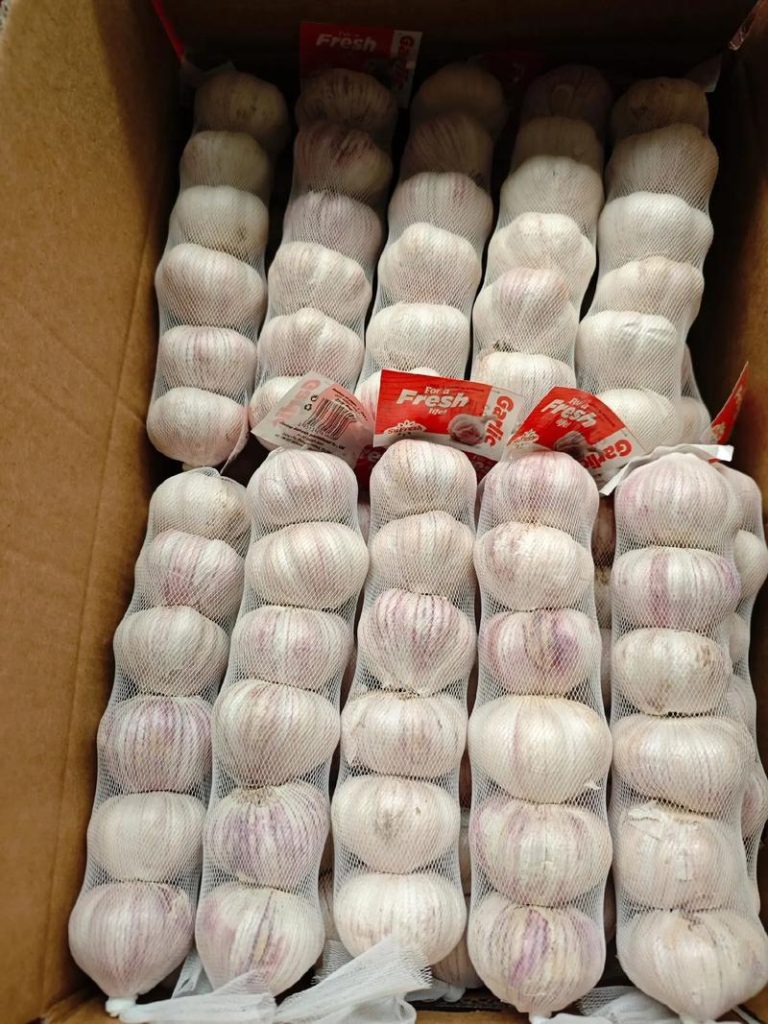

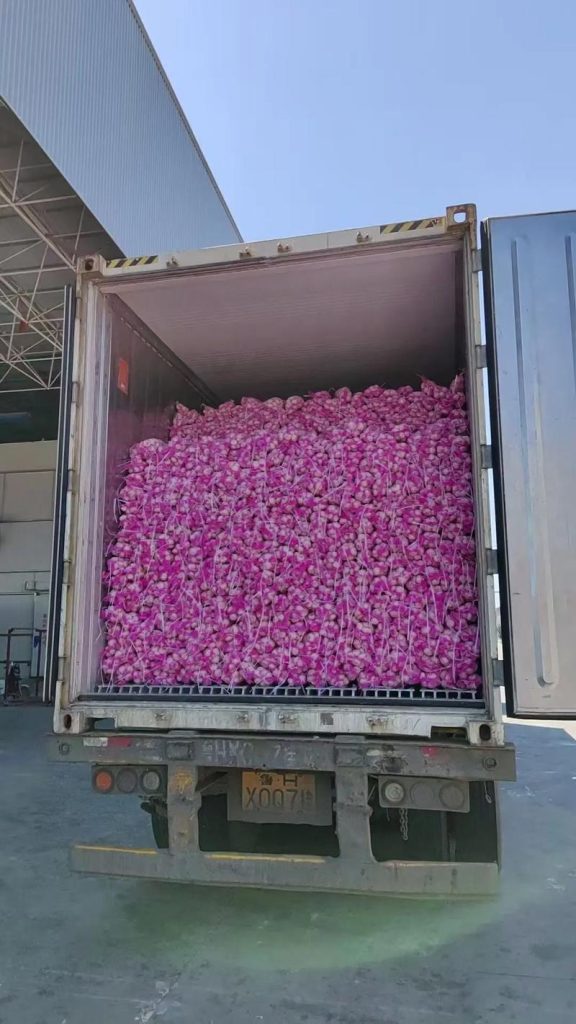
Finding a reliable garlic exporter is important for importers, wholesalers, distributors, supermarkets, food processors, and restaurant suppliers that need a stable supply of fresh garlic.
A professional garlic exporter should be able to provide suitable garlic varieties, consistent sizing, proper sorting and grading, export packaging, quality inspection, and international shipping support. For buyers, product quality and supply consistency are often more important than simply finding the lowest price.
What Does a Garlic Exporter Provide?
A garlic exporter connects garlic producers and international buyers and manages the preparation of garlic for overseas markets.
Depending on the supplier and growing region, export products may include:
-
Fresh white garlic
-
Fresh purple garlic
-
Fresh red garlic
-
Peeled garlic
-
Garlic cloves
-
Fresh garlic bulbs
-
Dried garlic
-
Garlic for food processing
-
Wholesale garlic
-
Private-label garlic packaging
The exact varieties, sizes, harvest periods, and packaging options depend on the production area and export market.
How to Choose the Right Garlic Supplier
Before placing an international order, buyers should evaluate several factors.
Product Quality
Fresh garlic should be properly cured, clean, firm, and free from obvious mold, excessive sprouting, serious mechanical damage, or other quality problems.
Garlic Size
Garlic is commonly sorted by bulb diameter. Different markets may have different preferences, so buyers should clearly specify the required size range.
Variety
Different garlic varieties can vary in bulb appearance, clove structure, flavor, storage characteristics, and market demand.
Importers should confirm the exact variety before ordering.
Harvest Season
Garlic is a seasonal agricultural product. Buyers should understand the supplier’s harvest calendar and expected availability.
Planning orders around the appropriate harvest period can improve product freshness and supply stability.
Garlic Sorting and Grading
Professional sorting and grading help create a more consistent shipment.
The process may involve:
-
Harvesting
-
Curing
-
Cleaning
-
Trimming
-
Sorting
-
Grading
-
Quality inspection
-
Packaging
-
Storage
-
Export preparation
Garlic can be separated according to size, appearance, quality, and customer specifications.
For wholesale buyers, clear grading standards are important because inconsistent sizing can affect retail presentation and selling price.
Garlic Packaging for Export
Packaging plays an important role in protecting garlic during international transportation.
Common packaging formats may include:
-
Mesh bags
-
Cartons
-
Woven bags
-
Bulk packaging
-
Retail-ready packaging
-
Custom-branded packaging
The appropriate packaging depends on the destination market, transportation method, storage conditions, and buyer requirements.
For private-label customers, packaging may also include customized logos, labels, product information, and barcode requirements.
Garlic Storage and Transportation
Garlic needs suitable storage conditions to maintain quality during the supply chain.
Important factors can include:
-
Temperature
-
Humidity
-
Ventilation
-
Packaging
-
Storage duration
-
Transportation conditions
Poor storage conditions can contribute to sprouting, mold, dehydration, or quality deterioration.
International buyers should discuss storage and transportation requirements with the exporter before shipment.
Garlic Export Quality Control
Quality control should begin before the garlic is packed.
An exporter may inspect:
-
Bulb size
-
Appearance
-
Firmness
-
Cleanliness
-
Skin condition
-
Sprouting
-
Mold
-
Mechanical damage
-
Packaging
-
Net weight
For larger commercial orders, buyers can establish product specifications and inspection requirements before shipment.
Depending on the destination country, additional food-safety, phytosanitary, residue, labeling, or import requirements may apply.
Private-Label Garlic
Supermarkets, distributors, and food brands may want garlic packed under their own brand.
A private-label garlic project may include:
-
Custom packaging
-
Brand logo
-
Product labels
-
Country-of-origin information
-
Product specifications
-
Retail packaging
-
Carton markings
Before production, buyers should confirm the destination country’s labeling and food-import requirements.
Buying Garlic in Bulk
For wholesale orders, buyers should provide detailed purchasing requirements.
A typical inquiry can include:
Product: Fresh garlic
Variety: Required variety
Size: Required bulb diameter
Quantity: Required volume
Packaging: Mesh bag / carton / custom packaging
Brand: Private label if required
Destination: Country and port
Delivery: Required shipping schedule
Quality requirements: Agreed specifications
Providing these details allows the exporter to prepare a more accurate quotation.
Garlic Export Prices
Garlic prices can change significantly depending on agricultural and market conditions.
Factors affecting export prices may include:
-
Harvest yield
-
Variety
-
Bulb size
-
Product quality
-
Harvest season
-
Storage period
-
Packaging
-
Order quantity
-
Domestic market conditions
-
International demand
-
Transportation costs
-
Destination requirements
For this reason, buyers should request a current quotation based on a clearly defined specification rather than relying on an old price.
How to Verify a Garlic Exporter
Before placing a large order, international buyers should evaluate the supplier carefully.
Useful information to request includes:
-
Company profile
-
Product specifications
-
Available varieties
-
Size options
-
Harvest information
-
Packaging options
-
Quality-control procedures
-
Export experience
-
Sample availability
-
Shipping terms
-
Required certificates
-
Production or packing facility information


No reply content